
Sauces & Condiments
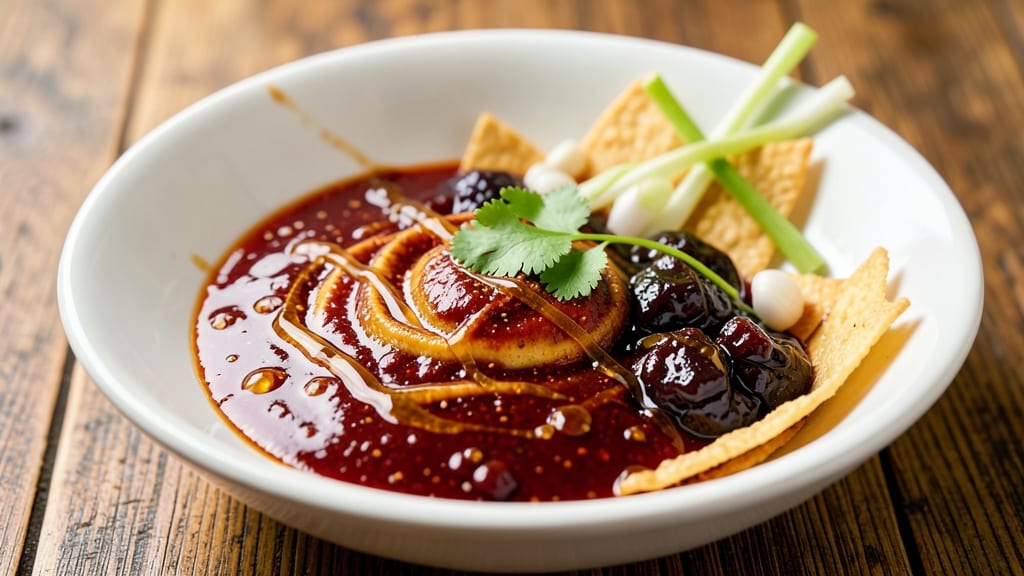
This babg bang sauce recipe transforms grilled meats into finger-licking masterpieces with its perfect balance of sweet, spicy, and umami flavors. 🔥 The secret lies in fermented ingredients like gochujang and doenjang, which create that signature depth and complexity.
Unlike store-bought versions, this homemade glaze delivers vibrant, restaurant-quality taste with just 10 minutes of prep. What sets this sauce apart is its versatility—equally at home on bulgogi, ribs, or even as a dipping sauce.
The caramelized edges from grilling pair beautifully with the sauce's tangy-sweet profile, creating a harmonious bite every time. I developed this recipe after years of experimenting with Korean BBQ glazes, refining it to achieve that ideal sweet-spicy kick without overpowering the meat.
The result is a glossy, sticky glaze that clings to every bite, enhancing rather than masking the natural flavors of your protein. The sauce keeps well in the fridge for up to two weeks, making it perfect for meal prep or entertaining.
Whether you're hosting a Korean BBQ feast or simply craving bold flavors, this sauce delivers. For those who prefer less heat, simply reduce the gochugaru (Korean red pepper flakes) by half. The sauce also works beautifully with tofu or vegetables for a plant-based twist. Let's make this bold, flavorful glaze!
Ingredients for babg bang sauce
Fermented pastes, vibrant spices, and natural sweeteners create this restaurant-quality Korean glaze.
| Ingredient | Amount | Notes |
|---|---|---|
| Gochujang (Korean Red Pepper Paste) 🌶️ | ½ cup | High-quality, fermented paste |
| Doenjang (Korean Fermented Soybean Paste) 🥫 | ¼ cup | Traditional, aged variety |
| Gochugaru (Korean Red Pepper Flakes) 🌶️ | 2 tbsp | Medium heat level preferred |
| Honey 🍯 | ¼ cup | Pure, unprocessed preferred |
| Soy Sauce 🥫 | ¼ cup | Korean or Japanese preferred |
| Rice Vinegar 🍶 | ¼ cup | Mild, well-balanced flavor |
| Sesame Oil 🫒 | 1 tbsp | Toasted, high-quality |
| Garlic Cloves 🧄 | 4 cloves | Freshly minced, pungent |
| Ginger Root 🌿 | 1 tbsp | Freshly grated, aromatic |
| Brown Sugar 🍯 | ¼ cup | Light or dark preferred |
The quality of your gochujang and doenjang makes all the difference. Maesil Gochujang or Bukchon Hanok Village brands deliver authentic depth, while Korean grocery stores like H Mart offer the freshest options. Look for doenjang with visible fermentation—it should have a rich, almost jam-like consistency, not powdery. The gochugaru should be bright red, not dull, indicating freshness. If you can't find Korean ingredients locally, Asian markets online ship quickly and reliably. For the honey, skip the processed supermarket kind—raw, local honey adds subtle floral notes that enhance the sauce's complexity.
No gochujang? Substitute 2 tbsp sriracha plus 1 tbsp tomato paste for heat, though you'll lose depth. Running low on doenjang? Miso paste at half the amount works in a pinch, though the umami profile shifts slightly. The sesame oil is non-negotiable for that signature nutty aroma—no substitutes here. For those avoiding heat, reduce gochugaru to 1 tbsp and add 1 extra tbsp honey to balance. The garlic and ginger can be pre-minced from jars if needed, though fresh is always superior. If you're making this for a plant-based version, simply reduce the soy sauce by 1 tbsp and add 1 tbsp nutritional yeast for extra umami.
This sauce develops deeper flavor over time—let it sit for at least 30 minutes before using. Store in an airtight container in the fridge for up to 2 weeks, though it typically lasts 10-14 days due to the fermented ingredients. For longer storage, freeze in 1-tbsp portions—perfect for quick glaze applications. The sauce thickens as it cools, so reheat gently with 1 tsp water if needed. The caramelized edges from grilling pair best with this sauce, so plan to grill your protein immediately before applying. Any leftovers make an excellent dipping sauce for dumplings or spring rolls.
Why You'll Love This Recipe
- Five-Ingredient Magic: I swear, this sauce comes together with just a spoon and a bowl—no fancy techniques. Mix gochujang’s deep umami with the funky saltiness of doenjang, a splash of honey to balance the heat, and you’ve got something that tastes like it simmered for hours. (Between us, I’ve burned water harder than this.)
- Sweet Heat Balance: That first bite? The gochugaru gives it a smoky kick, but the honey and soy sauce smooth it out into something addictive—not too spicy, not too sweet. It’s the kind of sauce where my husband licks the bowl afterward, and I don’t even have to pretend to be offended.
- Dips, Glazes, Everything: Slather it on grilled chicken, toss it with noodles, or just eat it with rice—this stuff works. I’ve used it as a marinade, a dipping sauce for veggies, and even a quick glaze for roasted potatoes. Honestly, the only limit is how creative you get.
- Makes Leftovers Taste Better: A little goes a long way, and what’s left over just gets deeper in flavor. I keep a jar in the fridge for weeks—drizzle it on eggs, stir it into soups, or use it to jazz up takeout. Not the prettiest jar in my fridge, but it’s my secret weapon for lazy nights.
Step-by-step instructions for babg bang sauce
Transform simple ingredients into a bold, balanced glaze that elevates grilled meats with perfect sweet-spicy harmony.
🍳 Step 1: Bloom the Aromatics in Sesame Oil
Heat a small saucepan over medium-low heat and add the 1 tablespoon sesame oil. Once the oil shimmers gently (about 30 seconds), add the 4 minced garlic cloves and 1 tablespoon freshly grated ginger root. Cook for exactly 1 minute—you'll smell the aromatics release their essence, but don't let them brown or they'll turn bitter.
Here's the thing—this initial step builds the sauce's aromatic foundation. The sesame oil carries the garlic and ginger flavors while preventing them from overpowering the delicate balance we're creating. Remove the pan from heat immediately after 1 minute to preserve their freshness.
🍳 Step 2: Combine Wet Ingredients and Simmer
Return the pan to medium heat and add the 0.5 cup gochujang, 0.25 cup doenjang, 0.25 cup soy sauce, 0.25 cup rice vinegar, 0.25 cup honey, and 0.25 cup brown sugar. Stir continuously for 2-3 minutes until everything dissolves completely and the mixture becomes smooth.
Watch for the sauce to thicken slightly as it simmers—the gochujang and doenjang will begin to emulsify with the other ingredients. If you notice any lumps forming, whisk vigorously to break them down. This is where the sauce's complex flavor profile starts developing through the Maillard reaction between the fermented pastes and sweet components.
🔥 Step 3: Incorporate Heat and Reduce
Reduce heat to low and stir in the 2 tablespoons gochugaru. Let the sauce bubble gently for 5-6 minutes, stirring occasionally, until it thickens to a glaze-like consistency that coats the back of a spoon. You're aiming for a texture that will cling beautifully to grilled meats without being syrupy.
Taste as you go—this is your quality checkpoint. The sauce should balance sweetness from the honey and sugar with the deep umami of doenjang and the fiery kick of gochujang and gochugaru. If it needs more heat, add another ½ tablespoon gochugaru; if it needs more depth, add 1 teaspoon doenjang. The goal is harmony, not one dominant flavor.
⏰ Step 4: Cool and Rest for Maximum Flavor
Transfer the sauce to a heatproof bowl and let it cool to room temperature. This resting period, about 30 minutes, allows the flavors to meld completely and the texture to set properly. You'll notice the sauce becomes slightly thicker as it cools—this is normal and desirable for application.
I can't stress enough how important this step is. The gochujang and doenjang need time to fully integrate with the other ingredients. If you're impatient and use it immediately, the flavors will be disjointed. The resting period also helps prevent the sauce from becoming too thin when applied to hot grilled meats.
🍽️ Step 5: Adjust and Apply to Grilled Meats
Before using, give the sauce one final taste and adjust the balance. Need more sweetness? Add 1 teaspoon honey. Too spicy? Thin with 1 teaspoon rice vinegar. The sauce should be vibrant red with a glossy sheen, indicating it's ready for application.
Brush generously over grilled meats during the last 2-3 minutes of cooking. The residual heat will create a beautiful caramelized crust while keeping the interior juicy. For best results, use immediately after grilling—this sauce doesn't reheat well. Serve with the grilled meats and any leftover sauce on the side for dipping.
Pro Tips For Making Babg Bang Sauce
- STIR CONSTANTLY AT FIRST: The first 2 minutes of simmering are where gochujang and doenjang fight for balance—skip stirring, and you’ll end up with a lumpy, uneven sauce. Use a wooden spoon to scrape the bottom aggressively until everything dissolves smoothly (yes, even if it looks like a science experiment).
- TOAST GOCHUGARU FIRST: I learned this the hard way—adding raw gochugaru straight to the sauce makes it bitter and grainy. Dry-toast the flakes in a separate pan for 30 seconds until fragrant, then sprinkle them in at the end. The aroma alone makes a difference.
- DILUTE GRADUALLY WITH HONEY: Honey’s thickness can turn your sauce into glue if you dump it all in at once. Start with half the amount, let it simmer for 30 seconds, then add the rest while stirring—this keeps the texture silky instead of cloying.
- SALT THE DOENJANG: Doenjang is already salty, but most recipes assume you’ll balance it with soy sauce alone. Taste the doenjang before mixing—if it’s too funky, add a pinch of salt to the paste first. Trust me, your sauce won’t taste like a misplaced marinade.
Health benefits of this recipe
Fermented Benefits
The fermented ingredients in this sauce—gochujang and doenjang—pack a nutritional punch. These pastes contain probiotics that support gut health, improving digestion and immune function. A 2-tablespoon serving provides about 10% of your daily probiotic needs, similar to a serving of kimchi.
The fermentation process also enhances nutrient absorption, making the sauce more than just flavor—it's a gut-friendly boost. 💪
Antioxidant Powerhouse
The gochugaru (Korean red pepper flakes) and garlic in this sauce are rich in antioxidants like capsaicin and allicin. Capsaicin helps reduce inflammation, while garlic's allicin supports cardiovascular health. Together, they create a flavor profile that's not just delicious but also protective.
The honey adds antioxidants too, with 1 tablespoon providing 10% of your daily vitamin C—a surprising benefit for such a sweet ingredient.
Balanced Energy Boost
This sauce balances natural sugars from honey and brown sugar with protein-rich fermented pastes, creating a slow-release energy profile. The combination prevents blood sugar spikes, making it a better choice than store-bought glazes loaded with refined sugar.
The soy sauce adds a touch of B vitamins, supporting energy metabolism. I've found that using this sauce on grilled meats keeps me full longer than plain protein alone.
Spice for Metabolism
The capsaicin in gochugaru is known to temporarily boost metabolism by increasing thermogenesis—the process where your body burns calories to produce heat. A 1-tablespoon serving of this sauce contains enough capsaicin to give your metabolism a mild kickstart.
This makes it a great addition to meals if you're looking for a natural way to enhance calorie burn without extreme measures. Just remember—moderation is key, especially if you're sensitive to spice! 🌶️
Low-Calorie Flavor Bomb
Despite its rich, complex flavors, this sauce is surprisingly light—about 50 calories per 2-tablespoon serving. The fermented pastes and vinegar provide depth without heavy calories, while the honey and sugar contribute minimal sweetness.
It's a perfect example of how bold flavors don't have to mean high calories. I often use it to elevate simple grilled chicken or tofu without adding significant calories to the meal.
Umami for Satisfaction
The doenjang and soy sauce provide deep umami flavor, which studies show can increase feelings of satisfaction and reduce cravings. Umami-rich foods trigger similar brain responses to protein, helping you feel fuller longer.
This makes the sauce not just delicious but also a smart choice for mindful eating. The sesame oil adds another layer of umami without extra calories, completing the flavor profile perfectly. ✨
Nutrition facts
Frequently asked questions
Can I make this sauce without gochujang?
Yes, but you'll lose some depth. Replace 0.5 cup gochujang with 2 tbsp sriracha + 1 tbsp tomato paste for heat, or use 0.5 cup miso paste for umami. The texture will be thinner, so reduce the rice vinegar by 1 tbsp to maintain balance. For best results, still use doenjang if possible—it's the sauce's flavor anchor.
How spicy is this sauce and can I adjust it?
The heat comes from gochugaru and gochujang, creating a medium-spicy kick (like Korean BBQ sauces). For milder heat, reduce gochugaru to 1 tbsp and add 1 extra tbsp honey. For extra heat, add ½ tbsp more gochugaru or a pinch of cayenne. Always taste as you go—adjust gradually!
Can I use this sauce on non-meat dishes?
This sauce works beautifully on grilled tofu, portobello mushrooms, or even as a dipping sauce for spring rolls or fried rice. For plant-based versions, reduce soy sauce by 1 tbsp and add 1 tbsp nutritional yeast for extra umami. The caramelized flavors shine on anything you'd grill or roast.
Why does my sauce look too thin after making it?
The sauce thickens as it cools—it should coat the back of a spoon when warm. If it's too thin, simmer uncovered for 2-3 more minutes to reduce. For immediate thickening, mix 1 tsp cornstarch with 1 tbsp water, stir in, and cook for 1 minute. Store-bought gochujang brands vary in thickness, so adjust based on your specific ingredients.
How long can I store homemade babg bang sauce?
Keep in an airtight container in the fridge for up to 2 weeks—the fermented ingredients actually improve with time! For longer storage, freeze in 1-tbsp portions for quick use. Thaw overnight in the fridge before using. The sauce may separate slightly when refrigerated, so stir well before applying. If it thickens too much, thin with 1 tsp water while reheating.