
Sauces & Condiments
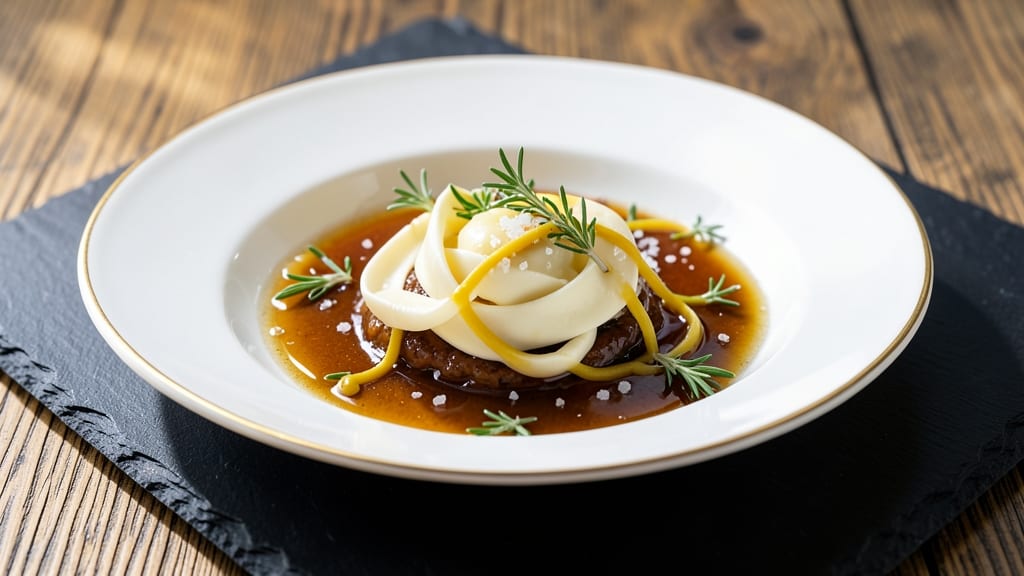
This Armagnac sauce recipe transforms simple roasted meats into restaurant-worthy centerpieces with just a few key ingredients and precise technique. The rich, brandied glaze cuts through fatty proteins while adding depth that store-bought sauces can't match.
I developed this version after years of experimenting with French reductions, and it consistently delivers that perfect balance of sweetness, acidity, and umami that makes diners ask for seconds.
The foundation of great Armagnac sauce lies in proper reduction—simmering until the sauce thickens to a glossy consistency that clings beautifully to meat. We'll build flavor through a classic combination of brandy, butter, stock, and sugar, with a touch of Dijon mustard for complexity.
What sets this sauce apart is the way the Armagnac's caramel notes develop during cooking, creating layers of flavor that elevate even the simplest roasted chicken or duck.
By the time you're finished, you'll have a velvety sauce that's rich enough for holiday dinners but simple enough for weeknight meals. The sauce pairs exceptionally well with duck, pork, or even roasted vegetables, where its brandied depth shines.
Better yet, it keeps beautifully in the refrigerator for up to 5 days, making it perfect for meal prep.
This sauce isn't just about flavor—it's about transformation. A simple roast becomes a showstopper when drizzled with this glaze, and the process itself is surprisingly straightforward once you understand the key techniques. Let's get started on creating your signature sauce that will impress even the most discerning guests.
Ingredients for armagnac sauce
Nine ingredients transform ordinary roasted meats into restaurant-quality masterpieces with this velvety brandied glaze.
| Ingredient | Amount | Notes |
|---|---|---|
| Armagnac Brandy 🍷 | ½ cup | High-quality, 40% ABV minimum |
| Unsalted Butter 🧈 | ½ cup | Cold, cubed for reduction |
| Vegetable Stock 💧 | 1 cup | Homemade preferred, low-sodium |
| Granulated Sugar 🍚 | 2 tbsp | Light brown for caramel depth |
| Dijon Mustard 🌶️ | 1 tbsp | High-quality, smooth texture |
| Fresh Thyme Leaves 🌿 | 1 tsp | Dried works at half amount |
| Fresh Parsley Leaves 🌿 | 1 tbsp | Chopped finely for garnish |
| Black Peppercorns 🌶️ | ¼ tsp | Freshly cracked for intensity |
| Salt 🧂 | ½ tsp | Diamond Crystal preferred |
The Armagnac makes or breaks this sauce—look for a high-quality brand like Janneau or Duponay at specialty liquor stores or well-stocked grocery chains like Whole Foods or Trader Joe's. The butter should be cold when you start, as it emulsifies beautifully during reduction. For the stock, homemade is ideal, but low-sodium store-bought works in a pinch. That said, if your stock tastes salty, dilute it with water. The Dijon mustard adds complexity, so Grain's or Maille are worth the splurge—they're the difference between good and extraordinary.
No Armagnac? Cognac or brandy at the same proof works, though the flavor profile will differ slightly. Running short on butter? Olive oil at half the amount keeps the sauce rich, though it won't emulsify as beautifully. Fresh herbs are ideal, but dried thyme at one-third the amount gets you close. The sugar helps balance acidity, but if you're watching carbs, reduce to 1 tbsp—the sauce will still shine. For a deeper flavor, toast the black peppercorns in a dry pan for 30 seconds before grinding them.
This sauce keeps beautifully in the fridge for 5 days—the flavors actually deepen over time. To reheat, warm gently on the stove with a splash of water or stock. For longer storage, freeze in 1-tablespoon portions in ice cube trays, then transfer to a freezer bag. Thaw overnight in the fridge before reheating. A little goes a long way—start with 1 tbsp per serving and adjust to taste. The sauce pairs perfectly with duck, pork, or even roasted vegetables where its brandied richness shines.
Why You'll Love This Recipe
- Here’s what sold me: the way the Armagnac deepens as it simmers, turning sweet and nutty while the Dijon mustard cuts through the richness. A spoonful makes me think of bistro tables in Bordeaux—except my kitchen table works just fine.
- Pantry Magic: I’ll bet you’ve got everything already—no fancy shopping required. That bottle of Armagnac gathering dust? Now it’s the star. Just melt butter, whisk in stock and sugar, then let the brandy do its rich, caramelized work. No chopping, no stress, just boom—sauce in 15 minutes.
- Rich Without Effort: Here’s what sold me: the way the Armagnac deepens as it simmers, turning sweet and nutty while the Dijon mustard cuts through the richness. A spoonful makes me think of bistro tables in Bordeaux—except my kitchen table works just fine.
- Game for Any Meal: This sauce is my secret weapon for roasted chicken, mashed potatoes, or even drizzled over toasted baguette slices. Honestly, I’ve used it to dress up a simple can of beans when I was tired. The brandy’s warmth makes everything feel special, no matter what’s on the plate.
Step-by-step instructions for Armagnac sauce
Here's how to craft this luxurious brandied glaze that elevates roasted meats to restaurant-worthy perfection.
Build the Base with Butter and Sugar
In a medium saucepan, melt the 0.5 cup unsalted butter over medium-low heat, stirring constantly until completely liquid. Add the 2 tablespoons granulated sugar and 0.5 teaspoon salt, whisking until the sugar dissolves completely—this creates a smooth foundation for your sauce. You'll notice the butter foam subsides as it melts, leaving you with a clear, golden liquid.
Here's the thing—don't rush this step. Cook the butter-sugar mixture for 3-4 minutes until it develops a nutty aroma and begins to lightly caramelize at the edges. This gentle cooking deepens the flavor profile and prepares the base for the brandy reduction. Keep the heat at medium-low to prevent burning while still achieving that rich, toasted character.
Deglaze with Armagnac and Reduce
Carefully pour in the 0.5 cup armagnac brandy, immediately turning up the heat to medium-high. The alcohol will ignite briefly—this is normal and expected. Once the flames subside, continue cooking until the liquid reduces by about half, which should take 4-5 minutes. You'll smell the brandy's complex aromas intensify as it concentrates.
I always use a high-quality armagnac for this recipe—look for at least 40% ABV to ensure proper reduction and maximum flavor impact. The sauce should now have a glossy sheen and slightly syrupy consistency. If you notice any browned bits forming on the bottom of the pan, use a wooden spoon to scrape them up—they're packed with deep, caramelized flavor that will enrich your sauce.
Incorporate Stock and Mustard
Pour in the 1 cup vegetable stock and bring to a gentle simmer over medium heat. Stir in the 1 tablespoon Dijon mustard, whisking until fully incorporated. The mustard adds a subtle tang that balances the sauce's richness. Let the mixture simmer for 5-6 minutes, stirring occasionally, until it reduces by about one-third and thickens slightly.
This reduction step is crucial—it concentrates the flavors and creates that perfect glaze consistency. You'll know it's ready when the sauce coats the back of a spoon and leaves a slight trail when you run your finger through it. If it's reducing too quickly, lower the heat slightly to maintain control. The sauce should remain glossy and fluid, not thick and pasty.
Finish with Aromatics and Pepper
Remove the saucepan from heat and stir in the 1 teaspoon fresh thyme leaves and 0.25 teaspoon freshly cracked black peppercorns. Let the mixture steep off the heat for 2-3 minutes to infuse the flavors. Then, strain the sauce through a fine-mesh sieve into a clean saucepan, pressing gently on the solids to extract maximum flavor. Discard the thyme and peppercorns.
Return the strained sauce to low heat and let it gently warm through. The final step is to taste and adjust seasoning—add a pinch more salt if needed, or a touch more Dijon mustard for additional depth. The sauce should have a perfect balance: sweet from the caramelized sugar, rich from the butter, and bright from the brandy and mustard. For the finishing touch, stir in the 1 tablespoon chopped fresh parsley leaves just before serving.
Perfect the Glaze Consistency
If your sauce is too thick, thin it with 1-2 tablespoons hot water at a time until it reaches a glossy, pourable consistency that will beautifully coat your roasted meats. For extra richness, you can whisk in an additional 1 tablespoon cold butter at the end. The sauce should be thick enough to cling to meat but still flow gracefully when spooned.
Here's where it gets fun—this sauce tastes even better after resting. Let it sit at room temperature for 10-15 minutes before using. This allows the flavors to meld completely and gives you time to finish your roasted meat. When ready to serve, simply reheat gently over low heat, stirring occasionally, until warmed through. The result is a luxurious, brandy-infused glaze that transforms simple roasted meats into an elegant centerpiece.
Pro Tips For Making Armagnac Sauce
- Reduce the Armagnac Slowly: Pour it in a steady stream while stirring constantly—don’t dump it all at once or you’ll end up with a boozy fume instead of a rich reduction. I learned this the hard way when my sauce tasted like a shot glass instead of a sauce.
- Use Cold Butter: Cut the unsalted butter into chunks and add it off the heat—this keeps the sauce from breaking or separating. Cold butter also emulsifies better, so your sauce stays silky instead of grainy.
- Skip the Sugar Rush: The sugar isn’t just for sweetness—it helps balance the acidity of the Dijon and deepens the caramel notes. But don’t add it all at once; sprinkle it in while the stock simmers to avoid a cloying, syrupy mess.
- Strain It Twice: First strain through a fine-mesh sieve to catch any butter lumps, then strain again through cheesecloth for a velvety finish. Yes, it’s extra work, but the difference in texture is worth it—especially when you’re serving it over something delicate like duck or fish.
Make-ahead tips for leftovers
Prep Ahead Strategy
Make this sauce up to 3 days in advance—its flavors actually deepen as the brandy mellows and the butter emulsifies further. I like to prepare it the day before a dinner party so it can rest in the refrigerator, developing that perfect balance of sweetness and depth.
Store it in an airtight glass jar (like a Le Parfait brand) to preserve its glossy texture and prevent absorption of fridge odors. 💫
Freezer-Friendly Method
For longer storage, freeze the sauce in 1-tablespoon portions using ice cube trays. Once frozen solid, transfer the cubes to a ziplock freezer bag with all air squeezed out to prevent freezer burn.
These individual portions thaw in 10 minutes under warm running water or overnight in the fridge—ideal for quick weeknight meals. The sauce's consistency remains perfect after freezing, though you may need to whisk in a splash of water or stock when reheating.
Dual-Purpose Prep
Double the recipe and divide it into two 8-ounce glass jars—one for immediate use and one for freezing. This way, you always have a backup sauce ready for spontaneous dinner guests. The sauce keeps its rich, velvety texture even after reheating, making it perfect for last-minute meal prep.
Just reheat gently over low heat with a splash of stock or water to restore its glossy finish.
Make-Ahead Meal Pairings
Pair this prepped sauce with duck confit or pork tenderloin that you can roast alongside. Cook the meat to medium-rare (130°F internal temp) and let it rest while you warm the sauce. The brandy's caramel notes complement the meat's natural richness beautifully.
For a complete meal prep, store the sauce and meat separately in the fridge—reheat the meat in a 375°F oven for 10-15 minutes while warming the sauce on the stovetop. ✨
Sauce Thickness Adjustments
If you find the sauce too thick after refrigeration, thin it with 1 tablespoon hot water or stock at a time while reheating. For extra richness, whisk in 1 tablespoon cold butter just before serving. The sauce should coat the back of a spoon but still flow gracefully.
I often test this by spooning a little onto a chilled plate—if it spreads too thin, add another tablespoon of butter. This adjustment ensures the perfect glaze consistency every time. 🔥
Garnish Prep Ahead
Chop the fresh parsley and store it in a small airtight container in the refrigerator for up to 5 days. Keep the black peppercorns whole until ready to use, and toast them fresh before cracking for maximum flavor.
The thyme leaves can be stored in the fridge for 3 days or frozen in a coffee ice cube tray with a splash of water—this preserves their freshness for up to 3 months. Add these garnishes just before serving to maintain their vibrant flavors. 🌿
Nutrition facts
Frequently asked questions
Can I substitute Armagnac with another brandy?
Yes, you can use Cognac or brandy at the same 40% ABV strength—just know the flavor profile will differ slightly. Armagnac's earthier, caramel notes make this sauce special, but good-quality Cognac (like Remy Martin) works well in a pinch. For a budget option, Everclear or high-proof vodka can work, but you'll lose the brandy's depth. Always use 0.5 cup total liquid.
Why did my sauce turn out too thick?
This usually happens from over-reducing or using too much butter. To fix it, whisk in 1 tablespoon hot water or stock at a time until you reach a glossy, pourable consistency. For extra richness, add 1 tablespoon cold butter at the end—this restores body without thickening. The ideal texture should coat the back of a spoon but still flow gracefully when spooned.
What's the best way to reheat leftover sauce?
Gently reheat over low heat with a splash of water or stock to restore its glossy finish. Never boil or microwave, as this can break the butter emulsion and make it grainy. For frozen portions, thaw in the fridge overnight or under warm water for 10 minutes, then reheat gently. The sauce tastes even better after resting for 10-15 minutes before serving.
Can I use this sauce for vegetables or desserts?
While this sauce excels with duck, pork, or roasted vegetables, it's not ideal for desserts—its savory-sweet balance works best with protein. For veggies, try drizzling it over roasted Brussels sprouts, mushrooms, or asparagus where its brandied richness shines. For dessert pairings, consider a lighter brandy reduction with fruit compotes instead. The sauce's 1-tablespoon portions work perfectly for individual servings.
How do I store this sauce for maximum flavor?
Store in an airtight glass jar in the fridge for up to 5 days—flavors actually deepen as the brandy mellows. For longer storage, freeze in 1-tablespoon portions using ice cube trays. The sauce keeps its rich texture after freezing, though you may need to whisk in a splash of water when reheating. Always reheat gently over low heat to preserve its velvety consistency.