
Sauces & Condiments
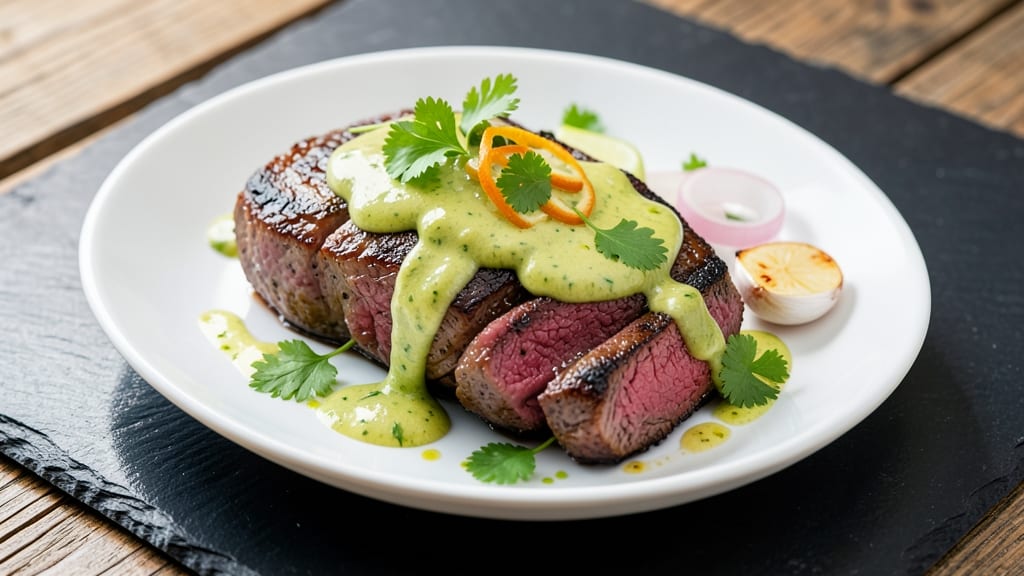
This avocado steak sauce recipe transforms simple ingredients into a velvety, herb-infused swirl that elevates every bite of grilled meat. The secret lies in blending ripe avocados with tangy lime and fresh herbs, creating a sauce that's creamy yet bright—perfect for cutting through rich steak flavors.
What sets this apart is the balance of textures: smooth avocado base meets fresh herbs for a complex, restaurant-worthy finish.
The foundation is simple: avocados provide natural creaminess without dairy, while lime juice adds zing and fresh herbs (cilantro, parsley) bring vibrant freshness. A touch of garlic and shallot deepens the flavor profile, ensuring every spoonful delivers layers of taste.
The sauce is foolproof—no cooking required, just blend and serve, making it ideal for busy weeknights or special occasions.
What makes this sauce truly special is its versatility. Use it as a finishing drizzle on grilled steak, a dip for fries, or a spread for sandwiches. The creamy texture clings beautifully to meat, while the herb notes keep it from feeling heavy.
Best of all, it stays fresh in the fridge for up to 3 days, ready to transform any dish with minimal effort.
For extra depth, try adding a dash of hot sauce or smoked paprika for a spicy kick, or swap in Greek yogurt for a lighter version. The possibilities are endless, but the base recipe remains the same: creamy, bright, and impossible to resist. Let's get blending!
Ingredients for avocado sauce recipe for steak
Simple ingredients blend into a velvety sauce that transforms grilled steak into a restaurant-worthy experience.
| Ingredient | Amount | Notes |
|---|---|---|
| Ripe Avocados 🥑 | 2 whole | Pitted, flesh scooped |
| Fresh Cilantro 🌿 | ½ cup | Stems removed, loosely packed |
| Fresh Parsley 🌿 | ¼ cup | Flat-leaf variety preferred |
| Garlic Cloves 🧄 | 3 cloves | Peeled, roughly chopped |
| Shallots 🧅 | 2 whole | Peeled, roughly chopped |
| Lime Juice 🍋 | 2 tbsp | Freshly squeezed |
| Extra-Virgin Olive Oil 🫒 | ½ cup | High-quality, fruity |
| Salt 🧂 | ½ tsp | Kosher or sea salt |
| Black Pepper 🌶️ | ¼ tsp | Freshly ground preferred |
| Water 💧 | 2 tbsp | For blending consistency |
Avocados are the heart of this sauce—ripe but firm ones blend smoothly without turning mushy. Whole Foods or local markets often have the best selection, but any grocery store avocados work if they yield slightly to gentle pressure. Shallots add subtle sweetness; Trader Joe's sells pre-minced ones in a jar if you're short on time. Fresh herbs are non-negotiable here—their bright flavors cut through the richness. If you can't find fresh parsley, cilantro alone works, but the texture suffers slightly. For extra depth, Penzeys carries high-quality spices to complement the blend.
No fresh herbs? Dried cilantro or parsley at one-third the amount works in a pinch, though texture will differ. Swap lime juice for lemon juice at equal parts, but expect a slightly different brightness. The olive oil should be extra-virgin—cheaper oils can taste bitter. Need a lighter version? Replace half the avocado with Greek yogurt or silken tofu. For heat, add hot sauce or smoked paprika to taste. The water in the recipe isn't optional—it helps create that perfect silky texture without making the sauce watery.
This sauce keeps beautifully in an airtight container in the fridge for 3 days, though flavor peaks within the first 24 hours. For longer storage, freeze in ice cube trays—thaw and blend briefly before use. The olive oil layer will separate; just stir before serving. Portion into small containers for easy grab-and-go use on steak nights. If making ahead, add lime juice just before serving to prevent browning.
Why You'll Love This Recipe
- No-Fuss Blender Magic: I swear by this—just toss avocados, garlic, and shallots in the blender, hit pulse, and boom. No straining, no simmering, no mess. The cilantro and parsley blend right in, leaving you with smooth, vibrant sauce in under five minutes.
- Steak’s New Best Friend: That first bite of perfectly seared steak with this sauce? The creamy avocado cuts through the richness while the garlic and shallots add a punch. It’s the kind of flavor that makes you reach for a second slice without thinking.
- Weeknight to Weekend: Use it on grilled steak, tacos, or even as a dip for chips—it’s my go-to for everything. Honestly, I’ve even drizzled it over scrambled eggs when I’m lazy. The versatility keeps it exciting without extra effort.
- Budget-Smart Luxury: Avocados are pricey, but one ripe fruit stretches across multiple meals. I’ll make a big batch, store it in the fridge, and use it for days. It’s fancy enough for date night but cheap enough to make twice a week. Win-win.
Step-by-step instructions for avocado steak sauce
This sauce delivers velvety creaminess with vibrant herb notes—perfect for drizzling over grilled steaks.
Prepare the Base Ingredients
Start by scooping the flesh from the 2 whole ripe avocados into a food processor. I like to use a spoon to remove all the flesh, leaving the skins behind—they're too fibrous for this sauce. Add the peeled and roughly chopped 3 cloves garlic, the peeled and roughly chopped 2 whole shallots, and the 2 tablespoons lime juice. These ingredients form the flavor foundation, so don't skip the chopping step—it helps release more flavor during blending.
Next, add the 0.5 cup fresh cilantro and 0.25 cup fresh parsley. I always use flat-leaf parsley for this recipe as it has a slightly more robust flavor. Pulse these ingredients together briefly—just until they're combined but not completely minced. This ensures you still get some texture in the final sauce, which balances the creaminess beautifully.
Blend with Olive Oil and Seasonings
With the food processor running, slowly drizzle in the 0.5 cup extra-virgin olive oil. This is where the sauce starts to come together—you'll see it immediately begin to emulsify into a thick, creamy consistency. I recommend adding the oil slowly to prevent splattering and to give the sauce time to properly incorporate.
Add the 0.5 teaspoon salt and 0.25 teaspoon black pepper to the processor. Pulse once more to distribute the seasonings evenly. At this point, you should have a thick, chunky mixture that's ready for the final blending step. The sauce should smell vibrant and fresh—like a mix of citrus, herbs, and avocado.
Create the Perfect Creamy Texture
Add the 2 tablespoons water to the food processor. This small amount is crucial—it helps thin the sauce just enough to create that signature silky, drizzling consistency without making it too thin. Blend until completely smooth, scraping down the sides of the processor bowl as needed to ensure all the ingredients are fully incorporated.
The sauce should now be perfectly creamy with a velvety texture that's ideal for drizzling over steaks. If it's too thick, add another 1 tablespoon water at a time until you reach your desired consistency. The final sauce should coat the back of a spoon smoothly and have a beautiful, vibrant green color from the herbs and avocado.
Adjust and Serve Immediately
Taste the sauce and adjust the seasoning if needed. I often find that a touch more lime juice brightens the flavors, or sometimes an extra pinch of salt enhances the overall taste. Remember, this sauce is best served immediately after preparation—it doesn't keep well once blended due to the avocado's natural oils.
Transfer the sauce to a serving bowl or small pitcher. The creamy texture and herbaceous notes make it an excellent complement to grilled steaks, particularly when served warm. For best results, drizzle it over freshly cooked steaks while they're still sizzling hot—this creates a beautiful contrast between the warm meat and cool sauce.
Pro Tips For Making Avocado Sauce Recipe For Steak
- Sauté Shallots Low: Shallots burn faster than onions, and nobody wants bitter sauce. Cook them on medium-low heat with a splash of water—just enough to keep them soft and sweet without color. I learned this the hard way after turning a batch into a charred disaster.
- Pit Avocados Fast: Use a butter knife—no fancy tools needed. Stand the avocado upright, rotate the knife around the pit, then twist it out. No more struggling with spoons or bruised hands. (Yes, even if you’re impatient like me.)
- Blend in Stages: Start with half the herbs and garlic, pulse until smooth, then add the rest. This way, you avoid a clumpy mess and can adjust the flavor without overpowering the avocado. I skip this and end up with a chunky disaster—don’t repeat my mistake.
- Finish with Lemon: A squeeze of fresh lemon at the end brightens the sauce and cuts through the richness of the steak. Skip this, and the avocado turns dull. (Your future self will notice the difference.)
Essential equipment for this dish
Blender Essentials
You’ll need a food processor or high-speed blender—I use my Ninja BN601 for its powerful motor and sharp blades. Avoid cheap blenders; they struggle with avocado’s fibrous texture. For a smoother finish, a blender with a tamper (like the Vitamix) ensures no chunks remain.
If you’re short on time, a mini immersion blender works too, but pulse frequently to avoid overfilling. 💫
Measuring Tools
Precision matters here. Use a small kitchen scale for avocados (aim for 200g total flesh) to avoid guesswork. For herbs, a measuring spoon set ensures consistent amounts—0.5 cup cilantro loosely packed is about 15g.
A garlic press speeds up prep, but chopping with a knife releases more flavor. Store-bought minced shallots work in a pinch, but fresh is always better. 🧄
Storage Containers
Transfer the sauce to an airtight glass container (like Pyrex) for fridge storage. Glass prevents absorption of odors and keeps the sauce fresh for 3 days. For longer storage, use silicone ice cube trays—freeze in 1-tbsp portions, then transfer to a freezer bag.
Label with dates! Avoid plastic containers—they can react with the avocado’s oils over time. ❄️
Optional Upgrades
Want restaurant-quality results? Add a mortar and pestle to crush garlic and shallots before blending—this deepens their flavor. For a silky texture, strain the sauce through a fine-mesh sieve after blending.
A small whisk helps emulsify any separated oil if you make it ahead. For heat lovers, keep hot sauce or chili flakes on hand to customize. 🌶️
Cleanup Kit
Avocado stains are notorious! Keep citrus peels (like lime) and a soft sponge handy—they cut through grease effortlessly. A small bowl for discarding avocado pits saves cleanup time.
Wipe down your blender immediately with hot, soapy water to prevent residue buildup. Pro tip: Store your blender parts in a drying rack to avoid mildew. 🧼
Nutrition facts
Frequently asked questions
Can I make this avocado sauce ahead of time?
Freshness is key! While you can prep ingredients ahead, blend the sauce just before serving to preserve its vibrant color and texture. If storing, keep components separate (avocado flesh, herbs, lime juice) in an airtight container for up to 24 hours before blending. For longer prep, freeze the blended sauce in 1-tablespoon portions—thaw and whisk gently before use. The lime juice should always be added last to prevent browning.
What if my sauce turns brown or separates?
Brown color means oxidation—just stir in 1 teaspoon lemon juice to brighten it. For separation, whisk vigorously or blend briefly with 1 tablespoon water to re-emulsify. The olive oil may rise to the top; simply stir before serving. To prevent this, store in an airtight container and press plastic wrap directly on the surface.
Can I use this sauce on other proteins besides steak?
This creamy avocado sauce pairs beautifully with grilled chicken, shrimp skewers, or even roasted vegetables. The herbaceous notes complement seafood perfectly, while the richness works well with pork chops. For vegetarian dishes, try it on portobello mushrooms or as a dip for crudités. The lime and garlic flavors make it versatile across many dishes.
How do I adjust the texture for a thicker or thinner sauce?
For a thicker consistency, reduce the water by 1 tablespoon or add 1 ripe avocado (about 50g flesh). For a thinner sauce, increase water by 1 tablespoon increments while blending. The ideal texture should coat the back of a spoon smoothly. If too thick, a splash of milk or yogurt can help thin it without altering flavor.
What's the best way to store leftovers?
Transfer to an airtight glass container and press plastic wrap directly on the surface to minimize air exposure. Store in the fridge for up to 3 days. For longer storage, freeze in ice cube trays—thaw in the fridge overnight. The sauce may separate when refrigerated; simply stir or whisk before using. Avoid storing with metal utensils to prevent discoloration.