
Sauces & Condiments
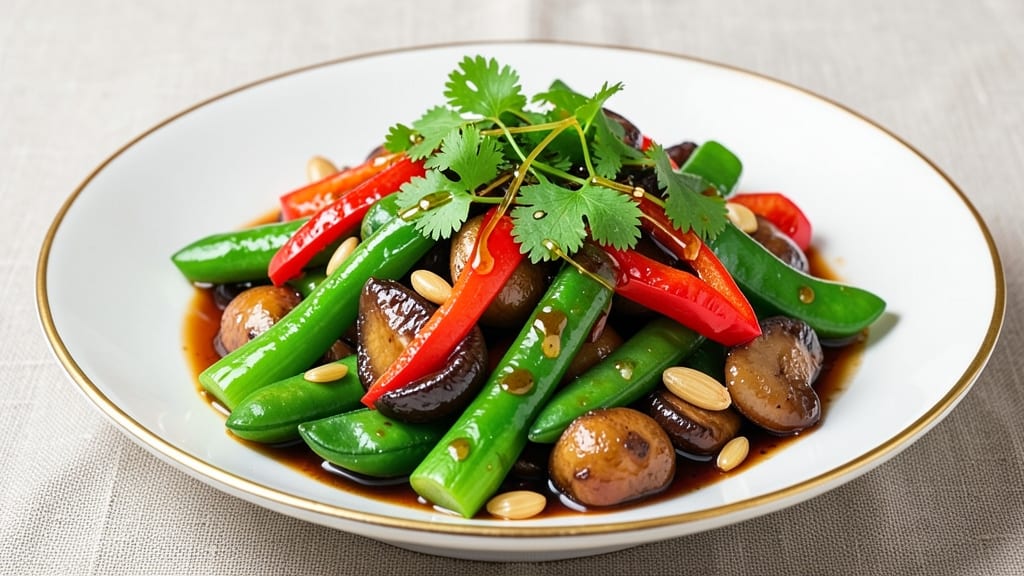
This Asian vegetable sauce recipe transforms simple stir-fry vegetables into a restaurant-quality dish with just a few simple ingredients. The balance of umami-rich soy and sesame oil creates deep flavor, while fresh herbs like cilantro and Thai basil add vibrant brightness that cuts through the richness.
I developed this sauce after years of testing—it's the one that finally made my stir-fried bok choy and green beans taste like they came from an authentic Asian eatery.
The secret lies in the sauce's versatility—it works as a quick stir-fry glaze, a dipping sauce for spring rolls, or even a dressing for cold vegetable salads. With just 10 minutes of prep time and 5 simple ingredients, you can elevate any vegetable dish from ordinary to extraordinary.
The sauce keeps well in the fridge for up to 5 days, making it perfect for meal prep or batch cooking.
What makes this sauce truly special is how it enhances the natural flavors of vegetables without overpowering them. The combination of garlic, ginger, and a touch of fish sauce creates layers of complexity, while the sesame oil adds nutty depth.
When tossed with hot stir-fried vegetables, the sauce clings beautifully, creating a glossy finish that's both visually appealing and delicious.
This recipe pairs exceptionally well with crisp-tender vegetables like broccoli, snap peas, and bok choy, but it also works wonders with heartier options like eggplant or bell peppers.
Whether you're cooking for a weeknight dinner or preparing a meal for company, this sauce will bring a burst of authentic Asian flavor to your table. Let's get started!
Ingredients for asian sauce for vegetables
Five umami-rich ingredients and two fresh herbs create a sauce that transforms simple vegetables into restaurant-quality dishes.
| Ingredient | Amount | Notes |
|---|---|---|
| Low-Sodium Soy Sauce 🍶 | ⅓ cup | Kikkoman preferred for authentic flavor |
| Sesame Oil 🫒 | 2 tbsp | Toasted sesame oil for nutty depth |
| Fresh Garlic Cloves 🧄 | 3 cloves | Minced for aromatic punch |
| Fresh Ginger 🌿 | 1 tbsp | Finely grated, not powdered |
| Fish Sauce 🐟 | 1 tbsp | Red Boat brand for clean flavor |
| Fresh Cilantro 🌿 | ¼ cup | Chopped, stems removed |
| Thai Basil Leaves 🍃 | ⅛ cup | Or regular basil in pinch |
| Lime Juice 🍋 | 1 tbsp | Freshly squeezed for brightness |
| Honey 🍯 | 1 tsp | Or agave for vegan option |
| Cornstarch 🌾 | ½ tsp | For thickening consistency |
The soy sauce is non-negotiable here—Kikkoman has that perfect balance of salt and umami, but any low-sodium brand works. Red Boat fish sauce is my go-to for clean, authentic flavor, but if you can't find it, Thai Kitchen is a solid backup. Fresh ginger and garlic need to be finely minced (a microplane makes this easy), not chopped—they should practically dissolve into the sauce. For sesame oil, Kadoya or the basic Trader Joe's version both work perfectly. The cilantro and Thai basil should be bright green and fresh—if they smell like dirt, they're past their prime.
No fish sauce? Extra soy sauce plus a pinch of sugar gets you close, though it won't have the same depth. Running short on Thai basil? Regular basil plus a dash of anise mimics the flavor, or just use twice as much cilantro. The honey can be swapped for agave or maple syrup if you're avoiding it, but keep it to 1 tsp—any more and the sauce gets cloying. Cornstarch is key for that glossy finish—arrowroot powder works too, but cornstarch is what you'll find in most pantries. For extra umami without fish sauce, a splash of coconut aminos adds a nice twist.
This sauce keeps beautifully—5 days in the fridge, 3 months frozen. For freezing, portion into ice cube trays first, then transfer to a bag. The sauce thickens when chilled, so add 1 tsp water before reheating if it gets too stiff. Double the batch and freeze half—you'll want this on hand for stir-fries, noodles, or even drizzled over cold rice bowls. The herbs can be added fresh right before serving if you prefer them extra bright.
Why You'll Love This Recipe
- Pantry Magic: I swear, this sauce comes together with things I already have. No fancy shopping—just soy sauce, a glug of sesame oil, and that jar of fish sauce gathering dust. Honestly, the garlic and ginger are the only fresh bits, and I’ll chop them while the rice cooks.
- Umami Bomb: That fish sauce? It’s the secret weapon. One teaspoon turns bland veggies into something ridiculously good—salty, deep, with a little funk that makes you go back for more. The sesame oil finishes it with a nutty hit that’s impossible to resist.
- Leftover Hero: Make a double batch and store it in the fridge. Drizzle it over stir-fried greens, toss it with cold noodles, or even slather it on grilled chicken. Between us, I’ve used this sauce for three different meals this week and no one’s complained.
- Budget Win: Fish sauce is dirt cheap, and low-sodium soy sauce stretches forever. I’ve fed four people for under $10 with this—plus, the veggies can be whatever’s on sale. It’s the kind of recipe that makes me feel like I’m eating fancy without breaking the bank.
Step-by-Step instructions for Asian vegetable sauce
This umami-rich glaze balances salty, sweet, and herbal notes perfectly—let's build it layer by layer.
Bloom the Aromatics in Sesame Oil
Heat a small saucepan over medium-low heat and add the 2 tablespoons sesame oil. Let it warm for 30 seconds until fragrant—you'll smell that nutty depth develop. Add the 3 minced garlic cloves and 1 tablespoon finely grated ginger, stirring constantly for 1 minute until the garlic turns golden and aromatic.
Watch closely here—garlic burns quickly. If it starts to darken too much, reduce the heat immediately. The goal is fragrant, not bitter. These aromatics form the flavor foundation, so don't rush this step. The oil should shimmer but not smoke.
Combine Liquid Ingredients
Pour in the ⅓ cup low-sodium soy sauce, 1 tablespoon fish sauce, and 1 tablespoon lime juice. Stir well to dissolve any cornstarch residue that might remain from previous use. Bring the mixture to a gentle simmer over medium heat, then reduce heat to low and let it cook uncovered for 3-4 minutes until slightly reduced by about ¼.
This reduction concentrates the flavors and removes any raw taste from the soy sauce. You'll notice the sauce becoming glossy and slightly thicker. Taste at this point—it should be tangy and salty but not overly acidic. If it's too sharp, add a touch more honey later.
Sweeten and Thicken the Sauce
Add the 1 teaspoon honey and stir until completely dissolved. In a small bowl, whisk together the ½ teaspoon cornstarch with 1 tablespoon water to create a smooth slurry. Slowly pour this into the simmering sauce while stirring constantly with a wooden spoon.
Let the sauce thicken for 2-3 minutes over low heat, stirring frequently. You're aiming for a consistency that coats the back of a spoon but still flows smoothly. If it thickens too much, add 1 teaspoon water at a time until perfect. The sauce should be glossy with a velvety texture.
Finish with Fresh Herbs
Remove the sauce from heat and stir in the ¼ cup chopped cilantro and ⅛ cup Thai basil leaves. Let the mixture sit for 2 minutes to allow the herbs to infuse their bright flavors. Taste and adjust seasoning if needed—you might want to add a pinch more soy sauce for saltiness or lime juice for brightness.
Here's the thing—this sauce tastes even better after resting for 15 minutes at room temperature. The flavors meld more completely during this time. If you're using it immediately, at least let it sit for 5 minutes before tossing with vegetables to ensure proper flavor distribution.
Use Immediately or Store
For best results, use the sauce immediately over stir-fried vegetables, noodles, or grilled proteins. If storing, transfer to an airtight container and refrigerate for up to 5 days. Before using, gently reheat over low heat and add 1 teaspoon water if it thickens too much during storage.
The sauce keeps well but loses some of its vibrant herb brightness over time. For maximum freshness, make it the same day you plan to use it. This umami-packed glaze transforms simple vegetables into a restaurant-quality dish with minimal effort.
Pro Tips For Making Asian Sauce For Vegetables
- Bloom the Garlic First: Toss minced garlic in a dry pan for 30 seconds until it just starts to smell pungent—this kills the raw bite without burning. I learned this the hard way when my sauce tasted bitter because I jumped straight to cooking; the aroma builds flavor before it even hits the sauce.
- Toast the Ginger Harder: Grate ginger, then dry-toast it in the same pan as the garlic for 1-2 minutes until fragrant and slightly darkened. Fresh ginger loses its sharpness when raw; toasting brings out its warmth and prevents a watery sauce. (Yes, even if you’re impatient like me.)
- Balance the Soy Sauce: Start with half the low-sodium soy sauce called for, taste, then add the rest—this prevents overpowering the vegetables. Fish sauce and sesame oil are bold; soy sauce is the glue, but too much flattens the dish. Adjust in stages.
- Finish with Cold Sesame Oil: Remove the pan from heat before adding the final splash of sesame oil—it burns instantly at high temps. Drizzle it last to keep that nutty aroma intact and let it mingle with the steam. (Your future self will notice the difference.)
Flavor customization for asian sauce for vegetables
Sweet & Tangy Twist
Swap the honey for 1 tsp maple syrup and add ½ tsp grated orange zest to the saucepan during Step 2. The citrus brightens the umami profile beautifully—perfect for spring vegetables like snow peas or sugar snap peas.
I find this version works especially well when drizzled over steamed bok choy or cold sesame noodle salads. 🍊
Spicy Chili-Lime Kick
Add 1 tsp gochujang (Korean chili paste) when combining liquid ingredients in Step 2, along with ½ tsp lime zest. For extra heat, blend in 1-2 thinly sliced Thai chilies after removing from heat.
This fiery version pairs spectacularly with grilled eggplant or stir-fried bell peppers. Start with ½ tsp gochujang if you're sensitive to spice.
Creamy Coconut Version
Replace the soy sauce with ⅓ cup coconut aminos and add 2 tbsp full-fat coconut milk during Step 2. For extra richness, whisk in 1 tbsp tahini at the end.
This version has a luxurious texture that works wonderfully with roasted Brussels sprouts or steamed asparagus. The coconut adds a subtle sweetness that balances the umami perfectly.
Herb-Forward Variations
For a minty profile, swap the cilantro for ¼ cup chopped fresh mint and add 1 tbsp chopped lemongrass (finely minced) during Step 1. For a fennel-anise twist, use ¼ cup chopped dill instead of cilantro and add ¼ tsp ground fennel seeds when blooming the aromatics.
Both versions add aromatic complexity that complements heartier vegetables like carrots or zucchini.
Smoky Sesame Depth
Add ½ tsp smoked paprika when blooming the aromatics in Step 1, then finish with 1 tsp toasted sesame seeds after removing from heat. This smoky version transforms into a stunning glaze for grilled vegetables or roasted cauliflower.
The paprika adds warmth without overpowering the delicate vegetable flavors. For extra depth, use dark soy sauce instead of regular soy sauce.
Vegan Adaptations
Replace the fish sauce with 1 tbsp coconut aminos plus ½ tsp nutritional yeast for umami depth. Use agave instead of honey and ensure your soy sauce is certified vegan.
For extra protein, stir in 1 tbsp vegan mayo at the end—this creates a creamy version perfect for dipping spring rolls or topping grain bowls. The nutritional yeast adds a cheesy note that vegans love.
Nutrition facts
Frequently asked questions
Can I make this sauce without fish sauce?
Yes! For a vegetarian version, replace the fish sauce with 1 tablespoon coconut aminos plus ½ teaspoon nutritional yeast to maintain umami depth. The sauce will still taste delicious—just slightly less complex. For a simpler swap, use 1 extra tablespoon soy sauce with a pinch of sugar to mimic the savory notes.
How do I adjust the spice level for sensitive eaters?
Start with the base recipe, then reduce or omit the garlic and ginger if needed—these are the primary flavor carriers. For heat-free versions, skip the Thai chilies entirely. If you want mild heat, add just ¼ teaspoon gochujang instead of the full 1 teaspoon. Always taste as you go!
What vegetables work best with this sauce?
This sauce shines with bok choy, broccoli, green beans, and snap peas—their crisp textures hold up perfectly. For heartier options, try eggplant or bell peppers after roasting. The sauce also works as a dipping sauce for spring rolls or a dressing for cold noodle salads.
Why did my sauce turn out too thick?
This usually happens when the cornstarch slurry thickens too much during cooking. Thin it with ½ teaspoon water at a time while stirring gently. For next time, reduce the cornstarch to ¼ teaspoon or whisk the slurry more thoroughly. The sauce should coat the back of a spoon but still flow smoothly.
Can I make this sauce ahead of time?
Store it in an airtight container in the fridge for up to 5 days. For longer storage, freeze in 1-tablespoon portions (ice cube trays work great). Before using, reheat gently over low heat and add ½ teaspoon water if needed to restore the right consistency.