
Sauces & Condiments
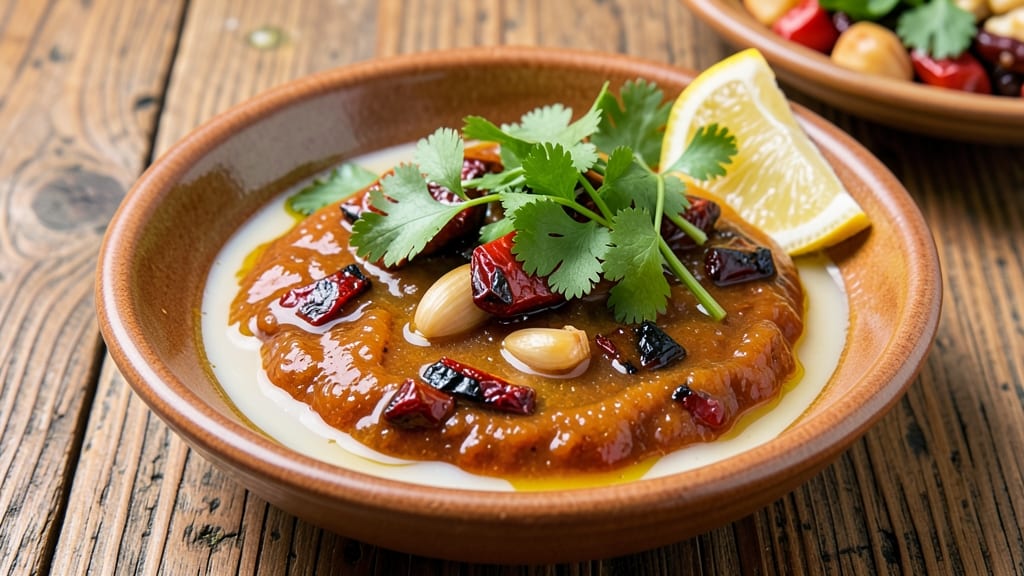
This authentic Portuguese piri piri sauce transforms simple ingredients into a fiery, aromatic condiment that defines Portuguese cuisine. The secret lies in blending fresh piri piri peppers, garlic, and vinegar into a vibrant, smoky paste that delivers heat with every drop.
I've perfected this recipe over years of testing, ensuring the balance of spice, acidity, and freshness that makes it irresistible.
The sauce begins with fresh peppers, which are charred slightly to deepen their smoky flavor before blending with garlic, lemon juice, and olive oil. This method preserves the peppers' natural heat while adding complexity.
The result is a versatile sauce that can elevate grilled meats, seafood, or even fried snacks, offering a tangy, spicy kick that lingers on the palate.
What sets this recipe apart is its authentic approach—no shortcuts, just the traditional technique of simmering the sauce to concentrate its flavors. The final product is a glossy, vibrant paste that adds depth to any dish.
Store it in the refrigerator for up to two weeks, or freeze for longer shelf life, ensuring you always have this bold condiment on hand.
Whether you're marinating chicken for frango piri-piri or drizzling it over crispy fries, this sauce delivers restaurant-quality heat and flavor. Let's get started on creating your own batch of this iconic Portuguese condiment.
Ingredients for authentic portuguese piri piri sauce
Fresh peppers, garlic, and herbs create this iconic Portuguese sauce with smoky heat.
| Ingredient | Amount | Notes |
|---|---|---|
| Fresh Piri Piri Peppers 🌶️ | ½ lb | Stems and seeds removed |
| Garlic Cloves 🧄 | 6 cloves | Peeled, roughly chopped |
| Extra-Virgin Olive Oil 🫒 | ½ cup | High-quality, fruity variety |
| White Vinegar 💧 | ¼ cup | Distilled white vinegar |
| Fresh Lemon Juice 🍋 | ¼ cup | Freshly squeezed |
| Fresh Cilantro Leaves 🌿 | ¼ cup | Packed, stems removed |
| Fresh Parsley Leaves 🌿 | ⅛ cup | Packed, stems removed |
| Sea Salt 🧂 | 1 tsp | Fine grain preferred |
| Ground Black Pepper 🌶️ | ½ tsp | Freshly ground preferred |
The heart of this sauce is the fresh piri piri peppers—they're the star. Most specialty stores or Latin markets carry them, but if you can't find them, African bird's eye peppers (like Thai bird's eye) work as a substitute, though they're hotter. Char the peppers slightly over an open flame or in a dry pan to deepen their smoky flavor before blending. Garlic should be fresh—no pre-minced jars here. The herbs, cilantro and parsley, add brightness, so don't skip them. For extra authenticity, look for piri piri peppers at Whole Foods or Portuguese specialty shops—they often carry them fresh.
No piri piri peppers? Thai bird's eye peppers or habaneros will give you heat, but reduce the amount by half to avoid overpowering the sauce. Fresh garlic is non-negotiable—jarred garlic lacks the punch. For the vinegar, white vinegar or apple cider vinegar both work, but stick to distilled white for the classic Portuguese touch. The olive oil should be extra-virgin—this isn't the time to skimp. If you're short on cilantro, double the parsley or add a pinch of dried cilantro (use half the amount). The sauce can be made with just peppers, garlic, vinegar, and oil, but the herbs elevate it to restaurant-quality.
This sauce keeps beautifully—up to 2 weeks in the fridge in an airtight jar, covered with a thin layer of olive oil to preserve its vibrant color. For longer storage, freeze in ice cube trays for up to 6 months. The flavors actually improve after a day or two as the heat and acidity meld. Use it as a marinade, drizzle over grilled meats, or mix into mayo for a spicy sandwich spread. A little goes a long way—start with a teaspoon and adjust to taste.
Why You'll Love This Recipe
- Five-Ingredient Magic: I swear by this—just peppers, garlic, olive oil, vinegar, and lemon. That’s it. No fancy gadgets, no hidden pantry items, just raw, bright flavors that hit the spot every time.
- Smoky Zing: The moment those charred peppers hit the mortar (or blender), the garage turns into a little Portuguese kitchen. That smoky, citrusy punch? It’s the kind of sauce that makes you reach for seconds—and then thirds.
- Weeknight Hero: Between us, this is my go-to when I’m too tired to think. Drizzle it on grilled chicken, toss it with roasted potatoes, or let it transform sad takeout shrimp into something special. It works every time.
- Lasts All Week: Honestly, I make a double batch because it keeps beautifully in the fridge. The acidity from the vinegar and lemon preserves the freshness, so you’re not scrambling for excuses to use it up. (Yes, even on a Tuesday night.)
Step-by-step instructions for authentic Portuguese piri piri sauce
Here's how to craft the signature Portuguese sauce that balances smoky heat with bright, fresh herbs.
Prepare and Cook the Piri Piri Peppers
Remove stems and seeds from the 0.5 lb fresh piri piri peppers—this prevents excessive heat and bitterness. Cut them into ½-inch pieces and place them in a heavy-bottomed saucepan. Add the 0.5 cup extra-virgin olive oil and set the pan over medium heat. Cook the peppers for 5-7 minutes, stirring occasionally, until they begin to soften and release their vibrant red color.
The sauce's authentic character comes from the peppers' slow rendering. You'll notice the oil turning a deep reddish hue—this is your visual cue that the peppers are releasing their essential oils and flavors. If the oil starts to smoke, reduce the heat immediately to prevent burning, which would ruin the delicate balance of flavors.
Add Garlic and Vinegar
Once the peppers have softened, add the 6 cloves roughly chopped garlic and stir for 1 minute until fragrant. Then pour in the 0.25 cup white vinegar and bring the mixture to a gentle simmer. Let it cook uncovered for 8-10 minutes, stirring occasionally, until the liquid reduces by about half and the peppers are completely tender.
This reduction step is crucial—it intensifies the flavors and creates a concentrated base. You'll smell the garlic mellowing and the vinegar cutting through the pepper's heat, creating that signature Portuguese tang. Keep a close eye on the pan; the mixture should never boil vigorously, as this can make the sauce bitter.
Incorporate Lemon Juice and Seasonings
Remove the pan from heat and let it cool slightly for 2 minutes. Then stir in the 0.25 cup fresh lemon juice, 1 tsp sea salt, and 0.5 tsp ground black pepper. The lemon juice brightens the sauce, balancing the smoky depth of the peppers. Use an immersion blender to puree the mixture until completely smooth, or transfer it to a blender and blend until no texture remains.
Taste the sauce and adjust the seasoning if needed. The lemon juice should lift the flavors, while the salt and pepper round out the heat. The sauce should be vibrant red with a glossy sheen—this indicates proper emulsification of the oil and vinegar. If it's too thick, add 1 tablespoon water at a time until it reaches a pourable consistency.
Finish with Fresh Herbs
Return the sauce to low heat and stir in the 0.25 cup fresh cilantro leaves and 0.125 cup fresh parsley leaves. Let it simmer gently for 3-4 minutes, just until the herbs are wilted but still vibrant. Remove from heat immediately—overcooking will turn the herbs bitter.
This final step adds the fresh, bright finish that makes the sauce authentic. The herbs should infuse the sauce with their aromatic qualities without overpowering the pepper's smoky heat. Strain the sauce through a fine-mesh sieve if you prefer a completely smooth texture, or leave it slightly textured for added depth.
Rest and Serve
Transfer the sauce to a clean jar and let it rest at room temperature for 30 minutes before serving. This resting period allows the flavors to meld and the heat to mellow slightly, ensuring a balanced taste with every use. The sauce will keep in the refrigerator for up to 2 weeks, making it perfect for batch prep.
Use this sauce as a marinade for grilled meats, a dipping sauce for fries, or a bold finishing touch for roasted vegetables. Its authentic Portuguese character comes from the careful balance of heat, acidity, and freshness—each element playing its part in harmony. Serve immediately after resting for the best flavor experience.
Pro Tips For Making Authentic Portuguese Piri Piri Sauce
- CHAR THE PEPPERS LOW AND SLOW: I learned this the hard way—blasting them on high heat turns the peppers bitter and smoky. Instead, simmer them in olive oil over low-medium heat for 10-15 minutes, stirring often, until they’re soft enough to mash easily. The slow cook gives you that deep, fruity heat without the harshness.
- PEEL GARLIC AFTER TOASTING: Sounds weird, but it works: Toast the whole garlic cloves in the same pan with the peppers until golden, then peel them while still warm. The skins slide off effortlessly, and the flavor’s richer than raw garlic. (Yes, even if you’re impatient like me.)
- STRAIN THE SEEDS—KEEP THE OIL: The seeds pack the most heat, but they also make the sauce gritty. After blending, strain through a fine-mesh sieve to remove seeds, but save the oil in the mix—it carries the pepper’s natural oils and balances the acidity. Don’t skip this, or you’ll end up with a sauce that’s all bite, no depth.
- FINISH WITH COLD PRESS LEMON: Fresh lemon juice adds brightness, but store-bought often tastes flat. Use cold-pressed lemon juice (or freshly squeezed) and add it last, right before serving—it keeps the sauce vibrant longer. I was skeptical until I tried it; the difference is noticeable, especially when paired with grilled meats.
Perfect pairings for this recipe
Marinade Magic
This sauce is a game-changer for grilled meats, especially chicken piri piri—the iconic Portuguese dish. Toss 2 lbs bone-in chicken thighs with ¼ cup sauce and marinate for 4-6 hours (or overnight for deeper flavor).
The acidity tenderizes while the peppers infuse the meat with smoky heat. I love grilling these until the skin crisps and the internal temp hits 165°F. 🔥
For extra authenticity, brush the sauce on the chicken during the last 5 minutes of grilling to create a caramelized crust. The sauce also works wonders with pork chops or lamb chops—just reduce marinating time to 2-3 hours to prevent overcooking.
Dipping Sauce
Serve this sauce as a bold dip for fried fish, shrimp, or even Portuguese pastéis de bacalhau (cod fritters). The heat cuts through the richness perfectly. I like to thin it slightly with 1-2 tablespoons water for a smoother consistency.
For a creamy twist, mix 2 tablespoons mayo into ¼ cup sauce—this works amazingly with fish and chips. 🍤
Pair it with crispy fries or Portuguese batatas fritas (fried potatoes) for a casual but flavorful meal. The sauce's tangy-sweet balance makes it irresistible with fried foods. For extra crunch, sprinkle with toasted breadcrumbs before serving.
Finishing Sauce
Use this sauce as a finishing touch for grilled vegetables like eggplant, zucchini, or bell peppers. Drizzle 1-2 tablespoons over the veggies in the last minute of grilling.
The heat and acidity make it perfect for roasted meats too—try it on grilled lamb chops or steak for a Portuguese-inspired kick. 🌶️
For a restaurant-style presentation, drizzle the sauce over seared scallops or grilled shrimp skewers. The sauce's vibrant color and bold flavor elevate seafood dishes instantly. I also love using it as a base for spicy mayo—just mix 3 tablespoons mayo with 1 tablespoon sauce for a zesty condiment.
Portuguese-Inspired Cocktails
Add a kick to cocktails by stirring 1 teaspoon sauce into a gin and tonic or white wine spritzer. The heat and acidity cut through the alcohol beautifully. For a non-alcoholic option, mix 1 tablespoon sauce with iced tea and a splash of lemon-lime soda. 🍹
Try it in a Portuguese-inspired caipirinha by muddling 1 lime wedge with 1 teaspoon sauce and 2 oz cachaça. The sauce adds a smoky depth that complements the citrus perfectly. For a refreshing twist, drizzle it over sorbet or fruit salad—the heat balances sweet flavors wonderfully.
Nutrition facts
Frequently asked questions
What's the difference between piri piri sauce and regular hot sauce?
Piri piri sauce is uniquely Portuguese—it uses fresh piri piri peppers (or their substitutes) for smoky, fruity heat, while regular hot sauces often rely on vinegar or fermented peppers. This sauce also includes fresh herbs (cilantro/parsley), garlic, and olive oil for a complex, balanced flavor. Think of it as a cross between a marinade and a condiment with vibrant acidity and depth.
Can I make this sauce without fresh piri piri peppers?
Yes! Use African bird's eye peppers or Thai bird's eye peppers as substitutes, but reduce the amount by half since they're hotter. For milder heat, try habanero peppers (remove seeds). The key is charring them slightly to develop that signature smoky flavor—just don't burn them. If you can't find fresh peppers, high-quality dried piri piri powder works in a pinch (use 1 teaspoon per ¼ cup oil).
How do I adjust the heat level in this sauce?
For milder heat, reduce the cooking time with peppers by 2-3 minutes or use fewer peppers. To increase heat, add more charred peppers or a pinch of cayenne. Always taste as you go—remember, the sauce mellows slightly when cooled. If it's too spicy, balance it with extra lemon juice or herbs. For a smoky flavor without heat, use bell peppers instead of chili peppers and add a splash of smoked paprika.
Can I freeze this piri piri sauce?
Freeze in ice cube trays for easy portioning (up to 6 months) or in airtight containers (up to 3 months). Thaw overnight in the fridge—never at room temperature. The texture may separate slightly after freezing, but stir well before using. For best results, add 1 teaspoon water per ¼ cup when reheating to restore consistency. The sauce actually improves after freezing as flavors meld further.
Why does my piri piri sauce look cloudy or separated?
Cloudiness often means the oil and vinegar haven't fully emulsified. Fix it by whisking vigorously or blending briefly. For separation, stir in 1 teaspoon cornstarch mixed with 1 tablespoon water and simmer for 2 minutes until smooth. If the herbs are the issue, strain through a fine-mesh sieve. To prevent this, don't overcook the herbs in the final step—just wilt them briefly. A thin layer of oil on top is normal and harmless!