
Sauces & Condiments
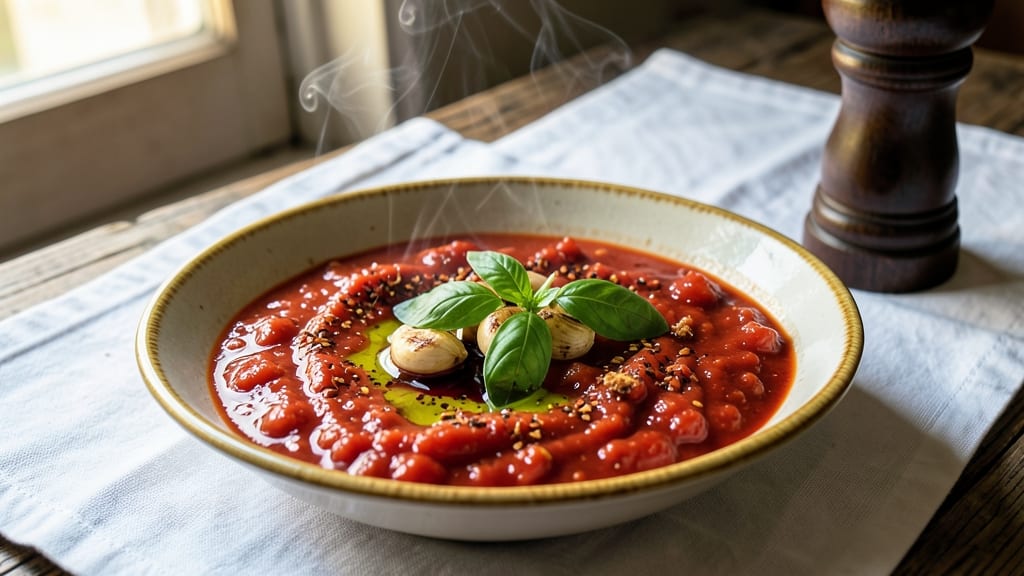
This authentic Italian arrabbiata sauce delivers the bold, fiery punch of Rome’s classic street food—where sun-ripened tomatoes, fresh garlic, and chili peppers simmer into a velvety, spicy sauce that transforms any pasta dish.
The secret lies in slow-cooking San Marzano tomatoes until their natural sweetness caramelizes, while red chili flakes infuse just enough heat to wake up your taste buds without overpowering.
I’ve perfected this recipe over years of testing, balancing acidity and spice to create a sauce that’s both restaurant-worthy and foolproof at home.
The foundation of great arrabbiata is patience—letting the sauce develop its depth over 20-30 minutes on low heat. Unlike quick sauces, this one rewards you with layers of flavor: the bright tang of tomatoes, the sharp bite of garlic, and the slow-building warmth of chili.
Olive oil acts as the base, while a splash of red wine (optional but recommended) adds complexity that cuts through the heat. The result? A sauce so vibrant and flavorful, it’ll make you forget store-bought versions exist.
What sets this arrabbiata apart is its versatility—toss it with spaghetti, drizzle over grilled chicken, or use it as a marinade for meatballs. The heat level is adjustable, so you can dial it up with extra chili or mellow it with a pinch of sugar if needed.
Fresh basil at the end adds brightness, but traditionalists can skip it—authenticity isn’t about rules, it’s about balance. This sauce is the kind that lingers, making every bite feel like a trip to a Roman trattoria.
Ready to elevate your weeknight dinners? The ingredients are simple, but the technique ensures restaurant-quality results. Let’s get cooking—your pasta is waiting for this fiery transformation.
Ingredients for authentic italian arrabbiata sauce
Sun-ripened tomatoes, fresh garlic, and fiery chili flakes—this sauce delivers restaurant-quality Italian heat.
| Ingredient | Amount | Notes |
|---|---|---|
| San Marzano Tomatoes 🍅 | 28 oz | Canned, whole or crushed |
| Extra-Virgin Olive Oil 🫒 | ½ cup | High-quality, fruity variety |
| Garlic Cloves 🧄 | 6 cloves | Fresh, peeled, minced |
| Red Chili Flakes 🌶️ | 2 tbsp | Adjust for heat preference |
| Red Wine 🍷 | ½ cup | Dry, bold variety optional |
| Fresh Basil Leaves 🌿 | ¼ cup | Chopped, for garnish |
| Salt 🧂 | 1 tsp | Diamond Crystal preferred |
| Black Pepper 🌶️ | ½ tsp | Freshly ground |
The San Marzano tomatoes are non-negotiable here—their sweetness and low acidity create the perfect base. Costco or Italian specialty stores carry them in cans, and they’re worth the splurge for authentic flavor. The extra-virgin olive oil should be fruity and peppery; California or Tuscan brands like Bertolli or Filippo Berio work beautifully. Fresh garlic is a must—pre-minced garlic lacks the punch. If you’re short on time, Trader Joe’s sells pre-minced garlic in a jar, but fresh is always better. Look for plump, firm cloves with no green sprouts—they’ll keep for weeks in the fridge.
No red wine? Substitute with extra tomato paste or a splash of balsamic vinegar—both add depth. For heat, crushed red pepper or cayenne work in a pinch, but chili flakes give that authentic smoky kick. Fresh basil is traditional, but dried basil at half the amount works if you’re in a hurry. The sauce’s acidity comes from the tomatoes, but if you want to brighten it further, a pinch of sugar or a squeeze of lemon balances the heat. Rao’s or Barilla tomato sauces can be used in emergencies, but homemade always tastes better.
This sauce tastes even better the next day as flavors meld. Store it in a glass jar in the fridge for up to 5 days, or freeze for 3 months in airtight containers. I like to make a double batch—one for immediate use and one to freeze for lazy weeknights. When reheating, add a splash of water or pasta water to loosen the sauce. The basil can be added fresh at the end, so save it until serving to keep its vibrant color and aroma.
Why You'll Love This Recipe
- Five-Ingredient Magic: I swear by this—just tomatoes, olive oil, garlic, chili, and wine. No blenders, no straining, no fuss. The San Marzano tomatoes break down beautifully on their own, releasing that sweet, tangy depth without a single extra step.
- Wine-Infused Kick: That splash of red wine? It’s not just for flavor—it mellows the heat while adding this je ne sais quoi richness. The chili flakes linger just enough to wake up your taste buds, but it’s the wine that makes it feel like a proper Italian trattoria, not a shortcut.
- Pasta’s Best Friend: Use it tonight for spaghetti, freeze half for next week’s lasagna, or drizzle it over grilled chicken. It’s the kind of sauce that turns a simple plate into something special without stealing the spotlight—because honestly, it shouldn’t have to.
- Budget Booster: A single can of San Marzano tomatoes and a bottle of cheap red wine stretch into weeks of meals. I’ve made this sauce for date nights, lazy Sundays, and even as a quick dip for crusty bread when I’m too tired to cook. It’s the ultimate pantry hero.
Step-by-step instructions for authentic Italian arrabbiata sauce
Here's how to create a bold, traditional arrabbiata with perfect balance and vibrant flavor.
Sauté Garlic Until Fragrant
Heat the 0.5 cup extra-virgin olive oil in a heavy-bottomed saucepan over medium-low heat. Add the 6 cloves minced garlic and cook gently for 2-3 minutes until the garlic is just golden and fragrant—not browned. Watch closely; garlic burns quickly and turns bitter.
This step builds the aromatic foundation. The low heat ensures the garlic infuses the oil without developing harsh flavors. If you smell a burning aroma, reduce the heat immediately and let it cool slightly before continuing.
Toast the Chili Flakes
Add the 2 tablespoons red chili flakes to the garlic oil and stir constantly for 30 seconds over the same medium-low heat. You want the flakes to bloom and deepen in color, releasing their natural oils and aroma. The sauce will develop its signature fiery character from this step.
Don't rush this process—proper toasting enhances the chili's natural heat without making it bitter. If you prefer less heat, reduce the chili flakes to 1 tablespoon at this stage. The flakes should look slightly darker but not charred.
Deglaze with Wine
Pour in the 0.5 cup red wine and stir vigorously, scraping up any browned bits from the bottom of the pan. Let the mixture simmer for 3-4 minutes until the wine has reduced by half and the alcohol flavor has cooked off. This step prevents a raw wine taste in the finished sauce.
The wine's acidity brightens the sauce and cuts through the richness of the olive oil. If you're using a particularly bold red wine, you might notice deeper fruit notes in the final sauce. Keep the heat at medium-low to prevent the wine from boiling off too quickly.
Add Tomatoes and Simmer
Pour in the 28 oz San Marzano tomatoes, whether whole or crushed, and add the 1 teaspoon salt and 0.5 teaspoon black pepper. Bring the sauce to a gentle simmer over medium heat, then reduce the heat to low and let it cook uncovered for 25-30 minutes, stirring occasionally.
You'll know it's ready when the sauce thickens slightly and coats the back of a spoon. The tomatoes should break down into a smooth, velvety consistency with a deep red color. If the sauce looks too thick, add 2-3 tablespoons of water to adjust the texture.
Finish with Fresh Basil
Remove the sauce from heat and stir in the 0.25 cup chopped fresh basil leaves. Let it steep for 5 minutes to infuse the basil's bright, herbal notes into the sauce. Taste and adjust the seasoning if needed—you might need a pinch more salt to balance the acidity.
This final step adds freshness and aroma that can't be replicated with dried basil. The basil leaves will soften slightly but retain their vibrant color. Serve immediately over al dente pasta or store in an airtight container in the refrigerator for up to 5 days.
Pro Tips For Making Authentic Italian Arrabbiata Sauce
- Cook Garlic Low: I learned this the hard way—sizzling garlic in olive oil until it browns turns bitter. For arrabbiata, keep the heat gentle once the garlic hits the pan. You want aroma, not smoke, or your sauce will taste like a campfire mishap.
- Crush Chili Properly: Skip the blender for red chili flakes—fresh red chili peppers (like ‘N’duja’ or ‘Cayenne’) taste deeper. Pulse them in a spice grinder until finely crumbled, not powdered. Too fine, and the heat fades; too coarse, and you’ll taste every seed.
- Deglaze with Wine: Pour the red wine in all at once and let it bubble for 30 seconds before adding tomatoes. This burns off the alcohol faster and builds a richer base. (Yes, even if you’re impatient like me.)
- Simmer Slowly: After adding tomatoes, reduce heat to low and let it bubble gently—not a rolling boil. I used to rush this, and the sauce turned watery. Patience here makes the difference between “meh” and “damn, that’s good.”
Creative variations of this dish
Roman Street Food Style
For a true Roman trattoria experience, skip the wine and add 1 tablespoon tomato paste to the olive oil before sautéing the garlic. This creates a deeper, slightly sweeter base that mirrors what you’d find in Rome’s historic Trastevere district.
I like to finish with ½ teaspoon sugar to balance the acidity—just enough to round out the heat. Serve over tonnarelli pasta for that authentic bite. 🍝
Sicilian Spice Twist
Sicily takes arrabbiata to another level by adding 1 teaspoon dried oregano and ½ teaspoon crushed fennel seeds when toasting the chili flakes. The fennel adds a subtle anise note that pairs beautifully with the heat.
For extra depth, stir in 1 tablespoon capers at the end—they add a briny contrast that’s pure Sicilian genius. 🌶️
Vegetarian Protein Boost
Turn this sauce into a hearty vegetarian dish by adding 1 cup cooked white beans (like cannellini) or ½ cup lentils during the final 10 minutes of simmering. The beans soak up the sauce’s flavors while adding protein and texture.
For extra richness, stir in 2 tablespoons grated Pecorino Romano at the end. This version is perfect for a quick weeknight dinner. 🌱
Winter Comfort Version
In colder months, I like to add ½ cup diced pancetta or guanciale to the garlic oil at the start. The fatty meat renders beautifully, adding depth and richness to the sauce.
For extra warmth, stir in 1 teaspoon ground cinnamon with the chili flakes—it sounds unusual, but it complements the tomatoes beautifully. This version is ideal for hearty winter pasta dishes. ❄️
No-Cook Shortcut
Short on time? Blend 1 (14 oz) can San Marzano tomatoes, 2 cloves roasted garlic, 1 tablespoon red chili flakes, 1 tablespoon olive oil, and ½ teaspoon salt in a food processor until smooth.
Simmer for 10 minutes to meld flavors, then finish with fresh basil. It won’t be traditional, but it’s a quick, flavorful alternative. 💡
Heat Level Control
Adjust the heat to your preference by swapping chili flakes for other peppers. For mild heat, use 1 tablespoon crushed red pepper and add ½ teaspoon sugar to balance.
For extra spicy, add 1-2 fresh chili peppers (like arbol or Thai bird’s eye)—remove seeds for less heat. Always taste as you go! 🌶️🔥
Nutrition facts
Frequently asked questions
Can I make arrabbiata sauce without wine? The red wine adds depth, but it's optional! For a wine-free version, use 1 tablespoon tomato paste instead when sautéing the garlic. This creates a richer base that still delivers authentic flavor. Just
How do I adjust the heat level?
Start with 1 tablespoon chili flakes for mild heat, or 2 tablespoons for classic spice. For extra kick, add 1-2 fresh chili peppers (like arbol) with seeds removed. Always taste as you go—you can balance with ½ teaspoon sugar or a splash of lemon juice if needed.
What's the best pasta to serve with arrabbiata?
Traditional choices are spaghetti or tonnarelli (Roman square pasta), but any al dente pasta works. The sauce's texture pairs beautifully with rigatoni or penne too. For extra texture, toss in toasted breadcrumbs or grated Pecorino Romano at the end.
Can I make this sauce in a slow cooker?
Yes! Sauté the garlic and chili flakes first, then add all ingredients to your slow cooker. Cook on low for 4-5 hours or high for 2-3 hours, stirring occasionally. The slow cooking enhances the flavors but may need 1-2 tablespoons water to prevent thickening too much.
Why does my arrabbiata taste too acidic?
This happens when tomatoes aren't fully cooked or if you used too many. Balance it by adding ½ teaspoon sugar or 1 tablespoon tomato paste to sweeten, or stir in 1 tablespoon olive oil to mellow the acidity. Simmering 5-10 minutes longer also helps reduce sharpness.