
Sauces & Condiments
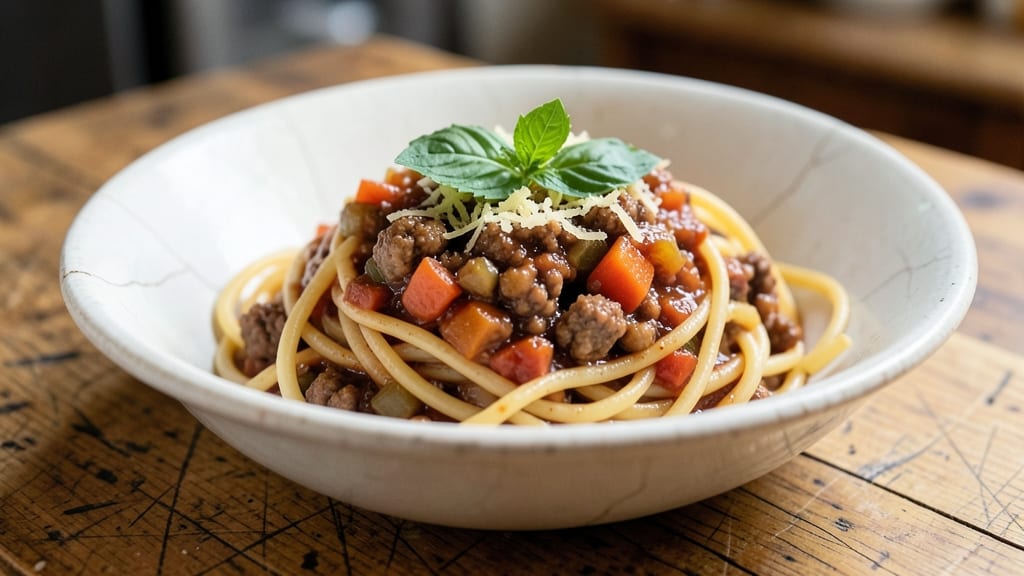
This authentic Italian spaghetti meat sauce recipe delivers the rich, slow-simmered flavors of a traditional Italian ragù—deep umami from browned meat, sweet-tart tomatoes, and aromatic herbs.
The secret lies in patient cooking: browning the meat thoroughly, deglazing the pan to capture every flavorful bit, and letting the sauce develop over hours, not minutes.
I’ve perfected this technique after years of testing, ensuring the sauce is never greasy, always balanced, and packed with the kind of depth you’d expect from a nonna’s kitchen.
The process begins with ground beef or a mix of beef and pork, seared until deeply browned—this step is non-negotiable for authentic flavor. A splash of red wine and a sprinkle of tomato paste form the base, while onions, carrots, and celery create a classic soffritto for natural sweetness.
The sauce simmers for at least 2 hours, allowing the meat to tenderize and the flavors to meld into something truly extraordinary. No shortcuts here, just the slow, deliberate cooking that makes this sauce unforgettable.
When you twirl that first forkful of al dente spaghetti through the sauce, you’ll taste the difference: a harmonious blend of meaty richness, bright tomato acidity, and earthy herbs. The sauce clings to the pasta perfectly, with just enough body to coat every bite without weighing it down.
This isn’t just a sauce—it’s a labor of love, the kind that turns a simple weeknight dinner into a celebration of Italian home cooking.
Serve it with freshly grated Parmesan, a sprinkle of fresh basil, and a glass of Chianti for the full experience. The leftovers? Even better the next day, as the flavors deepen and intensify. Let’s get cooking—this is the sauce that will have everyone asking for seconds.
Ingredients for authentic italian spaghetti meat sauce
Rich, slow-cooked flavors start with these quality ingredients—each playing a crucial role in the umami depth of authentic ragù.
| Ingredient | Amount | Notes |
|---|---|---|
| Ground Beef (80% lean, 20% fat) 🥩 | 1 ½ lb | Finely ground for even cooking |
| Ground Pork (optional) 🐖 | ½ lb | For extra richness and fat |
| Yellow Onion 🧅 | 1 whole | Finely diced, about 1.5 cups |
| Carrot 🥕 | 1 whole | Finely diced, about 0.5 cup |
| Celery Stalks 🥬 | 2 whole | Finely diced, about 0.5 cup |
| Garlic Cloves 🧄 | 4 cloves | Minced for aromatic depth |
| Dry Red Wine 🍷 | ½ cup | Bold variety like Cabernet Sauvignon |
| Tomato Paste 🍅 | 2 tbsp | High-quality, no sugar added |
| Canned San Marzano Tomatoes 🍅 | 28 oz | Crushed by hand, no salt added |
| Fresh Rosemary 🌿 | 1 tbsp | Chopped, or 1 tsp dried |
| Fresh Thyme 🌿 | 1 tbsp | Leaves only, or 1 tsp dried |
| Bay Leaves 🍃 | 2 whole | Fresh for best flavor |
| Extra-Virgin Olive Oil 🫒 | 2 tbsp | For searing and finishing |
| Kosher Salt 🧂 | 1 ½ tsp | Diamond Crystal preferred |
| Freshly Ground Black Pepper 🌶️ | ½ tsp | Freshly cracked for brightness |
| Spaghetti 🍝 | 12 oz | Al dente, about 1 lb |
| Fresh Basil Leaves 🌿 | ¼ cup | For garnish, torn by hand |
| Parmesan Cheese 🧀 | ½ cup | Freshly grated, aged 24+ months |
The meat is non-negotiable—ground beef (80/20) gives that classic ragù texture, but adding ground pork takes it to restaurant-level richness. Look for pre-ground beef at Whole Foods or your local butcher for the best marbling. If you're using a mix, Costco's bulk packs save money and ensure freshness. The San Marzano tomatoes are worth the splurge—none of that watery canned nonsense. For the herbs, fresh is ideal, but dried works at one-third the amount if you're in a pinch. The soffritto (onion, carrot, celery) should be finely diced—think confetti, not chunks.
No red wine? Beef broth with a splash of balsamic vinegar mimics the acidity and depth. Fresh rosemary and thyme can be swapped for dried at one-third the amount, but trust me—fresh transforms this sauce. The tomato paste? No sugar-added is key here. If you're using a squeeze tube, measure carefully—those little packets are your friend for portion control. For the spaghetti, De Cecco or Barilla are my go-tos—they hold up perfectly to the rich sauce. And that Parmesan? Only freshly grated—pre-shredded gets clumpy and loses flavor fast.
This sauce tastes even better the next day, which is why I always make a double batch. Store it in the fridge for up to 5 days or freeze portions for 3 months. The meat mixture can be prepped ahead and refrigerated for 24 hours before simmering. For serving, keep the sauce warm in a slow cooker on low heat—it’ll only get better as it sits. The basil and Parmesan should be added fresh at the table, because nothing beats that bright, herby finish.
Why You'll Love This Recipe
- No-Sweat Mise En Place: I swear by the onion-carrot-celery trio—just chop them once, toss them in a pot, and let them slow down into sweet, jammy goodness while you brown the meat. No fancy techniques, just a Dutch oven and 15 minutes of hands-off time.
- Meat That Sticks: That 20% fat in the beef? It’s non-negotiable. The pork, if you use it, adds richness, but honestly, the beef alone gives you that deep, savory base where every bite has that almost crispy edge from the browned bits. (Yes, I lick the spoon.)
- Weeknight to Potluck Hero: This sauce doubles easily—freeze half for a lazy Tuesday or bring it to a gathering where everyone else is stressing over fresh pasta. The flavors only get better the next day, so you’re basically winning twice.
- Budget That Feels Fancy: Ground beef and a handful of veggies? This is the kind of meal that costs less than takeout but tastes like you slaved over it. My kids don’t even notice the carrot in the mix—until I tease them about it, anyway.
Step-by-step instructions for authentic Italian spaghetti meat sauce
Let's build this rich, slow-simmered sauce that captures true Italian tradition.
Build the Soffritto Base
Heat the 2 tablespoons extra-virgin olive oil in a large Dutch oven over medium heat. Add the finely diced 1 whole yellow onion, 1 whole carrot, and 2 whole celery stalks (about 2.5 cups total). Cook for 8-10 minutes until the vegetables soften and the onion becomes translucent.
This is called soffritto - the aromatic foundation of Italian cooking. The vegetables should release their natural sweetness and melt into the oil. If they start to brown too quickly, reduce the heat slightly. The goal is to create a flavorful paste that will form the base of your sauce.
Brown the Meats and Aromatics
Push the vegetables to one side of the pot and add the 1.5 lb ground beef (80% lean, 20% fat) and 0.5 lb ground pork (optional). Break up the meat with a wooden spoon and cook for 8-10 minutes until it loses its raw color and begins to brown.
Once the meat is browned, add the 4 cloves minced garlic and cook for 30 seconds until fragrant. The pork adds wonderful richness, but if you're skipping it, just use the beef. Don't rush this step - proper browning develops deep, complex flavors that will carry through your entire sauce.
Deglaze and Incorporate Tomato
Pour in the 0.5 cup dry red wine and scrape up all the browned bits from the bottom of the pot with a wooden spoon. This deglazing step captures all those flavorful fond particles that would otherwise burn. Let the wine simmer for 3-4 minutes until it reduces by half.
Add the 2 tablespoons tomato paste and stir to combine completely. Then pour in the 28 oz crushed San Marzano tomatoes, breaking up any large chunks with your hands. Stir in the 1.5 teaspoons kosher salt, 0.5 teaspoon freshly ground black pepper, 1 tablespoon chopped fresh rosemary, 1 tablespoon fresh thyme leaves, and 2 whole bay leaves. Bring to a gentle simmer.
Slow-Simmer for Deep Flavor
Reduce the heat to low and let the sauce simmer uncovered for 2-2.5 hours, stirring occasionally. This long, slow cooking time allows the flavors to develop and meld together perfectly. You'll know it's ready when the sauce has thickened and coats the back of a spoon.
Here's the thing - don't be tempted to rush this step. The magic happens in this slow simmering process. The acidity from the tomatoes will mellow, the herbs will infuse their flavors, and the meat will become tender and rich. If the sauce gets too thick, add a splash of water or reserved pasta water to maintain the proper consistency.
Finish and Serve
Once the sauce is perfectly thickened, remove the 2 whole bay leaves and discard them. Taste and adjust seasoning if needed - you might want to add a pinch more salt or pepper to balance the flavors.
Cook the 12 oz spaghetti in salted boiling water until al dente, reserving 1 cup of pasta water. Toss the pasta with the sauce, adding reserved pasta water as needed to create a silky, clinging sauce. Serve immediately topped with 0.25 cup torn fresh basil leaves and 0.5 cup freshly grated Parmesan cheese. The aroma alone will make your kitchen smell like a Roman trattoria!
Pro Tips For Making Authentic Italian Spaghetti Meat Sauce
- CRUSH THE SOFFRITTO: Sweat the onions, carrots, and celery in a cold pan first—no oil yet. After 5 minutes, add 1 tablespoon of fat and let them cook slowly until the veggies are translucent but not browned. I learned this the hard way: rushing this step means the meat won’t develop that deep, caramelized base flavor that holds together in a week-old sauce.
- USE FAT, NOT OIL: Skip the olive oil for browning the meat—use the beef’s own fat (or pork fat if using). Heat the pan until a drop of water sizzles instantly, then break the meat in small batches. The fat renders faster and creates a richer, meatier sauce. Yes, it’s messier, but that crust on the bottom? That’s where the flavor lives.
- SALT THE MEAT BEFORE SEASONING: Toss the raw ground beef (and pork) with 1 teaspoon of salt before browning. This breaks down proteins and guarantees juicier meat that won’t turn to mush later. I was skeptical until I tried it—now I can’t imagine skipping it.
- SIMMER, DON’T BOIL: After adding tomatoes and herbs, reduce heat to a gentle simmer and let the sauce bubble quietly for at least 45 minutes. Stir occasionally to prevent sticking, but don’t stress about perfect consistency—this isn’t a race. The longer it cooks low and slow, the deeper the flavors get. (Your future self will notice the difference.)
Serving suggestions for this dish
Classic Garnishes
Freshly torn basil leaves and freshly grated Parmesan are non-negotiable for that authentic Roman trattoria finish. I like to tear the basil by hand just before serving—it releases more aroma and keeps the leaves vibrant.
For extra richness, sprinkle aged Pecorino Romano instead of Parmesan, especially if you're in a region where it's more accessible. 🌿
Don’t forget a pinch of freshly cracked black pepper right before serving—it adds a bright, aromatic finish that cuts through the richness. I also keep a small bowl of extra-virgin olive oil on the table for guests to drizzle as they like.
A few drops elevate every bite with that fruity, peppery depth.
Side Dish Pairings
A simple garlic bread made with a crusty Italian loaf like Focaccia di Recco soaks up any leftover sauce beautifully. I toast slices with garlic-infused olive oil and a sprinkle of sea salt until golden.
For a lighter option, a mixed greens salad with lemon vinaigrette balances the richness—think arugula, radicchio, and shaved fennel with a splash of balsamic glaze.
If you're serving this as a family-style meal, add roasted rosemary potatoes or creamy polenta to round out the plate. The potatoes should be crispy on the outside and tender inside, roasted with rosemary, garlic, and olive oil until caramelized.
For a vegetarian touch, offer grilled zucchini or sautéed mushrooms on the side.
Wine and Beverage Pairings
A bold Chianti Classico or Sangiovese is the classic pairing—its bright acidity and earthy notes complement the sauce’s richness. I love opening a bottle of Castello di Volpaia Chianti for special occasions. For something lighter, a Pinot Grigio from Alto Adige cleanses the palate without overpowering the dish. 🍷
Non-alcoholic options? A sparkling blood orange soda adds a refreshing contrast, or try Italian mineral water with a squeeze of lemon. For beer lovers, a Peroni or Moretti lager keeps things crisp and light. Avoid heavy stouts or IPAs—they’ll clash with the delicate herbs and tomatoes.
Presentation Tips
Serve the spaghetti in wide, shallow bowls to showcase the sauce’s vibrant color and texture. I like to pile the pasta high and let the sauce cascade over the edges—it looks as good as it tastes.
For an extra touch, garnish with toasted pine nuts or crispy fried shallots for crunch. A drizzle of high-quality olive oil right before serving adds a luxurious finish.
If you're feeling fancy, arrange the pasta on a wooden serving board with the sauce in a small cast-iron skillet alongside. This rustic presentation makes it feel like you’re dining at a trattoria.
For kids (or picky eaters), serve the sauce on the side so they can add as much as they like.
Nutrition facts
Frequently asked questions
Why does authentic Italian ragù need such a long cooking time?
The 2-2.5 hour simmer transforms raw ingredients into a complex, layered flavor. This slow process allows the meat to tenderize, the wine to mellow, and the tomatoes to develop their natural sweetness while reducing their acidity. The result is a sauce with depth that can't be achieved through quick cooking—think of it as the difference between instant coffee and a perfectly brewed espresso.
Can I substitute ground beef with another type of meat?
While 80/20 ground beef is traditional, you can use ground pork (or a 50/50 mix) for extra richness, or Italian sausage for a spicier twist. For a leaner option, try ground turkey, but add an extra 1 tablespoon olive oil to prevent dryness. The key is to brown the meat thoroughly—this step is non-negotiable for authentic flavor.
What if my sauce gets too thick while simmering?
This happens often! Simply add 2-3 tablespoons of water or reserved pasta water to loosen the sauce. Stir well and let it simmer for 5-10 more minutes to adjust the consistency. The sauce should coat the back of a spoon but still be silky enough to cling to pasta. Pro tip: Keep a small bowl of pasta water nearby—it's your secret weapon for perfect texture.
How do I know when my spaghetti is truly al dente?
Al dente means "to the tooth"—your pasta should be tender but still have a slight bite in the center. Test by biting into a strand: it should feel firm but cook through completely with 1-2 more minutes of cooking. For perfect timing, start checking 1 minute before the package's recommended time. Remember, the sauce will finish cooking the pasta slightly as you toss them together.
Can I make this sauce in a slow cooker or Instant Pot?
For a slow cooker, brown the meat in a skillet first, then transfer everything to the pot and cook on low for 6-8 hours or high for 3-4 hours. For an Instant Pot, sauté the soffritto and meat, then add all remaining ingredients and cook on high pressure for 20 minutes, followed by a 10-minute natural release. Both methods work, but the stovetop version gives you more control over the simmering process.