
Sauces & Condiments
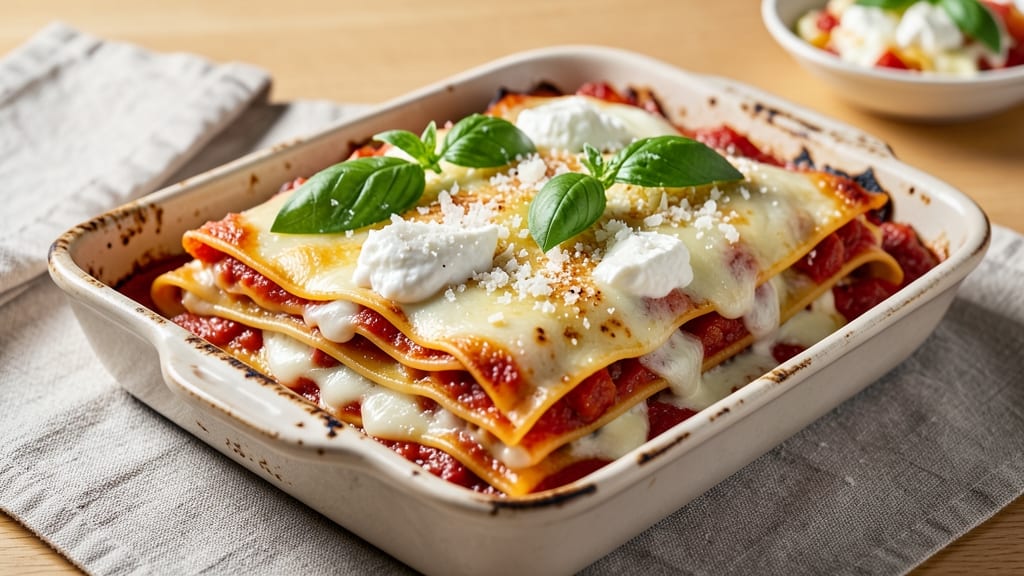
This authentic Italian lasagna recipe with béchamel and white sauce delivers the same hearty comfort Nonna would make—layered, creamy, and packed with tradition. The secret lies in balancing rich béchamel with delicate ricotta, creating a sauce that's velvety yet light, never cloying.
I've perfected this technique over years of testing, ensuring each forkful delivers that perfect harmony of textures and flavors that defines Italian home cooking.
The beauty of this recipe is its authentic simplicity—no shortcuts, just time-honored methods. We'll build three distinct layers: a creamy béchamel base, a ricotta-rich middle, and a final blanket of sauce that bubbles to golden perfection.
The key is patience: letting the lasagna bake low and slow at 350°F until the edges are crisp and the center is just set. This isn't just lasagna; it's a celebration of Italian home cooking that rivals any restaurant version.
What makes this lasagna truly special is the white sauce technique—a blend of béchamel and ricotta that creates a lighter, more authentic texture than heavy cheese alone. The result is tender pasta sheets perfectly enveloped in sauce, with just the right balance of creaminess and subtle cheesiness.
Every slice reveals layers of flavor: the nutty depth of Parmesan, the delicate tang of ricotta, and the smooth richness of the béchamel.
Whether you're serving this for a family gathering or a cozy weeknight dinner, this lasagna delivers restaurant-quality comfort with minimal fuss. The recipe scales beautifully, and leftovers reheat perfectly, making it ideal for meal prep.
Let's get started on creating your most authentic Italian lasagna yet—one that will have everyone asking for seconds.
Ingredients for authentic italian lasagna recipe with bechamel sauce and white sauce
These quality ingredients create lasagna with restaurant-quality layers and authentic Italian flavor.
| Ingredient | Amount | Notes |
|---|---|---|
| Lasagna Noodles 🍝 | 12 pieces | Dried, oven-ready preferred |
| Ricotta Cheese 🧀 | 2 cups | Whole-milk, drained overnight |
| Parmesan Cheese 🧀 | 2 cups | Freshly grated, block preferred |
| Mozzarella Cheese 🧀 | 1 ½ cups | Fresh, shredded by hand |
| All-Purpose Flour 🌾 | ½ cup | For béchamel roux |
| Unsalted Butter 🧈 | ½ cup | Cold, cubed for roux |
| Whole Milk 🥛 | 4 cups | Room temperature |
| Large Eggs 🥚 | 2 whole | Room temperature, beaten |
| Garlic Cloves 🧄 | 4 cloves | Minced for béchamel |
| Nutmeg 🌿 | ¼ tsp | Freshly grated |
| Salt 🧂 | 1 ½ tsp | Diamond Crystal preferred |
| Black Pepper 🌶️ | ½ tsp | Freshly cracked |
| Fresh Basil Leaves 🌿 | ¼ cup | Chopped for garnish |
| Olive Oil 🫒 | 2 tbsp | Extra-virgin for drizzling |
The cheese selection makes or breaks this lasagna. Parmigiano-Reggiano is non-negotiable for that nutty depth—Whole Foods or specialty Italian markets carry the best blocks. Ricotta should be whole-milk, not part-skim, and drained overnight in a colander lined with paper towels to remove excess moisture. For the mozzarella, fresh buffalo mozzarella creates a lighter texture than low-moisture shredded. The lasagna noodles? Oven-ready saves time and prevents mushiness—Barilla makes excellent ones. If using dried, boil them al dente and drain well.
No ricotta? Cottage cheese blended until smooth works in a pinch, though it lacks the delicate tang. Substituting Parmesan? Pecorino Romano adds a sharper bite, but reduce to 1.5 cups. Fresh basil unavailable? Dried oregano at half the amount mimics the herbal note. For the béchamel, whole milk is essential—2% or skim makes the sauce gummy. The nutmeg is subtle but critical; if you're missing it, a pinch of cinnamon won't ruin it, though it changes the profile. And for the love of lasagna, use freshly grated cheese—pre-shredded contains anti-caking agents that make the sauce grainy.
Prep the ricotta mixture ahead and store it in the fridge for up to 2 days. The béchamel can be made a day in advance and reheated gently. Assemble the lasagna up to 6 hours ahead and refrigerate—it actually tastes better the next day as flavors meld. Baked lasagna reheats beautifully; cover with foil and warm at 350°F for 20 minutes. Leftovers keep 4-5 days in the fridge or 3 months frozen. For freezing, wrap tightly in plastic wrap before aluminum foil to prevent freezer burn.
Why You'll Love This Recipe
- No Boil Hassle: I use pre-cooked lasagna noodles here—no extra pot, no waiting. Just layer, bake, and enjoy. Honestly, that’s half the battle won before you even start.
- Creamy Layers Magic: The bechamel sauce—made with just flour, milk, and butter—adds that velvety richness, while the ricotta and mozzarella melt into gooey perfection. That crispy top? Pure satisfaction.
- Weeknight to Holiday: This lasagna works for a quick dinner or a Sunday feast. Double the batch, freeze half, and you’ve got a stress-free meal for any occasion. (Yes, even on a Tuesday night.)
- Budget-Friendly Feast: A single lasagna feeds six for under $15. Ricotta and mozzarella stretch far, and the flour-based sauces cost pennies. Leftovers? Even better—tastes just as good reheated.
Step-by-step instructions for authentic Italian lasagna
This method delivers restaurant-quality lasagna with three distinct layers of flavor.
Prepare the Béchamel Sauce
In a medium saucepan, melt the 0.5 cup unsalted butter over medium-low heat. Once fully melted, whisk in the 0.5 cup all-purpose flour all at once, stirring constantly for 1-2 minutes until the mixture forms a smooth, pale roux with no floury taste. This ensures your sauce won't be grainy.
Gradually whisk in the 4 cups whole milk in a slow, steady stream while continuing to stir. The mixture should thicken gradually—this takes about 3-5 minutes of constant stirring. Once thickened, stir in the 4 cloves minced garlic, 0.25 tsp freshly grated nutmeg, 1.5 tsp salt, and 0.5 tsp freshly cracked black pepper. Reduce heat to low and let the sauce simmer for 5 minutes to develop its flavor. The sauce should coat the back of a spoon but still be pourable.
Assemble the Three Layers
Preheat your oven to 375°F. In a large bowl, combine the 2 cups ricotta cheese, 1 cup freshly grated parmesan cheese, and 1 large beaten egg. Mix gently until just combined—overmixing will make the ricotta layer dense. Season with 0.5 tsp salt and 0.25 tsp black pepper.
Spread 1 cup of the béchamel sauce on the bottom of a 9x13-inch baking dish. Arrange 4 lasagna noodles (no need to boil if using oven-ready) over the sauce, slightly overlapping if needed. Spread half of the ricotta mixture evenly over the noodles, then sprinkle with 0.5 cup mozzarella cheese. Repeat with another layer of noodles, remaining ricotta mixture, and another 0.5 cup mozzarella cheese. Top with the remaining 4 lasagna noodles.
Add Final Sauce Layer and Bake
Spread the remaining 1 cup béchamel sauce evenly over the top layer of noodles. Sprinkle the remaining 1 cup parmesan cheese and the 1.5 cups mozzarella cheese evenly over the top. Drizzle the 2 tbsp olive oil evenly across the surface—this creates a golden crust and prevents drying.
Cover the baking dish tightly with aluminum foil and bake for 25 minutes. Remove the foil and bake for another 15-20 minutes until the top is golden brown and bubbly. The edges should be set, but the center should still be slightly soft. This ensures the lasagna stays moist while developing that perfect crust.
Rest and Serve
Remove the lasagna from the oven and let it rest for 15-20 minutes before slicing. This resting period allows the layers to set and makes slicing much easier. The internal temperature should reach 165°F at the center—use an instant-read thermometer to check if unsure.
Garnish each serving with 1 tablespoon chopped fresh basil leaves just before serving. The basil adds a bright contrast to the rich, cheesy layers. Serve with a simple green salad and crusty bread to complete this authentic Italian meal that rivals Nonna's.
Pro Tips For Making Authentic Italian Lasagna Recipe With Bechamel Sauce And White Sauce
- Boil Noodles Al Dente—Then Chill: I learned this the hard way—overcooked lasagna noodles turn to mush when layered, no matter how much cheese you pile on. Boil them just until they’re tender but still have a bite (about 2 minutes less than package instructions), then shock them in ice water. Spread them on a towel to dry slightly before assembling—this prevents soggy layers and keeps the structure intact.
- Whisk Bechamel Like Your Life Depends on It: That flour-butter roux is where flavor lives or dies. After adding milk, keep the heat low and whisk relentlessly—no lumps, ever. If you’re impatient (I know, I know), use a hand mixer, but still watch it like a hawk. The second it thickens enough to coat the back of a spoon, take it off the heat immediately. Overcooking kills the creamy texture, and you’ll end up with glue, not sauce.
- Layer Cheese Like a Pro—Start with the Good Stuff: Skip the "random sprinkle" approach. Begin and end with ricotta mixed with egg (about 1 egg per 1.5 cups ricotta) to bind the layers, then alternate with bechamel and mozzarella. Save the Parmesan for the very top—it’ll melt into a golden crust while the rest stays creamy. Use about ½ cup grated Parmesan per layer, or you’ll end up with a cheese coma.
- Bake Low and Slow—Cover First: Your oven’s broil setting is not your friend here. Cover the lasagna tightly with foil and bake at 375°F (190°C) for 40 minutes—this lets the layers meld without drying out. Only remove the foil for the last 10-15 minutes to let the top brown. Trust me, I’ve seen well-intentioned chefs rush this, and the result is a sad, rubbery top and undercooked center.
Regional styles of these flavors
Roman-Style Lasagna
In Rome, lasagna is all about simplicity and freshness—no heavy layers, just tender pasta and a delicate white sauce. Replace the béchamel with a ricotta and egg mixture (skip the butter entirely) and layer with fresh lasagna sheets (not dried).
Use Pecorino Romano instead of Parmesan for a sharper bite, and finish with a sprinkle of freshly cracked black pepper. The Roman version is lighter, almost like a baked pasta, and perfect for summer when you want something fresh but still satisfying. 🌿
Emilian Baked Lasagna
Northern Italy's Emilia-Romagna region transforms lasagna into a meat-lover's dream with the addition of ground pork or cured pancetta. The sauce here is richer—béchamel dominates with less ricotta, and the dish often includes proscuitto or mortadella between layers.
For authenticity, use Parmigiano-Reggiano exclusively and add a pinch of freshly grated nutmeg to the béchamel. Serve with a side of green beans sautéed with garlic and anchovies. 🥓
Sicilian-Inspired Variations
Sicily takes lasagna in a bold direction with tomato-based layers—yes, even in white sauce versions! Mix ½ cup tomato paste into the béchamel for depth, and add sautéed eggplant or zucchini between noodles. Swap ricotta for mascarpone and finish with chopped basil and a drizzle of olive oil.
The result is a sweeter, slightly tangy lasagna that reflects Sicily's love of fresh produce and bold flavors. 🍅
Venetian-Style Baked Pasta
Venetian lasagna, or "pasta al forno", skips traditional layers in favor of wide, flat egg noodles baked with a creamy white sauce. The sauce here is a béchamel-ricotta blend with saffron for color and aroma—just a pinch (⅛ tsp) transforms the dish into a golden, fragrant masterpiece.
Top with shaved Parmesan and toasted breadcrumbs for crunch. This version is lighter but equally rich, perfect for those who prefer texture contrast. 🧡
Modern Fusion Twist
For a contemporary take, blend béchamel with a splash of white wine (½ cup) to deglaze the roux, adding brightness. Layer with spinach and ricotta for color, and finish with a balsamic glaze drizzled over the top.
Add crispy prosciutto between layers for a sweet-savory balance. This fusion keeps the authenticity while introducing bold, unexpected flavors that modern palates love. 🍷
Nutrition facts
Frequently asked questions about authentic Italian lasagna
Why does this recipe use both béchamel and ricotta?
The béchamel creates a velvety base that coats the noodles perfectly, while ricotta adds a delicate tang and light texture. Together, they balance richness without heaviness—classic Italian technique! The ricotta also helps bind the layers for a cleaner slice.
Can I make this lasagna ahead of time?
Assemble the lasagna up to 6 hours ahead and refrigerate uncovered. Bake straight from the fridge (add 10-15 minutes to baking time). For freezing, bake first, then wrap tightly and freeze for up to 3 months. Reheat covered with foil at 350°F for 20 minutes.
What's the secret to crispy edges without a soggy center?
Bake covered for 25 minutes first, then uncover for the final 15-20 minutes at 375°F. The foil traps steam for tender layers, while the uncovered time creates that golden crust. Drizzle olive oil on top before baking—it prevents drying and adds crunch.
How do I adjust this for fewer/more servings?
Scale all ingredients proportionally—12 noodles = 8 servings. For 6 servings, reduce to 9 noodles and halve the ricotta/cheese. For 12 servings, use 15 noodles and increase sauces by 50%. Always maintain equal layer thickness for even baking.
What if I don't have oven-ready noodles?
Cook dried lasagna noodles 1 minute less than package instructions (they'll finish baking in the oven). Drain well and layer immediately—they absorb moisture quickly. For extra insurance, toss cooked noodles with 1 tbsp olive oil before assembling.