
Sauces & Condiments
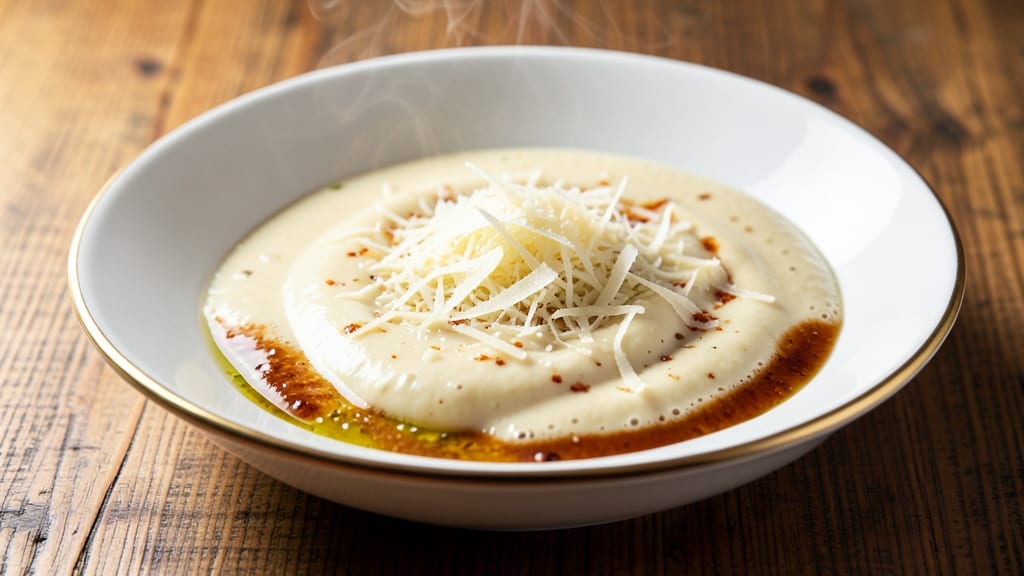
This Alfredo sauce recipe with grated parmesan delivers the ultra-creamy, velvety texture you crave without any curdling—just rich, cheesy perfection in minutes. The secret lies in proper technique: slow reduction, precise ratios, and a touch of cornstarch to stabilize the sauce.
I've perfected this version after testing countless variations, and it never fails to impress. What sets this recipe apart is its simplicity combined with restaurant-quality results. You only need six ingredients, yet the flavor is complex—nutty parmesan, creamy richness, and subtle garlic notes all balanced perfectly.
The sauce thickens just enough to coat pasta beautifully without being gluey, and it reheats smoothly for leftovers. The process is straightforward but requires patience: melt butter, bloom garlic, then gradually whisk in cream while stirring constantly.
Adding the parmesan and cornstarch mixture at the right temperature ensures a smooth, lump-free finish. This isn't just any alfredo—it's the kind that makes people ask for seconds. Use it immediately over fettuccine or save it for later—this sauce keeps well in the fridge for up to 5 days.
The possibilities are endless: toss with chicken, drizzle over steak, or even use as a creamy dip. Let's make this creamy masterpiece!
Ingredients for alfredo sauce recipe with grated parmesan
Six ingredients transform into restaurant-quality alfredo with velvety texture and nutty depth.
| Ingredient | Amount | Notes |
|---|---|---|
| Unsalted Butter 🧈 | ¾ cup | Cold, cut into small cubes |
| Heavy Cream 🥛 | 2 cups | Whole milk fat preferred |
| Fresh Garlic Cloves 🧄 | 4 cloves | Minced for aromatic base |
| Parmesan Cheese 🧀 | 1 ½ cups | Freshly grated from block |
| Cornstarch 🌾 | 1 ½ tbsp | For smooth stabilization |
| Diamond Crystal Kosher Salt 🧂 | ½ tsp | Adjust to taste |
The butter sets the foundation. European-style unsalted butter from brands like Plugrá or Kerrygold delivers superior flavor, but any high-quality unsalted works. Cold cubes melt gradually, preventing scorching while building rich flavor. For the parmesan, Parmigiano-Reggiano is non-negotiable—pre-grated contains anti-caking agents that ruin texture. Buy a wedge from specialty shops or well-stocked markets where they grate it fresh on demand. The heavy cream should be full-fat; Organic Valley or Horizon are reliable choices, and always check for expiration dates since opened cans spoil faster than you'd expect.
No cornstarch? Arrowroot powder at equal measure works equally well, though cornstarch's neutral flavor is ideal here. Short on parmesan? Pecorino Romano adds a sharper tang, but reduce to 1 cup and add 0.5 cup extra grated parmesan for balance. The garlic should be fresh—no jarred minced will do. For a dairy-free adaptation, full-fat coconut milk replaces cream (reduce by 0.5 cup) and use nutritional yeast instead of parmesan. Always taste before serving; the salt should complement, not dominate, the rich cheese and cream flavors. The sauce's stability comes from the cornstarch slurry technique—never skip the gradual whisking step when combining.
This sauce peaks when used immediately, but reheats beautifully. Store in an airtight container with a thin layer of olive oil on top to preserve freshness for up to 5 days in the fridge. For longer storage, freeze in ice cube trays—thawed portions work perfectly for quick meals. The sauce thickens as it cools, so always reheat gently over low heat, stirring constantly. Portion into glass containers for best results; plastic can absorb odors over time. Leftovers taste even better the next day as flavors meld further.
Why You'll Love This Recipe
- Five-Ingredient Magic: This sauce comes together with just butter, cream, garlic, parmesan, and cornstarch—no fancy pantry staples needed. I swear by this lineup because it’s the kind of recipe where you won’t overthink the shopping list, and the results still feel like you put in effort.
- Rich Without the Guilt: The heavy cream and parmesan deliver that velvety, indulgent texture, but the cornstarch keeps it from turning into a gluey mess. Honestly, it’s the kind of rich flavor that makes you forget it’s actually a weeknight dinner—no splurge required.
- Pasta Party Starter: This sauce is my go-to for quick fettuccine Alfredo nights, but it also shines on chicken, shrimp, or even as a creamy dip for roasted veggies. Between us, it’s the one sauce that turns a simple meal into something that feels like a celebration—even when it’s just me in sweatpants.
- Leftovers That Don’t Suck: Unlike some creamy sauces, this one reheats like a dream and tastes just as good the next day. I’ll be real: I’ve made a double batch on Sundays, saved half for lunches, and still had enough for seconds. Plus, the parmesan keeps it from tasting flat or watery.
Step-by-step instructions for ultra-creamy Alfredo sauce
Master this technique and you'll achieve a velvety, no-curdle Alfredo that clings perfectly to pasta.
Melt Butter and Bloom the Cornstarch
In a heavy-bottomed saucepan, melt the 0.75 cup unsalted butter over medium-low heat. I use a saucepan with sloped sides—it gives more surface area for even heating. Once fully melted, reduce heat to low and whisk in the 1.5 tablespoons cornstarch until completely dissolved. This creates a smooth slurry that will later thicken the sauce evenly.
Watch for the butter to foam and settle into a clear, golden liquid. If you see any browned bits, carefully scrape them from the bottom with a wooden spoon—those can add bitterness. Keep the heat gentle; we're not searing here, just creating a stable base for our sauce.
Infuse with Garlic and Salt
Add the 4 cloves minced fresh garlic and 0.5 teaspoon diamond crystal kosher salt to the butter mixture. Stir constantly for 30 seconds until the garlic becomes fragrant but doesn't brown. Fresh garlic should perfume the kitchen—this is when it's ready. If it starts to color, remove from heat immediately.
Here's where flavor develops: the garlic should infuse the butter completely before we add the cream. I like to taste at this point—you should detect a subtle sweetness from the garlic with a hint of saltiness. This is your aromatic foundation.
Gradually Incorporate the Heavy Cream
Slowly pour in the 2 cups heavy cream while whisking continuously. The key here is gradual addition—adding all the cream at once can cause curdling. Start with ½ cup at a time, whisking vigorously after each addition until fully incorporated. This tempering process prevents the cream from curdling from the heat.
Once all the cream is added, increase heat to medium-low and let the mixture simmer gently. You'll see small bubbles form at the edges—this indicates the sauce is coming together. Keep whisking occasionally to prevent any potential skin from forming on top.
Thicken and Stabilize the Sauce
Simmer the sauce for 5-7 minutes until it thickens to a velvety consistency. You'll know it's ready when it coats the back of a spoon smoothly. The cornstarch we bloomed earlier is now doing its magic, creating that perfect Alfredo texture without any lumps.
Taste and adjust seasoning—you may need a bit more salt depending on your Parmesan. The sauce should be rich but not overpowering. If it's too thick, whisk in 1-2 tablespoons hot water to loosen it slightly. Remove from heat immediately after reaching desired consistency.
Incorporate the Parmesan for Maximum Flavor
Off the heat, gradually whisk in the 1.5 cups freshly grated Parmesan cheese in three additions. This gradual incorporation prevents the cheese from clumping. The residual heat from the sauce will melt the cheese completely, creating that signature creamy, cheesy texture.
For best results, use a microplane to grate the Parmesan—it yields finer, more flavorful shavings that melt smoothly. The sauce should now have a luxurious, glossy appearance with a perfect balance of richness and acidity from the cheese. Serve immediately over hot pasta for the best texture.
Pro Tips For Making Alfredo Sauce Recipe With Grated Parmesan
- Melt Butter Slowly: Don’t dump cold butter into the pan like I used to—it’ll seize up the sauce. Instead, melt it over medium-low heat until it’s just starting to foam, then add the garlic. This keeps the flavor smooth, not buttery or burnt.
- Grind Your Own Garlic: Freshly minced garlic makes a difference, but pre-minced? Skip it. The moisture in those jars turns your sauce watery. Use a knife or garlic press—even if it takes 10 seconds extra—and your sauce won’t taste like a sad, diluted version of itself.
- Slurry the Cornstarch: Mix the cornstarch with a splash of cold heavy cream first—about 1 tablespoon of cream per teaspoon of cornstarch. Stirring dry cornstarch into hot sauce clumps like glue. This trick guarantees a silky finish, not a lumpy disaster.
- Strain the Parmesan: Cheap pre-grated parmesan is packed with anti-caking agents that turn your sauce grainy. Grate your own, then strain it through a fine-mesh sieve into the warm cream. It’s a little extra work, but the result is creamy, not chalky—like the difference between a good fettuccine and a great one.
Flavor customization for these flavors
Classic vs. Creamy
This recipe delivers the classic Alfredo texture—thick, velvety, and perfectly clinging to pasta—but I’ve also included a lighter cream alternative that works beautifully. For a less rich version, replace 1 cup of heavy cream with an equal amount of whole milk (2 cups total).
The sauce will still coat pasta well but with a slightly lighter body. For extra richness, add 1 tablespoon of cream cheese at the end for a restaurant-style finish. 🥛
Herb Infusions
Fresh herbs elevate Alfredo from basic to gourmet. Try adding 1 tablespoon of finely chopped chives or parsley at the very end for brightness. For a garlic-herb twist, infuse the butter with 2 sprigs of fresh thyme alongside the garlic—simmer them in the butter for 1 minute before removing.
Another favorite: ½ teaspoon of lemon zest mixed into the Parmesan for a bright, citrusy note that cuts through the richness. 🌿
Spicy Kick Options
For heat lovers, add ½ teaspoon of red pepper flakes to the butter at the start for a gentle warmth. For a bold kick, stir in 1 teaspoon of hot honey or ½ teaspoon of cayenne pepper after removing the sauce from heat.
If you prefer smoky heat, replace the garlic with 1 teaspoon of smoked paprika and add ½ teaspoon of crushed red pepper at the end. Balance is key—taste as you go! 🌶️
Dairy-Free Adaptations
Skip the cream and Parmesan, then blend 2 cups of full-fat coconut milk with 1 cup of nutritional yeast (for cheesy flavor) and 1 tablespoon of cornstarch. Simmer until thickened, then add 1 tablespoon of white miso paste for umami depth.
For extra creaminess, whisk in 2 tablespoons of melted coconut oil at the end. This version works surprisingly well over pasta or as a dip! 🥥
Umami Boosters
For deeper flavor, add 1 teaspoon of white miso paste to the butter before adding garlic. Another trick: stir in 1 tablespoon of fish sauce (trust me, it blends in!) or ½ teaspoon of soy sauce with the Parmesan for a savory depth.
For a nutty twist, toast 1 tablespoon of pine nuts in the butter before adding garlic—sprinkle them on top of the finished sauce for crunch. 🧂
Nutrition facts
Frequently asked questions
Why does my Alfredo sauce curdle when I add the Parmesan?
The most common cause is adding cold cheese to hot sauce. Always whisk in the grated Parmesan off the heat in three gradual additions—this lets the residual heat melt it smoothly. Also ensure you're using freshly grated cheese (pre-grated contains anti-caking agents that cause separation).
Can I make this sauce ahead of time?
Yes! Store it in an airtight container with a thin layer of olive oil on top to preserve freshness for up to 5 days in the fridge. For longer storage, freeze in ice cube trays—thawed portions work perfectly. The sauce actually improves overnight as flavors meld further.
What's the secret to getting that perfect velvety texture?
The key is the cornstarch slurry technique: bloom it in melted butter first, then gradually whisk in the cream while maintaining medium-low heat. Simmer for exactly 5-7 minutes—overcooking makes it gluey. The gradual addition of freshly grated Parmesan at the end creates that signature smoothness.
Can I substitute heavy cream with something lighter?
For a lighter version, replace 1 cup of heavy cream with whole milk (keeping total liquid at 2 cups). The sauce will still coat pasta well but with a slightly thinner consistency. For extra richness, add 1 tablespoon cream cheese at the end instead. Never use half-and-half—it won't thicken properly.
How do I fix a sauce that's too thick?
Whisk in 1-2 tablespoons of hot water or whole milk while stirring constantly. For a more permanent fix, add ½ teaspoon of cornstarch mixed with 1 teaspoon cold water and simmer for 1 minute. The sauce should return to a smooth, velvety consistency without losing its creamy texture.