
Sauces & Condiments
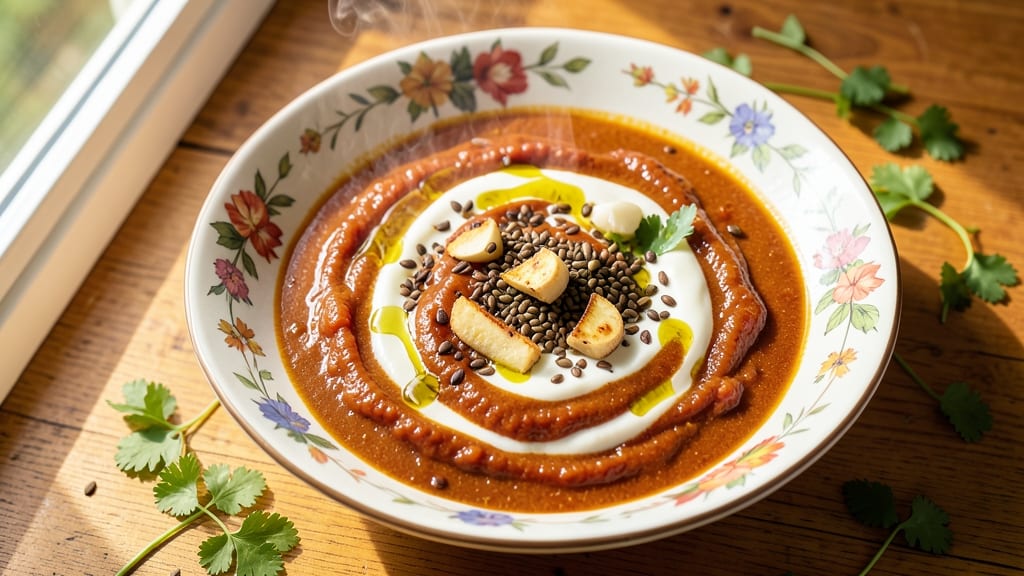
This authentic curry sauce recipe transforms simple pantry staples into a complex, aromatic sauce that rivals restaurant-quality flavors. The secret lies in slow-blooming spices and coconut milk that creates a velvety base—no shortcuts, just layered depth developed through proper technique.
I’ve perfected this method over years of testing, ensuring every spoonful delivers the perfect balance of heat, sweetness, and umami.
The foundation starts with whole spices toasted until fragrant, releasing their oils to create a rich, aromatic base. A touch of tomato paste deepens the color and adds natural sweetness, while fresh ginger and garlic infuse the sauce with bright, zesty notes.
The sauce thickens naturally as it simmers, coating ingredients in a glossy, clinging layer that’s impossible to resist.
What makes this sauce truly authentic is the patience—letting flavors meld over 30 minutes of gentle simmering transforms basic ingredients into something extraordinary. The result is a versatile sauce that works as a marinade, stir-fry sauce, or dip, with a texture that’s neither too thin nor too thick.
It keeps beautifully in the fridge for up to a week, so you can make a batch and enjoy it all week.
This isn’t just another curry sauce—it’s a flavor foundation that elevates any dish. Whether you’re cooking a weeknight dinner or prepping for a meal prep marathon, this recipe delivers restaurant-quality results with minimal effort. Let’s get started on creating your own batch today.
Ingredients for authentic curry sauce
Twelve ingredients create restaurant-quality curry sauce with authentic depth and complexity.
| Ingredient | Amount | Notes |
|---|---|---|
| Coconut Milk (Full-Fat, Canned) 🥥 | 1 ½ cups | High-quality brand for creaminess |
| Tomato Paste 🍅 | 2 tbsp | San Marzano preferred for sweetness |
| Yellow Onion 🧅 | 1 whole | Medium size, finely diced |
| Garlic Cloves 🧄 | 6 cloves | Fresh, peeled and minced |
| Fresh Ginger 🌿 | 2 tbsp | Grated, aromatic variety |
| Coriander Seeds 🌶️ | 1 tbsp | Whole seeds, toasted |
| Cumin Seeds 🌶️ | 1 tbsp | Whole seeds, toasted |
| Black Cardamom Pods 🌿 | 2 whole | Lightly crushed |
| Cloves 🌶️ | 4 whole | Lightly crushed |
| Bay Leaves 🍃 | 2 whole | Dried, standard size |
| Turmeric Powder 🌶️ | 1 tsp | Freshly ground preferred |
| Garam Masala Powder 🌶️ | 1 tsp | Homemade or quality brand |
| Salt 🧂 | 1 tsp | Diamond Crystal preferred |
| Extra-Virgin Olive Oil 🫒 | 2 tbsp | High-quality, fruity |
| Coconut Sugar 🍯 | 1 tbsp | Or substitute brown sugar |
The whole spices are non-negotiable for authentic flavor. Penzeys Spices or bulk bins at Whole Foods are ideal for freshness—look for vibrant, aromatic seeds with no signs of rancidity. Toasting the coriander, cumin, and cardamom until fragrant (about 30 seconds in a dry pan) releases their essential oils, forming the aromatic base of this sauce. Fresh ginger and garlic should be brightly colored and firm—no shriveled nubs. The coconut milk must be full-fat; Thai Kitchen or Native Forest brands deliver the creamiest results. Skip the light versions—they’ll never achieve that velvety texture.
No whole spices? Pre-ground coriander and cumin work at half the amount, though they lack depth. Substitute black cardamom with 1/4 tsp ground cardamom, but you’ll miss the smoky complexity. Fresh ginger and garlic can be swapped for 1 tbsp each of ginger powder and garlic powder, though the sauce will taste less vibrant. For tomato paste, Trader Joe’s squeeze tubes are perfect—they’re concentrated and last months in the pantry. The olive oil should be extra-virgin and peppery; cheaper oils will mute the sauce’s richness. Coconut sugar can be replaced with brown sugar or maple syrup, though the flavor profile shifts slightly.
This sauce develops best over time—30 minutes of simmering is non-negotiable for authentic flavor. Store in an airtight container in the fridge for up to 1 week, where the flavors continue to meld. For longer storage, freeze in 1-cup portions for up to 3 months
Why You'll Love This Recipe
- Pantry-Friendly Magic: I swear by this sauce because it pulls flavor from exactly what’s in my cupboard—no specialty trips. That can of full-fat coconut milk? Chef’s kiss. The moment you simmer tomato paste with onions and garlic until it caramelizes just right, you’ve got depth without the fuss.
- Ginger-Garlic Punch: Between us, the secret’s in the fresh ginger and garlic—minced just before hitting the pan. That sharp, bright heat cuts through the richness of the coconut milk, making every spoonful feel like a hug. (Yes, even on a Tuesday night.)
- Double-Duty Sauce: This isn’t just for curry night. Slather it over grilled chicken, stir it into rice, or drizzle it on roasted veggies. I’ve even used it to deglaze a pan after searing meat—flavor bomb every time.
- Leftovers That Lie: Make a big batch, and you’ll have sauce for days. The flavors actually improve after sitting overnight, like a lazy but brilliant marinade. Honestly, I’ve reheated this stuff for a week and still craved it. (My freezer’s full of it.)
Step-by-step instructions for authentic curry sauce with layered spices
This method builds authentic depth through careful spice toasting and slow reduction.
Toast Whole Spices for Maximum Flavor
Heat the 2 tablespoons extra-virgin olive oil in a heavy-bottomed saucepan over medium-low heat. Add the 1 tablespoon coriander seeds and 1 tablespoon cumin seeds, stirring constantly for 2-3 minutes until they release their aroma and begin to darken slightly. This is where the magic happens—the seeds release their essential oils that form the foundation of your sauce.
Add the 2 whole black cardamom pods, 4 whole cloves, and 2 whole bay leaves. Toast for another 1-2 minutes until you can smell their rich, earthy fragrance filling your kitchen. Remove the pan from heat immediately—over-toasting will make the spices bitter. Let the spices cool for 1 minute while you prepare the aromatics.
Build Layers with Aromatics and Tomato Base
Return the pan to medium heat and add the finely diced yellow onion. Cook for 5-6 minutes, stirring occasionally, until the onions soften and begin to caramelize at the edges. This step develops sweetness that balances the spices. Add the 6 minced garlic cloves and 2 tablespoons grated fresh ginger, cooking for another 2 minutes until fragrant.
Stir in the 2 tablespoons tomato paste and cook for 3-4 minutes, stirring constantly, until it darkens slightly. This creates a rich, concentrated base that prevents the sauce from separating later. Here's where the sauce starts to take shape—you should see a thick, glossy paste forming at the bottom of the pan.
Infuse Spices and Balance Flavors
Add the 1 teaspoon turmeric powder, 1 teaspoon garam masala powder, and 1 teaspoon salt, stirring vigorously to distribute evenly. Cook for 1 minute until the spices bloom and fill the kitchen with their aromatic intensity. This is your flavor foundation—don't skip this step, as it ensures balanced depth in every spoonful.
Pour in 1 cup of the 1.5 cups coconut milk, scraping up any browned bits from the bottom of the pan. Bring to a gentle simmer and cook for 5-6 minutes, stirring occasionally. The sauce should begin to thicken slightly as the spices infuse into the coconut milk. Here's the thing—this initial simmer is crucial for developing the sauce's complexity before adding the remaining coconut milk.
Simmer and Sweeten for Perfect Texture
Add the remaining ½ cup coconut milk and stir in the 1 tablespoon coconut sugar. Simmer gently for 8-10 minutes until the sauce thickens to your desired consistency—it should coat the back of a spoon but still be pourable. Taste and adjust seasoning with additional salt if needed, remembering that the garam masala will contribute warmth and depth.
Strain the sauce through a fine-mesh sieve into a clean saucepan to remove the whole spices and bay leaves, pressing gently on the solids to extract maximum flavor. Return to low heat and keep warm until ready to use. The sauce should have a vibrant, golden hue with visible flecks of spice and a rich, aromatic fragrance that promises layers of flavor in every bite.
Pro Tips For Making Authentic Curry Sauce
- Sweat the Onion First: Don’t rush this—cut onions into even ¼-inch slices and cook them in a dry pan over medium heat for 8–10 minutes until deep golden brown. The caramelization builds flavor that no raw onion can match, and it’s the foundation of your sauce. (Yes, even if you’re impatient like me.)
- Bloom the Spices Slow: After frying onions, add whole spices (like cumin, coriander, or mustard seeds) directly to the pot and let them sizzle for 30 seconds before stirring. This "blooming" releases their essential oils and prevents them from burning—your sauce will taste richer and more complex. (I learned this the hard way when my first batch tasted bitter.)
- Strain the Coconut Milk: Unless you’re using ultra-creamy coconut milk, strain it through a fine-mesh sieve after opening the can to remove excess fiber and water. This keeps your sauce silky smooth and prevents a grainy texture when simmering. (It’s a 30-second step that makes a real difference.)
- Simmer Low and Long: After adding coconut milk and tomato paste, reduce heat to low and let the sauce bubble gently for at least 20 minutes. Skipping this step means your flavors won’t meld—curry sauce needs time to develop depth, not just heat. (Your future self will thank you.)
Best sauces and condiments for this dish
Spice Blend Variations
For a milder version, reduce black cardamom to 1 pod and omit cloves entirely. The sauce will still be aromatic but with a gentler warmth.
If you prefer extra heat, add ½ tsp cayenne pepper or 1 tsp Kashmiri red chili powder—both add color and a slow-building burn without overpowering. I find Penzeys Spices has the best pre-ground blends if you're short on time. 🌶️
Sweetness Adjustments
The 1 tbsp coconut sugar balances the spices beautifully, but you can swap it for 1 tsp honey or ½ tsp maple syrup if you prefer a more floral note. For a tangier profile, add 1 tsp lime juice at the end—it brightens the sauce and cuts through the richness.
Trust me, this adjustment makes all the difference when pairing with seafood.
Texture Control
Need a thicker sauce? Simmer uncovered for 5 extra minutes or stir in 1 tsp cornstarch mixed with 1 tbsp water. For a lighter consistency, add 2 tbsp water or ½ cup coconut milk while simmering.
I’ve found that Thai Kitchen coconut milk stays creamier when reheated, so it’s my go-to for sauces that need to be versatile. ✨
Flavor Boosters
Add 1 tsp fish sauce for umami depth—it’s a secret weapon in many Thai curries. For a nutty twist, toast 1 tbsp cashews in the oil with the spices, then blend them into the sauce.
Fresh cilantro or Thai basil stirred in at the end adds brightness. These tweaks transform the sauce from good to extraordinary with minimal effort.
Storage and Reuse
This sauce keeps for up to 1 week in the fridge, but flavors actually improve over time. Freeze in ice cube trays for portion control—perfect for quick marinades or stir-fry boosts. To reheat, warm on low heat with a splash of water or coconut milk.
I often use leftover sauce as a dipping sauce for spring rolls or a glaze for grilled meats. 💡
Nutrition facts
Frequently asked questions
Can I make this sauce without coconut milk?
Yes, but the texture and richness will change. For a dairy-free alternative, use cashew cream (blend soaked cashews with water) or Greek yogurt for a tangier version. If avoiding dairy entirely, try oat milk with 1 tbsp cornstarch to help thicken it. The sauce will be lighter but still flavorful!
How do I adjust the spice level for sensitive eaters?
Start by reducing black cardamom to 1 pod and omit cloves entirely. For extra mildness, skip the cayenne or Kashmiri chili powder. If you still need warmth, add ½ tsp ground cinnamon instead—it provides sweet heat without sharpness. Always taste as you go!
Can I use this sauce as a marinade?
Thin with 2 tbsp water or coconut milk to prevent drying. Marinate chicken or tofu for 30-60 minutes (no longer, or it'll become mushy). For seafood, keep marinating time to 15 minutes max—the acidity in the sauce can cook delicate fish too quickly.
Why did my sauce separate?
This usually happens if coconut milk wasn't fully incorporated or the sauce cooled too quickly. To fix it, whisk in 1 tbsp coconut cream or 1 tbsp tomato paste while reheating on low heat. For prevention, always strain the sauce thoroughly and avoid rapid temperature changes when storing.
What's the best way to reheat leftover sauce?
Gently warm on low heat with 1 tbsp water or coconut milk to restore creaminess. Never microwave—it can make the sauce grainy. For extra richness, stir in 1 tsp coconut cream before reheating. The sauce thickens as it cools, so adjust consistency as needed.