
Sauces & Condiments
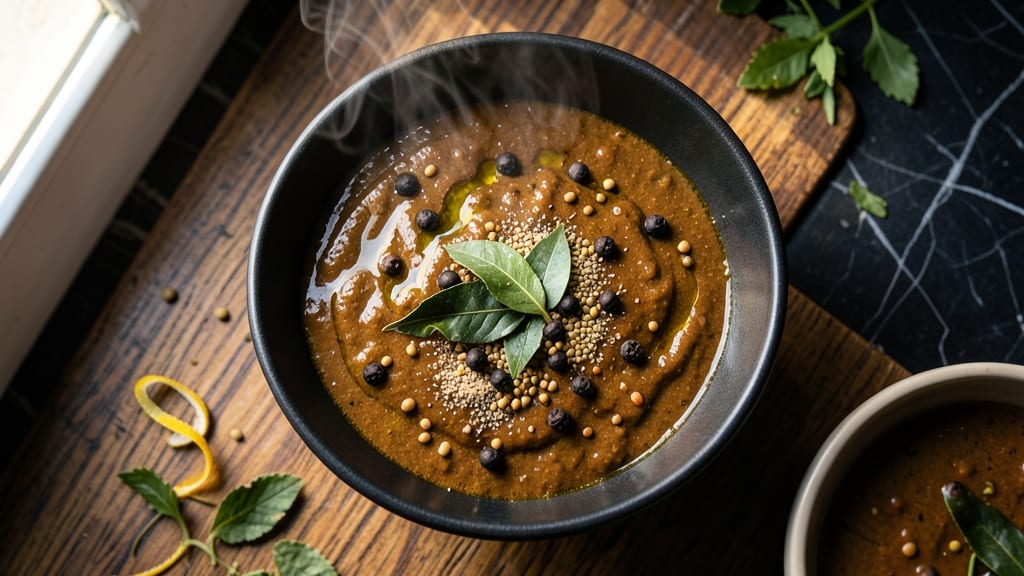
This authentic Madras curry sauce recipe delivers the bold, tangy depth that defines South Indian cuisine—where fiery spices meet sweet, caramelized tomatoes. The secret lies in tempering whole spices with mustard seeds and curry leaves, a technique that unlocks layers of aroma no powdered spice mix can replicate.
I've perfected this version after years of testing, ensuring every simmered batch captures that signature Madras balance of heat, acidity, and umami.
The process begins with a dry roast of aromatic seeds—fenugreek, coriander, and black pepper—that infuse the oil with nutty warmth before blooming into the tomato-onion base.
Simmering until the sauce thickens into a velvety consistency requires patience, but the result is worth every minute: a sauce that clings to rice or meat while delivering complex flavor in every bite. This isn't just a condiment; it's the heart of a proper Madras curry.
What sets this sauce apart is its authentic approach—no shortcuts, no substitutions. The fenugreek and curry leaves add bitterness that cuts through richness, while the tamarind and lemon juice provide the signature tang.
Once blended smooth, it transforms into a versatile sauce that elevates chicken, fish, or even vegetables into restaurant-quality dishes. The best part? It keeps beautifully in the fridge for up to a week, ready to transform any meal.
For those new to Madras cuisine, don't be intimidated by the spice level—start with half the chili powder and adjust to taste. The key is building flavors gradually: let the spices toast until fragrant, simmer the tomatoes until they break down completely, and always taste as you go.
This sauce isn't just about heat; it's about harmony. Let's get started on creating your own batch that tastes like a trip to Chennai.
Ingredients for authentic madras curry sauce
These spices and fresh ingredients create a bold Madras curry sauce bursting with authentic South Indian flavor.
| Ingredient | Amount | Notes |
|---|---|---|
| Extra-Virgin Olive Oil 🫒 | ½ cup | High quality, fruity |
| Mustard Seeds 🌿 | 2 tbsp | Yellow or brown variety |
| Curry Leaves 🌿 | ¼ cup | Fresh, dried if unavailable |
| Dried Fenugreek Seeds 🌿 | 1 tbsp | Lightly toasted first |
| Ground Coriander Seeds 🌿 | 1 tbsp | Freshly ground preferred |
| Black Peppercorns 🌶️ | 1 tbsp | Crushed, not powdered |
| Yellow Onions 🧅 | 2 medium | Finely chopped |
| Fresh Tomatoes 🍅 | 1 ½ lb | Ripe, San Marzano preferred |
| Tamarind Paste 🍈 | 2 tbsp | Adjust for tang preference |
| Lemon Juice 🍋 | 2 tbsp | Freshly squeezed |
| Chili Powder 🌶️ | 1 ½ tbsp | Adjust for heat preference |
| Garam Masala 🌿 | 1 tsp | For finishing |
| Salt 🧂 | 1 ½ tsp | Adjust to taste |
| Water 💧 | ½ cup | For thinning if needed |
The spices are the soul of this sauce. Curry leaves are non-negotiable—find them in the Indian aisle or online at Spicewalla if your grocery store doesn't carry them. Mustard seeds and fenugreek should be toasted until fragrant (about 30 seconds in a dry pan). For tomatoes, San Marzano canned tomatoes work perfectly if fresh aren't available—they're sweeter and less acidic. The tamarind paste? Trader Joe's has a great brand, or look for blocks at Asian markets to make your own paste by soaking and blending. Fresh curry leaves have a distinct aroma—if using dried, use half the amount.
No curry leaves? Dried thyme at half the amount adds a similar earthiness, though it won't be authentic. Short on tamarind? Lime juice plus a pinch of sugar gets you close. The chili powder can be swapped for red pepper flakes, but adjust heat carefully—Madras curry has a signature kick. For extra depth, toast the coriander seeds before grinding them. The onions should caramelize until golden brown—don't rush this step. If your sauce gets too thick, water or coconut milk thins it beautifully while adding creaminess.
This sauce keeps for up to 1 week in the fridge, with flavors actually deepening over time. For longer storage, freeze in ice cube trays—perfect portions for future meals. Reheat gently on low heat, stirring often. The sauce thickens as it cools, so add a splash of water if needed. I always make a double batch—one for immediate use and one to freeze. The garam masala should be added right before serving to preserve its aromatic oils. Trust me, the first time you taste this sauce transform a simple chicken dish into something restaurant-worthy, you'll be hooked.
Why You'll Love This Recipe
- Pantry Staples Only: I swear by this sauce because it uses what I already have—no last-minute grocery runs. That first sizzle of mustard seeds in olive oil? Pure magic, and it’s all thanks to five ingredients I keep in jars.
- Layered Heat Play: The fenugreek and coriander seeds aren’t just spices—they’re the backbone. Toast them lightly, and you get this smoky depth that builds as it simmers. Not too sharp, not too mild—just right.
- Weeknight to Party: Same sauce, endless uses. Slather it on grilled chicken for a quick weeknight dinner, or drizzle it over roasted veggies for a fancy-ish side. My in-laws think I slaved over it—nope, just 20 minutes of stirring.
- Leftovers That Lie: Make a big batch (trust me, you will), and it only gets better the next day. The flavors meld into this rich, velvety sauce that turns plain rice into a meal. My lunchbox’s new best friend.
Step-by-step instructions for authentic Madras curry sauce
Here's how to build this bold, aromatic sauce from scratch—layer by layer.
Bloom the Spices in Warm Oil
Heat the 0.5 cup extra-virgin olive oil in a heavy-bottomed pot over medium-low heat until shimmering but not smoking. Add the 2 tablespoons mustard seeds and let them sizzle for 30 seconds until they pop and turn golden—this is your first flavor explosion. Real talk: don't rush this step or you'll burn the seeds and ruin that nutty aroma.
Next, add the 0.25 cup curry leaves and 1 tablespoon dried fenugreek seeds. Stir gently for 1 minute until the curry leaves darken slightly and release their citrusy fragrance. Here's the thing—if you're using dried curry leaves, they'll need 2-3 minutes to fully unfurl and perfume the oil. The fenugreek seeds will develop a maple-like sweetness that balances the heat later.
Toast the Base Spices
Add the 1 tablespoon ground coriander seeds and 1 tablespoon crushed black peppercorns, stirring constantly for 1-2 minutes until fragrant and slightly darkened. You'll smell that earthy, slightly sweet coriander warmth—this is the backbone of Madras curry. Watch the heat carefully; you want the spices to toast, not burn. If they darken too quickly, reduce the heat immediately.
Now add the 2 medium finely chopped yellow onions and cook for 8-10 minutes until deep golden brown and caramelized. This isn't just about cooking—it's about developing that rich, sweet depth that carries through the entire sauce. You'll know it's ready when the onions release from the pan easily and develop a jam-like consistency.
Build the Tomato Base
Add the 1.5 lb fresh tomatoes (peeled and chopped if preferred) along with the 1.5 teaspoons salt and 1.5 tablespoons chili powder. Stir well to combine, then reduce heat to medium-low and let the mixture cook uncovered for 15-20 minutes. You're looking for the tomatoes to break down completely into a thick, glossy paste—this is where the sauce gets its vibrant color and tangy depth.
Here's where it gets fun: stir occasionally and scrape up those browned bits from the bottom of the pan. Those bits are pure flavor—what chefs call the "fond." If the mixture gets too dry before the tomatoes fully break down, add 2 tablespoons water to help it along. The sauce should reduce to about 2 cups of thick, rich tomato base when finished.
Add Tangy Depth and Finish
Stir in the 2 tablespoons tamarind paste and 2 tablespoons lemon juice, mixing well to distribute. The tamarind will give that signature Madras tang while the lemon brightens everything up. Let the sauce simmer for another 5 minutes to meld all the flavors together. Taste and adjust seasoning—you might need a pinch more salt or chili powder depending on your tomatoes.
Finally, remove from heat and stir in the 1 teaspoon garam masala. This spice blend is what makes the sauce truly authentic—it adds that warm, complex finish. Let the sauce sit off heat for 10 minutes before serving, allowing all the flavors to fully integrate. The result should be a vibrant, aromatic sauce with layers of heat, tang, and depth that's perfect for dipping, pouring, or simmering with proteins.
Pro Tips For Making Authentic Madras Curry Sauce
- Bloom the Fenugreek: Toss the dried fenugreek seeds in a dry pan for 10 seconds first—just until they smell like hay and maple syrup. This wakes up their flavor before hitting the oil, or you’ll end up with a bitter aftertaste that fights with the mustard seeds. I learned this the hard way after burning a batch of curry leaves trying to "save time."
- Low and Slow for Mustard: Add mustard seeds to cool oil, not hot—otherwise, they’ll splatter like tiny grenades. Start on medium-low, stir like you’re stirring a pot of soup, and only crank the heat once they’ve popped and changed color. Rushing this step means you’ll miss the nutty depth that makes Madras curry sing.
- Toast Curry Leaves Until Black: Don’t pull them when they’re green—let them turn deep black before adding onions. That’s when their aroma goes from "herbal" to "earthy and complex," like the difference between a whisper and a shout. Yes, they’ll look burnt, but trust me: your sauce will taste like it came from a street-side stall in Chennai.
- Grind Coriander Fresh: Store-bought ground coriander loses its punch fast. Toast whole coriander seeds in a dry pan for 2 minutes until fragrant, then grind them yourself—even if it’s just a quick pulse in a spice grinder. The texture and flavor are night and day compared to the dusty stuff in jars. (I know, I know—it’s extra work, but your future self will notice.)
Flavor customization for this recipe
Spice Level Control
Adjust the heat to your taste by modifying the chili powder—start with 1 tablespoon for mild, 1.5 tablespoons for medium, or 2 tablespoons for authentic Madras fire. For extra kick, add ½ teaspoon cayenne pepper or 1 tablespoon red chili flakes at the end.
Remember, Madras curry should dance on your tongue with heat, not overwhelm it. 🌶️
Sweet-Tangy Balance
Need more sweetness? Add 1 teaspoon jaggery or ½ teaspoon brown sugar while simmering. For extra tang, increase the tamarind paste to 3 tablespoons or add 1 extra tablespoon lemon juice.
The key is harmony—taste as you go and adjust gradually. I often find the sauce needs both a touch more sweetness and acidity to shine.
Creamy Variations
For a richer texture, stir in ¼ cup coconut milk at the end or blend in ½ cup yogurt for a tangy creaminess. This works beautifully with chicken or fish dishes.
For a vegetarian version, add ¼ cup cashew paste for a nutty depth. The sauce will thicken slightly, so thin with water or coconut milk if needed.
Herb Infusions
Fresh herbs elevate this sauce. Add 2 tablespoons chopped cilantro or 1 tablespoon mint leaves at the end for brightness. For a smoky twist, stir in ½ teaspoon smoked paprika while simmering. These additions should be added just before serving to preserve their freshness and aroma. 🌿
Regional Twists
For a Chettinad-style version, add 1 teaspoon black pepper and ½ teaspoon fennel seeds to the tempering. For a Karnataka-inspired sauce, replace tamarind with 1 tablespoon amchur (dry mango powder).
Each regional variation keeps the Madras core while adding unique character. The key is understanding the base technique before experimenting.
Texture Adjustments
Prefer a chunkier sauce? Simmer the tomatoes for 10 minutes less and blend only half the batch. For a smoother finish, blend the entire sauce until silky. If too thick, thin with water or coconut milk—never over-blend or the sauce will lose its vibrant color.
The ideal consistency should coat the back of a spoon but still pour easily. ✨
Nutrition facts
Frequently asked questions
Why do curry leaves smell so strong when toasted?
The intense aroma comes from their high concentration of essential oils like citral and geraniol, which release when heated. These compounds create that signature citrusy, slightly floral fragrance that's essential for authentic Madras flavor. Toasting them properly unlocks their full potential—don't skip this step!
Can I substitute dried curry leaves in this recipe?
Yes, but use only half the amount (about 1 tablespoon dried for 0.25 cup fresh) and toast them 2-3 minutes longer until they darken. Fresh leaves have a brighter aroma, but dried ones work in a pinch. For best results, crush them lightly before adding to help release their oils.
How do I know when the onions are caramelized enough?
Look for deep golden brown color with a jam-like consistency that releases easily from the pan. The onions should smell sweet and slightly nutty, not burnt. This typically takes 8-10 minutes of constant stirring—patience here makes all the difference for flavor depth!
What if my sauce turns out too thick?
Thin with water or coconut milk (start with 1 tablespoon at a time) while stirring constantly. For extra richness, use coconut milk—it adds subtle sweetness that complements the Madras flavors. Avoid over-blending as it can make the sauce lose its vibrant color and texture.
Can I make this sauce ahead of time?
This sauce actually improves overnight. Store in an airtight container in the fridge for up to 1 week, or freeze in 1-cup portions for up to 3 months. The flavors meld beautifully, and it reheats perfectly—just stir gently over low heat until warmed through.