
Sauces & Condiments
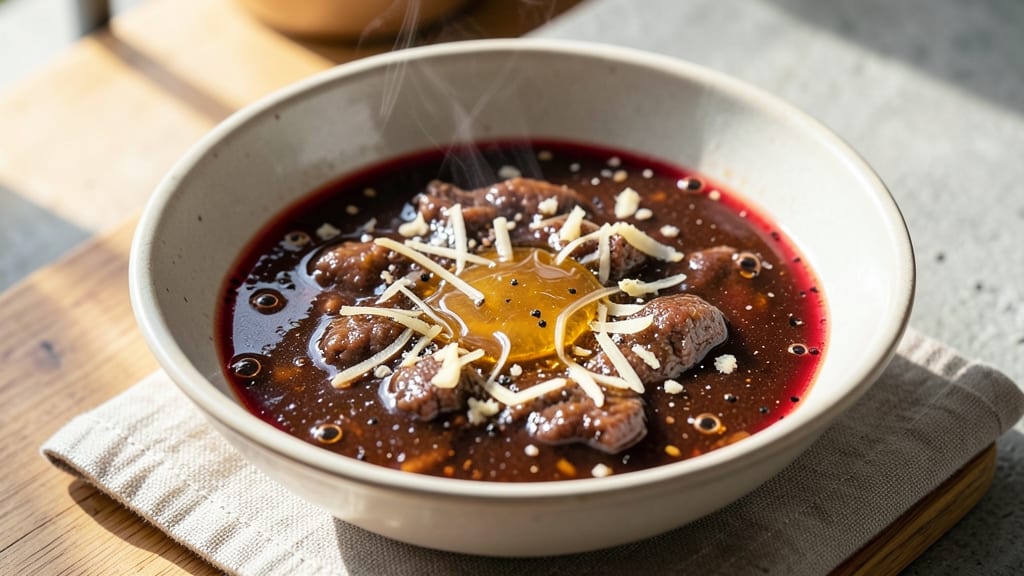
This Asian beef stir-fry sauce delivers the perfect harmony of sweet, spicy, and tangy flavors that elevate any stir-fry from ordinary to extraordinary.
The secret lies in balancing soy sauce, oyster sauce, and a touch of heat, creating a sauce that's rich yet versatile enough to complement beef, chicken, or even vegetables. I've refined this recipe over years of testing, ensuring every spoonful delivers deep umami without overpowering your dish.
The foundation starts with a simple yet powerful combination of aromatics—fresh ginger and garlic—that infuse the sauce with aromatic depth. A touch of cornstarch thickens it just enough to cling beautifully to your stir-fry, while a splash of rice vinegar adds brightness that cuts through the richness.
What sets this sauce apart is its adaptability: use it as a quick deglaze for the pan or toss it with cooked proteins and vegetables for instant flavor.
What you'll end up with is a glossy, aromatic sauce that transforms simple ingredients into a restaurant-quality experience. The sauce keeps well in the fridge for up to a week or freezes perfectly for later use, making it ideal for batch cooking.
Whether you're stir-frying beef, chicken, or tofu, this sauce delivers consistent, bold flavor that's impossible to resist.
Best of all, this recipe requires just 10 minutes of active prep and delivers results that taste like they simmered for hours. The balance of sweetness from honey, heat from chili flakes, and tang from vinegar creates a sauce that's complex yet approachable.
Let's get started—your next stir-fry is about to get a serious flavor upgrade.
Ingredients for asian beef stir fry sauce
Nine simple ingredients transform into a bold, aromatic sauce perfect for stir-fries.
| Ingredient | Amount | Notes |
|---|---|---|
| Soy Sauce 🍶 | ½ cup | Use light soy for balance |
| Oyster Sauce 🦪 | ¼ cup | High-quality for rich flavor |
| Honey 🍯 | 2 tbsp | Pure, no additives preferred |
| Rice Vinegar 🍶 | 1 tbsp | White or seasoned works |
| Fresh Ginger 🧄 | 1 tbsp | Finely grated, fresh only |
| Garlic Cloves 🧄 | 3 cloves | Minced, fresh preferred |
| Sesame Oil 🫒 | 1 tbsp | Toasted for aroma |
| Cornstarch 🌾 | 1 tsp | For thickening consistency |
| Red Chili Flakes 🌶️ | ½ tsp | Adjust for heat preference |
| Water 💧 | ¼ cup | Room temperature preferred |
The soy and oyster sauces are your flavor anchors—Kikkoman soy sauce and Lee Kum Kee oyster sauce are my go-tos, but any quality brands work. Fresh ginger and garlic are non-negotiable here; pre-minced jarred ginger lacks the zing. If you're short on time, frozen ginger works in a pinch. For the sesame oil, grab the toasted kind—Trader Joe's has a great affordable option. The cornstarch is key for that perfect glossy finish, so don't skip it even if you're not a fan of thickening agents.
No sesame oil? Neutral oil plus a pinch of toasted sesame seeds gets you close. Short on oyster sauce? Mushroom sauce or extra soy sauce works, though the umami depth will differ. The honey can be swapped for maple syrup or agave if you prefer vegan options. For heat, gochujang or sriracha can replace chili flakes—just adjust the amount to taste. The water is just for thinning; if your sauce is too thick, add a splash more. Pro tip: Toast your garlic and ginger in the pan first for even deeper flavor.
This sauce keeps beautifully—1 week in the fridge sealed in a jar, or 3 months frozen in ice cube trays for single-use portions. The flavor actually improves after 24 hours as everything melds. I like to make a big batch and keep it on hand for quick weeknight stir-fries. If it separates when refrigerated, just give it a quick stir before using. The cornstarch helps prevent this, but it can still happen with some ingredients.
Why You'll Love This Recipe
- Pantry Magic: This sauce comes together with five ingredients I already have—no special shopping needed. Honestly, I’ve made it three times this month because it’s that reliable.
- Umami Bomb: The oyster sauce and soy sauce hit different—deep, salty, and just a little funky. Add honey and ginger, and suddenly your stir-fry tastes like a restaurant takeout you actually want to cook at home.
- Weeknight Workhorse: I toss this with beef, chicken, or even tofu for lunch the next day. Between us, it’s my go-to for busy nights when I need something fast but still feels special.
- Budget Upgrade: A single jar of oyster sauce stretches across multiple meals, and the rest of the ingredients cost pennies. I’ll be real: it’s the kind of sauce that makes a $10 cut of beef taste like a splurge.
Step-by-step instructions for Asian beef stir fry sauce
Here's how to make this umami-rich sauce that brings perfect balance to every stir fry.
Prepare the Aromatics
In a small bowl, finely grate the 1 tablespoon fresh ginger using a microplane or fine grater. This ensures you get maximum flavor without any fibrous texture. Mince the 3 cloves garlic using a sharp knife - you want tiny, even pieces that will dissolve completely into the sauce. Set both aside.
I always use fresh ginger and garlic because they make a noticeable difference in flavor compared to powdered versions. The fresh ginger should smell bright and zesty, and the garlic should have that sharp, pungent aroma we all know and love.
Combine Wet Ingredients
In a medium saucepan, whisk together the 0.5 cup soy sauce, 0.25 cup oyster sauce, 2 tablespoons honey, 1 tablespoon rice vinegar, and 0.25 cup water. This mixture should be smooth and well-combined. Place the saucepan over medium-low heat and let it warm through for about 2 minutes, stirring occasionally.
The honey will help balance the salty flavors from the soy and oyster sauces, while the rice vinegar adds that essential tang. Stirring constantly prevents any scorching at the bottom of the pan, which would create bitter flavors. You'll know it's ready when the mixture smells rich and aromatic.
Build the Flavor Base
Add the grated ginger and minced garlic to the warm sauce mixture. Stir well and let it simmer gently for 3-4 minutes until the garlic becomes fragrant and the ginger loses its raw edge. You'll notice the mixture darkening slightly as the flavors meld together.
This is where the magic happens - the ginger and garlic infuse their flavors into the sauce. The sauce should smell complex, with notes of soy, umami from the oyster sauce, and the bright aromatics. If you notice any bits sticking to the bottom, stir more vigorously to incorporate them - those browned bits are packed with flavor.
Add Heat and Thicken
Reduce the heat to low and stir in the 0.5 teaspoon red chili flakes and 1 tablespoon sesame oil. Let the mixture simmer for another 2 minutes, allowing the chili flakes to bloom and the sesame oil to infuse its nutty aroma throughout the sauce.
Here's where you can adjust the heat level to your preference. If you want more spice, add a pinch more chili flakes. The sesame oil should make the sauce smell even more complex - you'll get that wonderful toasted aroma that's characteristic of great Asian sauces.
Thicken and Finish
In a small bowl, mix the 1 teaspoon cornstarch with 1 tablespoon cold water until completely dissolved. Slowly pour this mixture into the sauce while stirring constantly. Let the sauce simmer for 1-2 minutes until it thickens to a glossy, coatable consistency - it should coat the back of a spoon.
The sauce is ready when it reaches a consistency that will cling beautifully to your stir fry ingredients. It should be thick enough to coat a spoon but still flow smoothly. If it thickens too much, you can thin it slightly with a splash of hot water. Taste and adjust seasoning if needed - you might want to add a bit more soy sauce for saltiness or honey for sweetness.
Cool and Store
Remove the sauce from heat and let it cool to room temperature. This sauce tastes best when used fresh, but it will keep in an airtight container in the refrigerator for up to 5 days. When ready to use, simply reheat gently in a saucepan over low heat, stirring occasionally until warmed through.
The sauce will thicken slightly more as it cools, so don't worry if it appears a bit runnier when cold. When you're ready to use it, you can thin it with a splash of water if needed. This sauce works beautifully with beef, chicken, tofu, or vegetables in stir fries, and it also makes a great marinade for grilled meats.
Pro Tips For Making Asian Beef Stir Fry Sauce
- GRATE GINGER FINE: DESCRIPTION:
- SIMMER DON’T BOIL: DESCRIPTION:
- BALANCE SWEET-SOUR NOW: DESCRIPTION:
- USE COLD OYSTER SAUCE: DESCRIPTION:
Make-ahead tips for this dish
Batch Prep Essentials
Make a big batch of this sauce—it’s perfect for meal prep! Double the recipe and store it in quart-sized glass jars with tight-sealing lids. The sauce actually improves in flavor after 24 hours as the ingredients meld together.
I like to keep one jar in the fridge for quick stir-fries and freeze the rest in ice cube trays for single-use portions. 🥫
Freezer-Friendly Tips
For long-term storage, pour cooled sauce into silicone ice cube trays and freeze. Once solid, pop out the cubes and transfer to a freezer bag. This method lets you grab just what you need for a quick stir-fry without thawing the whole batch.
The sauce keeps its quality for up to 3 months in the freezer—no freezer burn in sight! ❄️
Thawing and Reheating
To use frozen sauce, thaw overnight in the fridge or microwave on low power for 30-60 seconds. Stir well before using, as it may separate slightly. For best results, reheat gently in a small saucepan over low heat for 2-3 minutes, stirring until smooth.
If it thickens too much, add 1 teaspoon water at a time until it reaches the right consistency. 🔥
Versatile Uses Beyond Stir-Fry
This sauce isn’t just for stir-fries! Use it as a glaze for grilled meats, a dipping sauce for spring rolls, or a marinade for tofu. I love drizzling it over steamed rice or noodles for an instant flavor boost.
The balance of sweet, salty, and umami makes it incredibly adaptable—experiment to find your favorite way to use it! 🍜
Fridge Storage Hacks
Store leftover sauce in the fridge for up to 5 days in an airtight container. If it separates, just stir vigorously before using—it’s normal! To keep it fresh longer, add a small piece of parchment paper on top before sealing to prevent a skin from forming.
Label the container with the date to track freshness. 📅
Sauce Consistency Fixes
If your sauce is too thick after refrigerating, thin it with 1 teaspoon water or broth at a time. For a thicker texture, simmer it uncovered for 1-2 minutes to evaporate excess moisture.
Pro tip: If you’re prepping ahead, store the sauce in smaller portions to avoid over-thickening when reheated. Adjust as needed—every kitchen is slightly different! 💡
Nutrition facts
Frequently asked questions
Can I make this sauce without oyster sauce?
For a vegetarian version, replace the 0.25 cup oyster sauce with 0.25 cup vegetarian oyster sauce or 0.25 cup soy sauce plus 1 tablespoon mushroom sauce. The umami depth will be slightly different but still delicious. If you're avoiding all animal products, use 2 tablespoons soy sauce plus 1 tablespoon coconut aminos for a similar salty profile.
How spicy should my sauce be?
The 0.5 teaspoon red chili flakes gives a mild heat that's perfect for most stir-fries. For extra kick, add 0.25 teaspoon more chili flakes or replace them with 1 teaspoon sriracha. If you prefer no heat, simply omit the chili flakes entirely—the sauce will still taste rich and flavorful.
Can I use this sauce with other proteins besides beef?
This sauce works beautifully with chicken, shrimp, tofu, or even pork. The balance of sweet, salty, and umami makes it versatile enough to complement any protein. For seafood like shrimp, you might reduce the garlic slightly to avoid overpowering flavors, but otherwise, the recipe remains the same.
Why did my sauce get too thick after refrigerating?
This is completely normal! The cornstarch thickens more as the sauce cools. To fix it, simply add 1 teaspoon water or broth at a time while stirring until you reach your desired consistency. If you prefer a thicker sauce, simmer it uncovered for 1-2 minutes to evaporate excess moisture before using.
What's the best way to store leftover sauce?
Store in an airtight container in the fridge for up to 5 days. For longer storage, freeze in ice cube trays for single-use portions (up to 3 months). Thaw overnight in the fridge or reheat directly from frozen on low heat, stirring until smooth. Stir well before using as it may separate slightly.