
Sauces & Condiments
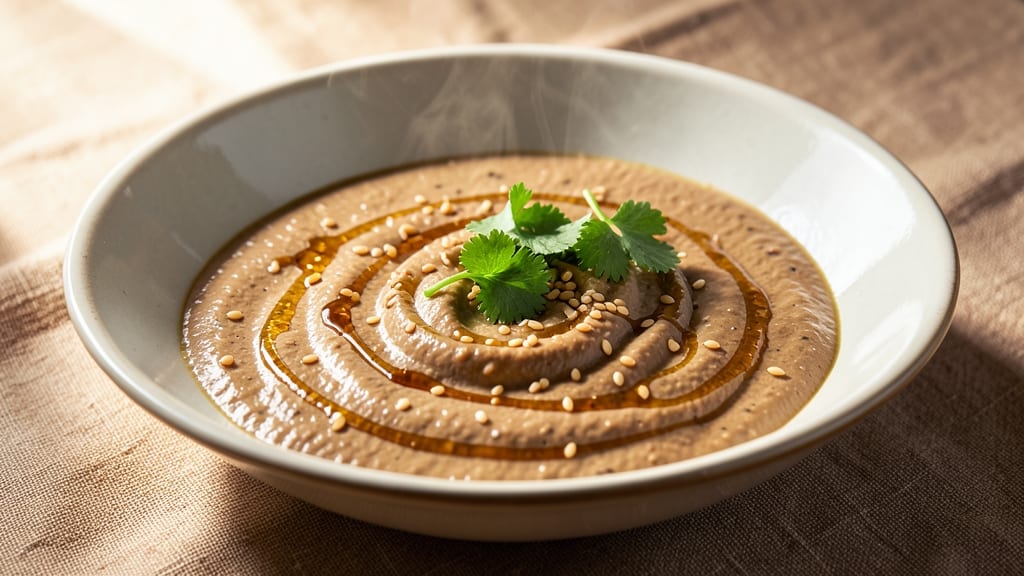
This Asian pesto sauce recipe transforms stir-fries into flavor-packed masterpieces with just a few pantry staples and a blender. The nutty sesame-ginger swirl balances heat, umami, and freshness, elevating everything from noodles to grilled proteins—without overpowering the main dish.
I developed this version after craving a lighter alternative to traditional pesto, and it’s become my go-to for adding depth to Asian-inspired meals in minutes.
The sauce’s secret lies in its three-flavor foundation: toasted sesame oil for richness, fresh ginger for zing, and a touch of lime to brighten the nutty base. Unlike heavy cream-based pestos, this version uses tahini and peanut butter for creaminess, while rice vinegar and soy sauce tie everything together.
It’s vegan-friendly, gluten-free (with tamari), and requires no special equipment—just blend, taste, and adjust.
What makes this sauce stand out is its versatility: drizzle it over steamed veggies, toss with cold noodles, or use as a marinade for tofu or chicken. The texture is silky yet clings beautifully, and the flavors develop even more after 30 minutes of resting.
Store it in the fridge for up to a week or freeze for longer shelf life—perfect for meal prep.
For customization, swap peanuts for cashews (nut-free) or add chili paste for heat. The sauce’s balance of sweet, savory, and tangy ensures it works with nearly any dish, making it a game-changer for home cooks who want restaurant-quality flavor without the fuss. Ready to elevate your cooking? Let’s make it.
Ingredients for asian pesto sauce
Just ten ingredients blend into a creamy, tangy sauce that transforms stir-fries instantly.
| Ingredient | Amount | Notes |
|---|---|---|
| Toasted Sesame Oil 🫒 | ½ cup | High-quality, nutty aroma preserved |
| Tahini 🥜 | ½ cup | Sesame paste, unsweetened |
| Peanut Butter 🥜 | ¼ cup | Natural, unsweetened preferred |
| Fresh Ginger Root 🌿 | 2 tbsp | Grate finely, no need to peel |
| Rice Vinegar 🍶 | 2 tbsp | Seasoned or unseasoned works |
| Tamari or Soy Sauce 🥢 | 1 ½ tbsp | Gluten-free tamari preferred |
| Fresh Lime Juice 🍋 | 1 tbsp | Freshly squeezed, no pulp |
| Garlic Cloves 🧄 | 2 cloves | Peeled, minced or grated |
| Sesame Seeds 🌾 | 2 tbsp | Toasted lightly for extra flavor |
| Water 💧 | ¼ cup | Adjust for desired consistency |
The sesame oil is where this sauce gets its signature depth—look for toasted varieties at Asian markets or the international aisle. Kadoya or La Choy are reliable brands. Tahini and peanut butter form the creamy base, so natural, unsweetened versions are key—no sugar or additives. Fresh ginger is non-negotiable here; the zing is what balances the richness. If you can't find fresh, powdered ginger at half the amount works in a pinch, but it won't be as vibrant. Toast the sesame seeds in a dry pan for 30 seconds—they'll add crunch and extra flavor.
No sesame oil? Swap for neutral oil plus extra sesame seeds (toasted, of course). Peanut butter allergies? Cashew butter or almond butter works beautifully—just add a splash more water for blending. Rice vinegar can be swapped for apple cider vinegar or lime juice, but rice vinegar's mild sweetness keeps the sauce balanced. Tamari is gluten-free, but regular soy sauce works if you're not avoiding gluten. For extra heat, add a dash of chili paste or sriracha—start with 1/2 teaspoon and adjust to taste. The lime juice should be freshly squeezed; bottled juice lacks the bright acidity.
Store this sauce in an airtight container with a thin layer of oil on top to prevent browning—keeps it vibrant for up to 1 week in the fridge. For longer storage, freeze in ice cube trays for up to 3 months—just thaw overnight in the fridge. The sauce thickens as it chills, so add a splash of water when reheating. I always make a double batch—it disappears faster than you'd think, especially when paired with noodles or grilled tofu.
Why You'll Love This Recipe
- Five-Ingredient Magic: I swear by this—just blend tahini, peanut butter, and a little ginger, then hit it with sesame oil and vinegar. No chopping, no fuss, and no excuses for skipping dinner.
- Nutty-Ginger Zing: That first bite? The toasted sesame oil sings while the ginger cuts through the richness—like a warm hug with a kick. Honestly, it’s the kind of flavor that makes you pause mid-bite.
- Weeknight Superstar: Slather it on noodles, drizzle over grilled chicken, or toss with veggies for a quick stir-fry. It’s my go-to when I’m too tired to think but still want something actually tasty.
- No-Waste Wonder: A little goes a long way—this sauce keeps for days in the fridge, and I’ve even frozen it in ice cube trays. Between us, it’s the most underrated pantry hack I’ve ever used.
Step-by-step instructions for Asian pesto sauce
Here's how to blend this vibrant, nutty sauce with perfect balance every time.
Toast the Sesame Seeds for Depth of Flavor
Heat a dry skillet over medium heat. Add the 2 tablespoons sesame seeds and toast them for 2-3 minutes, stirring constantly, until they turn a rich golden brown and release their nutty aroma. Watch closely—they'll darken quickly. Remove from heat immediately and let cool for 1 minute before grinding.
This toasting step is crucial—it enhances the sesame flavor and prevents bitterness in the final sauce. If you don't have a skillet, you can toast them directly in a small bowl over a gas burner, but keep them moving to avoid burning. Once cooled, set aside for the next step.
Blend the Base Ingredients Until Smooth
In a high-powered blender or food processor, combine the 0.5 cup tahini, 0.25 cup peanut butter, 0.5 cup toasted sesame oil, 2 tablespoons fresh ginger root (grated), 2 cloves garlic cloves (minced), and 1.5 tablespoons tamari or soy sauce. Blend on high for 1-2 minutes until completely smooth, scraping down the sides as needed.
The tahini and peanut butter will create a thick paste at first, but the sesame oil helps emulsify everything. If the mixture seems too thick, add 1 tablespoon of water at a time until it reaches a pourable consistency. You're aiming for a thick, spreadable sauce that will coat your stir-fry beautifully.
Incorporate the Acidic Elements for Balance
With the blender running on low speed, slowly drizzle in the 2 tablespoons rice vinegar and 1 tablespoon fresh lime juice. This gradual addition prevents the sauce from separating. Blend for another 30-45 seconds until fully incorporated and smooth.
The acidity from the vinegar and lime brightens the nutty flavors and balances the richness. Taste the sauce at this point—you should notice a harmonious blend of sesame, peanut, and ginger notes with a subtle tang. If it needs more acidity, add another ½ teaspoon of lime juice; if it's too sharp, a pinch of salt or ½ teaspoon more peanut butter will help.
Adjust Consistency and Finish with Toasted Seeds
Add the toasted sesame seeds and pulse 2-3 times just to distribute them evenly. If the sauce is too thick, add the remaining 0.25 cup water 1 tablespoon at a time until it reaches your desired consistency—it should coat the back of a spoon but still be pourable. For a thinner sauce (great for drizzling), aim for ½ cup total liquid; for a thicker sauce (ideal for tossing), use closer to ¼ cup.
Give it one final taste and adjust seasoning if needed. The sauce should be vibrant, nutty, and slightly tangy with a lingering ginger warmth. If it's too strong, thin it slightly; if it's too mild, add another ½ teaspoon of tamari or soy sauce. Transfer to a clean jar and store in the refrigerator for up to 1 week or freeze for 3 months.
Pro Tips For Making Asian Pesto Sauce
- GRATE GINGER FINE: I learned this the hard way—chunky ginger pieces make the sauce taste like you rushed. Use the smallest holes on a box grater or a microplane, then press it through a fine-mesh sieve to remove any fiber. This ensures the ginger blends smoothly and releases its flavor evenly, not in bitter bursts.
- WHISK PEANUT BUTTER FIRST: Don’t just dump peanut butter into the mix—it clumps like a stubborn kid refusing to share. Warm it slightly (30 seconds in the microwave, stir, repeat) and whisk it into the tahini before adding liquids. This creates a silky base that won’t separate later, even if you add more vinegar or oil later.
- SALT THE TAHINI: Tahini is salty by nature, but store-bought versions vary wildly. Taste it first—if it’s bland, add a pinch of salt (about ¼ teaspoon per 2 tablespoons) before blending. This balances the peanut butter’s sweetness and saves you from over-salting the whole sauce later.
- DILUTE IN STAGES: Start with just rice vinegar and sesame oil, then add water one teaspoon at a time. The sauce should coat the back of a spoon but still hold shape—like thick honey. Dumping in liquid all at once turns it into a sad, watery glop. Adjust as you go; you can always thicken it later with a splash of tahini.
Flavor customization for this asian pesto sauce
Spicy Kick Options
For heat lovers, add 1-2 teaspoons of chili paste (like Sriracha or Gochujang) to the base blend before adjusting consistency. Start small—this sauce packs flavor intensity! For smoky heat, swap ½ teaspoon smoked paprika into the toasted sesame seeds before blending. 🌶️
Sweet Variations
Balance the nutty richness with 1 teaspoon honey or maple syrup during the final blend. I love adding 1 teaspoon toasted coconut flakes for tropical vibes—great with Thai-inspired dishes. For caramelized depth, stir in 1 tablespoon light brown sugar while blending the tahini and peanut butter.
Nut-Free Adaptations
Replace peanut butter with ½ cup cashew butter or ¼ cup sunflower seed butter for nut-free versions. Add 1 extra tablespoon water to compensate for thickness differences. For seed-free options, use avocado (¼ cup) instead of tahini—it adds creaminess without nuts.
Herb Infusions
Swap fresh ginger for cilantro or Thai basil (½ cup loosely packed) in the blend. The herbs add freshness that cuts through the sauce’s richness. For a cilantro version, add 1 teaspoon lime zest to brighten the flavor. Basil pairs beautifully with peanut butter—it’s my go-to for Vietnamese-inspired dishes.
Umami Boosters
Deepening the savory profile? Add 1 teaspoon miso paste or ½ teaspoon fish sauce to the base blend. For vegetarian options, use 1 teaspoon nutritional yeast. These additions elevate the sauce’s complexity without overpowering the ginger-sesame foundation.
Texture Tweaks
Want chunkier sauce? Reserve 1 tablespoon toasted sesame seeds before blending, then fold them in at the end. For extra creaminess, stir in 2 tablespoons coconut yogurt after blending. The texture contrast makes this sauce even more versatile for drizzling or tossing. ✨
Nutrition facts
Frequently asked questions
Can I make this Asian pesto sauce without a blender?
Yes! For a chunkier texture, use a mortar and pestle to grind the sesame seeds, garlic, and ginger into a paste first. Then mix all ingredients in a bowl with a fork until well combined. You may need to add 1 extra tablespoon of water to help emulsify the tahini and peanut butter. The texture will be rustic but still delicious—perfect for drizzling over noodles or grilled meats.
How do I prevent the sauce from separating?
The key is blending the tahini, peanut butter, and sesame oil together first to create a stable base. Always add acidic ingredients (vinegar, lime juice) slowly while blending on low speed. If separation happens, whisk in 1 teaspoon of water or a splash of sesame oil to re-emulsify. For extra insurance, store the sauce with a thin layer of oil on top to preserve its texture.
What are the best dishes to use this sauce with?
This versatile sauce elevates everything from stir-fries to grilled proteins! Try it on steamed jasmine rice, cold soba noodles, or as a marinade for tofu or chicken skewers. It also works beautifully as a dip for spring rolls or a finishing sauce for ramen or pho. The nutty-sesame flavor complements both spicy and mild dishes equally well.
Can I make this sauce ahead of time?
This sauce actually tastes better after 30 minutes of resting as the flavors meld together. Store it in an airtight container in the fridge for up to 1 week, with a thin layer of oil on top to prevent browning. For longer storage, freeze in ice cube trays for up to 3 months—just thaw overnight in the fridge before using. The texture may thicken slightly when chilled, so add a splash of water when reheating.
What if I don't have fresh ginger?
Use 1 teaspoon of ground ginger instead, but reduce the amount by half (½ teaspoon) since it's more concentrated. For best results, toast the ground ginger in a dry pan for 30 seconds to enhance its flavor before blending. If you can't find any substitute, omit it entirely—the sauce will still be delicious, just less zesty. The lime juice and vinegar will still provide the necessary acidity to balance the flavors.