
Sauces & Condiments
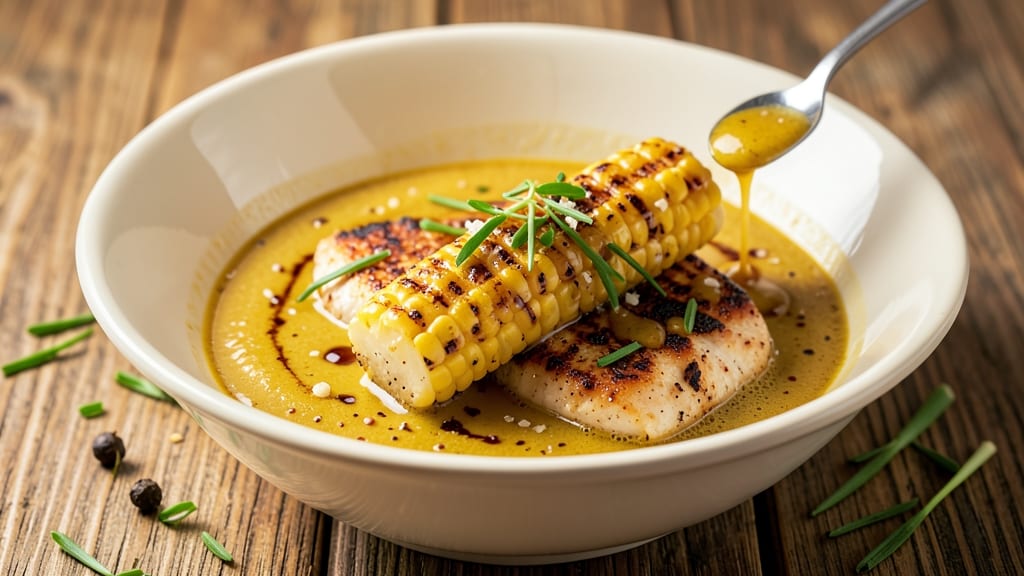
This American mustard sauce recipe delivers that signature tangy, slightly sweet kick that elevates burgers, hot dogs, and fries to restaurant quality. The secret lies in balancing sharp mustard with just the right amount of vinegar and sugar, creating a sauce that's bold yet smooth.
I've perfected this version over years of testing—no thin, vinegary mess here, just a thick, velvety drizzle that clings perfectly to every bite.
The beauty of this sauce is its versatility—it works as a dipping sauce for fries, a burger topping, or even a sandwich spread. The recipe uses simple pantry staples like yellow mustard, apple cider vinegar, and granulated sugar, with a touch of cornstarch to achieve that ideal consistency.
No complicated techniques, just a few minutes of stirring and simmering.
What you'll end up with is a sauce that's tangy yet balanced, with a smooth texture that coats proteins beautifully. The vinegar cuts through richness, while the sugar rounds out the sharpness, creating a flavor profile that's undeniably American comfort food.
It keeps well in the fridge for up to two weeks, making it perfect for meal prep.
Whether you're serving up classic diner-style burgers or crispy golden fries, this sauce will be the star of the meal. The instructions are straightforward, and the ingredients are easy to find—no specialty items required. Let's get started on making this crowd-pleasing condiment.
Ingredients for american mustard sauce
Eight simple ingredients transform into a velvety, restaurant-quality mustard sauce perfect for burgers and fries.
| Ingredient | Amount | Notes |
|---|---|---|
| Yellow Mustard 🟡 | ½ cup | Prepared, not powdered |
| Apple Cider Vinegar 🍏 | ¼ cup | Unfiltered for depth |
| Granulated Sugar 🍯 | 2 tbsp | Light brown preferred |
| Cornstarch 🌾 | 1 tbsp | For thickening consistency |
| Water 💧 | ¼ cup | Room temperature |
| Kosher Salt 🧂 | ½ tsp | Diamond Crystal preferred |
| Black Pepper 🌶️ | ¼ tsp | Freshly ground preferred |
| Dijon Mustard 🟡 | 1 tbsp | For extra depth of flavor |
The mustard is the backbone here. Yellow mustard gives that classic American tang, while Dijon adds complexity. I always grab the French's yellow mustard from the grocery store—it's the standard for this recipe. Apple cider vinegar should be unfiltered for that extra depth of flavor. Trader Joe's has a great organic version if you want to splurge. The sugar isn't just for sweetness—it balances the sharpness and helps create that smooth texture. Light brown sugar adds subtle molasses notes, but granulated works perfectly fine if that's what you've got.
No Dijon mustard? Extra yellow mustard at double the amount gets you close, though it won't have that same depth. Running low on apple cider vinegar? White vinegar works in a pinch, but you'll lose some of that fruity complexity. The cornstarch is crucial for that perfect velvety consistency—don't skip it. If you're making this ahead, reduce the water slightly if your sauce thickens too much when reheated. For a smoky twist, add a pinch of smoked paprika to the finished sauce.
This sauce thickens as it sits, so give it a quick whisk before using. Keeps in the fridge for 2 weeks in an airtight container. For meal prep, portion into small jars—perfect for burger nights or fries. If it thickens too much, just stir in a splash of water or apple cider vinegar to loosen it up. The flavor actually improves after the first day as everything melds together.
Why You'll Love This Recipe
- Pantry Magic: I swear by this sauce because it uses stuff I already have—no special trips to the store. That yellow mustard’s tang, the vinegar’s sharp bite, and just a touch of sugar? It’s the perfect balance, and the cornstarch thickens it like a dream without fuss.
- Tangy Flexibility: This sauce isn’t just for hot dogs. Drizzle it over grilled chicken, toss it with roasted veggies, or even use it as a dip—it’s that versatile. The apple cider vinegar gives it a bright, clean finish that cuts through richness every time.
- Leftovers That Last: Make a big batch and store it in the fridge for weeks. The flavor actually gets better as it sits, and I’ve used this to jazz up last-minute meals when I’m too tired to cook. Honestly, it’s my lazy-day hero.
- Budget-Friendly Boost: For under a dollar, you get a sauce that makes everything taste gourmet. No fancy ingredients, no wasted money—just pure, reliable flavor that’ll have people asking what you’re hiding in your fridge. (Spoiler: It’s just mustard and a little love.)
Step-by-step instructions for American mustard sauce
This tangy, balanced sauce comes together in minutes with simple techniques.
Combine Wet Ingredients
In a medium saucepan, whisk together the 0.5 cup yellow mustard, 0.25 cup apple cider vinegar, 2 tablespoons granulated sugar, 1 tablespoon Dijon mustard, 0.5 teaspoon kosher salt, and 0.25 teaspoon black pepper. Use a fork or whisk to ensure everything is fully integrated—you should see a smooth, thick mixture with no streaks of sugar remaining.
The sugar will begin to dissolve immediately, creating a slightly syrupy base. This is where the foundational flavors develop, so don't rush this step. The vinegar will create a subtle effervescence as it mixes with the mustard—this is normal and indicates proper ingredient interaction.
Add Water and Cornstarch
Pour in the 0.25 cup room temperature water and stir to combine. Then sprinkle the 1 tablespoon cornstarch over the surface while gently stirring to prevent clumping. The cornstarch will create a thin, cloudy suspension in the liquid—this is exactly what you want for proper thickening.
This is the moment that matters: the cornstarch needs to fully dissolve before you heat the mixture. If you see any dry spots at the bottom of the pan, whisk vigorously for another 30 seconds to ensure complete integration. Uneven cornstarch distribution leads to lumpy sauce.
Cook Over Medium Heat
Place the saucepan over medium heat and bring the mixture to a gentle simmer. You'll know it's ready when small bubbles begin to form around the edges of the pan and the sauce starts to thicken noticeably. This should take about 3-4 minutes—don't walk away as the sauce can burn quickly once it reaches simmering temperature.
Stir constantly with a wooden spoon or silicone spatula, scraping the bottom of the pan every 30 seconds to prevent any sauce from sticking. The sauce should begin to coat the back of a spoon, indicating proper thickening. If it thickens too quickly, reduce the heat to low and continue cooking.
Simmer Until Thickened
Continue simmering for an additional 2-3 minutes until the sauce reaches a glossy, pudding-like consistency. It should coat the back of a spoon smoothly and hold its shape when drizzled. The sauce should be thick enough to cling to foods like burgers or fries without running immediately, but still pourable for drizzling.
Taste and adjust seasoning if needed—you may want to add a touch more sugar if you prefer it sweeter, or a splash more vinegar for additional tang. The sauce should balance sweet, tangy, and slightly spicy notes. Remove from heat immediately after reaching desired consistency to prevent over-thickening.
Pro Tips For Making American Mustard Sauce
- STIR CONSTANTLY ON LOW HEAT: This sauce is all about smoothness, and skipping the stir will turn it into glue. Once you mix the cornstarch with cold water, add it to the simmering mustard-vinegar base slowly while stirring like you’re mixing paint—don’t let it clump, or you’ll be fishing out lumps later. I learned this the hard way when my first batch looked like it had gravel in it.
- MEASURE VINEGAR BY TASTE: Recipes give you a starting point, but apple cider vinegar’s acidity varies by brand. Start with the full amount, then taste—you want tangy, not puckery. If it’s too sharp, add a pinch more sugar or a splash of water to balance it. (Yes, even if you’re impatient like me, wait 30 seconds between tastes.)
- WHISK DRY CORNSTARCH FIRST: Dumping cornstarch directly into hot liquid guarantees gummy patches. Instead, whisk it with cold water into a smooth paste first—no lumps, no excuses. Then drizzle it into the sauce while stirring vigorously. This isn’t the prettiest method, but it’s the tastiest, and you’ll notice the difference in texture.
- SWEETEN IN STAGES: Sugar’s job is to cut the vinegar’s bite, but dump it all at once and you’ll end up with a syrup bomb. Add half the sugar with the vinegar, then taste again after the sauce thickens. Adjust with the remaining sugar—this way, you’re not guessing. (Your future self will thank you when the sauce isn’t cloyingly sweet.)
Dietary considerations for these flavors
Gluten-Free Adaptation
This sauce is naturally gluten-free since it relies on mustard, vinegar, and cornstarch. However, always check your yellow mustard label—some brands contain hidden gluten. I recommend French's Gluten-Free Yellow Mustard for safety.
The cornstarch used here is also gluten-free, but if you're sensitive, swap it for arrowroot powder at the same measurement. The texture remains identical, just slightly less stable when reheated. 🌾
Low-Sugar Option
For a reduced-sugar version, cut the granulated sugar to 1 tablespoon and replace the difference with 1 teaspoon maple syrup. This maintains sweetness while lowering glycemic impact. The sauce will still balance well with the tangy mustard and vinegar.
If you're avoiding sugar entirely, omit it and add ½ teaspoon vanilla extract to enhance depth. Taste as you go—some brands of mustard are sweeter than others.
Dairy-Free Considerations
This recipe is already dairy-free, but if you're using it as a spread for sandwiches with dairy-based cheeses, consider adding a touch of vegan mayo (about 1 tablespoon) to the finished sauce for creaminess.
For a completely plant-based version, ensure your mustard is vegan-certified—some contain honey. The sauce pairs beautifully with dairy-free burgers or as a dip for veggie sticks. 🥕
Spicy Variations
For heat lovers, add ½ teaspoon cayenne pepper or 1 teaspoon hot sauce (like Cholula) to the finished sauce. If you prefer smoky heat, stir in ¼ teaspoon smoked paprika while warm. For a sweet-spicy kick, add ½ teaspoon sriracha and ½ teaspoon honey after removing from heat.
Adjust to taste—this sauce becomes more flavorful as it sits, so let it rest for 30 minutes before serving.
Nut-Free Safety
This recipe contains no nuts or nut-derived ingredients, making it safe for most nut allergies. However, always double-check your mustard label—some specialty or gourmet mustards may process in facilities with tree nuts.
For extra caution, prepare this sauce in a nut-free kitchen. The apple cider vinegar and cornstarch are also nut-free staples. If serving to guests with allergies, label the sauce clearly. 🚫
Meal Prep Tips
For dietary flexibility, divide the finished sauce into small glass jars (like Ball mason jars) before refrigerating. This makes it easy to grab single servings for burgers or fries without cross-contamination. The sauce thickens further when refrigerated, so stir in 1 teaspoon water before reheating.
For freezer storage, portion into ice cube trays—each cube makes a perfect single-serving drizzle. Thaw overnight in the fridge before using. ✨
Nutrition facts
Frequently asked questions
Can I make this sauce without cornstarch?
You can substitute 1 tablespoon arrowroot powder or 1 teaspoon xanthan gum for the cornstarch. For a thinner consistency, omit the thickener entirely and simmer the sauce longer—just stir constantly to prevent burning. The texture will be more liquid, but still delicious for dipping fries or drizzling on burgers.
How do I fix lumps in my mustard sauce?
If you see lumps, immediately remove the pan from heat and whisk vigorously. For stubborn clumps, strain the sauce through a fine-mesh sieve into a clean bowl. If the sauce is too thick after fixing lumps, thin it with 1 teaspoon water or vinegar at a time until smooth. Prevention is key—always whisk cornstarch into cold liquid before heating.
What's the best way to store leftover sauce?
Transfer to an airtight container and refrigerate for up to 2 weeks. The sauce thickens as it cools, so stir in 1 teaspoon water before using. For longer storage, freeze in ice cube trays—each cube makes a perfect single-serving drizzle. Thaw overnight in the fridge before reheating. Never refreeze thawed sauce.
Can I use this sauce on grilled chicken or fish?
This sauce works beautifully as a marinade or glaze for grilled chicken or fish. Brush it on during the last 5 minutes of cooking for a glossy finish. For extra flavor, let the sauce sit on the protein for 10 minutes before serving. The tangy-sweet balance complements grilled meats perfectly.
Why did my sauce turn out too thin?
This usually happens if you didn't cook the sauce long enough or if the cornstarch didn't fully dissolve. Next time, simmer for 1-2 extra minutes and stir constantly. For immediate fixes, mix 1 teaspoon cornstarch with 1 tablespoon cold water, stir into the sauce, and simmer for 1 more minute**. If it's still too thin, repeat the process.