
Sauces & Condiments
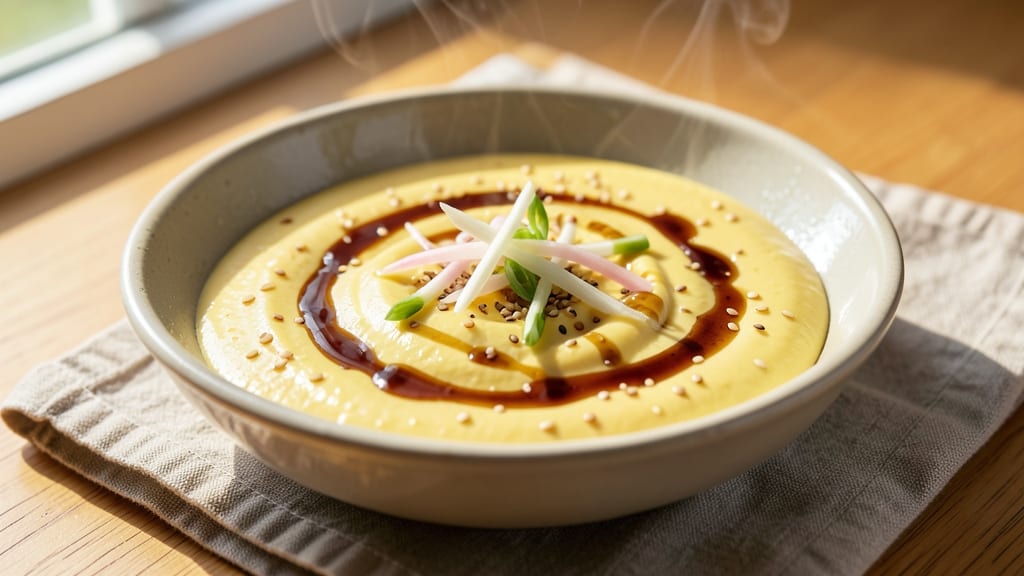
This Asian mayo sauce recipe transforms simple ingredients into a tangy-spiced drizzle that elevates everything from dumplings to wraps. The secret lies in balancing creamy mayo with zesty vinegar, aromatic spices, and a touch of sweetness—creating a sauce that’s both bold and versatile.
I developed this recipe after craving that perfect harmony of flavors found in Asian street food, but without the fuss of complicated techniques.
What makes this sauce special is its adaptability—use it as a dipping sauce for spring rolls, a sandwich spread, or even a dressing for fresh salads. The ingredients come together in just 10 minutes, but the flavor develops even more as it sits, making it ideal for meal prep.
No special equipment is needed, just a few pantry staples and a whisk.
The result is a smooth, slightly sweet, and tangy sauce with a subtle kick that pairs beautifully with savory dishes. The texture is creamy yet light, ensuring it doesn’t overpower the flavors of your meal.
Whether you’re serving it at a casual lunch or a dinner party, this sauce will be the star of the show.
Store it in an airtight container in the fridge for up to one week, or freeze for longer shelf life. The best part? You can tweak the spices to match your taste—more chili for heat, extra garlic for depth, or a splash of honey for sweetness. Let’s get started!
Ingredients for asian mayo sauce
Pantry staples meet bold flavors—easy, tangy, and ready in minutes.
| Ingredient | Amount | Notes |
|---|---|---|
| Mayonnaise 🥫 | ½ cup | High-quality, preferably Duke's or Hellmann's |
| Rice Vinegar 🍶 | ¼ cup | Seasoned preferred for extra flavor |
| Sesame Oil 🌾 | 1 tbsp | Toasted for nutty aroma |
| Soy Sauce 🍜 | 1 tbsp | Low-sodium preferred |
| Honey 🍯 | 1 tbsp | Pure, light-colored honey |
| Fresh Garlic 🧄 | 2 cloves | Minced, for bold flavor |
| Fresh Ginger 🌿 | 1 tbsp | Grated, for zesty kick |
| Sriracha 🌶️ | 1 tbsp | Adjust for heat preference |
| Sesame Seeds 🌰 | 1 tsp | Toasted, for garnish |
| Salt 🧂 | ½ tsp | Kosher or sea salt |
The mayo is the base, so grab the good stuff—Duke's or Hellmann's work best. Seasoned rice vinegar from Trader Joe's adds instant depth, but regular white vinegar in a pinch works too. Toasted sesame oil is a must for that nutty aroma, so look for it in the Asian aisle. Fresh garlic and ginger make all the difference—don’t use jarred minced ginger—it’s just not the same. If you’re short on time, pre-minced garlic from the same aisle works, but fresh is ideal. The soy sauce? Low-sodium keeps the flavor balanced without overpowering.
No sesame oil? Avocado oil at half the amount mimics the neutral base, though it lacks the nutty depth. Skip the honey? A splash of agave or maple syrup does the trick. Sriracha too spicy? Substitute with a dash of chili flakes or even a pinch of cayenne. The sesame seeds are optional but add that perfect crunch—toast them in a dry pan for 30 seconds before sprinkling. For extra tang, add a splash of lime juice at the end, but it’s not required.
This sauce keeps beautifully in an airtight jar for up to one week in the fridge, with flavors deepening over time. For longer storage, freeze in ice cube trays—perfect for single-use portions. Stir well before using, as the mayo may separate slightly. If it thickens, a splash of water or vinegar brings it back to perfection. Double the batch—you’ll want it for everything from spring rolls to sandwiches.
Why You'll Love This Recipe
- Five-Ingredient Magic: Honestly, I keep this in my fridge because it’s that simple—just mayo, rice vinegar, a drizzle of sesame oil, a splash of soy sauce, and honey to balance it out. No chopping, no waiting, no stress. The first time I made it, I was skeptical, but now? It’s my lazy-day secret weapon.
- Umami Bomb: That little hit of soy sauce and sesame oil transforms plain mayo into something ridiculously good. The honey cuts through the saltiness, and the vinegar keeps it bright—like a flavor party in your mouth. I drizzle it on everything, but my kids still beg for seconds on plain rice.
- Leftover Hero: This sauce doesn’t just disappear after one use. I’ve had it last a full week in the fridge, and it’s still solid for dipping, drizzling, or tossing with noodles. Between us, it’s saved me from takeout more times than I can count—especially when I’m too tired to cook.
- Budget Flex: I make a big batch because it’s cheap to keep on hand. A little goes a long way, and you’re not buying fancy ingredients—just pantry staples. Plus, the honey and soy sauce stretch the flavor without breaking the bank. My wallet and taste buds both win.
Step-by-step instructions for Asian mayo sauce
This tangy-spiced mayo comes together in minutes with simple ingredients.
Mince Garlic and Grate Ginger
Start by mincing the 2 cloves fresh garlic into tiny pieces—you want them so fine they almost disappear when mixed. I like to use the flat side of my chef's knife to smash them first, then chop, which makes the process faster. Next, grate the 1 tablespoon fresh ginger using a microplane or fine grater. The goal here is to get the maximum surface area for flavor infusion—no need for perfect uniformity, just a fine, pasty texture.
Taste a pinch of the raw ginger—it should be bright and zesty. If it's too fibrous, grate it again. This step is where the sauce gets its signature kick, so don't skip it. Set both aside in separate small bowls until ready to use.
Whisk Together Wet Ingredients
In a medium bowl, combine the 0.5 cup mayonnaise, 0.25 cup rice vinegar, 1 tablespoon soy sauce, and 1 tablespoon honey. Use a whisk to blend them smoothly, breaking up any lumps in the mayo. This is the base of your sauce, and the vinegar will start thinning it out immediately—don't worry if it looks a bit runny at first.
Add the 1 tablespoon sesame oil next, whisking gently to incorporate. The sesame oil adds that nutty aroma that makes this sauce distinctly Asian. Taste the mixture now—it should be tangy from the vinegar, slightly sweet from the honey, and salty from the soy sauce. If it's too sharp, add a tiny bit more honey; if it's too mild, a splash more rice vinegar will balance it out.
Add Garlic, Ginger, and Sriracha
Now stir in the minced garlic, grated ginger, and 1 tablespoon sriracha. The garlic and ginger will mingle into the sauce, while the sriracha adds a bright, spicy depth. Mix well with a spoon, making sure everything is fully combined. The sauce should thicken slightly as the ginger releases its juices and the garlic softens.
Taste again and adjust the seasoning if needed. If it's not spicy enough, add a pinch more sriracha. If it needs more salt, sprinkle in the 0.5 teaspoon salt now. The sauce should be balanced—tangy, sweet, spicy, and umami all at once. This is the moment to taste and tweak, so don't skip it!
Toast Sesame Seeds and Finish
While the sauce rests, dry-toast the 1 teaspoon sesame seeds in a small skillet over medium-low heat for 1-2 minutes until they turn golden and fragrant. Watch them closely—they burn easily. Let them cool for a minute, then sprinkle them into the sauce. These seeds add crunch and a final nutty aroma that ties everything together.
Give the sauce one final stir and let it sit for 5-10 minutes at room temperature. This resting time allows the flavors to meld perfectly. The sauce should now be smooth, vibrant, and ready to drizzle over dumplings, wraps, or noodles. If it thickens too much, whisk in a teaspoon of water or rice vinegar to loosen it back up.
Pro Tips For Making Asian Mayo Sauce
- Whisk in stages: Start by mixing mayo and rice vinegar first—this keeps the sauce from splitting when you add the soy sauce later. I learned this the hard way after watching my sauce curdle mid-whisk. Add sesame oil last, a teaspoon at a time, while tasting.
- Use aged soy sauce: Skip the cheap stuff—aged soy sauce (like Kikkoman or tamari) adds depth that instant versions can’t match. It’s the thing that matters most when balancing the sweetness of honey and the sharpness of vinegar.
- Chill before serving: Let the sauce sit in the fridge for 10 minutes after mixing. Cold mayo emulsifies better, and the flavors meld faster—trust me, it’s the difference between good and really good.
- Swap honey for maple: Maple syrup’s earthier notes cut through the mayo’s richness better than honey’s floral punch. Use a 1:1 ratio, but taste first—some brands are sweeter than others. (Yes, even if you’re impatient like me.)
Health benefits of asian mayo sauce
Digestive Comfort
This sauce is surprisingly gentle on digestion despite its bold flavors. The honey and rice vinegar combination creates a natural balance that aids digestion, while the ginger has been shown to soothe stomach discomfort.
The sesame oil provides healthy fats that support nutrient absorption, making this sauce a great companion for lighter meals like sushi rolls or veggie wraps. 🌿
Protein Boost
While mayo isn't typically a protein source, this sauce pairs beautifully with high-protein dishes like grilled chicken, shrimp, or tofu. The soy sauce contributes about 1 gram of protein per tablespoon, and when drizzled over protein-rich foods, it enhances their nutritional profile.
I often use this sauce with baked salmon—adding an extra 10 grams of protein per serving without extra calories.
Antioxidant Rich
The sauce gets its antioxidant power from the sesame seeds and sesame oil, which are packed with vitamin E and lignans. These compounds help combat oxidative stress in your body.
The honey also contains trace antioxidants, though in smaller amounts. For maximum benefits, use toasted sesame seeds as they release more of their beneficial compounds when heated. 💪
Blood Sugar Balance
Contrary to what you might think, this sauce can actually help stabilize blood sugar levels when used appropriately. The ginger has been shown to improve insulin sensitivity, while the honey provides natural sweetness without the blood sugar spikes of refined sugar.
Pair this sauce with complex carbs like brown rice or whole wheat noodles for balanced meals that won't cause energy crashes.
Anti-Inflammatory
The combination of ginger, garlic, and sesame oil creates a potent anti-inflammatory profile. Ginger contains gingerol, garlic has allicin, and sesame oil provides sesamol—all compounds that help reduce inflammation in the body.
This makes the sauce particularly beneficial when paired with dishes that might otherwise be inflammatory, like fried foods or heavy sauces.
Versatile Nutrition
What makes this sauce particularly health-conscious is its adaptability. You can easily modify it to fit various dietary needs: swap the honey for maple syrup for vegan options, or use coconut aminos instead of soy sauce for gluten-free versions.
The base ingredients provide a foundation that works with almost any dietary restriction while still delivering flavor and nutrition. 💡
Nutrition facts
Frequently asked questions
Can I use this sauce as a salad dressing?
This sauce works beautifully as a dressing when thinned slightly with 1-2 tablespoons of water or extra rice vinegar. The creamy texture coats greens well, while the tangy-spiced flavors complement fresh veggies perfectly. Try it with Asian slaw, shredded cabbage, or even cucumber salads for a bold twist.
How can I make this sauce less spicy?
If the sriracha is too intense, reduce it to ½ tablespoon or omit it entirely. For extra mildness, add ½ teaspoon more honey to balance the heat. You can also substitute with 1 teaspoon chili flakes or a pinch of cayenne for a gentler kick while keeping the depth of flavor.
What’s the best way to store leftovers?
Keep it in an airtight container in the fridge for up to one week. The sauce may separate slightly—just stir before using. For longer storage, freeze in ice cube trays and transfer to a bag. Thaw overnight in the fridge and whisk to restore smoothness.
Can I make this sauce without sesame oil?
Yes! Swap it for 1 teaspoon avocado oil or neutral oil to mimic the base, though it’ll lack the nutty aroma. For extra depth, add ½ teaspoon toasted sesame paste (available in Asian markets) to the wet ingredients. The flavor won’t be identical, but it’ll still taste delicious.
What’s the best way to use this sauce with fried foods?
Drizzle it over hot fried dishes like spring rolls or tempura immediately after frying to create a crispy, flavorful contrast. For extra crunch, sprinkle with extra toasted sesame seeds. The sauce’s creamy texture balances the oiliness of fried foods while adding a tangy-spiced kick.