
Sauces & Condiments
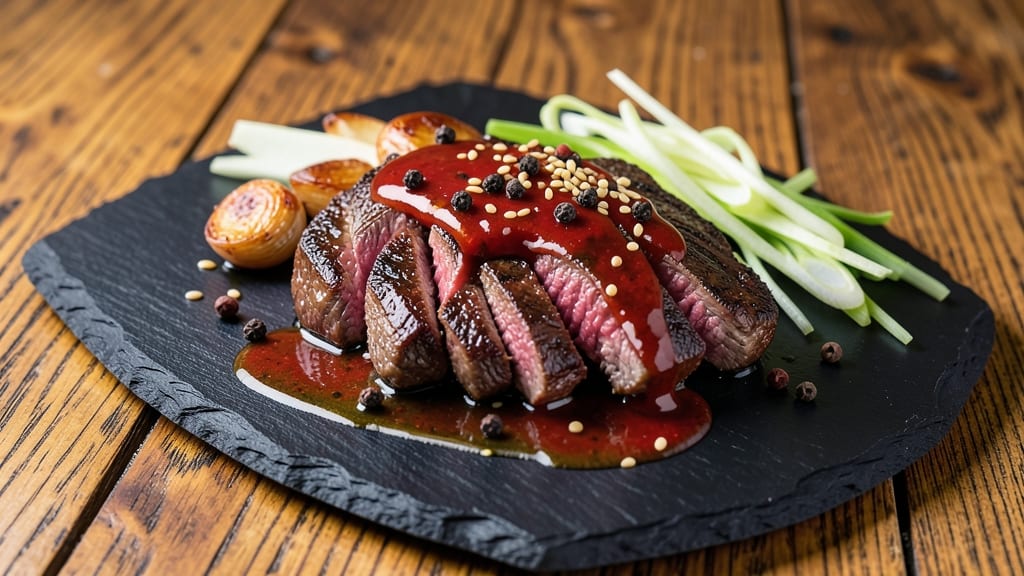
This Asian pepper steak sauce delivers a perfect balance of smoky, sweet, and umami flavors with a fresh herb zing that elevates any steak dish. The secret lies in combining soy sauce, chili, garlic, and ginger with a touch of black pepper or Sichuan peppercorn for that signature kick.
I developed this sauce after years of perfecting the art of balancing bold Asian flavors without overpowering the natural taste of steak.
The sauce starts with a fragrant base of garlic and ginger sautéed in oil, then simmers with soy sauce, brown sugar, and a blend of chili pastes to create depth. What sets this apart is the addition of fresh herbs like cilantro and Thai basil, which add brightness and complexity.
The result is a versatile sauce that works as a marinade, dipping sauce, or glaze for steak, chicken, or even vegetables.
What you'll end up with is a glossy, aromatic sauce that's rich yet balanced—smoky from the pepper, sweet from the caramelization, and tangy from the soy and herbs. It's the kind of sauce that transforms a simple steak dinner into a restaurant-worthy meal without requiring advanced techniques.
The best part? It keeps well in the fridge for up to a week, so you can make a batch ahead for multiple meals.
Whether you're grilling, pan-searing, or broiling, this sauce will take your dish to the next level. The instructions are straightforward, and the flavor profile is flexible enough to adapt to different tastes. Let's get started on creating this flavor-packed sauce that will become a staple in your cooking routine.
Ingredients for asian pepper steak sauce
Nine bold flavors come together for this restaurant-worthy steak sauce.
| Ingredient | Amount | Notes |
|---|---|---|
| Soy Sauce 🥢 | ½ cup | Use dark soy for richer color |
| Brown Sugar 🍯 | ¼ cup | Packed for accurate measurement |
| Sesame Oil 🫒 | 1 tbsp | Toasted sesame oil preferred |
| Garlic Cloves 🧄 | 5 cloves | Minced for aromatic base |
| Fresh Ginger 🌿 | 2 tbsp | Grated, not powdered |
| Sichuan Peppercorns 🌶️ | 1 tsp | Toasted for maximum aroma |
| Black Peppercorns 🌶️ | 1 tsp | Freshly cracked preferred |
| Red Chili Paste 🔥 | 2 tbsp | Like Thai bird's eye chili |
| Fresh Cilantro 🌿 | ¼ cup | Stems included for extra flavor |
| Thai Basil Leaves 🌿 | ¼ cup | Packed, for authentic aroma |
| Lime Juice 🍋 | 2 tbsp | Freshly squeezed for brightness |
| Water 💧 | ½ cup | For thinning consistency |
The Sichuan peppercorns are non-negotiable here—they deliver that signature tingly, smoky kick that makes this sauce special. Buy them whole at Asian markets or the international aisle at Whole Foods, and toast them in a dry pan for 2 minutes before grinding. Fresh ginger and garlic? Don't use powdered substitutes—the flavor difference is night and day. For the chili paste, Maesri or Thai Kitchen brands are my go-tos, but any good-quality red chili paste will work. The soy sauce should be dark soy if you want that glossy, restaurant-style finish, but regular soy works too if that's all you've got.
No Sichuan peppercorns? Double the black peppercorns and add a pinch of cayenne for heat. Running low on Thai basil? Regular basil plus a dash of fish sauce (or soy sauce for veg) gets you close. The sesame oil can be swapped for regular vegetable oil in a pinch, but you'll lose that nutty depth. For a sweeter sauce, add an extra tablespoon of brown sugar. If you prefer it thinner, increase the water by 2 tablespoons. The lime juice is key for brightness—don't skip it, even if you're not a huge lime fan. The cilantro stems add extra flavor, so don't trim them all off.
This sauce keeps beautifully in the fridge for up to 1 week sealed in a jar. For longer storage, freeze it in ice cube trays—perfect for single-use portions. The flavor actually improves after a day or two as everything melds together. If you make a big batch, portion it into small containers so you can grab just what you need for a quick stir-fry or steak night. The sauce reheats well—just warm it gently on the stove or microwave for 20 seconds. Trust me, you'll want to make extra.
Why You'll Love This Recipe
- Pantry Magic: I swear by this sauce—no specialty trips, just what’s already lurking in my cupboard. That jar of soy sauce, the brown sugar from my baking stash, and a splash of sesame oil transform into something restaurant-worthy with zero extra shopping.
- Umami Bomb: The moment I minced garlic and ginger into the simmering soy and sugar, my kitchen smelled like a street food stall. The brown sugar caramelizes just enough to balance the sharpness, while sesame oil adds that nutty, smoky finish that makes you want to lick the pan.
- Steak’s New Best Friend: Between us, this sauce turns a simple grilled steak into a weeknight hero—or a dinner party showstopper. Drizzle it over sliced steak for stir-fry, toss it with noodles, or even brush it on chicken thighs. (Yes, even on a Tuesday night.)
- Leftovers That Don’t Suck: I make a double batch every time because it keeps for weeks in the fridge, and reheats like a dream. The flavors deepen the longer it sits—perfect for tossing with rice or slathering on takeout lo mein when you’re too tired to cook. Budget win, flavor win.
Step-by-step instructions for Asian pepper steak sauce
This smoky-sweet sauce comes together in minutes with bold flavors that'll transform any dish.
Toast the Spices for Maximum Aroma
Heat a dry skillet over medium heat and add the 1 tsp Sichuan peppercorns and 1 tsp black peppercorns. Toast them for 1-2 minutes, stirring constantly, until they begin to release their fragrant oils and turn slightly darker. You'll notice the Sichuan peppercorns popping and making a crackling sound—that's when you know they're ready.
Immediately transfer the toasted peppercorns to a small bowl and let them cool for 1 minute. This quick toasting enhances their flavor dramatically compared to using them raw. While they cool, mince the 5 cloves garlic and grate the 2 tbsp fresh ginger using a microplane or fine grater. The finer the texture, the better the flavor will blend into the sauce.
Build the Sauce Base with Soy and Sugar
In a medium saucepan, combine the 0.5 cup soy sauce and 0.25 cup brown sugar over medium heat. Stir until the sugar dissolves completely, which should take about 2-3 minutes. You'll see the mixture turn into a smooth, syrupy liquid with a rich amber color.
Add the 1 tbsp sesame oil and 2 tbsp red chili paste, stirring well to incorporate. The chili paste will add a vibrant red hue and a subtle heat that balances the sweetness. Let this mixture simmer gently for 3-4 minutes, allowing the flavors to meld together. This step develops the foundation of your sauce—don't rush it, as patience here ensures depth of flavor.
Add Aromatics and Simmer Until Thickened
Increase the heat to medium-high and add the minced garlic and grated ginger. Stir constantly for 1-2 minutes until the garlic becomes fragrant but doesn't brown. Add the toasted peppercorns back into the pan and stir for another 30 seconds to distribute their toasty aroma.
Pour in the 0.5 cup water and bring the mixture to a gentle boil. Once boiling, reduce the heat to low and let it simmer uncovered for 8-10 minutes, stirring occasionally. You're looking for the sauce to thicken slightly and coat the back of a spoon. If it thickens too quickly, add 1 tablespoon water at a time until you reach your desired consistency.
Finish with Fresh Herbs and Brightness
Remove the sauce from heat and let it cool slightly for 2-3 minutes. Stir in the 2 tbsp lime juice, which adds a bright, tangy contrast to the rich, smoky-sweet flavors. Add the 0.25 cup fresh cilantro and 0.25 cup Thai basil leaves, gently stirring to incorporate the fresh herbs.
Let the sauce sit for 5 minutes to allow all the flavors to fully meld together. The herbs will infuse the sauce with their vibrant, aromatic qualities, giving it that fresh zing promised in the title. Taste and adjust seasoning if needed—add a pinch more soy sauce for saltiness, a touch more sugar for sweetness, or a splash of lime juice for brightness.
Pro Tips For Making Asian Pepper Steak Sauce
- Simmer Slow and Low: I learned this the hard way—rushing the sauce on high heat turns it bitter fast. Keep it at a gentle bubble (just enough to see tiny ripples) for 10-12 minutes so the brown sugar caramelizes properly and the garlic-ginger flavor melds instead of burning.
- Mince Ginger Like It’s 1999: Fresh ginger loses its bite when it sits. Peel and mince it right before adding to the pan—tiny, even shreds (not slices) dissolve faster and release their zing without turning the sauce watery. (Yes, even if you're impatient like me.)
- Balance That Soy First: Taste your soy sauce before mixing. If it's too salty, dilute it with a splash of water or a pinch of sugar first—you can't fix over-salted sauce later. The sauce should taste almost right before you add the sugar, not after.
- Toast Garlic Before Mashing: Sauté your garlic cloves in sesame oil for 30 seconds until they're golden and fragrant—this deepens their flavor way more than raw garlic. Then smash them with the back of a spoon while still warm; they'll release more oil and aroma into the sauce. (Your future self will notice.)
Best sauces and condiments for this recipe
Smoky-Sweet Glaze
Use this sauce as a glaze for steak by brushing it on during the last 3-4 minutes of grilling or pan-searing. The high heat caramelizes the sugars, creating a glossy, sticky finish that locks in juices.
I like to grill steaks to medium-rare (130°F internal temp) first, then glaze them on high heat for that perfect balance of tenderness and flavor. 🔥
Marinade Magic
Double the recipe and use it as a marinade for 6-8 hours (or overnight) to tenderize steak or chicken. The soy, sugar, and ginger work together to break down proteins while infusing deep flavor.
I always marinate ribeye or sirloin steaks in this sauce—it adds a restaurant-quality depth that's hard to beat. For extra tenderness, add 1 tbsp cornstarch to thicken the marinade slightly.
Dipping Sauce
Serve it warm as a dipping sauce for spring rolls, grilled skewers, or even fries. The balance of sweet, spicy, and umami makes it irresistible. I like to drizzle it over steamed dumplings or use it as a condiment for pho or ramen.
For a thicker consistency, simmer the sauce uncovered for an extra 5 minutes to reduce it further. 🍜
Stir-Fry Sauce
This sauce elevates any stir-fry in minutes. Toss it with sliced steak, bell peppers, and snap peas for a quick weeknight meal. The Sichuan peppercorns add a subtle numbing heat that pairs perfectly with the smoky-sweet flavors.
For extra richness, add 1 tbsp oyster sauce or 1 tsp fish sauce to deepen the umami. Cook over high heat for just 3-4 minutes to keep the vegetables crisp-tender.
Sauce Variations
For a spicier kick, add ½ tsp chili flakes or 1 tsp sambal oelek to the finished sauce. If you prefer less heat, reduce the chili paste to 1 tbsp and add ½ tsp honey for extra sweetness.
For a nutty twist, stir in 1 tsp toasted sesame seeds at the end. Each variation keeps the sauce versatile for different dishes and tastes. 🌶️
Storage Secrets
Store leftovers in an airtight container in the fridge for up to 1 week. For longer storage, freeze in ice cube trays—perfect for single-use portions. The sauce actually improves with time as the flavors meld.
When reheating, warm it gently on the stove over low heat or microwave for 20 seconds to preserve its texture. I always make a double batch because it disappears fast! ❄️
Nutrition facts
Frequently asked questions
Can I substitute Sichuan peppercorns with regular black pepper?
You can, but you'll miss the signature numbing, citrusy heat that makes this sauce special. Use 2 tsp black pepper plus ½ tsp cayenne pepper for a similar kick. For authenticity, try to find Sichuan peppercorns at Asian markets—they're worth the hunt for that unique flavor.
How spicy is this sauce, and can I adjust it?
The heat level is moderate—like a medium-spicy Thai dish. For more kick, add ½ tsp chili flakes or 1 tsp sambal oelek after cooking. For milder heat, reduce the chili paste to 1 tbsp and add ½ tsp honey instead. Always taste before serving!
What's the best way to use this sauce with steak?
Try it as a glaze (brush on last 3-4 minutes of cooking) or marinade (6-8 hours for tenderizing). For extra richness, sear steaks first, then glaze over high heat. The sauce works best with ribeye or sirloin—thicker cuts hold up to the bold flavors.
Will this sauce work for non-steak dishes?
It's perfect for stir-fries, spring rolls, or even as a dipping sauce for fries. The umami-sweet balance works with chicken, tofu, or vegetables too. Just adjust cooking times—high heat for 3-4 minutes keeps veggies crisp.
Can I make this sauce without fresh herbs?
Yes, but the flavor will be less vibrant. Use 1 tbsp dried cilantro (if available) or 1 tsp dried basil plus ½ tsp fish sauce for umami depth. For best results, though, fresh herbs are key—they add that bright, aromatic zing that makes this sauce special.