
Sauces & Condiments
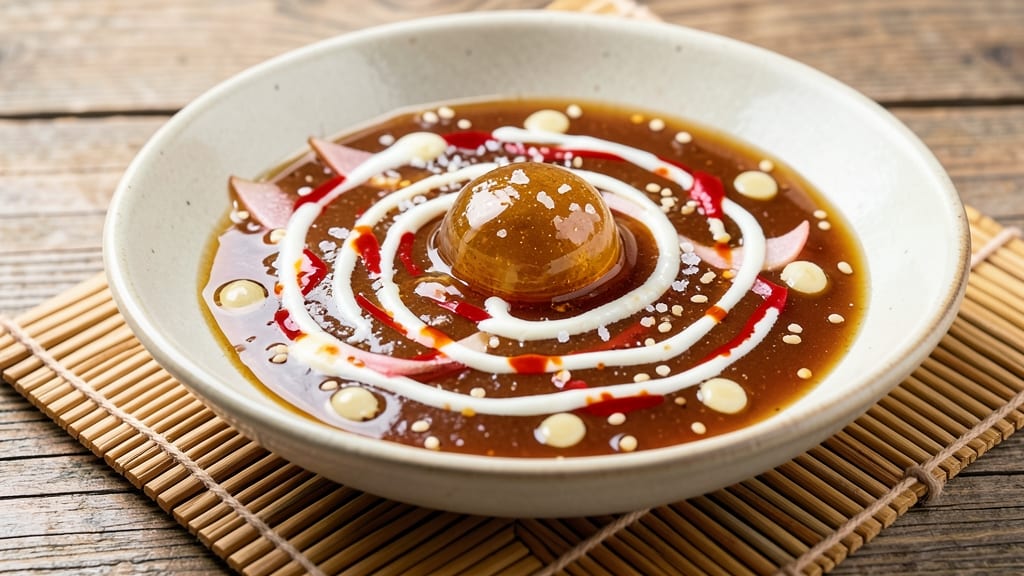
This Asian noodle stir-fry sauce recipe transforms simple stir-fries into restaurant-quality meals with just 10 minutes of prep. 💛 The secret lies in balancing umami-rich soy and oyster sauces with aromatic garlic, ginger, and a touch of sweetness—creating a sauce that clings perfectly to noodles, proteins, and crisp vegetables.
Unlike store-bought versions, this homemade blend delivers depth of flavor with every stir.
The sauce builds on a simple foundation of soy sauce, oyster sauce, and sesame oil, elevated by fresh garlic, ginger, and a hint of honey or sugar for complexity.
What makes it special is the two-step process: first, blooming the aromatics in oil to unlock their flavors, then combining everything into a silky, cohesive sauce. No fancy techniques—just precise measurements and a whisk.
What you’ll end up with is a versatile sauce that works equally well on pad Thai, beef stir-fry, or quick noodle bowls. The aroma alone will draw everyone to the table, while the taste delivers that perfect harmony of salty, sweet, and savory.
It keeps well in the fridge for up to a week or freezes for three months, making it a pantry staple.
Ready to elevate your stir-fries? This sauce is your secret weapon—simple to make, impossible to resist. Let’s get started with the ingredients.
Ingredients for asian noodle stir fry sauce
Nine ingredients, ten minutes—this sauce turns basic stir-fries into restaurant-quality meals.
| Ingredient | Amount | Notes |
|---|---|---|
| Light Soy Sauce 🥢 | ½ cup | Kikkoman preferred for balance |
| Oyster Sauce 🦪 | ⅓ cup | Lee Kum Kee for authentic depth |
| Sesame Oil 🫒 | 1 tbsp | Toasted, not flavored |
| Fresh Garlic Cloves 🧄 | 4 cloves | Minced, aromatic intensity |
| Fresh Ginger 🌿 | 1 tbsp | Grated, not powdered |
| Honey 🍯 | 1 tbsp | Wildflower for floral notes |
| Rice Vinegar 🍶 | 1 tbsp | Seasoned for tang |
| Toasted Sesame Seeds 🌾 | 1 tsp | For garnish and texture |
| Cornstarch 🌽 | 1 tsp | Dissolved in 1 tbsp water |
| Red Chili Flakes 🌶️ | ½ tsp | Adjust for heat preference |
The umami backbone comes from Lee Kum Kee oyster sauce and Kikkoman soy sauce—don’t skimp here. I grab both at Asian markets where they’re fresher, but the regular grocery store versions work fine. Fresh garlic and ginger are non-negotiable—pre-minced jars lack the aromatic punch. For sesame oil, Kadoya is my go-to (toasted, not flavored), but any toasted sesame oil will do. The honey? Wildflower adds floral notes that cut through the saltiness beautifully—regular honey works too, but trust me on this one.
No oyster sauce? Hoisin sauce or extra soy sauce (up to 2 tbsp) bridges the gap. Fresh ginger powdered? Double the amount but add a pinch of citric acid (or lemon juice) to mimic freshness. Running low on sesame oil? Avocado oil works in a pinch, but it won’t have that nutty aroma. The cornstarch slurry is key for thickening—arrowroot powder works too, but cornstarch gives that classic stir-fry cling. And if you’re avoiding heat, skip the chili flakes entirely—this sauce still sings without them.
This sauce keeps like a dream—1 week in the fridge or 3 months frozen (portion into ice cube trays for single-use servings). The sesame oil separates when chilled, so just give it a quick whisk before using. Double the batch if you’re feeding a crowd—it disappears fast. I always make extra to drizzle over cold noodles the next day, because honestly? It’s even better then.
Why You'll Love This Recipe
- Pantry Magic: I swear by this sauce—just four ingredients, no fancy shopping. Light soy and oyster sauce do all the heavy lifting while you chop garlic and ginger (seriously, five minutes max). Honestly, I keep a jar of each in my cabinet just for this.
- Umami Bomb: That first hit of sesame oil sizzling in the pan? Instant flavor upgrade. The garlic and ginger caramelize into something deeper than takeout, and the oyster sauce adds this rich, savory punch that makes every bite feel like a little celebration.
- Weeknight Swiss Army: This sauce works with anything—noodles, chicken, tofu, even eggs. I’ve tossed it into stir-fries, drizzled it over rice bowls, and even used it to glaze grilled shrimp. (Yes, even on a Tuesday night when I’m too tired to think.)
- Budget Win: A few tablespoons of sauce stretches to feed four for under $2. The ingredients last forever, and I’ve made this same jar of oyster sauce last months. Between us, it’s the most cost-effective way to make restaurant-quality flavor at home.
Step-by-step instructions for Asian noodle stir fry sauce
Here's how to make a restaurant-quality sauce that's bold, balanced, and ready in minutes.
🍳 Step 1: Bloom the Aromatics in Toasted Sesame Oil
Heat a small saucepan over medium-low heat and add the 1 tablespoon sesame oil. Once the oil shimmers gently (about 30 seconds), add the 4 minced garlic cloves and 1 tablespoon grated ginger. Let them cook for 1-2 minutes until fragrant but not browned—this prevents bitterness and unlocks their full flavor.
Here's the thing—don't rush this step. You'll know it's ready when the kitchen fills with that irresistible garlic-ginger aroma. If the oil starts to smoke, reduce the heat immediately. We're building layers of flavor here, not burning them.
🥘 Step 2: Combine the Sauce Base
Pour in the 0.5 cup light soy sauce and 0.33 cup oyster sauce, stirring constantly to dissolve any thickened bits from the oyster sauce. Add the 1 tablespoon honey and 1 tablespoon rice vinegar, then bring the mixture to a gentle simmer over medium heat. Let it bubble for 2-3 minutes until slightly reduced and glossy.
This is where the sauce comes together. The honey will help balance the saltiness while the vinegar adds that bright, tangy note that cuts through the richness. Taste it now—you should detect all those distinct flavors working in harmony, not one dominating the others.
🔥 Step 3: Thicken and Finish with Heat
In a small bowl, whisk together the 1 teaspoon cornstarch with 1 tablespoon cold water until completely dissolved. Pour this slurry into the simmering sauce while stirring constantly. Cook for another 1-2 minutes until the sauce thickens to a glossy, coatable consistency—it should coat the back of a spoon but still be pourable.
Stir in the 0.5 teaspoon red chili flakes and remove from heat. The sauce is now ready to use, but here's a pro tip: If you want to make it ahead, let it cool completely, then store it in an airtight container in the fridge for up to 5 days. The flavors will actually deepen overnight.
👨🍳 Step 4: Garnish and Serve (Optional but Recommended)
For that final restaurant-quality touch, sprinkle the sauce with 1 teaspoon toasted sesame seeds just before serving. The seeds add a delightful nutty crunch that contrasts beautifully with the smooth sauce. Give it a final taste and adjust seasoning if needed—maybe a pinch more soy sauce for saltiness or a drop of vinegar for brightness.
This sauce works perfectly with any stir-fried noodles, but I especially love it with chewy rice noodles or fresh egg noodles. The balance of sweet, salty, sour, and umami makes it incredibly versatile—it'll elevate any dish it touches.
Pro Tips For Making Asian Noodle Stir Fry Sauce
- Bloom the garlic first: I learned this the hard way—throwing raw garlic cloves into the hot pan just makes them sit there like stubborn rocks. Instead, smash 2-3 cloves with the flat side of your knife (no need to peel yet) and let them bloom in the oil for 30 seconds until fragrant. That’s when the magic starts.
- Toast the ginger: Fresh ginger’s sharp edge can overpower the sauce if you’re not careful. Lightly toast 1-inch of sliced ginger in the same pan after the garlic until it smells like a spice market—just 15 seconds. This mellows its bite and lets the oyster sauce shine without fighting for flavor.
- Balance the sauces last: Mix your light soy and oyster sauce first, then taste before adding sesame oil. The oil’s nutty punch can turn the sauce bitter if you dump it in too early. A splash of warm water (1-2 tbsp) here smooths things out—trust me, your noodles will thank you.
- Skip the pre-mixed oyster sauce: Store-bought oyster sauce is fine, but if you’re feeling fancy, use 1 tbsp of oyster sauce plus ½ tsp of fish sauce. The umami depth is night and day, and it cuts through the saltiness of the soy sauce better. (Yes, even if you’re impatient like me.)
Dietary considerations for these flavors
Gluten-Free Adaptations
For gluten-free stir-fries, swap the soy sauce for tamari—it has the same umami depth without gluten. I use San-J brand tamari because it’s naturally brewed and gluten-free certified.
Keep the rest of the sauce exactly the same, including the oyster sauce (just confirm it’s gluten-free, like Lee Kum Kee’s GF version). The cornstarch thickener is also gluten-free, so no other substitutions are needed. 💛
Vegan-Friendly Swaps
Oyster sauce is the only non-vegan ingredient here, but vegan oyster sauce (like Annie Chun’s) works perfectly. For extra umami, add 1 tbsp mushroom powder or 1 tsp miso paste to the sauce base.
The honey can be replaced with agave nectar or maple syrup, and ensure your sesame oil is vegan (most brands are, but check labels). The final sauce will still be rich and flavorful!
Low-Sodium Options
Regular soy sauce can be high in sodium, so reduce it to 0.33 cup and add 0.17 cup coconut aminos (like Coconut Secret) for a lower-sodium, gluten-free alternative. The coconut aminos add a slightly sweeter note that balances the sauce beautifully.
If you skip the oyster sauce entirely, boost the umami with 1 tbsp vegetarian bouillon powder (dissolved in the sauce). Taste as you go—low-sodium versions often need a pinch of salt at the end.
Sugar-Free Version
Skip the honey entirely and use 1 tsp erythritol or 1 tsp monk fruit sweetener for a sugar-free option. The rice vinegar adds enough acidity to balance the saltiness without sweetness.
If you prefer a more complex flavor, add 1 tsp fish sauce (for non-vegan) or 1 tsp soy sauce for depth. The sauce will still be tangy and savory—just without the sugar.
Allergy-Friendly Notes
Sesame allergies are common, so replace the sesame oil with avocado oil and omit the sesame seeds garnish. For nut allergies, check your oyster sauce—some brands process in facilities with nuts.
If you’re avoiding all nuts/seeds, the sauce still works beautifully without them. Always double-check labels, especially for oyster sauce and tamari substitutes.
Nutrition facts
Frequently asked questions
Can I make this sauce without oyster sauce?
For a vegetarian version, replace the 0.33 cup oyster sauce with 0.25 cup hoisin sauce plus 1 tbsp extra soy sauce. For more umami depth without oyster sauce, add 1 tsp fish sauce (if using) or 1 tsp miso paste. The sauce will still be rich and flavorful, though oyster sauce provides that signature depth.
How do I adjust the heat level?
Start with the 0.5 tsp red chili flakes as written for mild heat. For medium heat, increase to 1 tsp. For spicy, use 1.5-2 tsp or add 1 tsp sriracha or chili garlic sauce at the end. If you prefer no heat, simply omit the chili flakes entirely—the sauce will still taste amazing.
Can I use this sauce on non-noodle dishes?
This versatile sauce works beautifully on grilled proteins (chicken, shrimp, tofu), roasted vegetables, or even as a marinade. For rice bowls, drizzle 1-2 tbsp over the top. It also makes an excellent dipping sauce for spring rolls or dumplings. The balance of sweet, salty, and umami makes it adaptable to many Asian-inspired dishes.
Why did my sauce separate when refrigerated?
The sesame oil naturally separates when chilled—this is normal! Just give it a quick whisk before using. For a smoother texture, add 1 tsp water and whisk vigorously. If the sauce is too thick after refrigeration, thin it with 1 tsp water while reheating. Always store it in an airtight container to prevent evaporation.
What's the best way to use leftover sauce?
Leftover sauce keeps for 5 days in the fridge or 3 months frozen. For quick use, drizzle over cold noodles or toss with steamed veggies. Freeze in ice cube trays for single-use portions—just thaw and reheat gently. The flavors actually improve over time, so don't hesitate to make extra!