
Sauces & Condiments
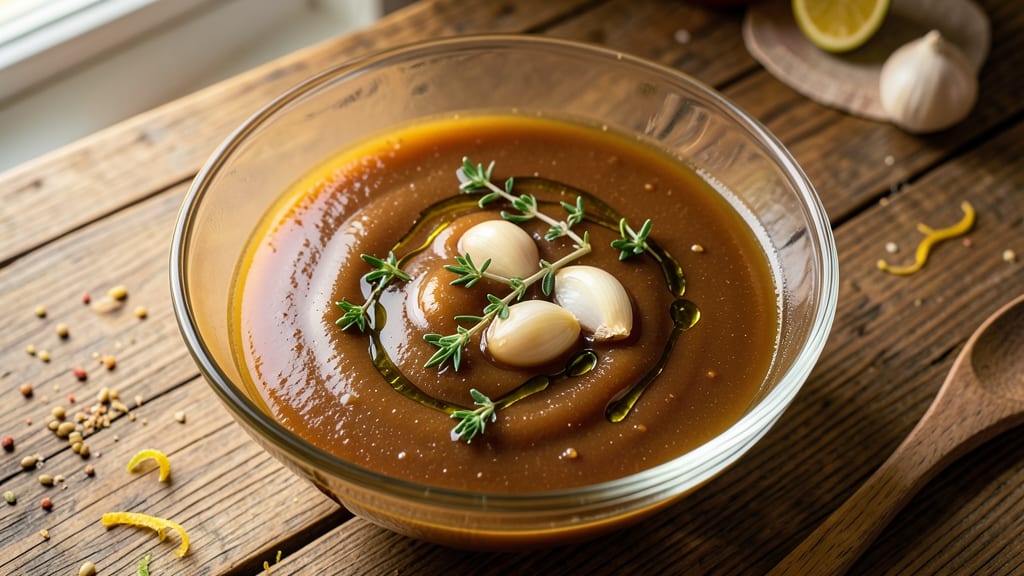
Apple cider vinegar sauce transforms ordinary meals into vibrant, tangy masterpieces with just a few simple ingredients. This bright, adaptable sauce elevates salads, marinades, and dips while keeping prep under 10 minutes. The secret lies in balancing sharp vinegar with sweetness and herbs, creating a flavor profile that’s both bold and versatile.
What sets this sauce apart is its flexibility—adjust sweetness with honey or maple syrup, add mustard for depth, or stir in butter for richness. It’s perfect for quick weeknight dinners or ahead-of-time prep, and its tangy notes cut through rich dishes beautifully.
The sauce keeps well in the fridge for up to 2 weeks, making it a pantry staple.
Imagine drizzling this sauce over crisp greens, tossing it with roasted vegetables, or using it as a dip for fresh bread. The acidity brightens flavors while the sweetness balances the bite, creating a harmonious finish.
Whether you’re dressing up a simple salad or adding zing to a marinade, this sauce delivers restaurant-quality results at home.
For extra depth, infuse the vinegar with garlic or herbs before mixing, or thin with water for a lighter consistency. The possibilities are endless—let’s make this sauce your new kitchen essential.
Ingredients for apple cider vinegar sauce
Bright, tangy, and endlessly adaptable—these simple ingredients create a sauce that transforms salads, dips, and marinades in minutes.
| Ingredient | Amount | Notes |
|---|---|---|
| Apple Cider Vinegar 🍎 | ½ cup | Raw, unfiltered preferred |
| Pure Maple Syrup 🍁 | ¼ cup | Grade B for richer flavor |
| Dijon Mustard 🥬 | 1 tbsp | High-quality, whole-grain |
| Extra-Virgin Olive Oil 🫒 | ¼ cup | Peppery, fruity variety |
| Fresh Garlic Cloves 🧄 | 3 cloves | Minced, for infusion |
| Fresh Thyme Leaves 🌿 | ¼ cup | Chopped, stems removed |
| Sea Salt 🧂 | ½ tsp | Diamond Crystal preferred |
| Freshly Ground Black Pepper 🌶️ | ¼ tsp | Freshly cracked |
| Water 💧 | ¼ cup | For thinning if needed |
The apple cider vinegar is the star, so raw, unfiltered is key—it’s got more depth than pasteurized. Bragg or Texas Pete are my go-tos, but any raw vinegar works. For maple syrup, Grade B has a smokier flavor that pairs perfectly with the tang. Fresh thyme adds a subtle earthiness that dried can’t match, but if you’re in a pinch, dried thyme at one-third the amount still works. The Dijon mustard brings complexity—skip the powdered stuff unless you’re desperate.
Want more richness? Stir in 1 tbsp vegan butter or 1 tsp honey (if not strictly vegan). No maple syrup? Agave nectar or honey works in a pinch, though maple’s flavor is unmatched. The garlic can be roasted for a sweeter note—just toss whole cloves in olive oil at 400°F for 10 minutes. For a lighter sauce, thin with water or vegetable broth. Need it thicker? Simmer uncovered for 2-3 minutes. And if you’re feeling fancy, infuse the vinegar with a bay leaf or star anise for 10 minutes before mixing.
This sauce keeps beautifully—2 weeks in the fridge sealed in a jar. The flavors actually deepen over time, so it’s perfect for meal prep. For longer storage, freeze in ice cube trays and transfer to a bag. Thaw overnight in the fridge or microwave for 10 seconds to loosen. Pro tip: Drizzle over roasted Brussels sprouts or mix into pesto—game-changer every time.
Why You'll Love This Recipe
- Five-Ingredient Magic: I swear by this combo—just vinegar, maple, mustard, oil, and garlic. No fancy techniques, no last-minute grocery runs. Honestly, I keep the ingredients in my pantry and throw it together when I forget to plan.
- Tangy-Sweet Balance: That first bite? The vinegar cuts through the richness while the maple syrup adds this just-right sweetness. The Dijon mustard gives it a little bite, and the garlic? Oh, it’s the secret—roasted or raw, it makes this sauce sing.
- Dresses Everything: I use it on roasted Brussels sprouts, grilled chicken, even as a drizzle for scrambled eggs. (Yes, even on a Tuesday night.) It’s my go-to for when I can’t decide what to make—just toss it on whatever’s on the plate.
- Makes Leftovers Better: This sauce actually improves the next day. The flavors meld, and it’s even better cold on sandwiches or as a marinade. I’ll be real: I’ve made a big batch and used it for a week without getting tired of it. Budget-friendly? Absolutely.
Step-by-step instructions for apple cider vinegar sauce
This tangy, balanced sauce comes together in minutes with no cooking required.
Whisk Together the Base Ingredients
In a medium bowl, combine the 0.5 cup apple cider vinegar, 0.25 cup pure maple syrup, and 1 tablespoon Dijon mustard. Use a whisk to blend vigorously for 30 seconds until the maple syrup dissolves completely. The mixture should look smooth and uniform—no streaks of syrup remaining.
Here's the thing—this initial blend needs to be perfectly emulsified. If you see any separation later, it's because you didn't whisk thoroughly enough. I like to hold the bowl at a slight angle while whisking to ensure even mixing from the bottom up. The acidity from the vinegar will start working immediately, so don't let it sit too long before adding the next ingredients.
Infuse with Garlic and Thyme
Add the 3 minced fresh garlic cloves and 0.25 cup fresh thyme leaves to the bowl. Stir with a wooden spoon to distribute evenly—you want those aromatic oils to disperse throughout the mixture. Let this sit for 5 minutes at room temperature while you prepare the remaining ingredients.
This infusion step is where the sauce gets its depth. The garlic will mellow slightly during this time, losing its sharp bite while still contributing its sweet, nutty flavor. The thyme leaves add earthy complexity that pairs beautifully with the vinegar's brightness. Don't skip this waiting period—it makes all the difference in the final flavor.
Gradually Incorporate the Olive Oil
Slowly drizzle in the 0.25 cup extra-virgin olive oil while whisking continuously. Start with a few drops at first, then gradually increase to a steady stream. The key is to whisk vigorously the entire time—this creates a stable emulsion where the oil and vinegar blend smoothly rather than separating.
You'll notice the mixture will temporarily break and then re-emulsify as you whisk. This is normal and actually helps create a silky texture. If you add the oil too quickly, you'll end up with a split sauce. Work patiently—it should take about 1-2 minutes of steady whisking to fully incorporate all the oil. The final consistency should be like a thick, velvety dressing.
Season and Adjust Consistency
Add the 0.5 teaspoon sea salt and 0.25 teaspoon freshly ground black pepper, then whisk again for 15 seconds to distribute evenly. Taste the sauce and adjust seasoning if needed—you might want to add a pinch more salt to balance the sweetness and acidity.
If the sauce is too thick for your liking, gradually add the 0.25 cup water one tablespoon at a time while whisking continuously. The goal is a consistency that clings beautifully to greens or coats the back of a spoon without being runny. This sauce should be versatile enough to work as both a dressing and a dip. For salads, I prefer it slightly thicker so it doesn't pool at the bottom of the bowl.
Let It Rest and Develop
Cover the bowl with plastic wrap and let the sauce rest at room temperature for at least 15 minutes before using. This resting period allows all the flavors to meld together and the emulsion to stabilize completely.
Real talk: the sauce will taste even better after resting. The acidity mellows slightly, the sweetness becomes more pronounced, and the thyme and garlic flavors deepen. If you're using it immediately, give it at least 10 minutes—trust me, it makes a difference. Store any leftovers in an airtight container in the refrigerator for up to 1 week, though I rarely have any left that long.
Pro Tips For Making Apple Cider Vinegar Sauce
- Simmer Slow and Low: This sauce isn’t a race—keep the heat at a gentle simmer (think tiny bubbles, not rolling) or the vinegar will evaporate too fast, leaving you with a sticky mess instead of a balanced sauce. I learned this after making a batch that tasted like vinegar punch instead of a smooth dressing.
- Toast the Garlic First: Smash the garlic cloves flat with the side of your knife, then fry them in olive oil for 30 seconds until fragrant and just turning golden. This step adds depth—raw garlic can overpower the sauce, and skipping it means missing out on that nutty, caramelized kick.
- Balance the Vinegar: Start with half the vinegar called for, taste, then add the rest gradually. Vinegar’s acidity varies by brand, and dumping it all in first can make the sauce taste harsh. I used to overdo it every time—now I adjust as I go.
- Whisk in the Mustard Last: Add the Dijon mustard when the sauce is off the heat and let it cool slightly—otherwise, it’ll scramble into little lumps. A quick fix is to mix it with a splash of warm water first, but I’ve found waiting a minute saves me from scraping the pan later.
Storing and reheating this recipe
Refrigerator Storage
Store your apple cider vinegar sauce in an airtight glass jar or leaking-proof container in the fridge, where it keeps beautifully for up to 2 weeks. The flavors actually deepen over time, making it perfect for meal prep.
I use a mason jar with a tight-sealing lid—it preserves freshness and makes drizzling effortless. Always leave ½ inch of headspace to prevent spills when the vinegar settles. 🧊
Freezing for Longer Shelf Life
For extended storage, portion the sauce into ice cube trays and freeze. Once solid, transfer cubes to a freezer bag with all air squeezed out. This method preserves texture perfectly for up to 3 months.
When ready to use, thaw overnight in the fridge or microwave for 10 seconds to loosen. The sauce may separate slightly after freezing—just whisk vigorously before using.
Reheating Without Ruining Texture
Never microwave this sauce directly—it breaks the emulsion. Instead, pour into a small bowl and stir in 1 teaspoon of water while whisking gently. Let it sit at room temperature for 5 minutes before using.
For stovetop reheating, warm in a saucepan over low heat for 1-2 minutes, stirring constantly. The goal is to gently revive the flavors without cooking off the vinegar's brightness. 🔥
Reviving Separated Sauce
If your sauce separates in storage, don't toss it! Simply whisk in 1 teaspoon of Dijon mustard and 1 tablespoon of olive oil, then whisk vigorously for 30 seconds. The mustard acts as an emulsifier, restoring that silky texture.
For extra insurance, add a pinch of xanthan gum (⅛ teaspoon) if you have it on hand. Most separations resolve completely with this trick.
Thinning After Storage
Sauce often thickens after refrigeration. To restore ideal consistency, whisk in water or apple cider vinegar (½ teaspoon at a time) until smooth. For a lighter dressing, add 1 tablespoon of water per ¼ cup of thickened sauce.
If using as a dip, you might prefer it slightly thicker—just adjust to your preference. The key is patience: whisk slowly to avoid sudden thinning that can cause separation. ✨
Preventing Mold Growth
Apple cider vinegar's natural acidity inhibits mold, but for extra safety, add a fresh garlic clove (peeled) to the jar when storing. The garlic's antimicrobial properties extend shelf life by 3-5 days.
If you notice any discoloration or off smells, discard immediately—better safe than sorry. Proper storage in a clean, dry container minimizes any risk of spoilage. 🧄
Nutrition facts
Frequently asked questions
Can I make this sauce without Dijon mustard?
Swap the Dijon for 1 tablespoon of whole-grain yellow mustard or even 1 teaspoon of apple cider vinegar if you're avoiding mustard entirely. For extra depth, try 1 teaspoon of honey or maple syrup instead—it'll add subtle sweetness that complements the vinegar. The key is maintaining that slight tanginess to balance the flavors.
How can I use this sauce beyond salads?
This versatile sauce works as a marinade for chicken or tofu, a dip for veggie sticks or fries, or even a glaze for roasted vegetables. Drizzle it over avocado toast, mix it into pesto, or use it to deglaze pans after searing meat. The tangy-sweet profile cuts through richness beautifully—try it with grilled shrimp or as a finishing sauce for tacos!
Why did my sauce separate after making it?
Separation usually happens when oil and vinegar aren't properly emulsified. Whisk in ½ teaspoon of Dijon mustard and 1 tablespoon of olive oil, then whisk vigorously for 30 seconds. The mustard acts as a natural emulsifier. If that fails, blend the separated layers in a blender for 10 seconds—this often restores the creamy texture. Always whisk thoroughly when combining oil and vinegar!
Can I make this sauce spicier?
Yes! Add ½ teaspoon of cayenne pepper or 1 teaspoon of hot sauce while whisking. For smoky heat, stir in ¼ teaspoon of smoked paprika. If you love fresh heat, finely mince ½ jalapeño (seeds removed) and infuse it with the vinegar for 10 minutes before mixing. Start with less—you can always add more spice!
Is this sauce vegan-friendly?
The base recipe is vegan, but check your maple syrup (some brands use bone char). For extra richness, use vegan butter instead of regular butter. The sauce keeps its vibrant flavor while remaining completely plant-based. It's a fantastic alternative to creamy dressings that often contain dairy.