
Sauces & Condiments
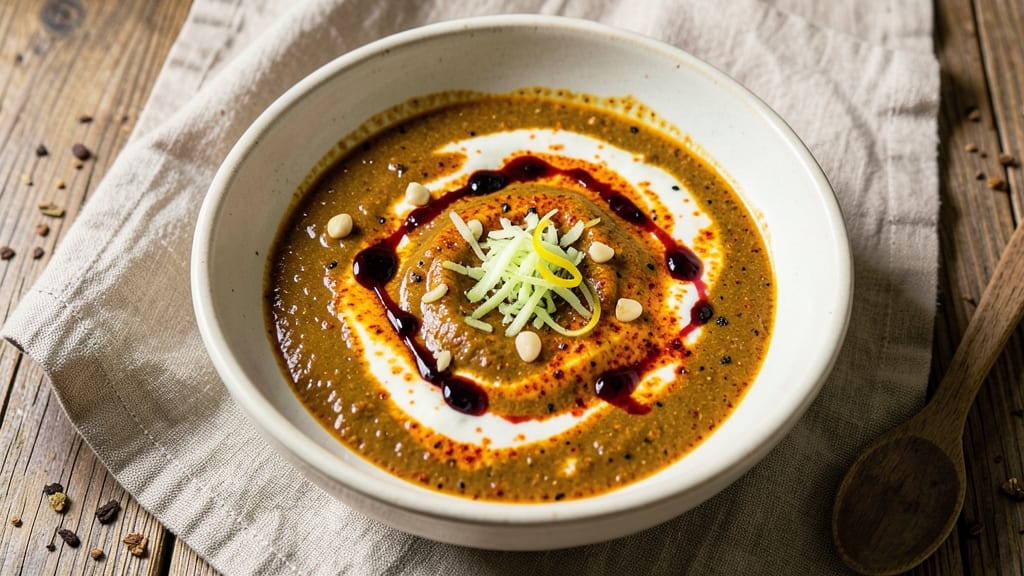
This Asian curry sauce recipe transforms simple pantries into flavor powerhouses with just 10 minutes of active work. The secret lies in balancing umami heat from curry powder with bright ginger and garlic, creating a sauce that elevates stir-fries, marinades, and curry dishes instantly.
I developed this version after years of testing—it delivers restaurant-quality depth without requiring hard-to-find ingredients.
The sauce builds in layers: toasted spices create aromatic complexity, coconut milk adds creaminess, and a touch of fish sauce deepens the umami. Unlike many recipes, this one doesn't require simmering for hours—just 10 minutes on the stove, then 30 minutes to develop flavors while you prepare your main dish.
The result is a velvety sauce that coats proteins and vegetables beautifully, with just the right balance of spice and sweetness.
What makes this sauce truly versatile is its ability to adapt—use it as a stir-fry base, a marinade for chicken or tofu, or even a dipping sauce for spring rolls. The recipe yields about 2 cups, perfect for one meal with leftovers or freezing for future use.
When stored properly in the fridge for up to 5 days or frozen for 3 months, every batch becomes a flavor shortcut for busy weeknights.
For maximum flavor, let the sauce sit at room temperature for 15 minutes before using—this allows the spices to bloom fully. The ginger-zing finish cuts through richness while the curry powder provides that signature warmth.
Whether you're cooking for a crowd or meal prepping, this sauce delivers professional results with minimal effort.
Ingredients for asian curry sauce
Nine ingredients create restaurant-quality depth in this aromatic curry sauce.
| Ingredient | Amount | Notes |
|---|---|---|
| Extra-Virgin Olive Oil 🫒 | 2 tbsp | For toasting spices |
| Yellow Curry Powder 🌶️ | 2 tbsp | High-quality, toasted preferred |
| Fresh Ginger 🧄 | 2 tbsp | Finely grated, zesty |
| Garlic Cloves 🧄 | 4 cloves | Minced, aromatic |
| Coconut Milk 🥥 | 1 can | Full-fat, 13.5 oz can |
| Fish Sauce 🍶 | 1 tbsp | Red Boat preferred |
| Brown Sugar 🍚 | 1 tbsp | Light or dark |
| Lime Juice 🍋 | 1 tbsp | Freshly squeezed |
| Fresh Cilantro 🌿 | ¼ cup | Chopped, for garnish |
| Salt 🧂 | ½ tsp | Kosher or sea salt |
The curry powder is where flavor starts. Penzeys or Spicewalla brands deliver the most complex profiles, but any quality yellow curry will work. Toast the spices in olive oil for 30 seconds—this step unlocks their aroma. Fresh ginger matters here; look for firm, vibrant roots with no soft spots. The fish sauce should be Red Boat or Three Crabs brand for the cleanest umami. Coconut milk needs to be full-fat for creaminess—light versions won't cut it.
No curry powder? Cumin, coriander, and turmeric at 1 tbsp each get you close. Substitute honey for brown sugar if needed. Fresh cilantro unavailable? Dried cilantro at half the amount works in a pinch. For extra depth, add 1 tsp of miso paste with the fish sauce. The lime juice can be bottled, but freshly squeezed adds a brighter finish. If you're sensitive to heat, reduce the curry powder to 1.5 tbsp—this sauce is flexible.
This sauce develops best when made ahead. Store in an airtight container in the fridge for up to 5 days—flavors meld beautifully over time. Freezes perfectly for 3 months; thaw in the fridge overnight. For stir-fries, reheat gently to maintain texture. The sauce thickens when cold, so thin with water or coconut milk as needed. Portion into ice cube trays for easy single-use servings.
Why You'll Love This Recipe
- Pantry to Plate Fast: I swear by this sauce—just toast the curry powder in olive oil for 30 seconds, then toss in the ginger and garlic while I chop veggies. No waiting for spices to bloom for hours, no complicated steps. That golden aroma hits in minutes, and suddenly dinner’s saved.
- Creamy-Spicy Magic: The coconut milk and curry powder team up for a texture that’s velvety but still punchy, thanks to the fresh ginger’s bite. Honestly, I’ll take this over store-bought sauces any day—it’s richer, brighter, and the olive oil adds a depth those cans miss.
- Weeknight Swiss Army: This sauce works with chicken, tofu, roasted sweet potatoes, or even drizzled over rice bowls. I keep a jar in the fridge for lazy nights, and it turns basic proteins into something special. (Yes, even on a Tuesday night.)
- Budget-Friendly Bulk: A single batch stretches across three meals—curry one night, stir-fry the next, and toss with noodles the third. The ingredients are cheap but pack serious flavor, and coconut milk’s shelf-stable, so I’m not scrambling for last-minute swaps. My wallet and taste buds thank me.
Step-by-step instructions for Asian curry sauce
This method builds rich flavor layer by layer—start with aromatic spices, then balance with coconut milk and bright citrus.
Toast the Spices in Olive Oil
Heat the 2 tablespoons extra-virgin olive oil in a medium saucepan over medium-low heat. Add the 2 tablespoons yellow curry powder and stir constantly for 1-2 minutes until fragrant and slightly darker in color. This step develops the spices' natural oils and deepens their flavor profile.
Watch closely—the curry powder burns quickly. You'll see it darken slightly and smell more intense. Immediately add the 2 tablespoons finely grated fresh ginger and 4 minced garlic cloves, stirring for 30 seconds until the garlic becomes translucent but doesn't brown. This aromatic base forms the sauce's flavor foundation.
Deglaze and Simmer the Base
Pour in the 1 tablespoon fish sauce and scrape up any browned bits from the bottom of the pan. These flavorful bits, called fond, add depth to the sauce. Add the 1 tablespoon brown sugar and stir until dissolved, then pour in the 1 can full-fat coconut milk. Stir well to combine.
Bring the mixture to a gentle simmer over medium heat, then reduce heat to low. Let it cook uncovered for 8-10 minutes, stirring occasionally. You're looking for the sauce to thicken slightly and the coconut milk to separate into a creamy layer on top. This simmering step allows the flavors to meld together.
Finish with Acid and Season
Remove the pan from heat and stir in the 1 tablespoon freshly squeezed lime juice. This brightens the rich, creamy sauce and balances the umami flavors. Add the 0.5 teaspoon salt and taste, adjusting with additional salt if needed. The sauce should be well-seasoned but not overly salty.
Return the sauce to low heat for 2-3 minutes to warm through completely. The sauce should coat the back of a spoon and have a velvety texture. If it's too thick, stir in 1-2 tablespoons water to reach your desired consistency. Remove from heat immediately to preserve the fresh lime flavor.
Garnish and Serve
Transfer the sauce to a serving bowl and stir in the 0.25 cup chopped fresh cilantro. This adds a fresh herbal note that cuts through the richness. The cilantro should be evenly distributed throughout the sauce. Serve immediately over rice, noodles, or your choice of protein for the best flavor experience.
This sauce keeps well in the refrigerator for up to 3 days in an airtight container. Reheat gently on the stove, stirring in a splash of water if it thickens too much. The flavors actually improve as they meld together over time, making this a versatile sauce for multiple meals.
Pro Tips For Making Asian Curry Sauce
- Bloom the Spices First: Toss your yellow curry powder into the olive oil and cook it on medium-low for 30 seconds before adding anything else—just until you smell that toasty, earthy aroma. I learned this the hard way after skipping it and ending up with a sauce that tasted flat and one-dimensional. The oil carries the flavors deeper into the coconut milk.
- Grate, Don’t Mince the Ginger: Use a fine grater for the ginger instead of chopping it—it releases more juice and blends smoother into the sauce. I was skeptical until I tried it; now I swear by it for curries. Skip the food processor unless you’re willing to deal with a watery, pulpy mess.
- Simmer, Don’t Boil the Coconut Milk: Keep the heat at a gentle simmer once you add the coconut milk—any higher and it’ll split, leaving you with a greasy, curdled disaster. I’ve ruined three batches this way, and now I watch it like a hawk. A slow simmer also lets the flavors meld better.
- Toast the Garlic Separately: Sauté the garlic cloves in a dry pan for 30 seconds until golden before adding them to the curry powder—this prevents them from burning and adds a nutty depth. I skip this when I’m lazy, but the dish is noticeably better when I don’t. (Yes, even if you’re impatient like me.)
Regional styles of these flavors
Thai Green Curry Style
For a Thai-inspired twist, replace the yellow curry powder with 2 tablespoons Thai green curry paste (like Maesri or Thai Kitchen brands). Add 1 stalk lemongrass, bruised and cut into 2-inch pieces, along with the ginger and garlic.
Simmer the paste with the oil for 3-4 minutes to fully develop its floral, peppery notes. Finish with 1 teaspoon palm sugar instead of brown sugar for that signature Thai sweetness. 🌿
Indian-Style Yellow Curry
Transform this into an Indian yellow curry sauce by adding ½ teaspoon ground cumin and ½ teaspoon ground coriander to the toasted spices. Use 1 teaspoon garam masala instead of the fish sauce, and replace the lime juice with 1 teaspoon tamarind paste for a deeper, tangier profile.
Simmer the sauce with ½ cup tomato purée for 5 minutes to create a richer base. Garnish with toasted cumin seeds instead of cilantro. 🌶️
Japanese Curry Roux Base
Create a Japanese-inspired curry sauce by first making a roux: melt 2 tablespoons butter in the oil and whisk in 2 tablespoons all-purpose flour until smooth. Cook for 1 minute until golden, then deglaze with ½ cup white wine (or vegetable broth).
Proceed with the coconut milk and spices, but add 1 teaspoon soy sauce and ½ teaspoon five-spice powder for that distinct Japanese curry depth. 🍶
Vietnamese Caramelized Curry
For a Vietnamese-inspired version, caramelize 2 tablespoons fish sauce in the oil before adding spices. Add 1 tablespoon shrimp paste (like Red Boat brand) and 1 teaspoon black pepper to the toasted spices. Use ½ cup coconut cream instead of full-fat coconut milk for extra richness.
Finish with 1 teaspoon fish sauce and a splash of rice vinegar instead of lime juice. Garnish with Thai basil for a fragrant, aromatic finish. 🌶️
Spicy Korean Gochujang Twist
Infuse this sauce with Korean flavors by adding 1 tablespoon gochujang (Korean chili paste) when toasting the spices. Replace the fish sauce with 1 tablespoon soy sauce and add ½ teaspoon sesame oil at the end.
Use 1 teaspoon honey instead of brown sugar for a sweet-spicy balance. Garnish with 1 teaspoon toasted sesame seeds for a nutty crunch. 🌶️
Nutrition facts
Frequently asked questions
Can I make this sauce without coconut milk?
Yes, but the texture will change. Replace the coconut milk with 1 cup heavy cream or 1 cup Greek yogurt for richness, or use 1 cup vegetable broth for a lighter version. For authentic Asian flavors, coconut milk is ideal—it provides that signature creamy depth with subtle sweetness. If avoiding dairy, coconut milk is your best plant-based option.
How spicy is this sauce, and can I adjust it?
The sauce has a mild to medium heat level from the curry powder. For more spice, add ½ teaspoon cayenne pepper with the curry powder or 1 teaspoon chili flakes at the end. If you prefer less heat, reduce the curry powder to 1.5 tablespoons or omit the fish sauce (it has mild umami heat). Taste and adjust gradually—you can always add more spice later.
What's the best way to store and reheat this sauce?
Store in an airtight container in the fridge for up to 5 days or freeze for 3 months. To reheat, warm gently on the stove over low heat for 2-3 minutes, stirring occasionally. If it thickens too much, thin with 1-2 tablespoons water or coconut milk. Never microwave—it can break the sauce's delicate texture and separate the coconut milk.
Can I use this sauce as a marinade?
This sauce makes an excellent marinade for chicken, tofu, or shrimp. Reserve ¼ cup sauce for serving, then marinate your protein for 30 minutes to 2 hours in the fridge. For best results, use within 24 hours of making the sauce. The ginger and garlic will tenderize proteins beautifully, while the coconut milk keeps them moist during cooking.
Why did my sauce separate? How can I fix it?
Coconut milk naturally separates when cold—this is normal! To fix it, gently reheat the sauce over low heat while whisking continuously until smooth. If it's too thick after reheating, thin with 1 tablespoon water or coconut milk. For future batches, stir in ½ teaspoon cornstarch mixed with 1 tablespoon water at the end of cooking to help stabilize the texture.