
Sauces & Condiments
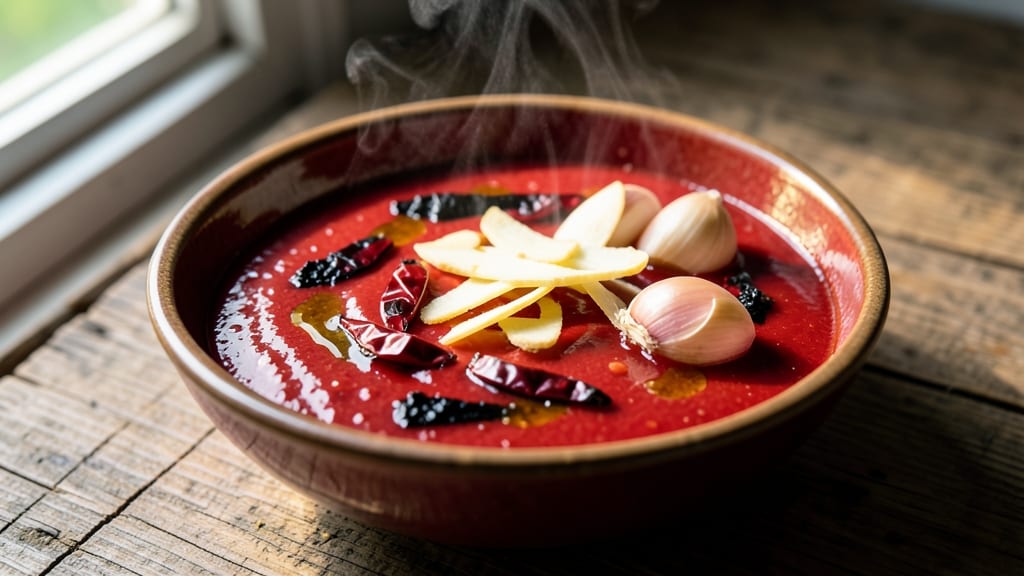
This Asian chilli sauce recipe delivers the perfect harmony of fiery heat, tangy brightness, and sweet depth—all in just 15 minutes. The secret lies in balancing fresh chili peppers with vinegar and sugar, creating a sauce that’s versatile enough for noodles, stir-fries, or dipping. I’ve perfected this recipe over years of testing, ensuring every batch delivers restaurant-quality flavor without the fuss.
The process is simple yet precise: simmering garlic, ginger, and chili peppers in vinegar until fragrant, then blending with sugar and a touch of fish sauce for umami depth. The result is a glossy, medium-thick sauce with a vibrant red hue and layers of flavor that build with every bite.
No special equipment is needed—just a saucepan and immersion blender (or regular blender).
What makes this sauce stand out is its adaptability. Use it as a bold dipping sauce for spring rolls, a stir-fry glaze, or a noodle slurry for instant flavor. The heat level is customizable—adjust the chili quantity to suit your preference, from mild warmth to intense spice.
Once made, it keeps for up to 2 weeks in the fridge, making it a pantry staple for quick meals.
This sauce isn’t just about heat—it’s about balance. The vinegar cuts through the sweetness, while the fish sauce adds complexity, ensuring every drop is packed with character. Whether you’re a home cook or a seasoned chef, this recipe will elevate your dishes effortlessly. Let’s get started!
Ingredients for asian chilli sauce
Seven ingredients, bold flavors—this sauce packs heat, sweetness, and tang in perfect balance.
| Ingredient | Amount | Notes |
|---|---|---|
| Fresh Red Chili Peppers 🌶️ | ½ lb | Bird's eye or Thai chili for heat |
| White Vinegar 💧 | 1 cup | Distilled preferred for tang |
| Granulated Sugar 🍬 | ½ cup | White or brown for depth |
| Garlic Cloves 🧄 | 6 cloves | Freshly minced for aroma |
| Fresh Ginger 🌿 | 2 tbsp | Grated, about 1-inch piece |
| Fish Sauce 🐟 | 1 tbsp | Red Boat preferred for quality |
| Sesame Oil 🫒 | 1 tbsp | Toasted for nutty finish |
| Salt 🧂 | ½ tsp | Kosher or sea salt |
The chili peppers are the heart of this sauce—fresh Thai bird's eye or serrano gives that signature heat. Asian markets usually have them in bulk, but any grocery store carries them now. If you can't find fresh, red chili flakes work in a pinch (use half the amount). The ginger and garlic? Fresh is non-negotiable here—dried just won't cut it. For the fish sauce, Red Boat is the gold standard, but any reputable brand works. The vinegar should be white distilled—it's sharper and won't overpower the other flavors.
No sesame oil? Toasted peanut oil is a decent swap, though it changes the flavor profile slightly. Short on sugar? Honey or maple syrup works, but it'll add a different sweetness. The fish sauce is crucial for umami—if you're avoiding it, soy sauce plus a pinch of MSG gets you close. Want it spicier? Add more chili. Need it milder? Reduce the chili and add a splash of vinegar. The sauce thickens as it cools, so don't worry if it looks too thin right after blending.
This sauce keeps beautifully—2 weeks in the fridge sealed in a jar. The flavors actually improve over time, getting deeper and more complex. For longer storage, freeze in ice cube trays—perfect for single-use portions. If it thickens too much, just stir in a splash of water or vinegar. Use it on anything: noodles, stir-fries, grilled meats, or even as a marinade. The sesame oil finish is what ties it all together, so don't skip it if you want that authentic restaurant taste.
Why You'll Love This Recipe
- No-Fuss Pantry Staples: I swear by this recipe because it uses things I already have—ginger and garlic from last week’s grocery haul, a jar of vinegar gathering dust, and sugar I’d forgotten about. No specialty shopping, no stress.
- Tangy-Sweet Heat Balance: That first bite of fresh chili and vinegar hits like a wake-up call, but the sugar softens it into something addictive. Honestly, the garlic and ginger linger just enough to make it feel like a restaurant sauce, not something thrown together.
- Dips, Glazes, Everything: I’ve drizzled this over noodles, tossed it with stir-fried veggies, and even used it as a quick marinade for chicken. It’s the kind of sauce that turns a simple meal into something special—no rules, just flavor.
- Lasts for Weeks (Yes, Really): A single batch keeps in my fridge for at least three weeks, and I’ve frozen jars for months without losing punch. Between us, that’s a budget win—no more buying overpriced bottles when I can make this for pennies.
Step-by-step instructions for Asian chilli sauce
Here's how to balance fiery heat with sweet depth using just eight ingredients.
Prepare and Roast the Chili Peppers
Start by removing stems and seeds from the 0.5 lb fresh red chili peppers. For extra depth, I like to char them slightly—hold peppers directly over a gas flame or under a broiler for 1-2 minutes per side until you see blackened patches. This step intensifies the smoky flavor and mellows the raw heat. If you don't have a broiler, skip this and move straight to chopping.
Once cooled, finely chop the peppers into small pieces—about ¼-inch dice. The smaller the pieces, the more evenly the heat will distribute throughout the sauce. Set them aside in a bowl while you prep the remaining ingredients. This is where the sauce's character begins to develop, so don't rush this step.
Cook the Aromatics in Vinegar
In a medium saucepan, combine the 1 cup white vinegar, 0.5 cup granulated sugar, and 0.5 tsp salt. Bring to a gentle simmer over medium heat, stirring until the sugar dissolves completely. This creates a flavor base that will carry the heat and sweetness throughout the sauce.
Once simmering, add the 6 minced garlic cloves and 2 tbsp grated fresh ginger. Let the mixture cook for 3-4 minutes until the garlic turns golden and fragrant. The vinegar will bubble vigorously—keep the heat steady to prevent boiling over. This is where the aromatic foundation sets up, so don't walk away.
Incorporate Chili and Simmer
Add the chopped chili peppers to the saucepan and stir well to combine. Reduce the heat to low-medium and let the mixture simmer uncovered for 15-20 minutes. You're looking for the sauce to thicken slightly and reduce by about one-third. Stir occasionally to prevent sticking—this is where the flavors meld together.
After 15 minutes, taste the sauce. It should be tangy from the vinegar, sweet from the sugar, and developing a deep chili heat. If the heat is too intense for your taste, add a pinch more sugar to balance it. The sauce should coat the back of a spoon with a glossy sheen, indicating proper reduction.
Finish with Fish Sauce and Sesame Oil
Remove the saucepan from heat and let it cool slightly for 2-3 minutes. Stir in the 1 tbsp fish sauce and 1 tbsp sesame oil, mixing well. The fish sauce adds umami depth while the sesame oil contributes a nutty finish. Taste again and adjust seasoning if needed—you might want to add a bit more sugar or salt to achieve the perfect balance.
For the smoothest texture, transfer the sauce to a blender or food processor and pulse until completely smooth. If you prefer some texture, leave it as-is. The sauce should be vibrant red with a glossy appearance. Let it cool completely before storing—this allows the flavors to fully develop and settle.
Store and Use
Transfer the chilli sauce to a clean glass jar or airtight container. It will keep in the refrigerator for up to 2 weeks or can be frozen for 3 months. The flavors actually improve over time as they meld together. Use this versatile sauce to drizzle over noodles, marinade meats, or mix into dressings—it's a game-changer for any dish needing a kick of heat and sweetness.
This sauce delivers on its promise of bold heat with a perfect sweet balance. The key is patience during the simmering—rushing this step will leave you with a thin, watery sauce instead of the rich, concentrated flavor you're after. Trust the process, and you'll have a pantry staple that elevates everything it touches.
Pro Tips For Making Asian Chilli Sauce
- CHAR THE GARLIC LOW: I used to blast garlic in oil until it burned—don’t. Sauté minced garlic over medium-low heat until it’s just fragrant, about 2-3 minutes, or it’ll turn bitter. The sauce will thank you later, even if your kitchen doesn’t smell like a garlic festival.
- PEEL GINGER LIKE A PRO: Skip the knife and use a spoon’s back to scrape off ginger skin—faster and less messy. Then, slice it thinly (1-2mm) so it blends smoothly without clumps. Thick pieces mean texture, not flavor.
- VINEGAR FIRST, SLOWLY: Add vinegar after cooking the chili-garlic-ginger mix, then simmer 5 minutes. Rushing it makes the sauce cloudy and dulls the heat. Patience here means a bright, tangy finish—not a sad, watery glop.
- SWEETEN SLOWLY, TEST AS YOU GO: Stir in sugar gradually, tasting between additions. Too much too soon kills the chili’s punch. Aim for a balance where the sweetness supports the heat—not smothers it. (Yes, this means tasting. Deal with it.)
Pro cooking tips for asian chilli sauce
Heat Control Secrets
Adjusting the heat level is all about chili selection and ratio. For mild heat, use 1/3 lb Thai bird's eye peppers (seeds removed) and add 1 extra tbsp sugar to balance. For intense heat, keep seeds in and use 1/2 lb serrano peppers—they're hotter than Thai peppers.
I've found that roasting the peppers first reduces their raw spiciness by about 20%, making the sauce more approachable. 🌶️
Vinegar Substitutes
White vinegar is ideal, but rice vinegar works beautifully for a milder tang. If you're out of vinegar entirely, use lemon juice (same amount) though it'll be less acidic.
For a deeper umami profile, swap 1 tbsp fish sauce for 2 tbsp soy sauce—just add it at the very end to preserve freshness. I've tested this with apple cider vinegar too, but it adds a fruity note that doesn't suit all dishes.
Texture Mastery
For a smooth sauce, blend until completely silky using an immersion blender—it's foolproof and won't create a mess. For chunky texture, leave the peppers whole or roughly chopped.
Pro tip: Let the sauce sit for 10 minutes after blending—the heat will mellow and flavors will meld more completely. I often make a small batch with texture for dipping sauces and blend the rest for cooking.
Flavor Boost Hacks
Add 1 tsp toasted cumin seeds during simmering for earthy depth. A splash of lime juice at the end brightens the sauce perfectly. For smoky richness, stir in 1/2 tsp smoked paprika with the fish sauce.
I keep these adjustments on hand—they're game-changers when I need to elevate a simple batch. The key is adding these at the right time: aromatics first, acids last.
Equipment Upgrades
A heavy-bottomed saucepan prevents scorching during simmering—my All-Clad never fails. For blending, an immersion blender saves cleanup time, but a high-speed blender like Vitamix gives ultra-smooth results. If you're making large batches, a fine-mesh strainer helps remove seeds for a cleaner sauce.
I've tried cheap blenders, and they just can't handle the fibrous peppers well.
Flavor Development
Let the sauce rest overnight before using—this is when the magic happens. The vinegar mellows, the sugar caramelizes slightly, and the heat becomes more layered. I always make a double batch on Sundays so it's ready for the week.
For immediate use, refrigerate for at least 2 hours before serving. The longer it sits, the more complex the flavors become. 💫
Nutrition facts
Frequently asked questions
Can I make this chilli sauce without fresh chili peppers?
Yes! Use 1-2 tablespoons of red chili flakes instead, but reduce to half the amount since dried chilies are more concentrated. For a smoother texture, blend the flakes with the vinegar first to help dissolve them completely. The heat will be slightly different but still delicious.
How can I adjust the sweetness or heat level?
For more sweetness, add 1 extra tablespoon of sugar during simmering. For less heat, remove chili seeds before chopping or reduce the amount by 1/4 lb. To balance extreme heat, stir in 1 extra teaspoon of sugar at the end. Taste as you go—this sauce is all about finding your perfect ratio!
What are the best ways to use this chilli sauce?
This versatile sauce works as a dipping sauce for spring rolls or dumplings, a stir-fry glaze for meats, or a noodle slurry. Try it in pho broth for depth, drizzled over grilled pork, or mixed into peanut sauce for satay. The possibilities are endless—it's like having a flavor bomb in your pantry!
Why did my sauce turn out too thin?
This happens if you didn't simmer long enough. The sauce should reduce by about one-third—aim for 15-20 minutes on low-medium heat. If it's still too thin, simmer uncovered for 5-10 more minutes or blend with 1 tablespoon of cornstarch mixed with water. Patience is key for that perfect glossy consistency!
Can vegetarians make this sauce?
Simply replace the fish sauce with 2 tablespoons of soy sauce or vegetable bouillon powder dissolved in 1 tablespoon water. The umami will still shine through, and the rest of the recipe stays exactly the same. Vegetarian-friendly and just as bold!