
Sauces & Condiments
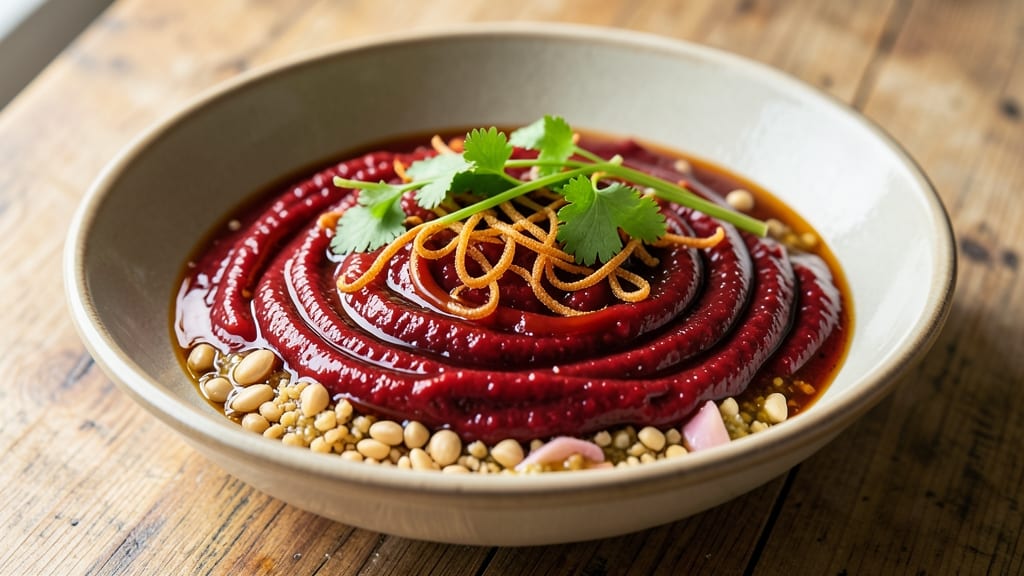
This Asian sweet chili sauce recipe delivers the perfect balance of tangy, spicy, and sweet—ideal for dipping, glazing, or marinating. The secret lies in simmering chili paste, vinegar, and sugar until the flavors meld into a glossy, versatile sauce.
I developed this version after testing countless store-bought options, and it's now my go-to for adding depth to stir-fries, grilled meats, or spring rolls.
The sauce builds complexity through a simple three-step process: simmering the base ingredients, blending for smoothness, and adjusting the sweetness-to-spice ratio to taste. Garlic and vinegar provide the tangy backbone, while chili paste brings the heat, and sugar balances everything into harmony.
A touch of cornstarch thickens it just enough to cling beautifully to food without being overly heavy.
What sets this recipe apart is its versatility—use it as a dipping sauce for spring rolls, a glaze for grilled chicken, or a marinade for tofu. The sauce keeps well in the fridge for up to two weeks, making it perfect for meal prep.
Each batch delivers a bold, restaurant-quality flavor that transforms simple dishes into something extraordinary.
For best results, let the sauce sit for 10 minutes after blending to allow flavors to fully develop. This small step makes a noticeable difference in depth and balance. Whether you're a home cook or a seasoned chef, this sauce will become a staple in your kitchen.
Ingredients for asian sweet chilli sauce
Nine simple ingredients transform into a bold sauce perfect for dipping, glazing, or marinating.
| Ingredient | Amount | Notes |
|---|---|---|
| Chili Paste (Asian Red Chili) 🌶️ | ½ cup | High-quality, not sweetened |
| Rice Vinegar 💧 | ½ cup | White or seasoned variety |
| Granulated Sugar 🍚 | ½ cup | White or brown sugar |
| Garlic Cloves 🧄 | 4 cloves | Peeled and minced |
| Fresh Ginger 🌿 | 1 tbsp | Grated, fresh preferred |
| Cornstarch 🌾 | 1 tbsp | For thickening |
| Water 💧 | ¼ cup | Room temperature |
| Soy Sauce 🍶 | 2 tbsp | Light or dark preferred |
| Sesame Oil 🫒 | 1 tsp | Toasted for aroma |
| Salt 🧂 | ½ tsp | Adjust to taste |
The chili paste is the heart of this sauce—Maesri or Thai Bird’s Eye Chili brands are my go-tos for that authentic kick. Grab the unsweetened version from the Asian aisle at Walmart or Trader Joe’s; it’s cheaper than specialty stores and just as potent. Fresh garlic and ginger? Don’t skip them—they’re what elevates this from basic to restaurant-quality. If you’re in a pinch, jarred minced garlic works, but fresh always tastes better. The rice vinegar should smell bright and tangy—if it’s dull, toss it. For the sesame oil, Kadoya is my favorite, but any toasted variety will do.
No rice vinegar? Apple cider vinegar works in a bind, though it’ll taste slightly different. Running low on chili paste? Mix 1 tbsp sriracha with 1 tbsp water as a quick sub, but you’ll lose some depth. The cornstarch is non-negotiable for that glossy finish—arrowroot powder works too, but cornstarch is more accessible. For extra umami, add 1 tsp fish sauce (skip if vegan). The sugar can be swapped for honey or maple syrup, but white sugar keeps it neutral. And if you’re feeling fancy, toast the garlic and ginger in a dry pan for 30 seconds before adding—they’ll add a nutty depth that’s worth the extra minute.
This sauce is a meal-prep dream. Store it in a clean glass jar in the fridge for up to 2 weeks, or freeze portions for 3 months. The flavors actually improve overnight as everything melds. I like to shake it before using—it thickens as it cools. For extra shine, add 1 tsp water before blending. And if it’s too thick after chilling, just stir in a splash of water until it reaches your desired consistency. Trust me, you’ll want to make a double batch—it disappears fast.
Why You'll Love This Recipe
- Pantry Magic: I swear by this sauce because it uses things I already have—no last-minute grocery runs. The chili paste and rice vinegar alone cut through the sugar’s sweetness like a knife, and the garlic and ginger add depth without fuss.
- Sweet Heat Balance: That first taste of sticky-sweet with a slow burn? It’s the kind of flavor that makes you pause mid-bite. The ginger’s warmth lingers, while the vinegar keeps it bright—no aftertaste, just pure satisfaction.
- Dip or Dress: Slather it on grilled chicken, toss it with noodles, or serve it cold in a bowl with veggies. It’s my go-to for lazy weeknights when I’m too tired to think, but still want something that feels special.
- Lasts All Week: A single batch stretches into dinners, snacks, and even a quick stir-fry sauce. I make double batches on Sundays—no waste, no stress, and always something delicious waiting in the fridge.
Step-by-step instructions for Asian sweet chilli sauce
This vibrant sauce comes together in minutes with just a few simple techniques.
Bloom the Chili Paste and Aromatics
In a medium saucepan, combine the 0.5 cup chili paste (Asian red chili) with the 0.5 cup rice vinegar over medium heat. Stir constantly for 3-4 minutes until the mixture begins to bubble and deepen in color. This step develops the chili's natural oils and creates that signature tangy-spicy foundation.
Add the 4 cloves minced garlic and 1 tablespoon grated fresh ginger to the pan. Cook for another 1-2 minutes until the garlic becomes fragrant and just begins to turn golden—don't let it burn, or it'll turn bitter. The aroma should fill your kitchen, signaling the flavors are waking up. Stir frequently to prevent sticking, and keep the heat at medium to maintain gentle simmering.
Sweeten and Simmer the Base
Reduce the heat to low and add the 0.5 cup granulated sugar along with the 2 tablespoons soy sauce. Stir until the sugar dissolves completely, which should take about 1 minute. This creates the perfect balance between sweet and savory—the sugar helps mellow the heat while the soy sauce adds depth.
Bring the mixture to a gentle boil, then immediately reduce heat to low-medium and let it simmer uncovered for 8-10 minutes. You'll notice the sauce thicken slightly as moisture evaporates, and the flavors meld together. The sauce should smell complex—spicy, tangy, with hints of sweetness. If it starts to stick to the pan, add 1-2 tablespoons of the 0.25 cup water to keep it moving.
Thicken and Finish with Sesame Oil
In a small bowl, whisk together the 1 tablespoon cornstarch with the remaining 0.25 cup water until smooth. This slurry is your thickening agent. Slowly pour it into the simmering sauce while stirring constantly with a wooden spoon or silicone spatula.
Continue stirring for 2-3 minutes until the sauce reaches your desired consistency—it should coat the back of a spoon but still flow smoothly. For extra depth, remove the pan from heat and stir in the 1 teaspoon sesame oil and 0.5 teaspoon salt. Let it sit for 1 minute to allow the sesame oil's nutty aroma to infuse.
Cool and Adjust for Perfect Balance
Transfer the sauce to a clean bowl and let it cool to room temperature, stirring occasionally. This cooling step is crucial—it lets the flavors settle and the texture thicken further. Taste the sauce and adjust the seasoning if needed: add more sugar for sweetness, rice vinegar for tang, or soy sauce for saltiness and umami.
For best results, let the sauce rest in the refrigerator for at least 1 hour before using. This allows all the flavors to fully meld together, creating that perfect balance of sweet, spicy, tangy, and savory. The sauce will thicken slightly more as it chills, making it ideal for dipping, glazing, or drizzling over dishes.
Pro Tips For Making Asian Sweet Chilli Sauce
- Simmer Slow and Steady: I learned this the hard way—rushing the sauce on high heat turns it into a bitter, grainy mess. Keep it at a gentle simmer (just small bubbles, not rolling) for 10-15 minutes. The flavors meld properly, and you won’t end up with a scorched, one-note glaze.
- Peel and Grate Ginger: Fresh ginger’s potency makes a huge difference here. Skip the pre-peeled bottles—peel it yourself, then grate it fine (a microplane works best). Raw, fresh ginger adds bright zing, while jarred ginger tastes like it’s been sitting in a cupboard for a month. (Yes, even if you’re impatient like me.)
- Balance the Vinegar: Rice vinegar’s acidity can overpower the sweetness if you’re not careful. Taste as you go—add vinegar gradually (start with 1 tablespoon, then adjust). If it’s too sharp, a pinch more sugar (or even a splash of water to dilute) fixes it. I’ve ruined batches by dumping in all the vinegar at once—don’t be that person.
- Toast the Garlic: Sauté the minced garlic in a dry pan for 30 seconds until it’s fragrant but not browned. This deepens its flavor without bitterness, and it blends seamlessly into the sauce. Skipping this step means your sauce will taste like raw garlic hiding in sweet chili syrup. (Your future self will notice.)
Essential equipment for asian sweet chilli sauce
Small Saucepan
For this recipe, I recommend using a medium (3-quart) stainless steel saucepan—it gives you enough surface area to stir without splattering while keeping heat distribution even.
A non-stick pan works too, but stainless steel develops better caramelization for deeper flavor. Avoid large pans; they dilute the heat and make simmering less precise. 🌡️
Immersion Blender
If you prefer your sauce ultra-smooth, an immersion blender is a game-changer. After simmering, simply submerge it into the warm sauce and blend for 10-15 seconds until silky.
I use the Ninja BN601—it’s affordable and handles small batches perfectly. For chunkier texture, skip blending and leave the garlic and ginger slightly visible.
Whisk and Spatula
A silicone spatula and balloon whisk are essential for stirring without scratching your pan. The whisk helps dissolve sugar quickly, while the spatula ensures even heat distribution when thickening.
I keep a heat-resistant silicone spatula from OXO in my kitchen—it’s durable and won’t melt or warp. Avoid metal utensils if using non-stick pans.
Measuring Spoons
Precision matters with this sauce, so invest in stainless steel measuring spoons (like the KitchenAid 12-piece set). The 1-teaspoon sesame oil and ½-teaspoon salt are critical for balance—eyeballing these can throw off the flavor.
A small liquid measuring cup (like Pyrex 1-cup) helps with the ¼-cup water for the cornstarch slurry.
Glass Jars for Storage
Store your sauce in amber or dark glass jars (like Le Parfait 8-ounce jars) to preserve freshness and block light, which can degrade flavors over time.
Mason jars work too, but I prefer the airtight seals on Le Parfait—they prevent leaks and keep the sauce fresh for 2 weeks in the fridge. Label them with the date to track freshness. ❄️
Nutrition facts
Frequently asked questions
Can I make this sauce without fresh garlic and ginger?
Yes, but fresh aromatics make a big difference! For garlic, use 1.5 teaspoons jarred minced garlic (less flavorful but works in a pinch). For ginger, substitute with ½ teaspoon ground ginger—though it lacks the bright, fresh notes. If you skip both, add ½ teaspoon onion powder to compensate for the missing depth.
How do I adjust the sweetness or spice level?
Start by tasting after simmering. For more sweetness, add 1 tablespoon sugar at a time. For extra heat, stir in ½ teaspoon chili flakes or 1 teaspoon extra chili paste. To reduce spice, add 1 teaspoon more sugar or ½ teaspoon rice vinegar to balance. Always adjust gradually!
Can I use this sauce as a marinade?
This sauce works perfectly as a marinade for chicken, pork, or tofu. For best results, coat your protein thoroughly and marinate for 30-60 minutes (longer for tougher cuts). The acidity in the vinegar helps tenderize meat, while the sweetness caramelizes beautifully when grilled or roasted.
Why did my sauce turn out too thin?
This usually happens if you didn't simmer long enough or the cornstarch didn't activate properly. Next time, ensure the sauce reaches a gentle boil when adding the cornstarch slurry, and stir constantly for 2-3 minutes after adding it. If it's still too thin, mix 1 teaspoon cornstarch with 1 tablespoon water and simmer for another 1-2 minutes.
How can I use up leftover sauce?
This versatile sauce has endless uses! Drizzle it over noodles, rice dishes, or grilled veggies. Mix 1 tablespoon into mayo for a spicy dipping sauce, or brush it on baked tofu or chicken wings before roasting. Freeze extras in ice cube trays** for easy single-use portions—just thaw and stir before using.