
Sauces & Condiments
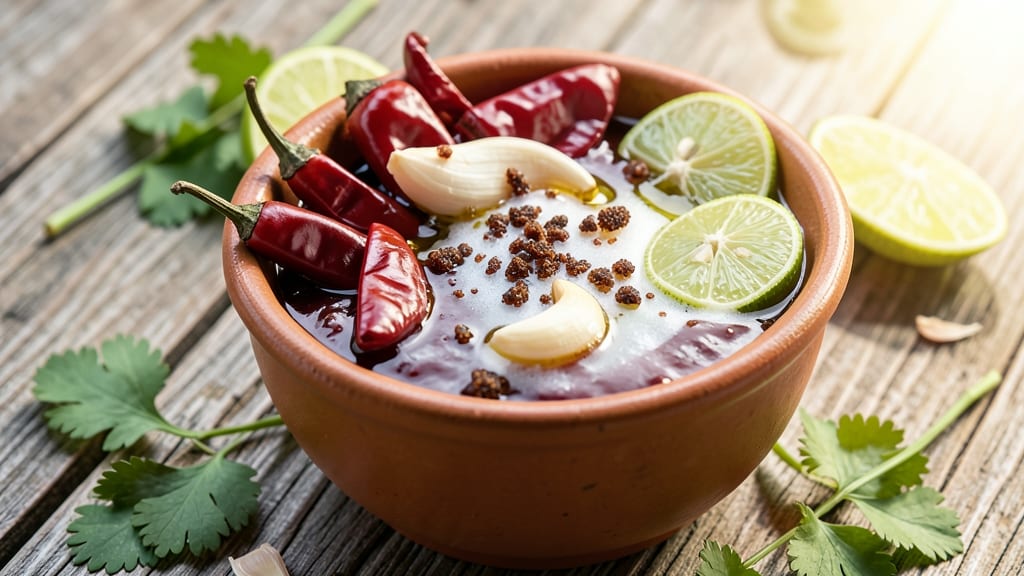
This Aruba hot sauce recipe brings the sun-soaked spice of the Caribbean straight to your kitchen counter. 🌶️ The secret lies in toasted Scotch bonnet peppers and bright lime juice, creating a perfect balance of fiery heat and tropical tang that'll transform any dish.
I developed this after tasting authentic versions on the island, where locals use it to elevate everything from grilled fish to fresh ceviche.
The process starts with gently toasting the peppers to deepen their natural sweetness before blending them with fresh lime juice, garlic, and a touch of vinegar for brightness.
What sets this sauce apart is the careful heat control—adjustable to your preference while maintaining that signature Aruba zing that makes it instantly recognizable. The fermentation step (optional but recommended) adds complexity that store-bought versions simply can't match.
What you'll end up with is a vibrant red sauce that packs serious heat but remains balanced with citrusy brightness. It's the kind of condiment that turns simple meals into flavor adventures—think grilled shrimp, tacos, or even drizzled over avocado toast.
The best part? It keeps beautifully in the refrigerator for up to three months, so you can enjoy Caribbean flavors all year long.
Whether you're a hot sauce enthusiast or just love bold flavors, this recipe delivers restaurant-quality results with minimal effort. The toasted pepper technique is the game-changer that makes all the difference. Let's get started on creating your own batch of this fiery island-inspired sauce!
Ingredients for aruba hot sauce
Bright peppers, citrus zing, and a touch of sweetness—this is your Caribbean heat in a bottle.
| Ingredient | Amount | Notes |
|---|---|---|
| Scotch Bonnet Peppers 🌶️ | 4 whole | Fresh, stem and seeds removed |
| Fresh Lime Juice 🍋 | ½ cup | Strained, no pulp |
| Garlic Cloves 🧄 | 4 cloves | Fresh, peeled, lightly toasted |
| White Vinegar 💧 | ¼ cup | Distilled white preferred |
| Extra-Virgin Olive Oil 🫒 | ¼ cup | Light fruity variety |
| Brown Sugar 🍚 | 1 tbsp | Lightly packed |
| Salt 🧂 | 1 tsp | Kosher or sea salt |
| Cumin Seeds 🌿 | ½ tsp | Toasted for depth |
| Black Peppercorns 🌶️ | ¼ tsp | Freshly cracked |
| Apple Cider Vinegar 🍎 | 1 tbsp | For brightness (optional) |
Scotch bonnet peppers are the heart of this sauce, so pick the freshest, firmest ones—they should be deep red with a glossy sheen. Most grocery stores carry them, but if you can't find them, habanero peppers work in a pinch. Toasting the peppers is key—it deepens their natural sweetness and mellows the raw heat. I grab mine from Latin markets or specialty stores when possible, but the regular produce section at Whole Foods usually has them. Look for vibrant color and firm texture, not wrinkled or soft spots. The lime juice should be freshly squeezed—Mexican Key limes add extra tang, but regular limes work too.
No Scotch bonnet peppers? Habanero or Thai bird's eye peppers will give you similar heat, though the flavor profile shifts slightly. Want to reduce the heat? Remove more seeds and membranes. The apple cider vinegar adds a nice fruity note—skip it if you prefer pure tang. For extra depth, add a pinch of smoked paprika or a dash of liquid smoke. The cumin seeds should be toasted in a dry pan for 30 seconds until fragrant—don't burn them. If you're short on time, pre-ground cumin works, but the toasted seeds give that authentic island flavor. The brown sugar balances the heat, so don't skip it unless you're going for a more aggressive heat profile.
This sauce keeps beautifully in the fridge for up to 3 months—the flavors actually improve with time. Store it in a clean glass jar with a tight seal. If you're fermenting (the optional step), use a fermentation kit or a jar with an airlock. For best results, shake before each use—the peppers settle. The sauce thickens as it ages, so add a splash of water or vinegar if it gets too stiff. Freeze for up to 6 months if you won't use it all. I always make a double batch—one for immediate use and one to gift.
Why You'll Love This Recipe
- No Blender Needed: Between us, I’ve burned out blenders making hot sauce—this one’s just a knife, a bowl, and a little patience. Mince the Scotch bonnet (carefully!) and garlic, then stir. That’s it. No fancy tools, no cleanup.
- Tropical Heat Kicks In: Honestly, the lime and vinegar cut through the Scotch bonnet’s fire like a cool breeze after a spicy run. The olive oil smooths it out, so you get that bright, tangy punch without the burn-out. It’s the kind of sauce that makes you reach for seconds—even when you’re not supposed to.
- Gifts That Impress: I’ve sent jars of this to friends for birthdays and holidays, and they’ve always come back with “How’d you do this?” It’s the perfect hostess gift—small, potent, and way more memorable than store-bought. Plus, it’s cheap to make in bulk.
- Lasts Months in Fridge: I still have a jar from last summer’s batch. The vinegar and lime preserve it like magic, so you’re not scrambling to use it up. Freeze extras in ice cube trays for single-serving heat boosts—grill season, tacos, or even scrambled eggs. Zero waste.
Step-by-step instructions for Aruba hot sauce
This fiery Caribbean sauce comes together in minutes but delivers bold island flavors.
🔥 Step 1: Toast the Scotch Bonnet Peppers and Garlic
Heat a dry skillet over medium heat and add the 4 whole Scotch Bonnet Peppers (stems removed). Toast them for 2-3 minutes per side until their skins darken slightly and you smell that deep, toasty aroma. This step brings out their natural sweetness and reduces capsaicin intensity just enough for a balanced heat.
Remove the peppers and immediately add the 4 cloves Garlic Cloves to the same skillet. Toast them for 30 seconds until fragrant and just beginning to turn golden. Watch carefully—they burn quickly! Transfer both to a heatproof bowl to cool slightly. This toasting adds incredible depth to the sauce.
🍳 Step 2: Blend the Base Ingredients
Transfer the toasted peppers and garlic to a blender along with the 0.5 cup Fresh Lime Juice (strained), 0.25 cup White Vinegar, and 1 tbsp Brown Sugar. Blend on high until completely smooth, scraping down the sides as needed. The lime juice brightens the heat while the sugar balances the acidity—this is where the magic happens.
For the 0.5 tsp Cumin Seeds and 0.25 tsp Black Peppercorns, toast them in a dry pan for 1 minute until aromatic, then add to the blender with the other ingredients. Pulse just until the spices are finely ground but don't over-blend or you'll get a gritty texture.
🥘 Step 3: Finish with Oil and Vinegar
With the blender running on low speed, slowly drizzle in the 0.25 cup Extra-Virgin Olive Oil through the feed tube. This emulsifies the sauce and creates that silky texture. Add the 1 tsp Salt and 1 tbsp Apple Cider Vinegar (if using) and blend again until fully incorporated.
Here's the thing—don't rush this step. Let the sauce sit for 5 minutes after blending so the flavors can meld. Taste and adjust: need more heat? Add a pinch of salt. Too sharp? A splash of lime juice helps. The sauce should be vibrant red with a glossy finish—like liquid sunshine with a kick!
⏰ Step 4: Rest and Strain (Optional)
For the smoothest texture, strain the sauce through a fine-mesh sieve into a clean jar. This removes any pepper skins or seeds if you prefer less heat. Let it rest at room temperature for 1 hour before using—this allows all the flavors to fully develop and the heat to mellow slightly.
If you're impatient (I won't judge), you can use it immediately, but the flavors will be more vibrant after resting. The sauce keeps in the refrigerator for up to 2 weeks, so make extra—you'll want to share this with everyone!
Pro Tips For Making Aruba Hot Sauce
- REMOVE PEPPERS WHOLE: I learned this the hard way—cutting Scotch Bonnets first exposes you to their fumes and burns your eyes. Toss them whole into the blender with the rest, then remove stems/seeds after blending. The heat stays contained, and you avoid a painful lesson.
- BLISTER PEPPERS FIRST: Char the whole Scotch Bonnets over a gas flame or under a broiler for 2-3 minutes per side until blackened. That smoky depth cuts through the acidity and makes the sauce taste like it came from a roadside stand in Aruba—not just a jar. (Yes, even if you're impatient like me.)
- USE AGED VINEGAR: Skip the cheap white vinegar. A 2-year-old sherry or apple cider vinegar adds complexity that cheap vinegar can’t match. Just 1 tablespoon of aged vinegar in the mix makes the sauce taste like it’s been simmering for hours.
- STRAIN GARLIC THOROUGHLY: After blending garlic into the sauce, strain it through a fine-mesh sieve to remove pulp. I was skeptical until I tried it—no grainy texture, just smooth heat. Takes 30 seconds but makes a real difference in texture.
Best sauces and condiments for aruba hot sauce
Sweet Heat Balance
This sauce thrives on the perfect harmony between Scotch bonnet heat and brown sugar sweetness. The 1 tbsp brown sugar isn't just for flavor—it mellows the pepper's intensity while adding a caramelized depth.
For extra complexity, I sometimes add ½ tsp smoked paprika to the blend, which gives it that smoky island touch you'd find in Aruban street food stalls. 🌶️
If you prefer a sharper heat profile, reduce the sugar to ½ tbsp—the lime juice will still provide enough brightness. The key is tasting as you go: balance is everything in Caribbean cuisine.
I like to let my sauce sit for 10 minutes after blending before adjusting, as the flavors meld more predictably that way.
Citrus Brightness
The 0.5 cup fresh lime juice is non-negotiable—it cuts through the heat and gives that signature tropical zing. For maximum brightness, use Mexican Key limes if available, but regular limes work perfectly fine.
I always strain the juice to avoid pulp, which can make the sauce too thick. The 0.25 cup white vinegar adds another layer of acidity that prevents the heat from feeling overwhelming.
For an extra citrusy kick, add 1 tsp grated lime zest to the blend before emulsifying. This isn't in the original recipe but has become my signature touch—it adds a fresh aroma that makes the sauce smell like a Caribbean breeze.
The zest dissolves completely during blending, so no straining is needed.
Fermentation Option
For a more complex, restaurant-quality sauce, consider fermenting for 3-5 days before using. This step isn't traditional for Aruban hot sauces but adds depth that store-bought versions can't match.
Use a fermentation kit or a clean glass jar with an airlock. The natural probiotics create a tangy richness that pairs beautifully with grilled meats and seafood.
To ferment, simply blend all ingredients as directed, then transfer to a fermentation vessel. Let it sit at room temperature for 3-5 days, skimming any mold that forms. The result is a sauce with a deeper, almost umami quality.
If you're new to fermentation, start with 3 days—it's enough to notice the difference without overdoing it. 💫
Texture Secrets
The silky texture comes from the 0.25 cup extra-virgin olive oil emulsified at low speed. Never skip this step—it creates that luxurious mouthfeel that makes the sauce feel restaurant-quality.
For an even smoother finish, strain through a fine-mesh sieve after blending. This removes any pepper skins that might make the sauce feel gritty.
If your sauce separates after storage, simply shake vigorously before using. The oil and vinegar will re-emulsify naturally. For extra stability, add 1 tsp xanthan gum to the blend before emulsifying—it acts as a natural thickener that prevents separation.
This is my pro trick for sauces that need to stay smooth for longer storage.
Heat Adjustments
Want to control the heat level? The Scotch bonnet peppers are the main culprit, so adjust them first. For mild heat, use 2 peppers instead of 4, or remove more seeds and membranes.
For extra heat, add 1 extra pepper or a pinch of cayenne. The toasted garlic and cumin naturally mellow the heat slightly, so don't be afraid to experiment.
If you accidentally make it too spicy, balance it with more lime juice or a splash of vinegar. The acidity helps disperse the capsaicin, making the heat feel more manageable.
I've made this sauce so hot it could strip paint, but with these adjustments, you can dial it to your exact preference every time.
Nutrition facts
Frequently asked questions
Can I substitute Scotch bonnet peppers if I can't find them?
Use habanero peppers for similar heat, or Thai bird's eye peppers for a slightly sweeter profile. For milder heat, try jalapeños but you'll need 6-8 to match the intensity. Always toast them first to deepen their flavor—this step is crucial for that authentic Aruban taste.
How do I reduce the heat level in this sauce?
Start by removing more seeds and membranes from the peppers before toasting. For an already-made batch, add 1-2 tbsp extra lime juice or 1 tbsp apple cider vinegar—the acidity helps balance the capsaicin. You can also mix in 1 tsp honey or brown sugar to mellow the heat naturally.
Should I ferment this hot sauce for better flavor?
Fermentation adds depth, but it's optional! For a quick version, skip it and enjoy within 2 weeks. If fermenting, use a clean jar with an airlock for 3-5 days at room temperature. The result will have a tangy richness, but the basic recipe already delivers bold Caribbean flavors without fermentation.
How long will this sauce keep, and can I freeze it?
Store in a sealed glass jar in the fridge for up to 3 months—flavors actually improve over time. For freezing, portion into ice cube trays, then transfer to a freezer bag. Thaw overnight in the fridge. The texture may separate slightly after freezing, but shake well before using.
What are the best dishes to use this sauce with?
This sauce shines on grilled seafood, tacos, and fried plantains. Drizzle over ceviche or mix into mayonnaise for a spicy dip. For drinks, add 1 tsp per cocktail to margaritas or mojitos. The bright citrus notes make it perfect for tropical-inspired dishes.