
Sauces & Condiments
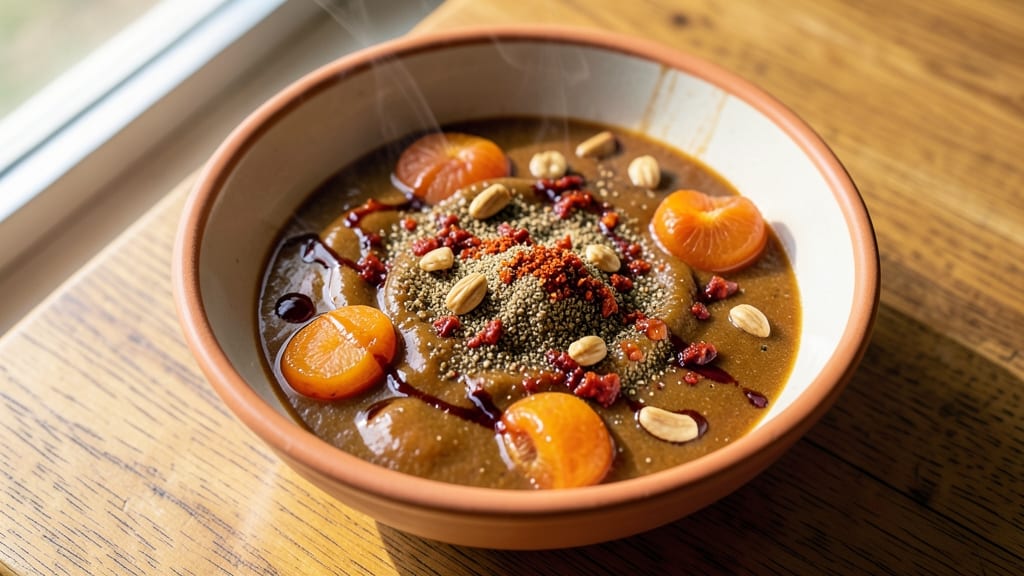
This apricot chili sauce recipe transforms simple ingredients into a sweet-smoky glaze that elevates grilled meats, roasted vegetables, and even dips. 🔥 The perfect balance of fruity apricot sweetness and fiery chili heat creates a sauce that's versatile enough for weeknight dinners or special occasions.
I developed this recipe after years of experimenting with Middle Eastern and Mediterranean flavors, and it never fails to impress. The key to this sauce lies in simmering apricots with aromatic spices like cumin and coriander, then blending them with vinegar and chili for depth.
Unlike store-bought versions, this homemade glaze develops rich, complex flavors that deepen over time. The texture is smooth yet clingy, making it ideal for drizzling or brushing onto hot foods. What makes this sauce truly special is its ability to complement a wide range of dishes.
Use it as a marinade for chicken or pork, a glaze for grilled vegetables, or a dip for fresh bread. The sweetness balances the heat beautifully, creating a sauce that's as satisfying as it is flavorful.
Store it in the refrigerator for up to two weeks, or extend its shelf life by canning it for long-term use. Let's create this versatile sauce that will become a staple in your kitchen!
Ingredients for apricot chili sauce
Nine simple ingredients create a versatile sauce that balances sweet and smoky flavors beautifully.
| Ingredient | Amount | Notes |
|---|---|---|
| Dried Apricots 🍑 | 1 cup | Chopped, unsulfured preferred |
| Red Wine Vinegar 🍷 | ½ cup | Bold, dry variety recommended |
| Tomato Paste 🍅 | ¼ cup | High-quality, no sugar added |
| Cayenne Pepper 🌶️ | 1 tsp | Adjust for desired heat level |
| Ground Cumin 🌿 | 1 tsp | Toasted for deeper flavor |
| Ground Coriander 🌿 | 1 tsp | Freshly ground preferred |
| Garlic Cloves 🧄 | 3 cloves | Peeled, roughly chopped |
| Olive Oil 🫒 | ¼ cup | Extra-virgin for richness |
| Honey 🍯 | 2 tbsp | Pure, high-quality honey |
| Salt 🧂 | 1 tsp | Kosher or sea salt |
The apricots are the heart of this sauce—dried, unsulfured ones have the deepest flavor. Trader Joe's or Whole Foods often carry high-quality dried fruit in bulk bins. If you can't find unsulfured, regular dried apricots work fine, but soak them in warm water for 10 minutes to soften before chopping. The red wine vinegar should be bold and dry—think Cabernet Sauvignon or Merlot. Avoid sweet or balsamic vinegars, as they'll alter the balance. For the tomato paste, Mueller's or Rao's are reliable brands that won't overpower the sauce with added sugar.
No dried apricots? Fresh apricots or peaches work in a pinch—simmer them until soft, then blend. Running short on vinegar? Balsamic vinegar at half the amount adds depth, though it'll be slightly sweeter. The spices are non-negotiable—toast the cumin seeds in a dry pan for 30 seconds before grinding if you have whole cumin. For extra heat, add red pepper flakes alongside the cayenne. The honey should be light-colored like clover or acacia to avoid overpowering the sauce with a strong floral note.
This sauce thickens as it cools, so store it in an airtight jar in the fridge for up to two weeks. For longer storage, canning is ideal—follow standard canning procedures for acidic sauces. The flavor actually improves over time, so make a double batch if you plan to use it frequently. If it thickens too much, simply stir in a splash of water or vinegar to reach your desired consistency. Leftovers keep well for up to 3 months in the freezer, though texture may change slightly upon thawing.
Why You'll Love This Recipe
- Pantry Magic: I swear by this recipe because it uses what’s already lurking in my cupboards—no last-minute grocery runs. Dried apricots and tomato paste? I’ve got those. The vinegar and spices? Probably hiding somewhere. It’s the kind of sauce that turns "I don’t feel like cooking" into "I’ll make something quick."
- Sweet Heat Balance: Honestly, the combo of dried apricots and cayenne is chef’s kiss—like a hug for your taste buds. The cumin adds this warm, earthy depth, while the red wine vinegar cuts through the richness. It’s the kind of flavor that makes you pause mid-bite, like, "Wait, why isn’t this on everything?"
- Glazes Everything: Between us, this sauce is my secret weapon for weeknights. Drizzle it over grilled chicken, toss it with roasted veggies, or slather it on sandwiches. It’s the kind of versatile sauce that makes even the simplest meal feel special—no fancy plating required.
- Lasts All Week: I make a big batch on Sundays and it’s still there, begging to be used, by Friday. The tomato paste thickens it just enough to keep it from spoiling fast, and the vinegar acts like a natural preservative. Plus, it’s budget-friendly—dried apricots and spices don’t break the bank, but the flavor? Priceless.
Step-by-step instructions for apricot chili sauce
Here's how to craft a perfectly balanced sweet-smoky glaze with depth of flavor.
🍳 Step 1: Sauté Garlic and Toast Spices
Heat the 0.25 cup olive oil in a medium saucepan over medium heat until shimmering. Add the 3 cloves garlic cloves and cook for 1-2 minutes until fragrant but not browned—just golden around the edges. This prevents bitter garlic flavors.
Immediately add the 1 tsp ground cumin, 1 tsp ground coriander, and 1 tsp cayenne pepper. Toast the spices for 30 seconds while stirring constantly. You'll smell their aromatic oils releasing—this builds the sauce's complex foundation. Watch closely to avoid burning the spices, which would make the sauce bitter.
🍳 Step 2: Build the Sauce Base
Pour in the 0.5 cup red wine vinegar and 0.25 cup tomato paste, stirring to combine. Let the mixture simmer gently for 3-4 minutes until it thickens slightly and the raw tomato paste flavor mellows. The sauce should reduce enough to coat the back of a spoon.
Here's the thing—don't rush this step. The vinegar needs time to mellow while the tomato paste breaks down. You're creating the flavor backbone that will carry the sweetness and heat later. If it looks too thick, add 1 tablespoon water to loosen it slightly.
🍳 Step 3: Add Sweetness and Simmer
Stir in the 2 tbsp honey and 1 tsp salt, mixing until completely dissolved. The sauce should begin to bubble gently. Add the 1 cup chopped dried apricots and simmer for 8-10 minutes over medium-low heat until the apricots soften and the sauce thickens to a glaze-like consistency.
Real talk: This is where the magic happens. The apricots should plump up noticeably and release their natural sweetness. If the sauce starts to stick, add another 1 tablespoon water to maintain the proper consistency. You're aiming for a thick, spoonable glaze that coats the back of a spoon.
⏰ Step 4: Blend and Adjust
Use an immersion blender to purée the sauce directly in the pan until completely smooth. If you prefer a chunkier texture, mash the apricots with a fork instead. The sauce should be velvety with a vibrant red-orange color and no visible pieces.
Taste and adjust the balance—add more honey for sweetness, red wine vinegar for acidity, or cayenne pepper for heat. I like to finish with a final pinch of salt to enhance all the flavors. The perfect sauce should have equal parts sweet, smoky, and tangy with a subtle kick of heat.
🥘 Step 5: Cool and Store
Remove the sauce from heat and let it cool to room temperature. The sauce will thicken further as it cools—this is normal. For immediate use, transfer to a clean jar. If storing, refrigerate for up to 2 weeks or freeze for up to 3 months.
When ready to use, gently reheat over low heat, stirring occasionally. This glaze works beautifully as a marinade, grilling sauce, or dip. The flavors deepen as it sits, so freshly made sauce tastes best within the first few days. For restaurant-quality results, let it sit overnight before using.
Pro Tips For Making Apricot Chili Sauce
- SOAK THE APRICOTS FIRST: Dried apricots are stubborn—soak them in warm water for at least 20 minutes before chopping. I used to skip this and ended up with a sauce that tasted like chewy leather. Trust me, they’ll soften and release their sweetness properly.
- SIMMER LOW AND SLOW: This isn’t a race. After adding the tomato paste and spices, reduce heat to a gentle simmer and let it cook for 15-20 minutes. Rushing it leaves the sauce grainy and raw-tasting. Patience here makes all the difference.
- TOAST THE CUMIN: Sprinkle the ground cumin into a dry pan over medium heat for 30 seconds until it smells toasty. Then stir it into the sauce. This step deepens the earthy flavor—something I only noticed after doing it once.
- STRAIN THE EXTRA GOODNESS: After simmering, strain the sauce through a fine-mesh sieve to remove any bits of apricot skin or seeds. It’s a little extra work, but the result is silky smooth. (Yes, even if you’re impatient like me.)
Pro cooking tips for great apricot chili sauce
Heat Control Essentials
Start with medium heat when sautéing garlic—too high will burn it instantly, creating bitter flavors that ruin the sauce. I use a stainless steel saucepan because it heats evenly and responds quickly to temperature adjustments.
Once the spices toast, immediately reduce to medium-low to prevent scorching while maintaining gentle simmering for the vinegar and tomato paste. 🌡️
Spice Toasting Trick
Toast your spices for exactly 30 seconds—any longer risks burning them, which turns the sauce bitter. I like to stir constantly using a wooden spoon (metal can scratch nonstick pans). The moment you smell their aromatic oils release, they're ready.
For extra depth, toast whole cumin seeds in a dry pan first, then grind them fresh—this adds a nutty complexity that ground cumin can't match.
Vinegar Mellowing
Don't skip the 3-4 minute simmer for the vinegar and tomato paste—this is where the sauce develops its backbone. The vinegar needs time to mellow while the tomato paste breaks down into a smooth, velvety texture.
If it looks too thick, add 1 tablespoon water in small increments. I've made this mistake before—rushing this step results in a sauce that's too sharp and unbalanced.
Apricot Plumping Tip
For perfectly plump apricots, simmer them for 8-10 minutes over medium-low heat. If they're not soft enough, add 1 tablespoon water to prevent sticking. The key is patience—the longer they simmer gently, the more their natural sweetness infuses into the sauce.
I once used high heat and ended up with chewy apricot pieces that didn't blend smoothly.
Blending Secrets
Use an immersion blender for the smoothest texture—it's faster than transferring to a food processor and keeps all the flavors contained. If you prefer chunks, mash the apricots with a fork after simmering.
For restaurant-quality results, strain the sauce through a fine-mesh sieve to remove any remaining bits. The final consistency should be thick enough to coat the back of a spoon but still pour easily.
Flavor Balancing
Taste your sauce at the end and adjust in small increments—start with ½ teaspoon honey for sweetness, ½ teaspoon vinegar for acidity, or ¼ teaspoon cayenne for heat. I like to finish with a pinch of salt to enhance all the flavors.
The perfect balance should have equal parts sweet, smoky, and tangy with just a hint of heat. Trust your taste buds—they know what needs adjusting better than any recipe can tell you. ✨
Nutrition facts
Frequently asked questions
Can I substitute fresh apricots for dried?
Yes! Use 2 cups fresh apricots (peeled, pitted, and chopped) instead of dried. Simmer them for 10-12 minutes until very soft before blending. Fresh apricots will make the sauce slightly thinner, so reduce any extra liquid by simmering uncovered for 2-3 minutes at the end. The flavor will be fruitier but less concentrated.
How can I make this sauce spicier?
For extra heat, add ½ teaspoon smoked paprika with the spices or increase cayenne to 1½ teaspoons. For a smoky kick, stir in ½ teaspoon liquid smoke at the end (optional). If you love chili, try adding 1-2 tablespoons minced chipotle peppers in adobo sauce during the simmer. Always taste first—heat builds as the sauce cools!
What are the best ways to use this sauce?
This versatile glaze works perfectly as a marinade for chicken thighs or pork chops, a dip for grilled vegetables, or a drizzle over roasted lamb. Try brushing it on corn on the cob or using it as a sweet-spicy dip for fresh bread. The sauce also pairs beautifully with charred halloumi cheese or as a finishing sauce for pho or ramen. The possibilities are endless!
Why did my sauce turn out too thick?
This happens when the sauce cools—it's normal! Thin it with 1-2 teaspoons water or vinegar while reheating. For future batches, simmer the vinegar-tomato base for 1-2 minutes less or add 1 extra tablespoon water when simmering the apricots. The ideal consistency should coat the back of a spoon but still pour smoothly. If it's too thick after thinning, it may need a 5-minute simmer to reduce again.
Can I make this sauce without honey?
Yes! Replace the honey with 2 tablespoons maple syrup or agave nectar for a vegan option. For a different flavor profile, try 1 tablespoon date syrup or 1½ tablespoons brown sugar. Each substitute will slightly alter the sweetness level, so taste and adjust with extra vinegar if needed. Maple syrup adds a caramel-like depth, while date syrup gives a deeper, earthier sweetness.