
Sauces & Condiments
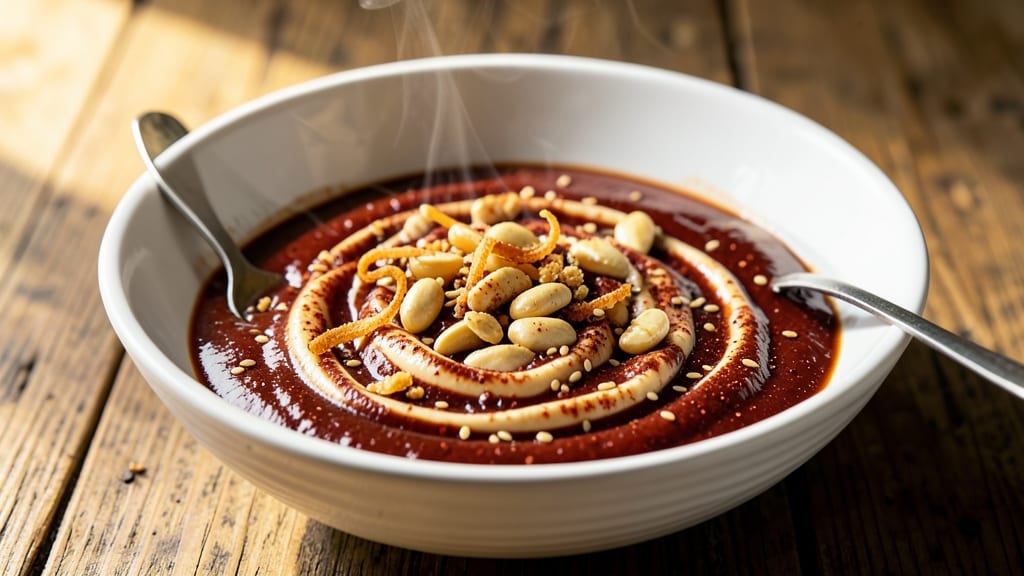
This barbecue peanut sauce recipe transforms simple ingredients into a nutty-smoky glaze that elevates grilled meats to restaurant quality. 🔥 I developed it after years of experimenting with Asian-inspired BBQ sauces, blending the deep umami of peanut butter with the bold smokiness of traditional barbecue.
The result? A sauce that's rich, slightly sweet, and packed with complex flavors that cling beautifully to chicken, pork, or even tofu.
The secret lies in balancing heat and sweetness—just enough chili powder for a subtle kick, brown sugar for depth, and a splash of vinegar to brighten the richness.
We simmer everything together until it thickens into a glossy, coatable sauce, then finish with a touch of peanut butter for that signature nutty flavor. It's a foolproof process that yields a sauce so versatile it works as a glaze, dipping sauce, or even a stir-fry sauce.
What makes this sauce special is its ability to transform ordinary grilled meats into something extraordinary. Imagine tender, fall-off-the-bone ribs glistening under a glossy peanut glaze, or crispy grilled chicken thighs with every bite bursting with nutty, smoky goodness.
The sauce also keeps beautifully in the fridge for up to a week, so you can make a big batch and enjoy it all week long.
Perfect for weeknight dinners or weekend cookouts, this barbecue peanut sauce is the kind of recipe that becomes a staple in your kitchen. Whether you're grilling up some ribs, tossing it with noodles, or using it as a dipping sauce, this nutty-smoky glaze will quickly become your new favorite.
Let's get started!
Ingredients for barbecue peanut sauce
Nine simple ingredients blend into a restaurant-quality sauce that transforms grilled meats.
| Ingredient | Amount | Notes |
|---|---|---|
| Peanut Butter 🥜 | ½ cup | Natural, unsweetened preferred |
| Barbecue Sauce 🍅 | ½ cup | Store-bought or homemade |
| Brown Sugar 🍯 | ¼ cup | Light or dark, packed |
| Soy Sauce 🥢 | 2 tbsp | Light or dark variety |
| Apple Cider Vinegar 🍎 | 1 tbsp | Or sub white vinegar |
| Chili Powder 🌶️ | 1 tsp | Adjust for heat preference |
| Garlic Cloves 🧄 | 2 cloves | Minced or finely chopped |
| Ginger Root 🌿 | 1 tsp | Freshly grated preferred |
| Sesame Oil 🫒 | 1 tsp | Toasted for aroma |
| Honey 🍯 | 1 tbsp | Or sub maple syrup |
The peanut butter is the star—natural, unsweetened gives the best flavor without added sugar. Trader Joe's or Costco have great bulk options if you're making a big batch. The barbecue sauce can be any brand, but look for one with a balance of sweet and smoky—Sweet Baby Ray's or Stubb's work perfectly. Fresh ginger and garlic make all the difference, so don't skip them if you've got them. I always grab extra ginger because it keeps for months in the freezer once peeled and sliced.
No peanut butter? Sunflower seed butter works in a pinch (same texture, slightly different flavor). Short on soy sauce? Coconut aminos or even extra brown sugar + a splash of water can help, though the umami will be milder. Want more heat? Add a pinch of cayenne pepper or a dash of hot sauce. The honey can be swapped for maple syrup or agave if you prefer. For a smoother sauce, blend everything until silky—immersion blender is perfect for this.
This sauce keeps for 1 week in the fridge, sealed tightly. It thickens as it cools, so just stir in a splash of water if it gets too stiff. I always double the batch—half goes on ribs, half becomes a dipping sauce for spring rolls. Freezes beautifully for up to 3 months if you want to make a big stash. The flavors actually deepen overnight, so making it ahead is a great idea.
Why You'll Love This Recipe
- Here’s what sold me: that first tangy hit of BBQ sauce meets the creamy peanut butter, then the soy sauce and vinegar wake it all up. It’s not too sweet, not too smoky—just ridiculously good on everything from grilled chicken to fries.
- Five-Ingredient Magic: I swear by this combo—just stir, simmer, and boom. No fancy techniques, no hidden pantry raids. The peanut butter and brown sugar team up like old friends, while the vinegar cuts through the richness so it doesn’t feel heavy.
- Sweet-Savory Balance: Here’s what sold me: that first tangy hit of BBQ sauce meets the creamy peanut butter, then the soy sauce and vinegar wake it all up. It’s not too sweet, not too smoky—just ridiculously good on everything from grilled chicken to fries.
- Weeknight Workhorse: Between us, I’ve drizzled this on takeout, tossed it into stir-fries, and even slathered it on sandwiches for lazy Sundays. It’s the kind of sauce that turns a simple meal into something special without extra effort.
Step-by-step instructions for barbecue peanut sauce
This sauce comes together faster than you'd think—creamy, smoky, and packed with flavor.
🍳 Step 1: Warm and Combine Wet Ingredients
In a medium saucepan, combine the 0.5 cup peanut butter, 0.5 cup barbecue sauce, and 0.25 cup brown sugar over medium-low heat. Stir constantly with a wooden spoon until the peanut butter melts completely and the mixture becomes smooth—this usually takes about 3-4 minutes. You'll know it's ready when the sauce looks glossy and uniform, with no visible peanut butter chunks.
Here's the thing—don't rush this step. If you crank the heat too high, the peanut butter can seize up and become grainy. Keep it moving and let the heat work gradually. The brown sugar will start to dissolve, creating that perfect balance of sweetness and depth that makes this sauce so addictive.
🍳 Step 2: Add Aromatics and Build Flavor
Once the peanut butter mixture is smooth, stir in the 2 tbsp soy sauce, 1 tbsp apple cider vinegar, and 1 tsp chili powder. Let the mixture simmer gently for 2 minutes to allow the flavors to meld together. Then add the 2 cloves minced garlic and 1 tsp freshly grated ginger root, stirring constantly for another 1 minute until fragrant.
You'll notice the aroma change dramatically when the garlic and ginger hit the pan—that's your signal the sauce is coming together. The vinegar will add a bright tang that cuts through the richness of the peanut butter, while the chili powder introduces just the right amount of heat. Taste the sauce now if you're curious—it's already developing that perfect balance of sweet, spicy, and umami.
🍳 Step 3: Finish with Sesame Oil and Honey
Reduce the heat to low and stir in the 1 tsp sesame oil and 1 tbsp honey. Simmer for another 1-2 minutes, stirring constantly, until the sauce reaches your desired consistency. It should coat the back of a spoon but still be pourable. If it's too thick, add 1-2 tablespoons of water to reach the perfect glaze-like texture.
The sesame oil adds that nutty aroma that takes this sauce to the next level, while the honey rounds out all the flavors. This is where you can adjust the sweetness—if you prefer it sweeter, add a bit more honey; if you want more heat, add a pinch more chili powder. The sauce should be vibrant in color, with a beautiful reddish-brown hue from the barbecue sauce and peanut butter.
⏰ Step 4: Let It Rest and Thicken
Remove the saucepan from heat and let the sauce sit for 5 minutes at room temperature. This resting period allows the sauce to thicken slightly as it cools, which is crucial for getting that perfect glaze consistency when you use it on grilled meats. I know it's tempting to use it immediately, but trust me—this waiting period makes all the difference.
During this time, give the sauce one final taste and adjust the seasoning if needed. You might find it needs a touch more salt (add a pinch of soy sauce) or a bit more acidity (a splash of vinegar). Once you're happy with the flavor, transfer the sauce to a clean jar or container. It'll keep in the refrigerator for up to 2 weeks, making it perfect for meal prep.
Pro Tips For Making Barbecue Peanut Sauce
- Warm the Peanut Butter: Cold peanut butter clumps like a stubborn guest who won’t leave. Melt it first—either in a microwave (20-second bursts) or over low heat in the saucepan. This ensures a silky texture instead of grainy lumps that’ll make your sauce look (and taste) like it’s fighting itself.
- Balance the BBQ Sauce: Not all BBQ sauces are created equal. If yours is smoky and bold, cut it with a splash of apple cider vinegar to lighten the flavor. If it’s sweet and thin, add a teaspoon of soy sauce to deepen the umami—this keeps the peanut sauce from tasting like syrup with a side of smokiness.
- Skip the Boiling Point: This sauce isn’t a race. Once it’s simmering, keep the heat low and stir often. Letting it boil hard turns peanut butter into a gluey mess, and sugar burns faster than you’d think. A gentle simmer for 8–10 minutes is all you need—no need to babysit a pot on high.
- Toast the Peanut Butter: Sounds weird, but it works: Stir in a pinch of brown sugar first, then let the peanut butter and BBQ sauce cook together for 2–3 minutes before adding vinegar or soy. The sugar caramelizes slightly, giving the sauce a richer, nuttier depth—like the difference between a plain sandwich and one with a crispy edge.
Storing and reheating your barbecue peanut sauce
Fridge Storage Tips
Store your barbecue peanut sauce in an airtight glass jar—I love using Pyrex with a snap-on lid—and keep it refrigerated for up to 2 weeks. The sauce naturally thickens as it cools, so stir in 1-2 tablespoons of water if it becomes too stiff before using.
I always make a double batch: half goes on ribs, and the other half becomes a dipping sauce for spring rolls. 🥜
Freezer-Friendly Tricks
Freeze the sauce in ice cube trays for single-use portions—just pop out what you need and thaw in the fridge overnight. For larger batches, use quart-sized freezer bags with 1 inch of headspace to prevent expansion cracks.
Label with the date since it keeps its best quality for 3 months. Pro tip: Add a splash of water before freezing to prevent drying out.
Reheating for Glaze Perfection
For grilling applications, reheat the sauce in a small saucepan over low heat until it reaches 160°F, stirring constantly to prevent scorching. If using it cold (like for noodles), simply stir and adjust consistency with a splash of water.
I avoid microwaving because it can create hot spots—stovetop reheating gives the most even texture. ✨
Reviving Thickened Sauce
If your sauce separates or thickens too much in storage, simply whisk in 1 tablespoon of warm water at a time until smooth. For extra richness, add a pinch of peanut butter or a dash of sesame oil.
The sauce's texture should be like thick honey—coatable but still pourable. This trick works every time without compromising flavor.
Long-Term Flavor Preservation
To extend shelf life beyond 2 weeks, transfer the sauce to a vacuum-sealed bag and freeze. The vacuum seal prevents freezer burn and preserves those nutty, smoky flavors.
When ready to use, thaw in the fridge overnight or use the microwave on 50% power for 1 minute, then stir vigorously. The sauce will be just as vibrant as the day you made it.
Sauce Consistency Hacks
Need it thicker for glazing? Simmer uncovered for 5 extra minutes to reduce. Prefer it thinner for dipping? Thin with 1 tablespoon of warm water or broth at a time.
I keep a small jar of this sauce in my fridge at all times—it's the perfect quick glaze for last-minute grilling or stir-fry finishes. The key is adjusting while warm for best results. 💫
Nutrition facts
Frequently asked questions about barbecue peanut sauce
Can I make this peanut sauce without peanut butter?
Yes! For a nut-free version, substitute ½ cup sunflower seed butter or blend ½ cup roasted peanuts with 1 tablespoon water until smooth. The texture will be slightly different but still delicious. If you're avoiding all nuts, try ½ cup tahini (sesame paste) for a similar creamy base.
How spicy should the sauce be?
The recipe includes just 1 teaspoon chili powder for a mild heat. For more kick, add ½ teaspoon cayenne pepper or 1 teaspoon hot sauce. Adjust to taste—start small and increase gradually. The sauce's sweetness balances the heat perfectly, so don't overdo it unless you love spicy!
What's the best way to use this sauce?
This versatile sauce works as a glaze for grilled meats (chicken, pork, or tofu), a dipping sauce for spring rolls or fries, or a stir-fry sauce. For best results, brush it on meats during the last 5-10 minutes of grilling when they're almost done. It also pairs beautifully with rice bowls or noodle dishes.
Why did my sauce separate?
Peanut butter sauce can separate if cooled too quickly or if the peanut butter wasn't melted completely. To fix it, gently reheat the sauce over low heat while stirring constantly until smooth. If it's still grainy, whisk in 1 tablespoon of warm water and blend until silky. Always melt the peanut butter thoroughly over medium-low heat to prevent separation.
Can I make this sauce ahead of time?
This sauce tastes even better the next day as the flavors meld. Make it 1-2 days ahead and store it in an airtight container in the fridge. The texture will thicken slightly—just stir in 1 tablespoon of water to reach your desired consistency before using. For long-term storage, freeze for up to 3 months**.