
Sauces & Condiments
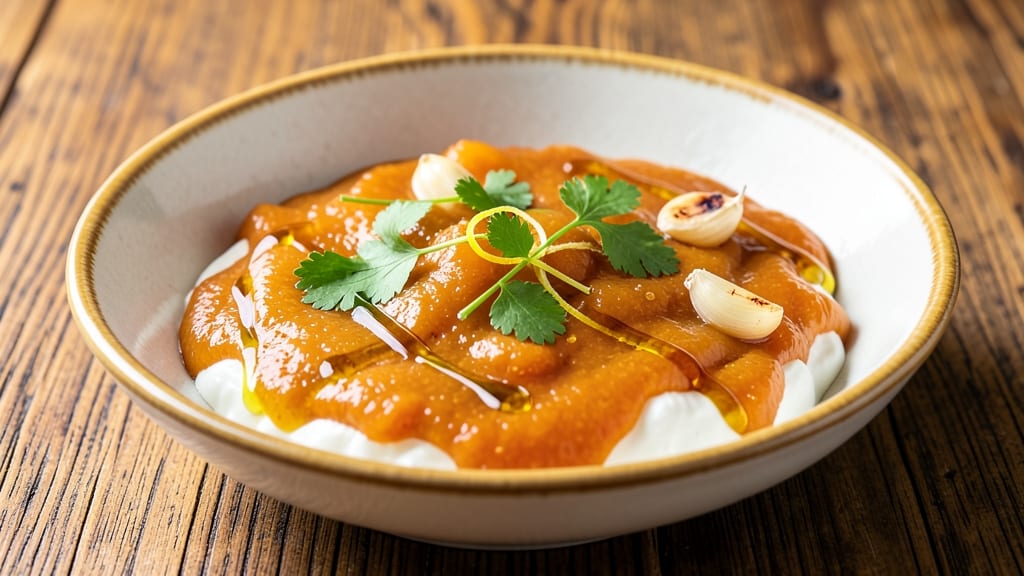
This apricot and coriander sauce transforms ordinary grilled meats into a vibrant, restaurant-worthy centerpiece with just a few simple ingredients. The bright, tangy-sweet balance comes from blending fresh apricots with zesty coriander, garlic, and a touch of lemon—creating a sauce that’s as elegant as it is easy to make.
Perfect for drizzling over lamb, chicken, or even grilled vegetables, this sauce elevates any dish with minimal effort.
The secret lies in the textural contrast: smooth apricot purée meets fresh herbs, while a hint of vinegar or yogurt adds depth. Unlike heavy creamy sauces, this one stays light yet rich, with a fresh, herbal finish that cuts through rich meats beautifully.
It’s also incredibly versatile—pairs just as well with yogurt bowls or salads as it does with grilled proteins.
What makes this sauce stand out is its quick preparation—no cooking required, just blend and drizzle. The apricots provide natural sweetness, while coriander adds a bright, citrusy freshness that keeps the flavor profile bright and balanced.
A squeeze of lemon at the end ensures the sauce stays vibrant, not dull.
Store it in the fridge for up to 5 days, or freeze for longer shelf life. The sauce thickens slightly when chilled, making it even easier to drizzle perfectly over hot, sizzling meats.
Whether you’re hosting a barbecue or just craving something special for dinner, this sauce delivers restaurant-quality flavor in minutes.
Ingredients for apricot and coriander sauce
Nine ingredients blend into a vibrant sauce that transforms grilled meats with restaurant-quality elegance.
| Ingredient | Amount | Notes |
|---|---|---|
| Fresh Apricots 🍑 | 1 cup | Pitted and chopped (ripe but firm) |
| Fresh Coriander Leaves 🌿 | ½ cup | Stems removed, loosely packed |
| Garlic Cloves 🧄 | 3 cloves | Peeled and roughly chopped |
| Extra-Virgin Olive Oil 🫒 | ½ cup | High-quality, fruity variety |
| Plain Greek Yogurt 🥛 | ¼ cup | Full-fat for creaminess |
| Lemon Juice 🍋 | 2 tbsp | Freshly squeezed |
| Apple Cider Vinegar 🍶 | 1 tbsp | For tangy brightness |
| Honey 🍯 | 1 tbsp | Optional for extra sweetness |
| Salt 🧂 | ½ tsp | Diamond Crystal preferred |
| Ground Black Pepper 🌶️ | ¼ tsp | Freshly cracked |
The apricots are the heart of this sauce—ripe but firm varieties like Blenheim or Patio work best. Trader Joe's often carries pre-pitted apricots in summer, saving prep time, but fresh is ideal. Coriander leaves should be bright green with no brown stems; Middle Eastern markets often have fresher stock than supermarkets. Garlic cloves should be plump and firm—avoid any with sprouts. The olive oil matters here: California avocado oil adds a neutral base, while Spanish Arbequina brings fruity depth. For the yogurt, full-fat Greek yogurt like Fage or Siggi's creates the perfect creamy texture without overpowering the bright flavors.
No fresh apricots? Dried apricots rehydrated in warm water work beautifully—just blend them into the purée. Swap coriander for cilantro if needed, but increase to 0.75 cup for similar freshness. Substitute apple cider vinegar with red wine vinegar at the same amount, though the flavor profile shifts slightly. The honey is optional but recommended for balancing the tartness—local raw honey adds subtle floral notes. For a vegan version, replace the yogurt with cashew cream (soaked cashews blended with water) or coconut yogurt. The sauce thickens naturally when chilled, so adjust olive oil if you prefer it thinner immediately.
This sauce thrives in the fridge for up to 5 days, with flavors deepening over time. Portion into small jars for easy drizzling—it thickens slightly when cold, making it ideal for grilled meats. Freeze for up to 3 months by storing in ice cube trays, then transferring to a bag. Thaw overnight in the fridge before use. For best results, let the sauce sit at room temperature for 10 minutes before serving to restore its silky texture. The lemon juice will brighten the flavor if the sauce sits too long, so add a splash before drizzling if needed.
Why You'll Love This Recipe
- No Blender Needed: I swear by this—just chop the apricots into rough chunks (pits out, obviously) and pulse the coriander with garlic in a food processor. The texture stays chunky but vibrant, and honestly? That’s where the magic lives.
- Sweet-Savory Balance: The yogurt keeps it creamy while the apricots bring that natural jammy sweetness, but the coriander and garlic? They cut right through it like a cool breeze. It’s the kind of sauce that makes you go, “Wait, why haven’t I done this before?”
- Dinner Party Shortcut: Between us, this sauce is my lazy but brilliant answer to “make something fancy.” Drizzle it over grilled chicken, dollop it on naan, or serve it with roasted veggies—suddenly, your weeknight meal looks like you spent hours in the kitchen.
- Yogurt Stretches Far: I make double batches because the yogurt base thickens beautifully and keeps for days. Spread it on toast for breakfast, toss it with couscous for lunch, or use it as a marinade—it’s my budget-friendly secret for turning simple meals into something special.
Step-by-step instructions for apricot and coriander sauce
This vibrant sauce delivers a perfect balance of sweet, tangy, and herby flavors—ideal for elevating grilled dishes.
Blend the Apricot and Coriander Base
Combine the 1 cup of chopped fresh apricots, 0.5 cup of fresh coriander leaves, 3 cloves of roughly chopped garlic, and 0.5 cup of extra-virgin olive oil in a high-speed blender. I prefer using a Vitamix for this step—it ensures a perfectly smooth texture without any gritty bits. Pulse the blender for 10-15 seconds first, then blend continuously for 30-45 seconds until the mixture is completely smooth and homogeneous.
Here's the thing—you want the sauce to be velvety, not chunky. If you notice any resistance or hear the motor strain, add 1-2 tablespoons of water to help it blend more easily. The sauce should have a vibrant green hue from the coriander, with a subtle pink tint from the apricots. Taste it now—you'll notice a bright, fresh flavor with a touch of sweetness and herbal notes.
Incorporate the Yogurt and Acidic Elements
Transfer the blended apricot-coriander mixture to a medium bowl. Add the 0.25 cup of plain Greek yogurt, 2 tablespoons of freshly squeezed lemon juice, and 1 tablespoon of apple cider vinegar. Using a silicone spatula, gently fold these ingredients together until fully combined. The yogurt will give the sauce a luxurious creaminess, while the lemon juice and vinegar add that essential tangy brightness that cuts through the sweetness.
I like to whisk the mixture for about 1 minute to ensure everything is well incorporated. The sauce should now have a thicker consistency, almost like a light dressing. If it appears too thick, add 1-2 teaspoons of water to reach a pourable yet coatable texture. This is the moment that matters: the balance between sweet and tangy should be harmonious, with the coriander adding a fresh herbal finish.
Season and Sweeten to Perfection
In a small bowl, whisk together the 0.5 teaspoon of salt, 0.25 teaspoon of freshly cracked ground black pepper, and 1 tablespoon of honey. Slowly drizzle this mixture into the apricot-coriander blend while whisking continuously. The honey will enhance the natural sweetness of the apricots, while the salt and pepper round out the flavors. Taste the sauce again—it should now have a perfect equilibrium of sweet, tangy, and savory notes.
Let the sauce sit at room temperature for 5-10 minutes to allow the flavors to meld together. This resting period is crucial—it lets the acidity mellow slightly and the honey fully integrate. If you're using the sauce immediately, you can skip this step, but for the best results, patience here makes a noticeable difference. The sauce should now be ready to drizzle over grilled meats, roasted vegetables, or even as a dip for flatbread.
Adjust Consistency and Store Properly
Before using, give the sauce one final taste and adjust the seasoning if needed. If it's too thick, thin it with 1-2 teaspoons of water or a splash of lemon juice to reach your desired consistency. For a smoother texture, strain the sauce through a fine-mesh sieve to remove any remaining bits of coriander stems or apricot skins. This step is optional but ensures a silky finish.
Transfer the sauce to an airtight container and store it in the refrigerator for up to 5 days. If the sauce thickens in the fridge, simply whisk in a little water or lemon juice to restore its pourable consistency. This sauce keeps beautifully and tastes even better the next day as the flavors continue to develop. The key to its success lies in the balance of ingredients—sweet apricots, bright coriander, and the tangy kick of lemon and vinegar.
Pro Tips For Making Apricot And Coriander Sauce
- CHAR THE APRICOTS: Blister them whole over a gas flame or under a broiler for 3-4 minutes per side until skin splits and flesh softens—this concentrates their sweetness and makes peeling effortless. I used to slice them first, but charring whole keeps the sauce from turning into a watery purée (yes, even if you're impatient like me).
- STRAIN THE CORIANDER: Pack the chopped leaves tightly into a fine-mesh strainer and press with the back of a spoon to extract every last drop of juice—this prevents a bitter, fibrous texture in your sauce. After burning three batches with chunky coriander, I finally learned: the more you squeeze, the brighter the flavor.
- COOL THE YOGURT FIRST: Let the Greek yogurt sit at room temperature for 10 minutes before mixing it in—cold yogurt thins the sauce and dulls the apricot’s depth. My grandmother swore by this, and she was right: the sauce thickens beautifully and balances the acidity without curdling.
- TOAST THE GARLIC LOW: Sauté the minced garlic in olive oil over the lowest heat possible, stirring constantly—burnt garlic turns the sauce bitter, and you’ll taste it even when masked by apricot. Sounds weird, but it works: the garlic should smell nutty, not smoky, before adding the yogurt.
Common mistakes when making perfect results
Overblending the Sauce
Pushing the blender beyond 45 seconds can turn your vibrant sauce into a bitter, grassy mess. Coriander leaves release their oils quickly, and overblending creates a soapy, unpleasant aftertaste. I’ve learned this the hard way—my first attempt tasted like dish soap!
To avoid this, blend just until smooth, then stop. If needed, add 1 tbsp of olive oil to help emulsify without overworking. 🌿
Skipping the Resting Time
Rushing to drizzle without letting the sauce rest for 5-10 minutes means missing out on flavor harmony. The acidity from lemon and vinegar needs time to mellow, while the honey should fully integrate. I always let mine sit while I finish grilling—it makes a world of difference.
If you’re in a hurry, whisk vigorously for 1 minute to speed up the process, but don’t skip it entirely.
Using Wilted or Stale Ingredients
Wilted coriander or overripe apricots ruin the sauce’s bright, fresh character. Always pick coriander with crisp leaves and apricots that are ripe but firm. I check my coriander stems—if they’re brown or rubbery, it’s time to toss them.
For apricots, avoid those with soft spots or fermented smells. Freshness is everything here—don’t compromise on quality. 🍑
Ignoring the Honey Balance
The honey isn’t just for sweetness—it rounds out the tartness and balances the coriander’s brightness. Skipping it or using too much can throw off the sauce’s delicate equilibrium. I start with 1 tbsp and adjust to taste, but I’ve seen sauces become cloyingly sweet when honey dominates.
If your sauce tastes one-note, a splash of lemon juice can reset the balance.
Not Adjusting Consistency Before Serving
Sauce that’s too thick clings awkwardly, while watery sauce dribbles away. Always check consistency before serving—if it’s thick, thin with 1 tsp of water or lemon juice. I keep a small bowl of water nearby for quick adjustments.
For a smoother finish, strain through a fine-mesh sieve to remove any lingering bits. This step ensures a silky, restaurant-worthy drizzle every time. ✨
Overlooking the Vinegar’s Role
The apple cider vinegar is the secret to cutting through the sweetness and adding depth. Skipping it or using too little results in a flat, one-dimensional sauce. I measure carefully—1 tbsp is perfect—but if your sauce tastes dull, add another ½ tsp.
The vinegar’s tang also helps preserve the sauce longer, so don’t skip this step! 🍶
Nutrition facts
Frequently asked questions
Can I substitute dried apricots for fresh?
Yes! Soak ¼ cup dried apricots in warm water for 15 minutes until soft, then drain and blend with the rest of the ingredients. The texture will be slightly thicker, so add 1-2 teaspoons of water to reach your desired consistency. Dried apricots work especially well if fresh ones aren't available in season.
How long does this sauce keep in the fridge?
The sauce stays fresh for up to 5 days when stored in an airtight container. It actually tastes better after 24 hours as the flavors meld together. If it thickens, simply whisk in a splash of water or lemon juice to restore its pourable texture. For longer storage, freeze in ice cube trays for up to 3 months.
What's the best way to use this sauce?
This versatile sauce works beautifully drizzled over grilled lamb, chicken, or fish, but also pairs well with roasted vegetables, flatbreads, or even as a dip for falafel. For extra elegance, let it sit at room temperature for 10 minutes before serving to enhance its silky texture. The bright flavors complement both rich meats and lighter vegetarian dishes equally well.
Can I make this sauce without yogurt?
For a vegan version, replace the yogurt with ¼ cup cashew cream (blend soaked cashews with water) or ¼ cup coconut yogurt. The sauce will be slightly lighter but still maintain its vibrant flavor profile. If you prefer a thicker consistency, reduce the olive oil by 1 tablespoon to compensate. The sauce's balance will still shine through!
Why does my sauce taste bitter?
Overblending releases bitter oils from the coriander leaves. Stop blending once smooth (30-45 seconds) and add 1 tablespoon of olive oil to help balance the flavors. Also check your ingredients—wilted coriander or overripe apricots can contribute to bitterness. A splash of lemon juice or a pinch of salt can often rescue the flavor.