
Sauces & Condiments
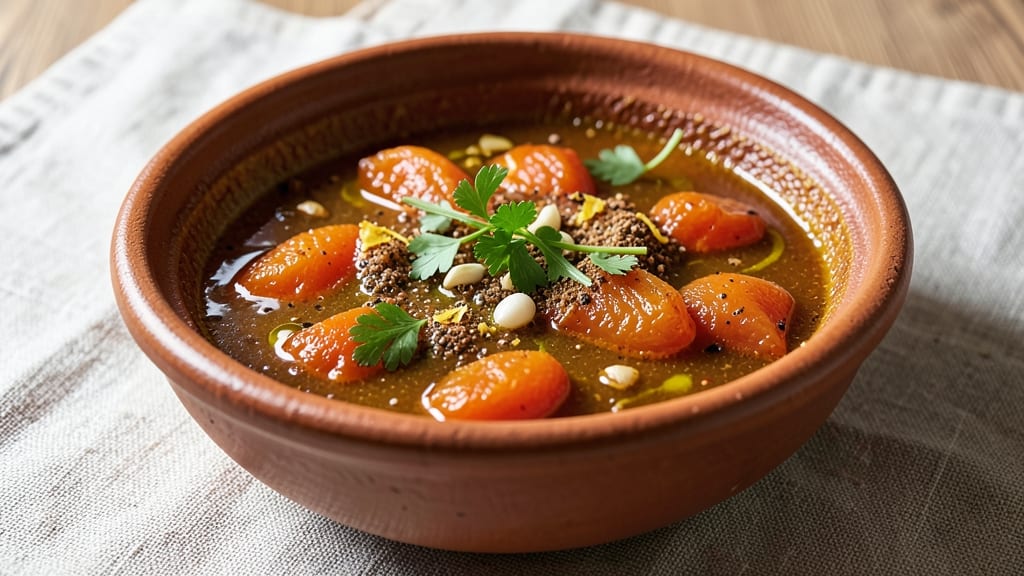
This apricot and coriander tagine sauce transforms ordinary dishes into a taste of Morocco with its perfect balance of sweet, spiced, and herby flavors. The secret lies in simmering dried apricots with warm spices until they release their natural sweetness, then blending with fresh coriander and aromatic broth for a sauce that's rich yet light. I developed this recipe after years of experimenting with Moroccan cooking, and it consistently elevates everything from grilled lamb to roasted vegetables.
The beauty of this sauce is its versatility—use it as a marinade for tenderizing meat, a glaze for adding depth to grilled dishes, or a finishing sauce to drizzle over couscous and salads.
The spices (cumin, cinnamon, and ginger) create layers of warmth that complement the fruit's natural sweetness, while the coriander adds a bright, citrusy freshness. With just 30 minutes of active time and minimal ingredients, you'll have a sauce that tastes like it came from a bustling Moroccan market.
What makes this sauce truly special is how it transforms simple ingredients into something extraordinary. The dried apricots soften and caramelize during simmering, infusing the broth with their sweet, jammy essence, while the coriander and spices work together to create a harmonious blend of flavors.
The result is a sauce that's equally at home on a weeknight dinner table or a special occasion spread.
Once you've mastered this recipe, you'll find endless ways to use it—marinate chicken for a restaurant-worthy tagine, drizzle over grilled vegetables for extra flavor, or serve alongside lamb shanks for a complete Moroccan meal.
The sauce keeps well in the refrigerator for up to a week, making it perfect for meal prep and batch cooking. Let's get started!
Ingredients for apricot and coriander tagine sauce
Sweet-spiced apricots and bright coriander create this versatile Moroccan sauce in just 30 minutes.
| Ingredient | Amount | Notes |
|---|---|---|
| Dried Apricots 🍑 | ½ cup | Chopped into small pieces |
| Chicken or Vegetable Broth 💧 | 2 cups | Low-sodium preferred |
| Fresh Coriander 🌿 | ½ cup | Stems removed, loosely packed |
| Ground Cumin 🌶️ | 1 tsp | Toasted for deeper flavor |
| Ground Cinnamon 🌿 | ½ tsp | Freshly ground preferred |
| Ground Ginger 🌶️ | ½ tsp | Freshly ground preferred |
| Extra-Virgin Olive Oil 🫒 | 2 tbsp | High-quality, fruity |
| Garlic Cloves 🧄 | 3 cloves | Peeled and minced |
| Lemon Juice 🍋 | 1 tbsp | Freshly squeezed |
| Honey 🍯 | 1 tbsp | For balancing sweetness |
| Salt 🧂 | ½ tsp | Kosher or sea salt |
The dried apricots are the heart of this sauce—look for plump, moist ones at specialty stores like Whole Foods or Middle Eastern markets. They should feel heavy for their size, not shriveled. Penzeys Spices is a great source for high-quality cumin and cinnamon, but the regular grocery store spices work fine if they're fresh. Fresh coriander is non-negotiable here; the dried version lacks the bright citrusy punch. If you're short on time, substitute with parsley at half the amount, though it won't be quite the same. The broth is where the sauce builds its depth—homemade chicken broth elevates it, but quality low-sodium store-bought works too.
No fresh coriander? Cilantro works in a pinch, though it has a slightly different flavor profile. Running low on honey? Maple syrup or agave adds a similar sweetness, though honey's floral notes are ideal. The spices can be adjusted to taste—add more cinnamon for warmth or extra ginger for zing. For a richer sauce, toast the cumin and cinnamon in a dry pan for 30 seconds before adding to the broth. The olive oil matters here—use a fruity, peppery variety like California extra-virgin; it adds complexity that cheap oil can't match. If you're making this ahead, store the dried apricots and spices separately until ready to use.
This sauce keeps beautifully—up to 1 week in the fridge, though the flavor deepens after a day or two. For longer storage, freeze in ice cube trays for up to 3 months, then thaw as needed. The sauce thickens as it sits, so add a splash of broth or water when reheating. I always double the recipe—one batch for immediate use, one for freezing. It reheats perfectly, making it ideal for meal prep. The sauce also freezes well in small portions for quick use in future dishes.
Why You'll Love This Recipe
- No-Soaking Needed: I keep a jar of dried apricots in my pantry—just toss them in warm broth, not boiling, and they soften in minutes. No fancy prep, no waiting around.
- Sweet-Savory Magic: That first spoonful? Warm cinnamon and cumin with jammy apricots and bright coriander—it’s the kind of balance that makes you pause mid-bite. Honestly, it’s the flavor combo I reach for when I’m craving something familiar but exciting.
- Leftovers That Shine: This sauce actually improves the next day—thicker, deeper, like it’s been simmering for hours. I freeze portions to toss into grains, roasted veggies, or even scrambled eggs for a cozy breakfast.
- Budget Pantry Hero: Cumin, cinnamon, and dried fruit? You’re looking at a sauce that costs pennies per serving. Between us, this is how I feed my family well without breaking the bank—especially when fresh herbs are pricey.
Step-by-step instructions for apricot and coriander tagine sauce
This aromatic Moroccan sauce comes together with simple techniques and bold flavors.
Toast the Spices and Sauté the Aromatics
Heat the 2 tablespoons extra-virgin olive oil in a medium saucepan over medium heat. Add the 3 minced garlic cloves and cook for 30 seconds until fragrant—you'll smell that unmistakable garlic aroma. Be careful not to let it brown, as burned garlic will make the sauce bitter.
Reduce heat to low and add the 1 teaspoon ground cumin, ½ teaspoon ground cinnamon, and ½ teaspoon ground ginger. Toast the spices for 30 seconds, stirring constantly, until the mixture smells warm and inviting. This step develops the spices' natural oils and creates the sauce's signature depth. Remove the pan from heat and set aside for now—we'll return to these toasted spices later.
Simmer the Broth and Apricots
Return the saucepan to medium heat and add the 2 cups chicken or vegetable broth. Bring to a gentle simmer, then stir in the ½ cup chopped dried apricots and ½ teaspoon salt. Let the mixture simmer uncovered for 10 minutes, stirring occasionally, until the apricots have softened and the broth has reduced by about ¼. You're looking for a slightly thickened consistency—this is the base of your sauce.
If the apricots aren't soft enough after 10 minutes, continue simmering for another 2-3 minutes. The sauce should coat the back of a spoon but still be pourable. This reduction step concentrates the flavors and creates the perfect balance of sweetness and acidity.
Finish with Coriander, Honey, and Lemon
Add the toasted spices back to the saucepan and stir well to combine. Reduce heat to low and add the ½ cup fresh coriander, 1 tablespoon honey, and 1 tablespoon lemon juice. Simmer gently for 3-4 minutes, stirring occasionally, until the coriander wilts slightly and the flavors meld together. The sauce should now have a vibrant green hue from the coriander and a glossy sheen from the honey.
Taste and adjust seasoning if needed—you may need a pinch more salt or a splash of lemon juice to balance the sweetness. The sauce should be harmonious, with bright citrus notes, warm spices, and a touch of fruit sweetness. Remove from heat and let it sit for 2 minutes to thicken slightly before serving.
Serve Warm Over Your Choice of Protein
This versatile sauce pairs beautifully with grilled chicken, lamb, or even roasted vegetables. For best results, serve it immediately over your protein of choice, allowing the sauce to coat everything evenly. The warm spices and bright coriander will complement the richness of grilled meats or the earthiness of roasted vegetables perfectly.
If you're serving this sauce over a dish that requires reheating, such as couscous or rice, gently warm the sauce on low heat for 1-2 minutes to maintain its texture and flavor. Avoid boiling, as this can make the sauce too thin and lose its delicate balance of flavors. The sauce should be warm but not bubbling vigorously.
Pro Tips For Making Apricot And Coriander Tagine Sauce
- Soak Apricots Overnight: I learned this the hard way—dried apricots straight from the jar won’t soften properly. Toss them in warm broth or water for at least 6 hours (overnight if you can). They’ll plump up perfectly and release their sweetness into the sauce instead of sitting like chewy rocks.
- Toast Spices Low and Slow: Ground cumin and cinnamon burn faster than you’d think. Heat them in the pot for just 20-30 seconds over medium-low—until you smell them, not until they darken. Over-toasting turns this sauce bitter, and nobody wants that.
- Strain the Coriander Right: Fresh coriander leaves add brightness, but their stems? Tough and bitter. Muddle the stems with a pinch of salt first, then strain through a fine sieve before adding the leaves. This keeps the sauce silky without texture surprises.
- Simmer Long Enough: This isn’t a quick sauce. After adding broth, let it bubble gently for at least 20 minutes—30 if you’re using dried apricots. The flavors meld slowly, and rushing it leaves you with a one-note dish instead of that deep, caramelized sweetness.
Wine and beer pairings for this apricot and coriander tagine sauce
Moroccan Red Wine
The bold, fruity flavors of this sauce pair beautifully with a glass of Moroccan red wine, particularly Mahia or Tassili from Algeria. These wines have rich berry notes and a touch of spice that complement the apricot's sweetness and the coriander's brightness.
I always reach for a 2018 Mahia from the Doukkala Valley—its dark fruit flavors and subtle earthiness make it a perfect match. Serve slightly chilled to let the wine's acidity cut through the sauce's richness. 🍷
Dry Rosé
For a lighter option, try a crisp dry rosé like Whispering Angel or Miraval. The citrus and floral notes in these wines enhance the coriander's freshness while balancing the sauce's sweet-spiced depth.
A Provence rosé from France is my go-to because its bright acidity cleanses the palate between bites. Serve it well-chilled at 45-50°F to highlight its refreshing qualities. 🍇
Spiced Beer Pairing
If you prefer beer, opt for a spiced wheat beer or Moroccan-inspired lager. I love pairing this sauce with Alhambra Reserva 1925, a Spanish lager with subtle citrus and spice notes that mirror the coriander and cinnamon in the sauce.
For a craft option, try a Belgian witbier like Hoegaarden, which adds a peppery contrast. Serve the beer ice-cold to balance the sauce's warmth. 🍺
Non-Alcoholic Options
For a non-alcoholic pairing, sparkling pomegranate juice or ginger beer works wonderfully. The tartness of pomegranate juice echoes the lemon in the sauce, while ginger beer's spice complements the cumin and cinnamon.
I also enjoy serving it with sparkling water infused with cucumber and mint—the cool, crisp flavors refresh the palate after each bite. 💧
Dessert Wine Finish
End your meal with a sweet dessert wine like Muscat de Frontignan or Moscato d'Asti to echo the apricot's sweetness. These wines have floral and honeyed notes that harmonize beautifully with the sauce's flavors.
A small glass of Muscat served at room temperature adds a luxurious finish to your Moroccan-inspired feast. 🍯
Nutrition facts
Frequently asked questions
Can I use fresh apricots instead of dried?
Fresh apricots won't work the same way—they lack the concentrated sweetness and jammy texture that dried apricots develop when simmered. The dried fruit breaks down beautifully, creating the sauce's signature depth. For a similar effect, you could use apricot jam (about 2 tablespoons) combined with an extra 1 tablespoon of honey to balance the sweetness.
How can I adjust this sauce for vegetarians?
This sauce is already vegetarian-friendly! Simply use vegetable broth instead of chicken broth. For extra depth, add 1 teaspoon soy sauce or 1 tablespoon tomato paste when simmering the broth to enhance the umami flavor. It pairs wonderfully with grilled portobello mushrooms, roasted eggplant, or chickpea stews.
What if my sauce turns out too sweet?
Balance the sweetness by adding 1-2 tablespoons lemon juice or a pinch of salt. For a more complex flavor, stir in ½ teaspoon smoked paprika or a splash of red wine vinegar. The key is to add these gradually—taste as you go! The sauce should have a harmonious blend of sweet, tangy, and spiced notes.
Can I make this sauce ahead of time?
This sauce actually tastes better the next day as the flavors meld. Store it in an airtight container in the fridge for up to 1 week. Reheat gently on low heat with a splash of broth or water to restore its consistency. For longer storage, freeze in ice cube trays for up to 3 months.
What's the best way to use this sauce?
This versatile sauce works as a marinade (coat protein for 2-4 hours before cooking), glaze (brush on grilled meats during the last 5 minutes of cooking), or finishing sauce (drizzle over couscous or salads). It also makes an excellent dip for pita bread or a flavorful addition to stuffed peppers.