
Sauces & Condiments
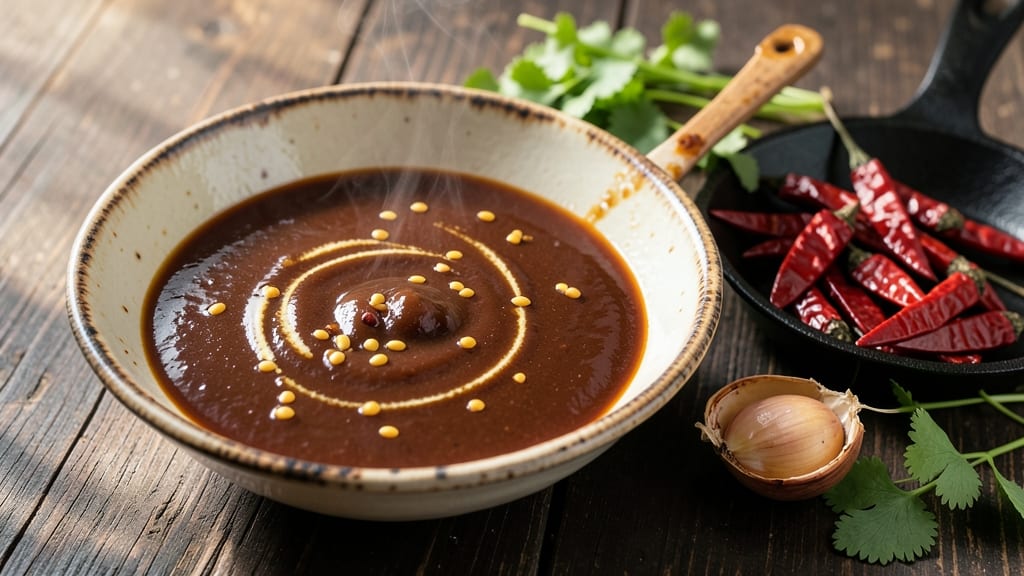
This Philippine barbecue sauce recipe delivers the perfect balance of smoky, tangy, and slightly sweet heat that makes every bite unforgettable. I developed it after years of experimenting with lechon and sisig—where the sauce isn’t just a condiment, but the star.
The secret lies in the vinegar base, which cuts through the richness while annatto and chili add that signature Filipino depth.
The sauce comes together in just 30 minutes with pantry staples like brown sugar, soy sauce, and vinegar, plus a touch of annatto for that signature red hue. Unlike store-bought versions, this recipe builds flavor through slow simmering, creating a smooth, storable sauce that clings beautifully to grilled meats.
It’s the kind of condiment that transforms simple proteins into restaurant-quality dishes.
What makes this sauce truly special is its versatility—drizzle it over grilled pork, chicken, or even vegetables for an instant flavor boost. The balance of sweetness from brown sugar, tang from vinegar, and heat from chili creates a complex profile that’s addictive in just one taste.
Best of all, it keeps well in the fridge for up to two weeks, so you can make a big batch and enjoy it all week long.
For an extra layer of authenticity, finish with a squeeze of calamansi or a sprinkle of garlic. This isn’t just a sauce—it’s a flavor experience that brings the heart of Filipino cooking to your table. Let’s get started!
Ingredients for barbecue sauce recipe philippines
Pantry staples plus a few specialty touches for that signature Filipino kick.
| Ingredient | Amount | Notes |
|---|---|---|
| White Vinegar 🍶 | 1 cup | Distilled or cane vinegar preferred |
| Brown Sugar 🍚 | ½ cup | Packed firmly for accuracy |
| Soy Sauce 🥢 | ¼ cup | Light or dark variety |
| Annatto Seeds 🌶️ | 1 tbsp | Ground into powder first |
| Dried Chili Peppers 🌶️ | 2 whole | Siling labuyo or similar |
| Garlic Cloves 🧄 | 4 cloves | Minced for deeper flavor |
| Black Peppercorns 🌶️ | ½ tsp | Crushed lightly |
| Ground Black Pepper 🌶️ | ½ tsp | Freshly ground preferred |
| Salt 🧂 | 1 tsp | Kosher or sea salt |
| Water 💧 | ½ cup | For thinning consistency |
Annatto seeds are the secret weapon here—Filipino markets or Asian grocery stores usually carry them, but if you can't find them, achote seeds work too. Look for bright red, whole seeds, not powdered. The chili peppers? Siling labuyo is ideal (that small, fiery red one), but any dried chili will add heat. I always toast the peppercorns in a dry pan for 30 seconds before grinding—they smell amazing and add depth. The brown sugar should be packed firmly in the cup; don't scoop it loosely. For soy sauce, Lee Kum Kee or Silver Swan give that authentic umami punch.
No annatto? Paprika at half the amount will give you color, though it won't be the same deep red. Short on vinegar? Cane vinegar or even apple cider vinegar works in a pinch. Want less heat? Remove the seeds from the chili peppers before toasting. For a smokier profile, add 1/4 tsp smoked paprika. The sauce should be thick enough to coat the back of a spoon but still drizzle easily—adjust with water if needed. If you're feeling fancy, add a 1 tsp of fish sauce for extra umami, though it's optional.
This sauce gets better with time—24 hours in the fridge lets the flavors meld perfectly. Store in a clean glass jar with a tight lid. Keeps for 2 weeks refrigerated or 6 months frozen. I like to make a double batch because it disappears fast. Freeze extras in ice cube trays for easy single-use portions. The color will deepen as it sits, and the flavors become more complex. Trust me, the second day is even better than the first.
Why You'll Love This Recipe
- Pantry Magic: I swear by this sauce because it uses stuff I already have—no special shopping needed. Just vinegar, sugar, and a handful of spices that turn into something ridiculously good with zero fuss.
- Smoky-Sweet Fix: That balance of tangy vinegar, deep brown sugar caramelization, and dried chili heat? It’s the kind of flavor that makes grilled chicken or even rice taste like a restaurant dish. The annatto seeds give it that golden hue too—no food coloring needed.
- Weeknight Wonder: Slather it on leftover rice for lunch, toss it with stir-fried veggies, or use it as a marinade. Honestly, I’ve even drizzled it over scrambled eggs when I’m in a rush, and it still works. Versatile enough for lazy nights or Sunday feasts.
- Budget Booster: A single batch stretches for days—drizzle it on everything from adobo to fried fish. Between us, this sauce saves me money because I’m not buying fancy bottles anymore. Plus, the ingredients cost pennies compared to store-bought versions.
Step-by-step instructions for Philippine barbecue sauce
Here's how to make this bold, smoky sauce that brings authentic Filipino flavor to your grill.
Toast and Grind the Annatto Seeds
First, dry-toast the 1 tablespoon annatto seeds in a small skillet over medium heat for 2-3 minutes until they darken slightly and release their nutty aroma. This enhances their flavor and deepens the sauce's signature reddish hue.
Transfer the toasted seeds to a mortar and pestle (or small spice grinder) and grind them into a fine powder. You want a consistency similar to cinnamon or paprika. Set this aside—it's the secret behind that beautiful color and earthy depth in every spoonful.
Bloom the Spices in Vinegar
In a medium saucepan, combine the 1 cup white vinegar, 0.5 cup packed brown sugar, and the freshly ground annatto powder. Bring this mixture to a gentle simmer over medium heat, stirring constantly for 5 minutes until the sugar dissolves completely.
Add the 2 whole dried chili peppers (whole, not chopped) and 0.5 teaspoon crushed black peppercorns to the simmering vinegar mixture. Let it cook for another 3-4 minutes—you'll notice the vinegar takes on a subtle golden tint from the spices, and the aroma becomes rich and complex. This is where the sauce's signature heat begins to develop.
Incorporate Garlic and Soy Sauce
Reduce the heat to low and add the 4 minced garlic cloves and 0.25 cup soy sauce to the pan. Stir gently for 2 minutes until the garlic becomes fragrant but doesn't brown. The soy sauce will help balance the acidity of the vinegar while adding umami depth.
Here's the thing—don't let the garlic burn. It should smell sweet and pungent, not bitter. If you see it starting to darken too quickly, remove the pan from heat for 30 seconds to let it cool slightly before continuing. The garlic is the foundation of this sauce's flavor profile.
Thicken and Season
Increase the heat back to medium and add the 1 teaspoon salt and 0.5 teaspoon ground black pepper. Stir well to combine, then pour in the 0.5 cup water. Bring the mixture to a full simmer, then reduce heat to low and let it cook uncovered for 15-20 minutes, stirring occasionally.
You're looking for a sauce that coats the back of a spoon but isn't syrupy. It should thicken gradually, with a glossy sheen that indicates the water has evaporated and the flavors have melded. The chili peppers will soften and infuse their heat into the sauce, so don't worry about them staying whole.
Strain and Rest
Once the sauce reaches your desired consistency, remove it from heat and let it cool for 5 minutes. Then, strain it through a fine-mesh sieve into a clean bowl, pressing gently on the solids to extract all the flavor. This step ensures a smooth texture without any lingering chili seeds or peppercorns.
The sauce will continue to thicken as it cools, so don't strain it completely dry—leave about 1 tablespoon of liquid behind to maintain the perfect balance. Let it rest at room temperature for 1 hour before using. This resting period allows all the flavors to fully develop and mellow slightly, creating a well-rounded sauce that's perfect for grilling or marinating.
Pro Tips For Making Barbecue Sauce Recipe Philippines
- TOAST YOUR ANNATTO: Skip the raw seeds—lightly toast them in a dry pan for 30 seconds until fragrant. This unlocks their color and flavor, giving your sauce that deep, rich hue without bitterness. (Yes, it smells like a spice shop explosion, but that’s a good sign.)
- SIMMER LOW AND SLOW: After the initial boil, drop the heat to a bare simmer. I used to rush it, and the sauce turned cloying or separated. Let it bubble gently for at least 20 minutes—this lets the vinegar mellow and the sugar caramelize properly.
- STRAIN THE CHILIS: Unless you love texture, remove the dried chili stems before adding them. I learned this after a batch tasted harsh—those little stems pack all the heat and none of the flavor. A quick rinse and pat dry works wonders.
- USE DARK SOY SAUCE: Swap regular soy for dark soy sauce—it’s sweeter, richer, and adds that signature Filipino umami depth. If you’re out, a splash of molasses or extra brown sugar can help, but it won’t be the same. (Trust me, I tried.)
Perfect pairings for this barbecue sauce recipe philippines
Grilled Meat Pairings
This sauce was born for grilled pork, especially lechon kawali or adobo-style pork ribs. The vinegar and chili cut through the fat beautifully while the annatto adds that signature Filipino red hue.
I like to brush it on during the last 5 minutes of grilling so the sauce caramelizes slightly. For chicken, try it with grilled chicken thighs or sisig-style chicken—the heat stands up to the richness of fried chicken. 🔥
Vegetable Drizzles
Don’t limit this sauce to meat! It’s fantastic on grilled vegetables like eggplant, bell peppers, or okra. Brush it on after grilling and finish with a sprinkle of toasted sesame seeds for texture.
For a vegetarian twist, toss it with grilled tofu or tempeh—the umami from the soy sauce makes it irresistible. Even a simple grilled corn on the cob gets a flavor upgrade with this sauce.
Breakfast Pairings
This sauce isn’t just for dinner—it’s a breakfast game-changer. Drizzle it over garlic fried rice or tapsilog (garlic rice with fried egg and tocino) for a tangy kick. I also love it on grilled cheese sandwiches with a side of sisig-style chicken—the heat and sweetness balance perfectly.
For a quick snack, spread it on toasted bread with a sprinkle of crumbled feta and fresh cilantro.
Dipping Sauce Magic
Use this sauce as a dip for spring rolls, lumpia, or even crispy fries. Thin it slightly with a splash of water if needed for easier dipping. It’s also perfect with grilled shrimp skewers or calamari rings—the acidity cuts through the richness.
For extra fun, serve it in small bowls with toothpicks for easy dipping at parties. 🍴
Marinade Potential
Double the recipe and use half as a marinade for grilled chicken or pork. Let the protein marinate for at least 2 hours (or overnight for deeper flavor). The vinegar tenderizes while the spices infuse the meat.
I’ve even used it to baste grilled fish like milkfish or tuna—the result is tender, flavorful, and restaurant-quality. Just don’t over-marinate delicate fish, or it’ll get too acidic.
Dessert Twist
Yes, you read that right! This sauce can even shine in desserts. Drizzle it lightly over grilled pineapple or mango slices for a sweet-savory contrast. Pair it with vanilla ice cream for a bold, tangy topping.
Or mix 1 tablespoon into whipped cream for a spicy-sweet dip for churros or fruit. The key is balance—start with a small amount and adjust to taste. 🍍
Nutrition facts
Frequently asked questions
Can I make this sauce without annatto?
If you can't find annatto seeds, use 1 tablespoon paprika for color, though it won't be the same deep red. For extra depth, add 1/2 teaspoon turmeric—it gives a golden hue and earthy flavor. The sauce will still taste amazing, just with a slightly different appearance.
How spicy will this sauce be?
The heat depends on the chili peppers. Using 2 whole siling labuyo peppers gives moderate heat, but you can adjust by removing seeds or using milder peppers. For extra kick, add 1/2 teaspoon cayenne pepper when straining. Taste as you go—Filipino BBQ sauce should balance sweet, tangy, and spicy flavors.
Can I substitute cane vinegar for white vinegar?
Yes! Cane vinegar adds a slightly sweeter, fruitier note that works beautifully. For a richer flavor, use a mix of 1/2 cup white vinegar + 1/2 cup cane vinegar. Apple cider vinegar also works but may make the sauce slightly cloudy. The key is using 1 cup total of vinegar for the right balance.
Why does my sauce look thin after straining?
The sauce will thicken as it cools—don't strain it completely dry! Leave about 1 tablespoon of liquid behind for the perfect consistency. If it's still too thin, simmer uncovered for 5-10 more minutes to reduce. For a smoother texture, blend the strained sauce briefly (no need for perfection—just a quick pulse). Patience is key!
What's the best way to store leftover sauce?
Store in a clean glass jar with a tight lid in the fridge for up to 2 weeks. For longer storage, freeze in ice cube trays—thaw and use as needed. The flavor actually improves after 24 hours of resting! If the sauce separates, just give it a quick stir before using. Pro tip: Label with the date to track freshness.