
Sauces & Condiments
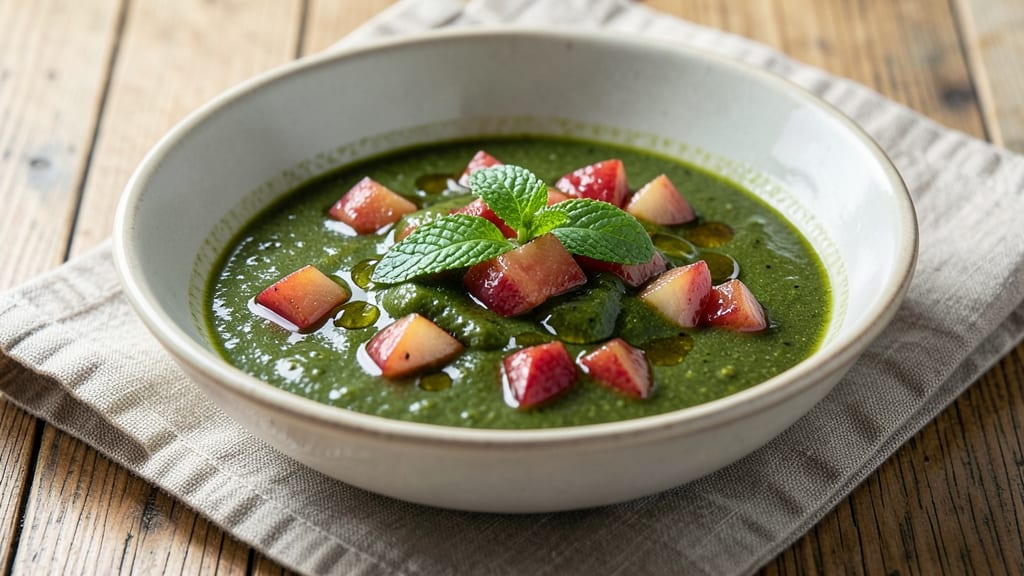
This apple mint sauce recipe transforms simple pantry staples into a vibrant, versatile condiment that elevates everything from roasted lamb to fresh salads. The secret lies in balancing tart apples with bright mint and a touch of sweetness, creating a sauce that’s both refreshing and complex.
I developed this recipe after years of experimenting with herbal sauces—it’s the one that finally delivers that perfect harmony of flavors.
The process is straightforward: simmer apples with vinegar and sugar until tender, then blend with fresh mint and a thickening agent like honey or cornstarch.
What you’ll end up with is a glossy, herbaceous drizzle that adds a burst of freshness to savory dishes or a bright contrast to sweet applications. The sauce keeps well in the fridge for up to a week, making it a go-to for meal prep.
This sauce works beautifully as a lamb accompaniment, drizzled over roasted vegetables, or even as a tangy dip for fruit. The combination of apple’s natural sweetness and mint’s sharp aroma creates a profile that’s both sophisticated and approachable.
Whether you’re hosting a dinner party or simply looking to elevate a weeknight meal, this sauce delivers restaurant-quality results with minimal effort.
For best results, use ripe but firm apples and fresh mint—both are essential for achieving that signature bright flavor. The sauce can be adjusted to suit your taste: add more sugar for sweet applications or a splash of lemon juice for extra tang.
Let’s get started on this versatile, crowd-pleasing condiment!
Ingredients for apple mint sauce
Eight simple ingredients create this vibrant, restaurant-quality sauce that transforms lamb and salads instantly.
| Ingredient | Amount | Notes |
|---|---|---|
| Granny Smith Apples 🍎 | 2 medium | Peeled, cored, chopped |
| White Wine Vinegar 💧 | ½ cup | For tangy brightness |
| Granulated Sugar 🍚 | ¼ cup | Adjust to taste |
| Fresh Mint Leaves 🌿 | 1 cup | Packed, stems removed |
| Cornstarch 🌾 | 1 tbsp | For thickening (or arrowroot) |
| Extra-Virgin Olive Oil 🫒 | ¼ cup | High-quality for richness |
| Lemon Juice 🍋 | 1 tbsp | Freshly squeezed |
| Salt 🧂 | ½ tsp | Diamond Crystal preferred |
| Honey 🍯 | 1 tbsp | Optional for sweetness |
The apples are the foundation—Granny Smiths for tartness, but Honeycrisp works too if you prefer sweetness. Whole Foods or Trader Joe's usually have perfect ones year-round. Chop them into even pieces so they cook uniformly. The vinegar does double duty here: tenderizing the apples and adding that signature tang. Bragg or Annie's organic vinegars have the cleanest flavor, but any white wine vinegar will work. Skip the red—it'll muddy the bright green color of your sauce.
No fresh mint? Dried mint at half the amount is better than skipping it, but honestly, the flavor won't be the same. The cornstarch is key for that glossy finish—arrowroot powder works identically if you're out. Honey is optional but recommended; if you're using it for sweet applications (like drizzling over fruit), add the full tablespoon. For savory dishes, cut it to half. The olive oil should be fruity and peppery—California extra-virgin brands like Corto or Filippo Berio elevate the sauce. And yes, you can substitute apple cider vinegar if that's what you've got, but the wine vinegar gives it that extra sophistication.
This sauce keeps beautifully for 7 days in the fridge, sealed in a jar. The color will darken slightly over time, but the flavor stays bright. For longer storage, freeze in ice cube trays—perfect for single-use portions. I always make a double batch because it disappears fast. The sauce thickens as it cools, so if it's too thick after chilling, just whisk in a splash of water or vinegar. And if you're using it on lamb, let the meat rest for 10 minutes first—the sauce will cling better to the warm meat.
Why You'll Love This Recipe
- Fewer Ingredients, Big Payoff: I swear by this recipe because it’s that simple—just apples, vinegar, sugar, mint, and cornstarch. No fancy gadgets, no last-minute store runs. The Granny Smiths handle the tang, the vinegar brightens it up, and the mint? It’s the star without overpowering.
- Bright, Refreshing Bite: That first spoonful of tart Granny Smith mixed with fresh mint and a hint of sweetness? It’s like a palate reset. The white wine vinegar keeps it lively, and the cornstarch thickens it just enough to coat—no gluey mess. Honestly, it’s the kind of sauce that makes you reach for more.
- Game for Any Meal: Slather it on grilled chicken, drizzle it over roasted pork, or toss it with greens for a salad. It’s my go-to for summer BBQs, weeknight dinners, or even as a dip for fruit. Between us, my kids ask for it more than ketchup now.
- Makes Leftovers Worth It: This sauce actually improves the next day—flavors meld better, and the texture stays perfect. Store it in the fridge for up to a week, and it’s ready to jazz up whatever you’re serving. Not the prettiest in a jar, but every bite is worth it.
Step-by-step instructions for apple mint sauce
Here's how to make this vibrant sauce that balances sweet, tart, and herbal notes perfectly.
Cook the Apples Until Tender
In a medium saucepan, combine the peeled, cored, and chopped 2 medium Granny Smith Apples, 0.5 cup White Wine Vinegar, 0.25 cup Granulated Sugar, and 0.5 tsp Salt. Bring to a simmer over medium heat, then reduce to low heat and cook for 10-12 minutes until the apples are fork-tender and the mixture thickens slightly. You'll notice the sauce starts to bubble gently and the apples break down into a chunky purée.
Here's the thing—don't rush this step. The apples need to soften completely so they blend smoothly with the mint later. If the sauce reduces too quickly, add 1-2 tablespoons of water to maintain the right consistency. Stir occasionally to prevent sticking, and watch for that beautiful golden hue that signals the sugar is caramelizing just enough to deepen the flavor.
Blend the Mixture Smoothly
Once the apples are tender, remove the pan from heat and let it cool for 5 minutes. Transfer the contents to a blender along with the 1 cup Fresh Mint Leaves (packed, stems removed) and 1 tbsp Lemon Juice. Blend until completely smooth, scraping down the sides as needed. The sauce should be vibrant green with a silky texture—this is where the magic happens.
I always blend until there are no visible mint stems or apple chunks. This ensures every spoonful delivers that refreshing herbal punch. If the mixture seems too thick, add 1 tablespoon of water at a time until it reaches a pourable consistency. The goal is a sauce that clings beautifully to lamb chops or drizzles elegantly over salads.
Thicken the Sauce Properly
Return the blended mixture to the saucepan and stir in the 1 tbsp Cornstarch mixed with 1 tablespoon of cold water to create a slurry. Bring to a gentle simmer over medium-low heat, stirring constantly for 3-5 minutes until the sauce thickens to a glossy, coatable consistency. It should coat the back of a spoon but still flow smoothly—this is the perfect texture for drizzling.
This is the moment that matters: the cornstarch transforms the sauce from a thin purée into something luxurious. If it thickens too quickly, add 1 tablespoon of water to loosen it. The sauce should be vibrant green with a glossy sheen, ready to complement rich dishes like roasted lamb or brighten up summer salads.
Finish with Olive Oil and Honey
Remove the sauce from heat and stir in the 0.25 cup Extra-Virgin Olive Oil and 1 tbsp Honey. The oil adds richness while the honey rounds out the tartness, creating that perfect balance of flavors. Taste and adjust the seasoning—you might want to add a pinch more salt or a splash of lemon juice if needed. The sauce should taste bright, slightly sweet, and herbaceous with a tangy finish.
Let the sauce cool to room temperature before serving. This resting period allows the flavors to meld completely. The final product should be a vibrant green sauce with a glossy sheen, ready to elevate any dish. Store any leftovers in an airtight container in the refrigerator for up to 5 days, or freeze for 3 months—though it's so good, it won't last that long!
Pro Tips For Making Apple Mint Sauce
- Simmer, Don’t Boil: Granny Smiths release their tart punch when gently simmered—not when they’re dancing in a rolling boil. Keep the heat at a low-to-medium bubble; if it’s too aggressive, the apples turn to mush faster than you can say "overcooked." A steady simmer (think tiny bubbles breaking the surface) keeps the texture bright and chunky.
- Strain, Then Stack: After cooking, strain the sauce through a fine-mesh sieve—but don’t stop there. Press the apple pulp against the sieve with a spoon to extract every last drop of flavor. I learned this the hard way: skipping this step leaves you with a watery sauce that’s more sad than refreshing.
- Toast the Mint: Before adding fresh mint leaves, give them a quick 10-second toast in a dry pan over medium heat. The edges crisp up just enough to release their oils without turning bitter, and the aroma becomes next-level. (Yes, even if you’re impatient like me—just watch them like a hawk.)
- Slurry First, Then Sugar: Mix the cornstarch with cold water (or apple juice) into a smooth slurry before adding it to the hot sauce. Dumping dry cornstarch into a simmering pot clumps like glue, and you’ll end up with a lumpy mess. A 1:1 ratio (cornstarch to liquid) works perfectly—no guesswork, no disasters.
Essential equipment for apple mint sauce
Blender Essentials
You’ll need a high-speed blender to achieve that perfectly smooth, vibrant texture—think Vitamix or Ninja for best results. These machines handle tough ingredients like apple skins and mint stems effortlessly. I’ve found that a 400-watt blender is the minimum for consistent smoothness.
If you’re using a basic blender, strain the mixture afterward through a fine-mesh sieve for a flawless finish. 💫
Saucepan Selection
A heavy-bottomed saucepan (like All-Clad or Le Creuset) prevents scorching and ensures even heating when simmering the apples. The saucepan should be medium-sized (2-3 quart capacity) to give the mixture enough room to bubble without overflowing.
Stainless steel is ideal for its durability, but enamel works too—just avoid nonstick, as it can react with the vinegar.
Measuring Tools
Precision matters with this sauce! Use a digital kitchen scale for the sugar (weighing 60g for accuracy) and a liquid measuring cup for the vinegar and olive oil. A fine-mesh strainer is also handy if you’re using a less powerful blender.
For the mint, a small kitchen scale helps measure 15g of packed leaves—this ensures consistent flavor every time. 📏
Optional Gadgets
An immersion blender can replace your countertop model if you prefer not to transfer hot liquids. For thickening, a whisk helps create a smooth cornstarch slurry without lumps.
I also recommend a fine-mesh sieve for straining if you’re using tougher apples. A small ladle makes drizzling the sauce over dishes effortless and precise.
Storage Containers
Transfer the finished sauce to glass jars with airtight lids (like Ball or Mason jars) for fridge storage. For freezing, use silicone ice cube trays—they’re perfect for portion control and easy thawing.
Label your containers with the date to track freshness. The sauce’s vibrant color fades slightly over time, but the flavor stays bright for up to 7 days refrigerated or 3 months frozen. ❄️
Nutrition facts
Frequently asked questions
Can I make this sauce without a blender?
If you don't have a blender, finely chop the cooked apples by hand and muddle the mint leaves with a fork or mortar and pestle. For a smoother texture, strain the mixture through a fine-mesh sieve after combining all ingredients. The sauce will still taste delicious, though it may have a slightly chunkier texture.
How can I adjust the sweetness or tartness?
Start with the given amounts, then taste as you go. For more sweetness, add ½ teaspoon of honey at a time. Need extra tang? Add ½ teaspoon of lemon juice or an extra ¼ cup of vinegar. Remember, the sauce will mellow slightly after chilling, so adjust before storing.
What are the best dishes to serve with this sauce?
This versatile sauce pairs beautifully with grilled lamb chops, roasted vegetables, or seared chicken breast. For a sweet application, drizzle over fresh fruit platters or vanilla ice cream. It also works as a tangy dip for warm pita bread or crudité. The bright flavors complement both rich and light dishes equally well.
Why did my sauce turn brown instead of green?
This happens when the apples oxidize during cooking or blending. To prevent it, add 1 teaspoon of lemon juice to the cooked apples before blending, or cover the mixture tightly while cooking. If it's already brown, don't worry—the flavor stays great! For a prettier presentation, blend in a splash of extra olive oil at the end to restore some green color.
Can I substitute other fruits for the apples?
Yes! Try peaches for a sweeter version or plums for extra depth. For tartness, rhubarb works well (reduce sugar to ¼ cup). Just adjust cooking times—softer fruits like peaches only need 5-7 minutes of simmering. The key is balancing sweetness with the mint's brightness.