
Sauces & Condiments
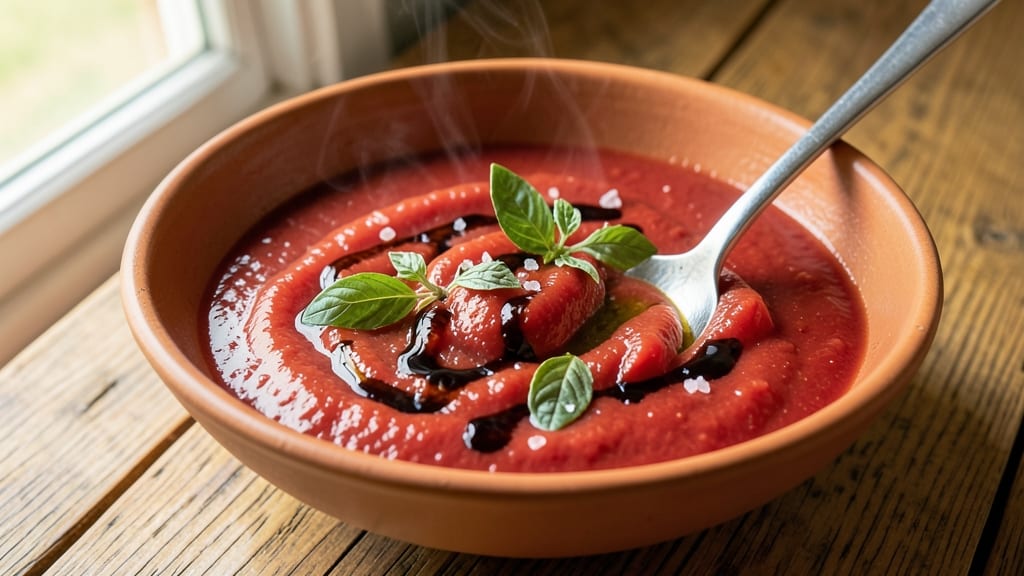
This Amish paste tomato sauce delivers the deep, concentrated flavor of homemade tomato paste without the canning process.
The secret lies in slow-cooking fresh tomatoes until they break down into a thick, rich sauce with layers of sweetness and acidity—just like the sauces that have been a pantry staple in Amish kitchens for generations.
What sets this recipe apart is the balance of vinegar and herbs, which preserves the sauce while enhancing its complexity.
The process is straightforward but requires patience: tomatoes simmer for hours until they reduce to a thick, spreadable consistency. This method not only intensifies the flavor but also creates a sauce that’s versatile enough for pasta, soups, or even as a base for braised meats.
The result is a shelf-stable sauce that tastes fresher than anything you’ll find in stores, with none of the aftertaste.
What makes this recipe truly special is its adaptability—use it as a substitute for store-bought tomato paste in recipes like lasagna or marinara, or spread it on bread with a sprinkle of cheese for a quick snack.
The slow cooking ensures every bite is packed with homestyle richness, while the vinegar and herbs keep it bright and vibrant. Perfect for meal prep or gifting, this sauce is a game-changer for anyone who loves bold, authentic flavors.
Whether you’re preserving a harvest or simply craving a deeper tomato flavor, this recipe is your answer. The instructions are clear, the ingredients are simple, and the results are undeniably satisfying. Let’s get started on making a sauce that tastes like home.
Ingredients for amish paste tomato sauce
Fresh tomatoes and simple pantry staples transform into a rich, shelf-stable sauce.
| Ingredient | Amount | Notes |
|---|---|---|
| Fresh Tomatoes 🍅 | 5 lb | Ripe, vine-ripened preferred |
| White Vinegar 🍯 | ½ cup | White or apple cider vinegar |
| Granulated Sugar 🍚 | ¼ cup | Light brown sugar for depth |
| Salt 🧂 | 1 ½ tsp | Diamond Crystal preferred |
| Fresh Basil Leaves 🌿 | ½ cup | Packed, stems removed |
| Fresh Oregano Leaves 🌿 | ¼ cup | Or dried oregano, 1 tbsp |
| Garlic Cloves 🧄 | 6 cloves | Peeled, roughly chopped |
| Extra-Virgin Olive Oil 🫒 | ¼ cup | High-quality, fruity |
The tomatoes are the heart of this sauce—vine-ripened delivers the best flavor, but any ripe tomatoes will work. Local farmers markets often have the freshest, most flavorful varieties, but grocery store tomatoes (like Roma or plum) are fine too. Look for ones that are firm but yield slightly to pressure. If you're using heirlooms, pick them at peak ripeness—they'll break down beautifully during the slow cook. The vinegar and sugar work together to preserve the sauce while balancing acidity and sweetness, so don't skip either. For garlic, toasted cloves add a deeper flavor, but raw works too.
No fresh basil? Dried basil at one-third the amount will get you close, though fresh is ideal. The oregano can be swapped for Italian seasoning if needed, but the earthy notes are essential. Short on vinegar? Lemon juice works in a pinch, though it won't preserve as long. For sugar, honey or maple syrup can substitute, but the texture might differ slightly. The olive oil adds richness—avoid strong-flavored oils like garlic-infused, as they can overpower the delicate tomato flavor. If you're making a large batch, consider doubling the herbs to ensure every jar has that vibrant taste.
This sauce keeps beautifully—1 year in sterilized jars in a cool, dark place. For best results, process the jars in a water bath canner. If you're not canning, it'll last 3 months refrigerated or 6 months frozen. I like to portion it into small jars for gifting or using in recipes. The sauce thickens as it cools, so don't be alarmed if it looks too thin while warm. Stir it in gently before sealing jars to avoid air bubbles, which can cause spoilage.
Why You'll Love This Recipe
- Five-Ingredient Magic: Honestly, I swear by this recipe because it’s the kind of thing you can make with what’s already in your pantry. No fancy prep—just chop tomatoes, toss in vinegar and sugar, and let the heat do the work. The basil finishes it off like a whisper of summer.
- Sweet-Tangy Balance: That vinegar-sugar combo? It’s the secret. The acid brightens the tomatoes while the sugar softens the edges, creating a sauce that’s rich but never cloying. Taste it after 20 minutes—you’ll want to lick the spoon.
- Pantry Staple Power: Between us, this is my go-to when I’m low on time or cash. Canned tomatoes work in a pinch, but fresh? Even better. And because it’s just five things, I can double the batch without stressing my budget.
- Leftover Goldmine: Here’s what sold me—this sauce begs to be made ahead. It thickens beautifully overnight, so I can toss it into pasta, dollop it on toast, or stir it into eggs the next morning. No waste, just flavor.
Step-by-step instructions for homemade Amish paste tomato sauce
This traditional method transforms fresh tomatoes into a rich, concentrated sauce perfect for pantry staples.
Prepare and Roast the Tomatoes
Preheat your oven to 425°F and line a baking sheet with parchment paper. Cut the 5 lb fresh tomatoes in half crosswise, removing any stems or bruised spots. Place them cut-side down on the prepared baking sheet, leaving ½ inch between each tomato.
Roast for 30-40 minutes until the skin blisters and darkens slightly. The tomatoes should be soft when pressed gently with your finger—this indicates they've released their juices and concentrated flavors. Roasting deepens the tomato flavor and creates that signature Amish sauce richness without needing canning equipment.
Blister the Garlic and Herbs
While the tomatoes roast, heat 0.25 cup extra-virgin olive oil in a large skillet over medium heat. Add the 6 cloves peeled garlic and cook for 2-3 minutes until they turn golden brown and fragrant. Be careful not to burn them—garlic should smell sweet and nutty, not bitter.
Remove the garlic and set aside. In the same skillet, add the 0.5 cup fresh basil leaves and 0.25 cup fresh oregano leaves (stems removed). Cook for 1 minute until the leaves just begin to wilt. This brief cooking preserves their vibrant flavors while removing any bitterness. Transfer both the garlic and herbs to a large mixing bowl.
Combine Roasted Tomatoes and Seasonings
Once the tomatoes are roasted, transfer them to the mixing bowl with the garlic and herbs. Add the 0.5 cup white vinegar, 0.25 cup granulated sugar, and 1.5 tsp salt to the bowl. Using a wooden spoon or potato masher, mash the tomatoes until you achieve a thick, chunky consistency—some seeds and skins are fine, but aim for smooth texture with visible tomato pieces.
The vinegar brightens the sauce while balancing the natural acidity of the tomatoes. The sugar enhances the fruitiness without making the sauce sweet, and the salt ensures proper seasoning throughout. Stir well to distribute all ingredients evenly.
Simmer and Reduce the Sauce
Transfer the tomato mixture to a large pot and bring to a boil over medium-high heat. Once boiling, reduce heat to medium-low and let it simmer uncovered for 45-60 minutes, stirring occasionally. You're looking for a thick, paste-like consistency where the sauce coats the back of a spoon.
During this time, the sauce will reduce significantly, intensifying its flavor. Skim off any foam that rises to the surface to prevent bitterness. The sauce is ready when it's thick enough to hold its shape when drizzled from a spoon. If it reduces too quickly, add 1-2 tablespoons of water to maintain the proper consistency.
Cool and Store for Long-Term Use
Remove the pot from heat and let the sauce cool to room temperature. This cooling process allows the flavors to meld completely. Once cooled, transfer the sauce to clean, sterilized jars. The sauce will continue thickening as it cools further, creating that perfect Amish paste consistency.
Store the jars in a cool, dark place for up to 6 months or refrigerate for 3 months. This concentrated sauce serves as the base for countless dishes—pasta, soups, or as a flavorful addition to braised meats. The rich, deep flavor comes from the slow reduction and proper seasoning, making it worth every step of the process.
Pro Tips For Making Amish Paste Tomato Sauce
- Cook Tomatoes First: I learned this the hard way—don’t just dump raw tomatoes into the pot. Simmer them for 10 minutes before adding vinegar or sugar, or you’ll end up with a watery, underdeveloped sauce. The acid and sweetness need something to work with, not a soup.
- Use Vinegar Sparingly: White vinegar is the flavor anchor, but too much turns this into a tangy condiment, not a balanced sauce. Start with 1 tablespoon per pound of tomatoes, taste after 20 minutes of simmering, then adjust. You can always add more, but you can’t take it out.
- Crush Tomatoes by Hand: Food processors make quick work of it, but I skip them now. Mashing tomatoes with your fingers removes excess water and skins, giving the sauce a smoother texture and deeper flavor. It’s messy, but it’s the thing that matters most for that classic Amish consistency.
- Simmer Low and Slow: This isn’t a race. After adding sugar and salt, reduce heat to a gentle simmer—think tiny bubbles, not rolling. Rushing it makes the sauce cloudy and dull. Let it work for 45–60 minutes, stirring occasionally, or you’ll miss the rich, jammy depth that defines this recipe.
Health benefits of this dish
Lycopene Boost
This Amish paste tomato sauce is packed with lycopene, a powerful antioxidant found in tomatoes that supports heart health and may reduce the risk of chronic diseases. Cooking tomatoes enhances lycopene absorption, making this sauce a nutrient powerhouse.
A 2-tablespoon serving provides about 15% of your daily lycopene needs, supporting skin health and immune function. 💪
Rich in Vitamin C
Fresh tomatoes are an excellent source of vitamin C, and this slow-cooked sauce retains much of that vitamin content. A ¼-cup serving delivers around 20% of your daily vitamin C, which aids in collagen production, wound healing, and immune system support.
The vinegar in the recipe helps preserve this vitamin during storage.
Digestive Benefits
The fiber from tomatoes, combined with the natural enzymes released during slow cooking, supports healthy digestion. This sauce is gentle on the stomach while providing prebiotic benefits that promote gut health.
The garlic and herbs also contain compounds that may aid digestion and reduce bloating. I’ve found it helps settle my stomach after heavy meals.
Low-Calorie, High-Flavor
Despite its rich taste, this sauce is surprisingly low in calories—about 30 calories per 2-tablespoon serving. The natural sweetness from tomatoes and sugar means you don’t need added fats to enhance flavor.
It’s perfect for those watching their calorie intake but still craving bold, homemade taste. The vinegar also helps control blood sugar spikes.
Preservation Without Additives
The natural acidity from vinegar and the slow-cooking process create a shelf-stable sauce without artificial preservatives. This makes it a healthier alternative to store-bought tomato pastes, which often contain added sugars or sodium. The lack of additives means you’re getting pure, concentrated tomato flavor without hidden ingredients.
Herbal Antioxidants
Fresh basil and oregano aren’t just for flavor—they’re packed with antioxidants like rosmarinic acid and eugenol, which combat inflammation and oxidative stress. The slow simmering process preserves these beneficial compounds, giving your sauce an extra health boost.
I always double the herbs when I make a big batch for this very reason. ✨
Nutrition facts
Frequently asked questions
Can I substitute canned tomatoes for fresh in this recipe?
Fresh tomatoes are ideal for their concentrated flavor, but you can use 4 (28 oz) cans crushed tomatoes in a pinch. Just skip the roasting step and add the tomatoes directly to the pot with the garlic and herbs. The sauce will be slightly less rich, but still delicious. For best results, choose high-quality canned tomatoes without added salt or preservatives.
How do I know when the sauce is thick enough?
The sauce is ready when it coats the back of a spoon and holds its shape when drizzled. For a quick test, place a spoonful on a chilled plate—if it forms a thick puddle rather than spreading, it's perfect. If it's still too thin, simmer uncovered for another 10-15 minutes, stirring occasionally. Avoid over-reducing, as it can make the sauce bitter.
Can I make this sauce without vinegar?
Vinegar is essential for both preservation and balancing flavors, but if you're making a fresh-use sauce (not canning), you can reduce it to ¼ cup and increase the sugar to ⅓ cup for sweetness. Without vinegar, the sauce won't last as long—refrigerate and use within 2 weeks. For a tangy alternative, try 1 tbsp lemon juice per ¼ cup water.
What can I do if my sauce tastes too acidic?
If the vinegar overpowers the tomatoes, balance it by adding 1-2 tbsp honey or maple syrup while the sauce cools. For a savory fix, stir in ½ tsp dried thyme or a pinch of cinnamon—both complement tomatoes beautifully. If the sauce is already cooled, thin it slightly with water and reheat to integrate the sweetener. Always taste as you go!
Is this sauce safe to eat raw?
No, this recipe is designed for cooking—raw tomatoes, garlic, and herbs can carry bacteria like E. coli. The slow simmering process makes it shelf-stable, but raw consumption poses health risks. If you prefer raw tomato sauces, consider a different recipe with pasteurized ingredients. This version is perfect for cooking applications like pasta, soups, or braised dishes.