
Sauces & Condiments
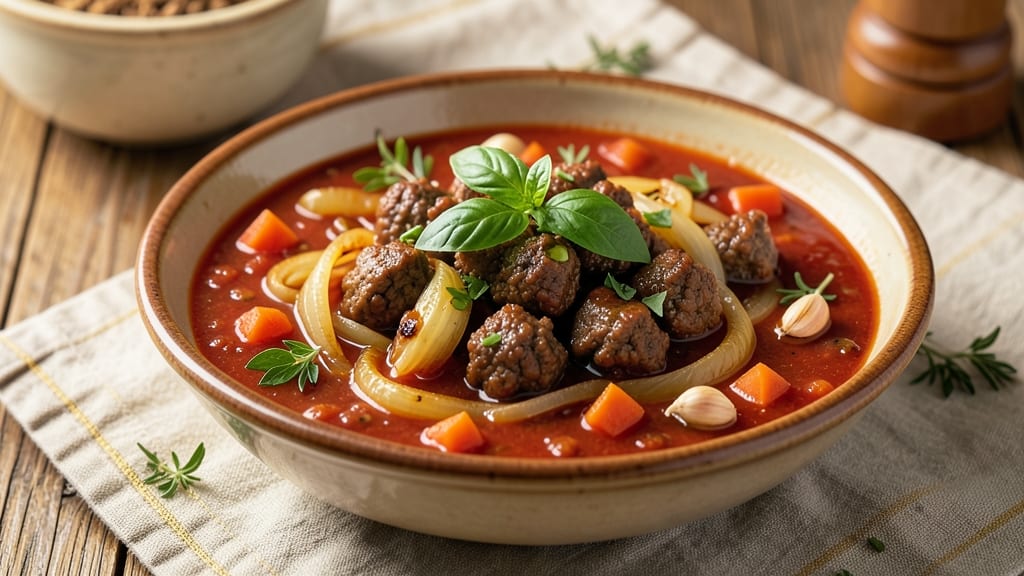
This Amish spaghetti sauce delivers the deep, meaty richness that makes homestyle meals unforgettable. Slow-cooked to perfection, it transforms simple ingredients into a velvety sauce with layers of tomato sweetness and savory depth.
The traditional technique—simmering for hours—builds flavors that store-bought versions can't match, creating a sauce that clings to every strand of pasta.
The secret lies in balancing fresh tomatoes with a blend of herbs and spices, all gently simmered until the flavors meld into harmony. Unlike quick sauces, this one develops complexity over time, with meat (optional but recommended) adding heartiness that turns a simple plate of spaghetti into a comforting centerpiece.
It's the kind of sauce that tastes even better the next day, making it perfect for meal prep.
What you'll end up with is a rich, slightly thick sauce that coats pasta beautifully—no lumps, no aftertaste, just pure flavor. The aroma alone will have everyone gathering at the table, and the taste will remind them of Sunday dinners from years ago.
This isn't just spaghetti sauce; it's a taste of tradition in every spoonful.
Pair it with homemade meatballs, crusty bread, or simply twirl it with spaghetti for a meal that feels like a warm embrace. The beauty of this recipe is its adaptability—use it as a marinara for pizza, a topping for baked ziti, or as the star of a classic spaghetti dinner.
Here's how to make it.
Ingredients for amish spaghetti sauce
Simple ingredients that slow-cook into restaurant-quality tomato richness with meaty depth.
| Ingredient | Amount | Notes |
|---|---|---|
| Ground Beef 🥩 | 1 ½ lb | 80% lean for rich flavor |
| Yellow Onion 🧅 | 1 whole | Medium size, finely chopped |
| Garlic Cloves 🧄 | 4 cloves | Freshly minced for aroma |
| Carrots 🥕 | 2 medium | Peeled and sliced thin |
| Canned Crushed Tomatoes 🍅 | 28 oz | San Marzano preferred |
| Tomato Paste 🍅 | 2 tbsp | For concentrated depth |
| Dried Basil 🌿 | 1 tbsp | Or 1/4 cup fresh basil |
| Dried Oregano 🍃 | 1 tsp | Italian variety preferred |
| Ground Black Pepper 🌶️ | ½ tsp | Freshly cracked preferred |
| Salt 🧂 | 1 ½ tsp | Kosher salt preferred |
| Red Wine 🍷 | ½ cup | Bold dry red like Cabernet |
| Beef Broth 💧 | 1 cup | Low-sodium preferred |
| Olive Oil 🫒 | 2 tbsp | Extra-virgin for richness |
The ground beef is the flavor foundation—80% lean gives you that satisfying bite without excess fat. Costco or local butcher shops often have the best prices for bulk packages. If you're using pre-ground, check the label for quality; the fresher, the better. Carrots add natural sweetness and color, but don't overcook them—they should melt into the sauce rather than stay distinct. For tomatoes, San Marzano cans from Trader Joe's or Whole Foods are worth the splurge—they're sweeter and less acidic, which is key for that authentic Amish flavor profile.
No red wine? Beef broth with a splash of balsamic vinegar works perfectly—just use the same amount. Fresh basil is ideal, but dried oregano at half the amount gets you close if you're in a pinch. The tomato paste might seem like a small amount, but it's crucial for that concentrated tomato flavor. If you're worried about lumps, mix it with a splash of cold water before adding. For the beef broth, low-sodium versions let you control the saltiness better, and you can always add more later. The olive oil might seem excessive, but it prevents the sauce from sticking to the pot and adds subtle richness.
This sauce tastes even better the next day as the flavors meld. Store it in an airtight container in the fridge for up to 5 days, or freeze portions for up to 3 months. I like to portion it into ziplock bags with a bit of space at the top—just what you need for one or two servings. When reheating, add a splash of water or broth to loosen the sauce if it's thickened. The aroma alone will have everyone gathering at the table—trust me, it's worth the slow cook time.
Why You'll Love This Recipe
- No Chopping Chaos: I swear by this recipe because it only asks for one onion and a few carrots—none of those fussy dice cuts. Toss them whole into the pot, and they’ll soften right into the sauce while you brown the beef. Less mess, more flavor.
- Meat-and-Veggie Magic: That ground beef gets properly browned first, which means deep, savory notes before the tomatoes even join. The carrots add natural sweetness, and the garlic? Oh, it’s there—just enough to make your taste buds nod in approval without overpowering.
- Leftovers That Win: This sauce tastes even better the next day, which is perfect for busy weeks. Double the batch, freeze half, and you’ve got a weeknight dinner covered. My kids beg for it cold on sandwiches—yes, really.
- Pantry Staple Power: You’re using things you already own: canned tomatoes, onions, carrots, garlic, and beef. No specialty ingredients, no last-minute grocery runs. It’s the kind of recipe that makes you feel like you’re cooking a gourmet meal without breaking the bank.
Step-by-step instructions for homestyle Amish spaghetti sauce
This method delivers rich, meaty depth with tender vegetables and balanced seasoning.
Brown the Ground Beef for Maximum Flavor
Heat the 2 tablespoons olive oil in a large Dutch oven over medium-high heat. Add the 1.5 pounds ground beef and break it apart with a wooden spoon, stirring frequently to prevent sticking. Cook until the beef loses its raw color and begins to brown—this should take about 8-10 minutes.
Here's the thing—don't drain the fat. Those rendered juices are pure flavor. Once the beef is fully browned, use a slotted spoon to transfer it to a plate, leaving all the fat behind in the pot. This fat will form the foundation of your sauce, carrying all those deep, savory notes.
Sauté the Aromatic Vegetables
In the same Dutch oven (no need to wipe it clean—those browned bits are flavor gold), add the finely chopped yellow onion, minced garlic cloves, and thinly sliced carrots. Cook over medium heat for 5-6 minutes, stirring occasionally, until the onions soften and the carrots begin to caramelize slightly. You'll see the mixture darken and smell intensely aromatic—this is when the magic starts.
Don't walk away during this step. The garlic should just begin to turn golden—that's your signal to move quickly to the next addition. If you let it burn, you'll get a bitter taste that cuts through the sauce's richness.
Build the Sauce Foundation
Stir in the 2 tablespoons tomato paste and cook for 1 minute to toast its flavor. Add the 28 ounces canned crushed tomatoes, ½ cup red wine, and 1 cup beef broth. Bring the mixture to a gentle simmer, then reduce heat to low and let it cook uncovered for 20 minutes. This initial simmer allows the flavors to meld and the sauce to thicken slightly.
I like to stir occasionally during this time, but not constantly—just enough to keep things moving. The wine will cook off, leaving behind its concentrated flavor. If the sauce looks too thick, add a splash of water or broth to loosen it to your desired consistency.
Season and Simmer to Perfection
Return the browned beef to the pot and stir to combine. Add the 1½ teaspoons salt, ½ teaspoon ground black pepper, 1 tablespoon dried basil, and 1 teaspoon dried oregano. Give everything a good stir to distribute the seasonings evenly. Then reduce heat to low and let the sauce simmer uncovered for 45-60 minutes, stirring occasionally.
This long simmer is crucial—it allows all the flavors to develop fully and the sauce to deepen in color and richness. You'll notice the sauce reduces slightly and becomes glossy. Taste it around the 30-minute mark and adjust seasoning if needed. The sauce should be balanced—sweet from the tomatoes, rich from the meat, and bright from the herbs.
Rest Before Serving
Once the sauce reaches your desired consistency and flavor depth, remove it from heat. Let it rest for 10-15 minutes before serving. This resting period allows the flavors to truly meld together and the sauce to thicken slightly as it cools.
I know it's tempting to serve it immediately, but trust me—this waiting time makes a world of difference. The sauce will be even more flavorful and cohesive. Serve it warm over your favorite pasta, with a sprinkle of fresh basil if you're feeling fancy. This homestyle spaghetti sauce is hearty enough to stand up to crusty bread on the side.
Pro Tips For Making Amish Spaghetti Sauce
- CRISP THE CARROTS: I used to toss diced carrots in raw and forget about them—big mistake. Sauté them for 3-4 minutes before adding onions to soften their edges and deepen their sweetness. (Yes, even if you’re impatient like me, they’ll caramelize enough to matter.)
- BROWN THE BEEF FIRST: After burning three batches of ground beef, I finally figured out: cook it in batches on medium-high heat until deeply browned. That’s where the flavor hides—skip this, and your sauce tastes like it came from a can. (Protein releases juices; don’t stir constantly or you’ll steam it instead of sear it.)
- SALT THE TOMATOES: My grandmother swore by this, and she was right: sprinkle ½ teaspoon of salt directly into the crushed tomatoes before adding them to the pot. It breaks down their skins slightly, making the sauce smoother and richer. (Sounds weird, but it works—trust the process.)
- LOW AND SLOW WINS: Simmer the sauce uncovered for at least 45 minutes after adding tomatoes—no, you can’t rush it. The longer it cooks, the deeper the flavors meld. If it gets too thick, add a splash of water, but don’t overdo it. (Patience here is the thing that matters most.)
Creative variations of this amish spaghetti sauce
Meat-Free Vegetarian Twist
Swap the ground beef for 1 lb lentils or 12 oz mushrooms finely chopped for a hearty vegetarian version. Brown the mushrooms in olive oil first to develop their umami depth, then proceed with the recipe as written.
For lentils, use brown or green varieties—they hold their shape better. Add 1 tsp smoked paprika to mimic the meaty flavor. This version still delivers that rich, slow-cooked depth without sacrificing texture. 🌱
Italian-Inspired Tomato Sauce
Transform this into a classic Italian marinara by omitting the red wine and beef broth. Use 1 cup chicken broth instead, and reduce the cooking time to 30-40 minutes for a lighter, brighter sauce. Add 1 tsp red pepper flakes and ½ cup sun-dried tomatoes for a Mediterranean twist.
Perfect for pizza or as a base for lasagna layers. The herbs remain the same, but the sauce becomes more vibrant and tomato-forward.
Spicy Cajun Kick
For a bold Cajun-inspired variation, add 1 tbsp Cajun seasoning (like Tony Chachere's) along with the dried herbs. Include 1 jalapeno pepper seeded and minced for heat, and swap the red wine for ½ cup chicken broth.
Simmer for 45 minutes to let the spices meld. This version pairs beautifully with shrimp or chicken, giving your spaghetti a fiery Southern flair. 🌶️
White Wine & Herb Simmer
For a lighter, brighter sauce, replace the red wine with ½ cup white wine and add 1 tbsp fresh thyme along with the dried herbs. Use 1 lb Italian sausage instead of ground beef for a different meaty profile.
Simmer for 35-40 minutes to let the white wine's acidity brighten the tomatoes. This version works wonderfully with linguine or as a topping for baked ziti. The thyme adds an earthy note that complements the wine beautifully.
Slow-Cooker Adaptation
Make this sauce hands-off by using a 6-quart slow cooker. Brown the beef and sauté the vegetables in a skillet first, then transfer everything to the slow cooker. Add all remaining ingredients and cook on low for 6-8 hours or high for 4-5 hours.
The slow cooker's gentle heat enhances the flavors without risk of burning. This method is perfect for busy weeknights—just dump, cook, and enjoy. The sauce will be even more tender and deeply flavored. ⏳
Sweet & Tangy BBQ Fusion
Give your spaghetti sauce a smoky-sweet twist by adding ½ cup BBQ sauce (like Sweet Baby Ray's) along with the beef broth. Include 1 tsp garlic powder and 1 tsp onion powder for extra depth.
Simmer for 40 minutes to blend the flavors. This version is perfect for serving over spaghetti with a sprinkle of crumbled bacon on top. The tangy-sweet balance makes it a crowd-pleaser for BBQ lovers. 🍖
Nutrition facts
Frequently asked questions
Why does this Amish spaghetti sauce need such a long cooking time?
The extended simmering—45-60 minutes—is key to developing deep, complex flavors. This slow process allows the meat to tenderize, vegetables to melt into the sauce, and all ingredients to blend harmoniously. Traditional Amish cooking often emphasizes patience in simmering sauces, which transforms simple ingredients into something restaurant-quality.
Can I make this sauce without red wine?
Replace the ½ cup red wine with an equal amount of beef broth plus 1 tablespoon balsamic vinegar for acidity. The vinegar mimics the wine's depth while keeping the sauce rich and flavorful. For extra umami, add 1 teaspoon soy sauce along with the herbs.
What's the best way to store and reheat leftovers?
Store in an airtight container in the fridge for up to 5 days, or freeze portions for 3 months. To reheat, warm over low heat on the stove, stirring occasionally, and add a splash of water or broth if it thickens too much. The flavors actually improve after resting, making it perfect for meal prep!
How do I adjust the thickness of the sauce?
If the sauce is too thick, thin it with 1-2 tablespoons of water or broth while simmering. For a thicker sauce, simmer uncovered for 10-15 extra minutes to reduce naturally. Avoid adding flour—it can make the sauce taste starchy. The ideal consistency should coat the back of a spoon but still be pourable.
What pasta works best with this rich sauce?
This hearty sauce pairs perfectly with spaghetti, linguine, or fettuccine. For extra texture, try rigatoni or penne, which hold the sauce well. If you prefer a lighter option, angel hair pasta works too—just toss it with a little less sauce to avoid sogginess.