
Sauces & Condiments
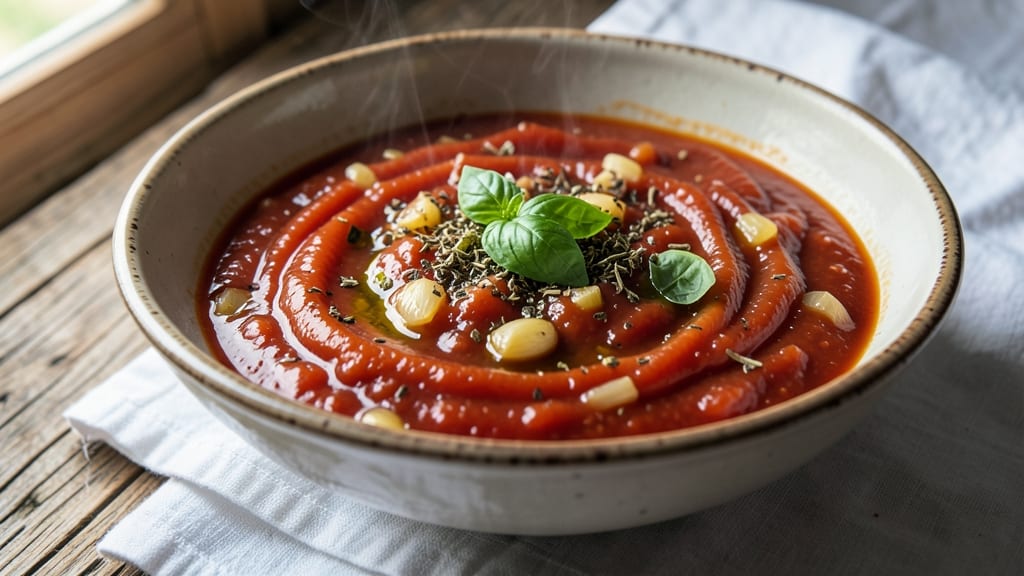
This American spaghetti sauce recipe delivers the deep, savory richness that makes every bite of pasta unforgettable. The secret lies in slow-simmering tomatoes with aromatic garlic and fragrant oregano, creating layers of umami that develop over time.
I've perfected this sauce to balance sweetness, acidity, and herby notes—no bland, watery aftertaste here.
What sets this sauce apart is the technique: a long, gentle simmer that lets flavors meld while reducing the sauce to perfect consistency. You'll start with canned tomatoes for convenience, but the magic happens in the cooking—where onions caramelize, garlic deepens, and herbs infuse without overpowering.
The result? A sauce that coats pasta perfectly, clinging to every strand.
This versatile sauce works equally well with or without meat, making it adaptable for any meal. Whether you're serving it over al dente spaghetti or using it as a marinara for meatballs, the rich, balanced flavors will elevate your dinner.
The best part? It tastes even better the next day, so make a big batch and enjoy leftovers.
Ready in about 45 minutes, this sauce requires minimal effort but delivers restaurant-quality results. The key ingredients—tomatoes, garlic, onions, and herbs—are simple, but the slow cooking transforms them into something extraordinary. Let's get started on creating your new go-to spaghetti sauce.
Ingredients for american spaghetti sauce
Nine simple ingredients transform into the richest American spaghetti sauce you'll ever make.
| Ingredient | Amount | Notes |
|---|---|---|
| San Marzano Crushed Tomatoes 🍅 | 28 oz | High-quality canned tomatoes |
| Yellow Onion 🧅 | 1 whole | Medium, finely diced |
| Garlic Cloves 🧄 | 4 cloves | Fresh, minced fine |
| Extra-Virgin Olive Oil 🫒 | ½ cup | For richness and depth |
| Dried Oregano 🌿 | 2 tsp | Italian or Mediterranean blend |
| Dried Basil 🌿 | 1 tsp | For herbal brightness |
| Ground Black Pepper 🌶️ | ½ tsp | Freshly cracked preferred |
| Sea Salt 🧂 | 1 ½ tsp | Diamond Crystal preferred |
| Tomato Paste 🍅 | 2 tbsp | Squeeze tube or canned |
| Red Wine 🍷 | ½ cup | Dry, bold variety |
San Marzano tomatoes are the foundation—look for the 28-ounce cans at Italian markets or specialty stores like Whole Foods. Their sweetness and acidity balance perfectly. For onions, yellow or red work best—they caramelize beautifully. Garlic is non-negotiable here; fresh cloves minced fine release more flavor than pre-minced. The olive oil should be extra-virgin, not the cheap stuff—it adds depth that cuts through the acidity. Dried herbs? Penzeys or local spice shops carry the best quality, but even grocery store brands work if they're fresh-smelling.
No San Marzano tomatoes? Crushed tomatoes in a 28-ounce can will do, though the flavor won't be as refined. Swap red wine for dry white wine or extra tomato paste if you're avoiding alcohol. Fresh basil or oregano? Use half the amount of dried—just crush the leaves between your fingers first to release oils. For tomato paste, Trader Joe's squeeze tubes are a game-changer—they're mess-free and last forever. If your sauce needs more body, add a splash of heavy cream or a spoonful of butter at the end (though purists will scoff).
This sauce only gets better with time—make a big batch and store it. In the fridge, it keeps for 5-7 days, while freezing extends it to 3 months. For freezing, portion into ice cube trays before transferring to bags—perfect for future pasta nights. The flavors meld overnight, so always reheat gently on low heat, stirring occasionally. If it thickens too much, just add a splash of water or pasta water. Leftovers? Double the batch—it disappears fast.
Why You'll Love This Recipe
- No-Chop Nightmare: I swear, this sauce only needs one knife—just dice that onion and garlic once. The San Marzano tomatoes do all the heavy lifting, so you’re basically simmering while scrolling through memes. (Yes, even on a Tuesday night.)
- Garlic-Oregano Magic: That first sizzle of olive oil and garlic? Pure flavor alchemy. The oregano hits just right—bright but not overpowering—so every bite tastes like a hug from your nonna’s kitchen, but with half the effort.
- Freezer-Friendly Hero: Make a double batch and freeze half. When you’re too tired to cook, just thaw and reheat—it’s my go-to for lazy Sundays or when company drops by unannounced. (Between us, it’s also the reason I always have dinner covered.)
- Pasta Party Starter: This sauce works with everything—spaghetti, meatballs, grilled cheese, even eggs. Honestly, I’ve dumped it on toast and called it breakfast, and no one batted an eye. Budget-friendly? Absolutely. Reliable? You bet.
Step-by-step instructions for slow-simmered American spaghetti sauce
Let's build a rich, umami-packed sauce that clings perfectly to every strand of spaghetti.
Sauté Onions and Garlic Until Translucent
Heat the 0.5 cup extra-virgin olive oil in a large, heavy-bottomed pot over medium heat. Add the 1 whole yellow onion, diced into small, even pieces, and cook for 8-10 minutes until soft and translucent. You'll see the edges start to turn golden—that's your signal to add the 4 cloves garlic cloves, minced fine. Cook the garlic for another 1-2 minutes until fragrant but not browned.
Here's the thing—don't rush this step. The onions need to fully break down and release their sweetness, while the garlic should just perfume the oil without burning. If it starts to darken too quickly, reduce the heat slightly. The base you're building here carries the entire sauce's flavor profile.
Toast Tomato Paste and Add Seasonings
Push the onion mixture to one side of the pot and add the 2 tbsp tomato paste. Let it cook undisturbed for 2-3 minutes until it turns a deep, mahogany brown color. This step develops the sauce's depth and removes the raw taste from the paste. Stir well to distribute it evenly, then add the 2 tsp dried oregano, 1 tsp dried basil, 0.5 tsp ground black pepper, and 1.5 tsp sea salt. Mix everything together for 30 seconds to toast the spices gently.
I always add the spices now rather than later because toasting them in the oil releases their aromatic compounds immediately. This creates a more complex flavor profile right from the start. Don't skip this—it makes a noticeable difference in the final sauce.
Deglaze with Red Wine
Pour in the 0.5 cup red wine and scrape up any browned bits from the bottom of the pot with a wooden spoon. These bits, called fond, are packed with concentrated flavor. Let the wine simmer for 3-4 minutes until it reduces by about half and the alcohol smell dissipates. You're looking for a syrupy consistency here—this helps balance the acidity later.
Real talk: if you're using a particularly bold red wine, you might want to reduce it slightly longer. The goal is to mellow the wine's harshness while preserving its depth. This step transforms what could be a simple tomato sauce into something with real complexity and character.
Add Tomatoes and Simmer Until Thick
Pour in the 28 oz San Marzano crushed tomatoes, stirring to combine with the wine mixture. Bring everything to a gentle simmer, then reduce the heat to low. Let it cook uncovered for 45-60 minutes, stirring occasionally. You want the sauce to thicken noticeably—it should coat the back of a spoon when you lift it out. The sauce is ready when it's reduced by about 25-30% from its original volume.
This long simmering time is crucial. It allows the flavors to meld together and develop that deep, concentrated umami taste that makes this sauce so satisfying. Don't be tempted to rush it—patience here pays off in every spoonful. If the sauce starts to stick, add a splash of water or a little pasta water later to loosen it.
Adjust Seasoning and Finish
Taste the sauce and adjust the seasoning if needed. You might need a little more sea salt or black pepper depending on your tomatoes' natural saltiness. Let the sauce cool slightly, then blend it with an immersion blender for 10-15 seconds if you prefer a smoother texture. For a rustic look, leave it slightly chunky.
This sauce tastes best when served warm over al dente spaghetti with a sprinkle of fresh basil. The acidity from the tomatoes balances the richness of the olive oil and wine, while the oregano and basil add that classic Italian touch. I like to make extra and freeze it for future meals—it keeps well for up to 3 months in an airtight container.
Pro Tips For Making American Spaghetti Sauce
- SWEAT THE ONIONS FIRST: I learned this the hard way—skipping this step makes your sauce taste raw and bitter. Cook the diced yellow onion in olive oil over medium-low heat for 8-10 minutes until it’s translucent and just starting to caramelize. The longer you go, the deeper the flavor, but don’t let it brown or it’ll turn bitter.
- SMASH THE GARLIC: Minced garlic burns fast, and burned garlic ruins everything. Instead, peel and smash 3-4 whole cloves with the flat side of your knife, then let them cook in the oil for 30 seconds until fragrant but not golden. This keeps the flavor mellow and avoids that acrid bite.
- SIMMER NOT BOIL: After adding the crushed tomatoes, keep the heat at a gentle simmer—no rolling boil. If you let it boil hard, the sauce will split and turn grainy. A steady simmer (about 30-45 minutes) lets the flavors meld without breaking down the texture.
- SALT IN LAYERS: Taste as you go. Add salt when you add the onions, then again when the tomatoes come in, and finally at the end. This guarantees balanced flavor without overpowering. (Yes, even if your tomatoes are San Marzano—trust the process.)
Troubleshooting this dish
Sauce Too Thin?
If your sauce isn't thick enough after simmering, don't panic. First, let it cool slightly and taste it—sometimes it'll thicken as it rests. If not, simmer uncovered for another 10-15 minutes to evaporate excess liquid.
For an instant fix, mix 1 tbsp cornstarch with 2 tbsp water, stir into the sauce, and cook for 2-3 minutes until it thickens. I've also found that adding 1-2 tbsp tomato paste while simmering helps bind the sauce naturally. 🌡️
Sauce Too Thick?
Over-reduced sauce? No worries. Add 2-3 tablespoons of water, pasta water, or even a splash of red wine and stir well. Heat gently for 2-3 minutes to let the sauce blend smoothly.
If it's still too thick, add more liquid in small increments. Pro tip: Always keep a small bowl of pasta water nearby when cooking—it's perfect for adjusting consistency without altering flavor. 💫
Sauce Tastes Bland?
Bland sauce usually means one of three things: under-seasoned, under-simmered, or weak tomatoes. First, check your seasoning—add ½ tsp more salt, ¼ tsp black pepper, or ½ tsp red pepper flakes.
If the tomatoes were weak, boost umami by adding 1 tsp soy sauce or ½ tsp fish sauce (trust me, it works!). For depth, simmer the sauce 10-15 minutes longer to concentrate flavors. I also keep a small jar of Penzeys dried herbs handy for quick flavor boosts. 💡
Sauce Separates?
Separation happens when sauce cools too quickly or sits too long. To fix it, gently heat the sauce on low while whisking vigorously for 3-5 minutes. If it's still separating, blend it with an immersion blender for 15-20 seconds to recombine.
For prevention, always store sauce in airtight containers and reheat gently. I've had success with adding 1 tsp xanthan gum (food-safe thickener) when storing for long periods. 🔥
Sauce Too Acidic?
Excess acidity often comes from tomatoes or wine. Balance it by adding 1 tsp sugar or ½ tsp honey and simmer for 2 minutes. For a more natural fix, stir in 1 small caramelized onion or 1 tbsp tomato paste—both add sweetness and depth.
If you used red wine, try adding 1 tsp balsamic vinegar to mellow the sharpness. Always taste as you go! 🍷
Sauce Burns or Sticks?
Burnt sauce is usually from overheating or insufficient oil. Next time, use a heavy-bottomed pot (like All-Clad) and keep heat at medium-low. Stir frequently and add 1 tbsp olive oil if it starts sticking.
For stuck-on bits, add ¼ cup water or wine, scrape with a wooden spoon, then simmer to blend. I keep a silicone spatula handy for gentle scraping without damaging my pots. ⚡
Nutrition facts
Frequently asked questions
Can I make this sauce without red wine?
Replace the 0.5 cup red wine with 0.5 cup dry white wine or 0.5 cup extra tomato paste mixed with 2 tbsp water. For a non-alcoholic version, use 0.5 cup vegetable broth or 0.5 cup apple cider—both add depth without wine's sharpness. The key is maintaining the same liquid volume to balance the sauce's acidity.
How do I adjust this sauce for meatballs?
For meatballs, reduce the sauce slightly thicker than usual—it should coat the back of a spoon but still be pourable. Add 1 tsp sugar or ½ tsp honey to balance the acidity, and consider simmering 10 minutes longer to concentrate flavors. For extra richness, stir in 2 tbsp heavy cream or 1 tbsp butter at the end. The longer simmer also helps the sauce develop deeper umami for meatball dipping.
Can I use fresh tomatoes instead of canned?
Fresh tomatoes work, but you'll need 2-3 large ripe tomatoes (about 1.5 lbs) and a food mill or immersion blender to process them. Peel and seed the tomatoes first, then cook them down to 2 cups of sauce before adding to the recipe. Fresh tomatoes are more watery, so you may need to simmer the final sauce 15-20 minutes longer to reach the right consistency. For best results, use a mix of fresh and canned tomatoes.
Why does my sauce taste different from yours?
Flavor variations come from tomatoes, herbs, and cooking time. San Marzano tomatoes have a distinct sweetness—substitutes may be more acidic. Herbs lose potency over time, so use freshly crushed dried herbs or double the amount of fresh basil/oregano. Simmering time also matters: 45-60 minutes develops depth, while 30 minutes keeps it lighter. Taste as you go and adjust salt, sugar, or herbs to match your preference.
Can I make this sauce in a slow cooker?
Yes! Follow the same steps for sautéing onions and garlic, then transfer everything to a 3-4 quart slow cooker. Cook on low for 6-8 hours or high for 3-4 hours, stirring occasionally. The slow cooker's gentle heat prevents burning and enhances flavors. For thicker sauce, cook uncovered on high for the last 30 minutes to reduce excess liquid. The texture will be slightly chunkier but equally delicious.