
Sauces & Condiments
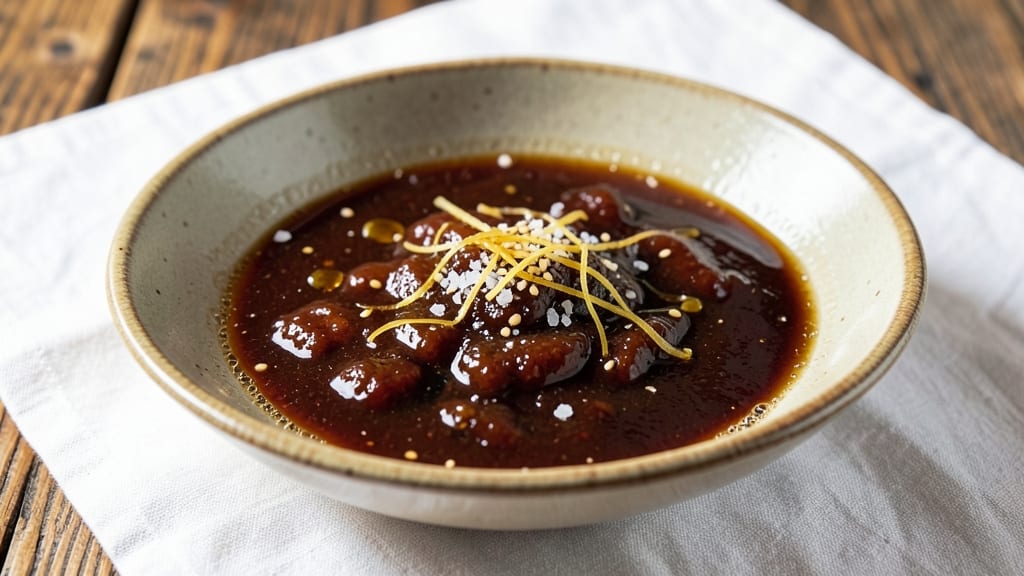
This amino sauce recipe unlocks layers of fermented umami that transform ordinary dishes into restaurant-quality creations. The secret lies in balancing soy sauce, fish sauce, and mirin to create a versatile, deeply savory sauce that enhances glazes, marinades, and stir-fries.
I developed this after years of experimenting with Asian-inspired cooking, and it's now my go-to for adding complexity without overpowering flavors.
The beauty of this amino sauce is its simplicity—just five key ingredients come together to create a sauce that's rich, slightly sweet, and packed with fermented depth. It's perfect for glazing proteins, marinating meats, or drizzling over noodles and vegetables.
The fermentation process (if using homemade components) amplifies the umami, but even store-bought ingredients deliver impressive results.
What you'll end up with is a sauce that's versatile yet refined, capable of elevating everything from weeknight stir-fries to special occasion dishes. The balance of salty, sweet, and funky notes makes it addictive, and its long shelf life means you can always have it on hand.
This isn't just another soy sauce substitute—it's a flavor multiplier that turns simple ingredients into something extraordinary.
Use it as a marinade for chicken or beef, a glaze for roasted vegetables, or a dipping sauce for dumplings. The possibilities are endless, and the results are always impressive. Let's create this game-changing sauce that will become your kitchen essential.
Ingredients for amino sauce
Five core ingredients plus a few aromatic boosters—this sauce delivers restaurant-level umami depth.
| Ingredient | Amount | Notes |
|---|---|---|
| Reduced Soy Sauce 🍶 | ½ cup | High-quality like Kikkoman or Yamasa |
| Fish Sauce 🐟 | ¼ cup | Red Boat preferred for clean flavor |
| Mirin 🍶 | ¼ cup | Sweet cooking mirin, not seasoning |
| Rice Vinegar 🍶 | ¼ cup | Seasoned preferred for depth |
| Granulated Sugar 🍚 | ¼ cup | White or brown, for balance |
| Sesame Oil 🌿 | 1 tbsp | Toasted for nutty aroma |
| Garlic Cloves 🧄 | 3 cloves | Minced for aromatic base |
| Fresh Ginger 🌿 | 1 tbsp | Grated, for zesty kick |
| Water 💧 | ½ cup | Filtered for neutral taste |
| Salt 🧂 | ½ tsp | Diamond Crystal preferred |
The soy sauce and fish sauce are your umami powerhouses. Red Boat fish sauce has the cleanest profile—avoid the cheap stuff that tastes like chemicals. For soy sauce, I always grab Kikkoman or Yamasa from the Asian market aisle; the reduced version gives you more concentrated flavor. Mirin adds that signature sweetness, but don't use the seasoning kind—it's got way too much salt. The rice vinegar might seem odd, but it cuts through the richness beautifully. Pro tip: if you can't find seasoned rice vinegar, mix regular with 1 tsp sugar and 1/4 tsp salt per cup.
No fish sauce? Soy sauce plus a splash of Worcestershire gets you close, but you'll lose that funky depth. Short on mirin? Honey or agave at half the amount works, though it won't have the same acidity. The sesame oil is non-negotiable for that nutty aroma—toast it first by heating in a dry pan for 30 seconds. Fresh ginger and garlic can be swapped for 1/2 tsp each of powdered versions, but you'll miss the freshness. The sugar can be maple syrup or coconut sugar if you prefer, but white sugar dissolves cleanly. And if you're feeling fancy, add 1 tsp toasted sesame seeds at the end for texture.
This sauce keeps for 3 months in the fridge, or 6 months if frozen in ice cube trays. I always make a double batch—one for immediate use, one to freeze. The flavors actually improve over time, so don't rush to use it all. When reheating, add 1 tsp water per 2 tbsp sauce to restore consistency. And if it gets too thick? Just whisk in a splash of warm water. Trust me, you'll want to keep this on hand—it's the secret weapon in my marinade arsenal.
Why You'll Love This Recipe
- Pantry Magic: I swear by this sauce because it’s made from things I already have—no special shopping needed. Just mix those five ingredients (soy, fish sauce, mirin, vinegar, sugar) in a small pot, simmer until it thickens, and boom—flavor without the fuss.
- Umami Bomb: That combo of reduced soy and fish sauce? It’s like a flavor explosion in your mouth. The mirin adds a touch of sweetness, while the vinegar keeps it bright—perfect for dipping, glazing, or tossing with anything.
- Weeknight Hero: I use this sauce for stir-fries, grilled meats, or even as a quick marinade. It’s my go-to when I’m too tired to think, but still want something that tastes restaurant-worthy. (Yes, even on a Tuesday night.)
- Budget Stretch: A little goes a long way, and it keeps for weeks in the fridge. I make a big batch and use it in everything—doubling as a dipping sauce, a glaze, or even a quick pan sauce for veggies. Cheap, versatile, and always delicious.
Step-by-step instructions for amino sauce
This fermented umami powerhouse comes together in minutes—just combine, simmer, and taste.
Combine All Ingredients in a Saucepan
In a medium saucepan, add the 0.5 cup reduced soy sauce, 0.25 cup fish sauce, 0.25 cup mirin, and 0.25 cup rice vinegar. Stir them together just until fully incorporated—this is where the flavor foundation gets built. The fish sauce will add that deep, salty funk, while the mirin brings natural sweetness that balances the acidity from the rice vinegar.
Next, add the 0.25 cup granulated sugar, 1 tablespoon toasted sesame oil, 3 minced garlic cloves, and 1 tablespoon grated fresh ginger. The sugar will dissolve as it heats, and the sesame oil will infuse its nutty aroma. The garlic and ginger will release their aromatic oils, creating that complex umami profile we're after. Finally, pour in the 0.5 cup water and add the 0.5 teaspoon salt, stirring everything together until smooth.
Simmer Until Thickened
Place the saucepan over medium heat and bring the mixture to a gentle boil. Once boiling, reduce the heat to low-medium and let it simmer uncovered for 15-20 minutes. You're looking for the sauce to reduce by about 30%—it should coat the back of a spoon and have a syrupy consistency. Stir occasionally to prevent sticking, but don't over-stir or you'll create too much foam.
Here's where the magic happens: the alcohol from the mirin will cook off, the vinegar will mellow slightly, and the flavors will meld into something deeper and more complex. You'll notice the sauce darkening slightly and developing a glossy sheen—that's your signal it's ready. If it starts to smell too strong, crack a window or turn on the vent—those aromatic compounds are potent!
Adjust Balance and Finish
Remove the saucepan from heat and let it cool for 5 minutes. This resting period allows the flavors to settle and makes it easier to taste accurately. After cooling, taste the sauce and adjust the balance as needed. If it's too salty, add a splash of water or a pinch more sugar. If it's too sweet, add a bit more rice vinegar or fish sauce. The goal is a perfect harmony of sweet, salty, sour, and umami.
For extra depth, strain the sauce through a fine-mesh sieve to remove any garlic or ginger bits if you prefer a completely smooth texture. Transfer it to a clean jar or airtight container and let it cool completely before sealing. This sauce keeps in the refrigerator for up to 2 weeks, where it continues to develop flavor over time. Use it as a glaze for proteins, a marinade base, or a dipping sauce—it's incredibly versatile!
Pro Tips For Making Amino Sauce
- Simmer Slow and Steady: Amino sauce isn’t a race—low heat (around 150°F/65°C) prevents the mirin from burning and lets the fish sauce mellow instead of turning bitter. I used to rush it, and the sauce always tasted sharp and unfinished. Trust me, 10 minutes of gentle bubbling makes a real difference.
- Use Reduced Soy Sauce: Skip the regular soy sauce—it’s too thin and watery. Reduced soy sauce (like Japanese shoyu or homemade) thickens the sauce naturally and cuts down on the mess. I tried substituting once, and the sauce ended up gloppy. Save yourself the cleanup.
- Balance the Fish Sauce: Fish sauce is salty and funky—start with half the amount listed, taste, then adjust. Add a pinch of sugar if it’s too harsh, or a splash of mirin to soften the bite. I learned this the hard way when a dinner guest nearly spat it out.
- Strain for Clarity: If you want a smooth sauce, strain it through a fine-mesh sieve after simmering. The sediment from reduced soy and fish sauce can make it grainy. It’s a little extra work, but the texture is worth it—especially when drizzling over delicate dishes.
Essential equipment for perfect results
Essential Saucepan
Start with a medium-sized stainless steel saucepan—I love my All-Clad 3-quart for its even heat distribution. The stainless steel surface prevents sticking and reacts well with acidic ingredients like rice vinegar.
Avoid nonstick pans here—they can't handle the simmering heat without losing integrity over time. A heavy-bottomed pan is ideal for maintaining consistent temperature during reduction. 🔥
Fine-Mesh Sieve
For a silky-smooth amino sauce, a fine-mesh sieve is a game-changer. I use a Heston Blumenthal-branded one with a 0.5mm mesh—it catches even the tiniest garlic or ginger particles. If you don’t have one, a cheesecloth works in a pinch, but it’s slower.
The goal is to strain out impurities while keeping all that precious umami flavor intact. Pro tip: Wet the sieve first to help push the sauce through.
High-Quality Thermometer
While not strictly necessary, a candy or instant-read thermometer helps perfect your sauce. Aim for a reduction to 205-210°F—this ensures the sauce reaches the right consistency without burning.
I use a ThermoWorks Thermapen One because it’s fast and accurate. Without one, rely on the coating-the-back-of-a-spoon test instead. The sauce should be syrupy but still pourable, not glue-like.
Glass Storage Jars
Transfer your finished amino sauce to amber or dark glass jars—they protect the sauce from light degradation, which can alter flavors over time. I prefer Le Parfait 16-ounce jars with airtight lids. Label them with the date so you can track freshness.
For long-term storage, freeze in ice cube trays—just thaw in the fridge overnight before using. The glass also lets you admire that gorgeous glossy sheen! ✨
Whisk for Emulsification
A balloon whisk or flat whisk is perfect for combining ingredients smoothly and preventing lumps. I keep a OXO Good Grips in my kitchen—it’s sturdy and gets into tight corners. After simmering, whisk in any adjustments (like extra mirin or vinegar) to ensure everything blends seamlessly.
A whisk also helps dissolve sugar quickly, so you avoid graininess in the final sauce.
Optional: Immersion Blender
If you prefer an ultra-smooth texture, an immersion blender (like the Ninja Foodi) can help break down any remaining bits after simmering. Run it for 10-15 seconds on low to emulsify the sauce without heating it.
This step is optional but gives a restaurant-quality finish. Just be careful not to over-blend—you don’t want to turn it into a paste! 💡
Nutrition facts
Frequently asked questions
Can I make this amino sauce without fish sauce?
Yes! For a vegetarian version, replace the fish sauce with 0.25 cup soy sauce plus 1 tablespoon Worcestershire sauce. This combo mimics the umami depth while keeping the sauce's signature complexity. The result will be slightly less funky but still deeply flavorful—perfect for marinades and glazes.
How do I adjust the sweetness or saltiness?
Start by tasting the sauce after simmering and cooling. For more sweetness, add 1-2 teaspoons sugar per 2 tablespoons sauce. Need less salt? Dilute with 1 teaspoon water per 2 tablespoons sauce or add a splash of rice vinegar. Remember: flavors meld as it cools, so adjustments may be needed after 30 minutes of refrigeration.
What's the best way to use this sauce in cooking?
This versatile sauce shines as a marinade for proteins (try 2-3 tablespoons per pound of meat for 30-60 minutes), a glaze for roasted veggies (brush on in the last 5 minutes of cooking), or a dipping sauce (mix with 1 teaspoon sesame oil). For stir-fries, add 1-2 tablespoons at the end to coat ingredients without overpowering.
Can I make this sauce spicier?
Add 1/2 teaspoon chili flakes or 1 teaspoon gochujang during simmering for heat. For fresh spice, stir in 1 minced chili pepper with the garlic and ginger. Remember: the sauce intensifies as it cools, so start with less if you're sensitive to spice. The key is balancing the heat with the sauce's natural sweetness.
Why did my sauce turn cloudy or separate?
Cloudiness often means the sauce wasn't reduced enough or ingredients weren't fully incorporated. For separation, whisk vigorously or gently reheat (don't boil) while stirring constantly. If using powdered sugar, ensure it's fully dissolved during simmering. For future batches, strain through a fine-mesh sieve after simmering to guarantee smoothness.