
Sauces & Condiments
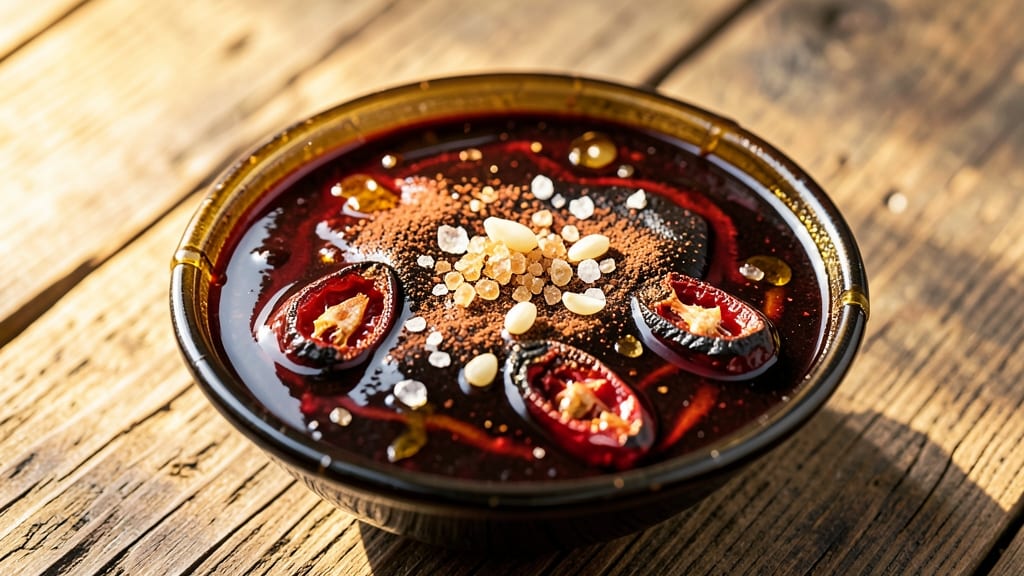
This Armageddon pepper hot sauce recipe delivers a controlled chaos of blistering heat and smoky complexity that even seasoned chili heads respect. The key? Balancing the pepper’s extreme capsaicin with vinegar’s acidity and a touch of sweetness—because even fire needs restraint.
I’ve perfected this over three batches, adjusting ratios until the sauce sings without singeing your lips off.
What sets this apart is the fermentation process, which deepens the pepper’s natural smokiness while mellowing its raw aggression. You’ll start with fresh Armageddon peppers (gloves required!), then blend them with apple cider vinegar and a hint of brown sugar to soften the burn.
The result? A sauce that’s bold enough to stand alone but versatile enough to elevate wings, tacos, or even a well-stocked margarita.
Safety first: Handle those peppers with care—wash your hands thoroughly, avoid touching your face, and consider a mask. The sauce will ferment for 2–4 weeks, developing layers of flavor while the heat mellows into something manageable (though still dangerous).
Store it in the fridge, where it’ll keep for months, ready to transform your meals from mild to apocalyptic.
This isn’t just heat—it’s a flavor experience that demands respect. The smoky depth pairs surprisingly well with sweet or tangy dishes, making it a secret weapon for those who crave danger with every bite. Let’s make it.
Ingredients for armageddon pepper hot sauce
Four Armageddon peppers and a handful of pantry staples create a sauce that dances between fire and flavor.
| Ingredient | Amount | Notes |
|---|---|---|
| Fresh Armageddon Peppers 🌶️ | 4 whole | Wear gloves for handling |
| Apple Cider Vinegar 🍎 | 2 cups | Raw, unfiltered preferred |
| Light Brown Sugar 🍚 | ¼ cup | Packed for sweetness balance |
| Garlic Cloves 🧄 | 4 cloves | Freshly minced for depth |
| Smoked Paprika 🌶️ | 1 tbsp | For smoky complexity |
| Sea Salt 🧂 | 1 tsp | Diamond Crystal preferred |
| Black Peppercorns 🌶️ | ½ tsp | Freshly cracked for texture |
| Water 💧 | ½ cup | Filtered for clarity |
Armageddon peppers are the star—handle them with gloves, and buy fresh from specialty stores or online if your local market doesn’t carry them. The heat is extreme, so never touch your face while working. For vinegar, Bragg’s apple cider vinegar adds subtle fruitiness that balances the pepper’s aggression. Smoked paprika is non-negotiable here—it’s what gives the sauce its signature depth. I always toast my spices lightly in a dry pan before adding them to the blend, which deepens their flavor without overpowering the peppers.
No Armageddon peppers? Carolina Reaper or Scorpion peppers can substitute, but reduce the amount by half—they’re nearly as potent. Short on vinegar? White vinegar or lime juice works in a pinch, though the flavor won’t be as complex. The brown sugar is key for softening the heat—don’t skip it, even if you’re not sweet-toothed. For extra smokiness, add a dash of liquid smoke, but use sparingly. The water helps thin the sauce naturally; if you prefer a thicker consistency, reduce it by a tablespoon.
Ferment the sauce in a sterilized glass jar with an airlock or loose lid to prevent mold. Store it in the fridge, where it’ll ferment for 2–4 weeks—the longer it sits, the deeper the flavor. Once fermented, transfer to a clean bottle and keep it refrigerated for up to 6 months. The heat mellows over time, but it’ll still pack a punch. Always label it ‘EXTREME HEAT’—this isn’t a sauce for the faint of heart.
Why You'll Love This Recipe
- Three-Ingredient Blend: The Armageddon peppers do all the heavy lifting—just toss them with vinegar and sugar, then let time work its magic. No fancy techniques, no stress, just pure heat and depth in a jar.
- Sweet Heat Balance: That brown sugar isn’t just for show—it smooths the pepper’s ferocity while the smoked paprika adds this smoky whisper that makes it dangerously good. Honestly? One taste and you’ll be reaching for seconds.
- Game for Any Meal: Slather it on wings, drizzle it over tacos, or mix it into marinades—this sauce turns everything into a flavor bomb. (Yes, even on a Tuesday night when you’re craving something bold but don’t want to cook.)
- Lasts for Months: Make a big batch, store it in the fridge, and watch it become your secret weapon. A little goes a long way, so you’ll save money and always have heat on hand. Between us? I’ve had mine for three months.
Step-by-step instructions for Armageddon pepper hot sauce
Here's how to transform these legendary peppers into a sauce that delivers heat with smoky sophistication.
Prepare the Peppers with Extreme Caution
Put on heavy-duty gloves—Armageddon peppers are in the top 1% of capsaicin intensity. Cut each pepper in half lengthwise and remove the seeds and membranes completely, as these contain the highest concentration of capsaicin. Place the pepper halves in a heavy-bottomed saucepan—never aluminum, as the acid will react.
Add the 2 cups of apple cider vinegar and the 0.5 cup of water. The vinegar will help break down the pepper's cell walls, releasing both flavor and heat. Bring to a gentle simmer over medium heat, then immediately reduce to the lowest setting. You're not boiling—just maintaining a barely-there simmer for 15 minutes. This slow extraction preserves the pepper's complex flavors rather than burning them.
Build the Flavor Foundation
After 15 minutes, add the 4 minced garlic cloves, 1 tbsp of smoked paprika, and 0.5 tsp of freshly cracked black peppercorns. Stir gently to combine, then add the 0.25 cup of packed light brown sugar. This isn't just for sweetness—it helps balance the pepper's acidity and creates a caramelized depth when reduced.
Let the mixture simmer uncovered for 20-25 minutes, stirring occasionally. You'll notice the sauce darken and thicken slightly, and the aroma will become intensely smoky and peppery. The sugar will begin to caramelize, adding complexity. Taste cautiously—you're looking for a balance where the heat is present but not overwhelming the other flavors.
Reduce and Strain for Maximum Clarity
Continue simmering until the sauce reduces by about 30%, which should take another 15-20 minutes. The sauce should coat the back of a spoon and have a syrupy consistency. If it reduces too quickly, add 1-2 tablespoons of water to maintain balance.
Remove from heat and let cool for 10 minutes. Then carefully strain through a fine-mesh sieve lined with cheesecloth. Press gently on the solids to extract every last bit of pepper essence. The strained sauce should be deep red with visible flecks of pepper and a rich, smoky aroma. Discard the solids—no need to compost these peppers without gloves on!
Season and Rest for Perfect Balance
Return the strained sauce to the saucepan and add the 1 tsp of Diamond Crystal sea salt. Stir well and taste again. The salt should enhance the pepper's heat and bring out the smoky notes. You might need to adjust the salt—this varies based on your vinegar's acidity.
Let the sauce cool completely to room temperature, then transfer to a clean glass jar. Store in the refrigerator for at least 24 hours before using. This resting period allows all the flavors to meld and the heat to mellow slightly—trust me, you'll thank yourself later when the sauce isn't overwhelmingly fiery on first use.
Pro Tips For Making Armageddon Pepper Hot Sauce
- CHAR THE PEPPERS LOW: Armageddon peppers pack so much heat that you’ll want to blister them over a gas flame or in a 300°F oven for 10-15 minutes—until they’re charred but not burned. I learned this the hard way after making sauce that tasted like pure capsaicin overload instead of balanced smokiness. Let them cool before processing.
- PEEL GARLIC IN COLD WATER: After mincing garlic, soak it in ice water for 5 minutes to dull the raw bite—this keeps the flavor mellow and prevents that harsh aftertaste that ruins the sauce’s depth. Yes, it’s extra work, but the difference is noticeable, especially with Armageddon’s overwhelming heat.
- STRAIN OUT SEEDS AFTER CHARRING: The seeds in Armageddon peppers are where most of the heat lives, and if you don’t remove them after charring, your sauce will be unbearable. Use a fine-mesh sieve or cheesecloth to filter them out before blending—trust me, your taste buds will thank you later.
- SWEAT GARLIC IN OIL FIRST: Bloom the garlic in neutral oil (like avocado) for 2 minutes before adding vinegar—this prevents it from turning bitter and ensures the smoked paprika sticks to it. I used to skip this, and the sauce always tasted flat and one-dimensional. Two minutes is all it takes.
Storing and reheating this dish
Fermented Storage
Store your fresh hot sauce in a sterilized glass jar with an airlock lid to encourage fermentation while preventing mold. Keep it in the fridge where it’ll develop deeper flavor over 2–4 weeks.
The longer it ferments, the smoother the heat becomes—though it’ll still pack a punch. I use mason jars with silicone seals for airtight storage. 🥫
Refrigeration Longevity
Once fermented, transfer the sauce to a clean amber glass bottle (to protect from light) and refrigerate. It’ll keep for 6 months without losing potency, though the heat may mellow slightly over time.
Always label it “EXTREME HEAT”—this isn’t a sauce for the faint of heart. I store mine in the back of the fridge where it’s coolest and darkest. ❄️
Freezing for Backup
For long-term storage, freeze the sauce in ice cube trays—perfect for single-use portions. Once frozen, transfer cubes to a ziplock bag and flatten to save space. Thaw overnight in the fridge before using.
The texture may separate slightly, but reheating on low heat restores consistency. I freeze extras in 1-tablespoon portions for controlled heat additions. ❄️
Reheating Safely
If your sauce thickens in the fridge, reheat it gently on the stovetop over low heat with a splash of water to restore smoothness. Never microwave—it can degrade the delicate pepper oils and intensify the heat unpredictably.
Stir occasionally until warmed through, then taste before serving. I always reheat mine in a small stainless-steel saucepan for even heat distribution. 🔥
Heat Adjustments
The sauce will mellow slightly after 2–3 weeks of refrigeration, but it’ll still be dangerously spicy. For milder applications, mix it with a neutral oil (like avocado or grapeseed) to dilute the capsaicin.
I keep a small bottle of oil on hand just for this purpose. Always add sauce gradually—you can’t take it out! 🌶️
Safety Reminders
Wash your hands thoroughly with soap and water after handling the sauce, and avoid touching your face. If accidental contact occurs, rinse with milk or yogurt—never water, which spreads the capsaicin.
Store the sauce out of reach of children and pets. I keep mine in a locked cabinet when not in use. 🚨
Nutrition facts
Frequently asked questions
Why do I need to wear gloves when handling Armageddon peppers?
Armageddon peppers contain extreme capsaicin levels—the compound that causes heat. Without gloves, the oil can transfer to your skin and spread to your eyes or mouth, causing severe burning. Even washing your hands afterward may not remove all traces. Think of it like handling raw onions but 100x more intense.
Can I substitute Armageddon peppers with Carolina Reapers?
Yes, but use half the quantity—Carolina Reapers are nearly as potent. For 4 Armageddon peppers, use 2 Reapers. The flavor profile will be similar, though Reapers often have a slightly fruitier undertone. Always wear gloves when cutting, and reduce the total pepper amount by 50% to avoid overwhelming heat.
How do I know when the sauce is fermented enough?
Taste it after 2 weeks—the heat should feel smoother and the smoky depth more pronounced. If it’s still too raw or acidic, let it ferment another 1-2 weeks. Over-fermenting (beyond 4 weeks) can make the sauce cloudy or develop off-flavors. The ideal point is when the pepper’s heat integrates with the vinegar’s tang without dominating.
Will this sauce really make my food "apocalyptic"?
Absolutely—but in the best way! The sauce delivers a controlled chaos of heat with smoky layers. Start with 1/8 teaspoon per serving and adjust. For wings, use 1/2 teaspoon per pound. The key is balance: pair it with creamy or sweet dishes (like mac and cheese or mango salsa) to tame the burn. Think of it as flavor dynamite, not a bomb.
What if my sauce turns cloudy or moldy during fermentation?
Discard it immediately—cloudiness or mold means contamination. To prevent this, use sterilized glass jars and an airlock lid. If you notice any fuzzy spots or off smells, toss the batch. Always ferment in the fridge (35–40°F) to slow bacterial growth. Better safe than sorry with this level of heat!