
Sauces & Condiments
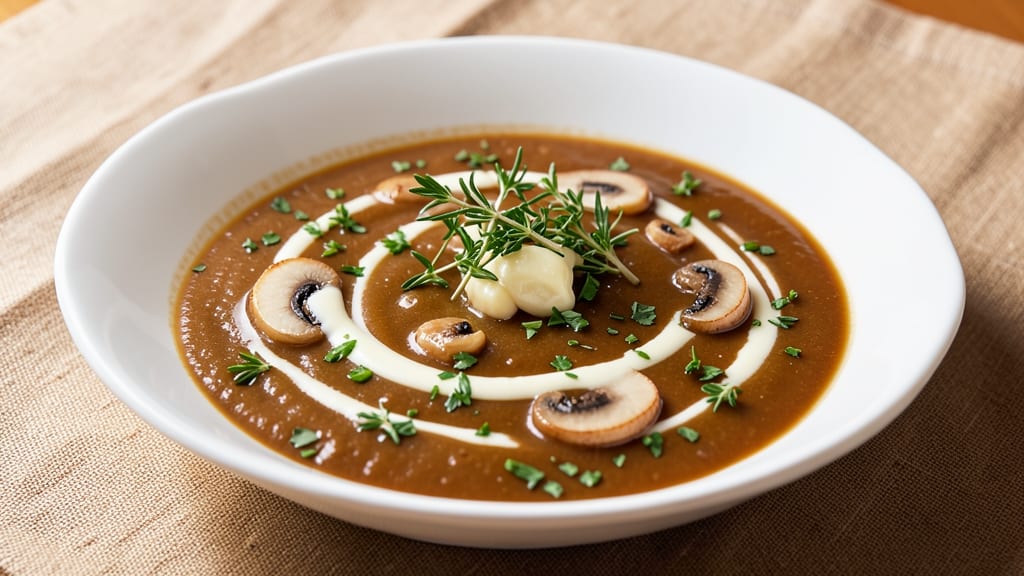
This barigoule sauce recipe delivers a velvety, aromatic velouté that transforms ordinary dishes into something extraordinary. Born in French cuisine, it combines rich mushrooms, garlic, and fresh herbs into a creamy sauce that pairs perfectly with duck, chicken, or even roasted vegetables.
The slow reduction creates deep umami flavor while maintaining a silky texture—no lumps or heavy aftertaste here.
The secret lies in proper roux development and careful reduction, which builds layers of flavor without overpowering the dish. You'll start with a classic light roux, then infuse it with sautéed mushrooms, garlic, and herbs before finishing with cream and stock.
This method ensures a sauce that's both elegant and approachable, perfect for home cooks who want restaurant-quality results.
What makes this sauce truly special is its versatility—it elevates proteins like duck confit or roasted chicken while also working beautifully as a pasta or vegetable accompaniment.
The creamy yet balanced flavor profile comes from the perfect harmony of mushrooms, garlic, and herbs, all tied together with a touch of creaminess that feels indulgent without being heavy.
Once mastered, this sauce becomes a staple in your culinary repertoire, ready to be adapted for vegetarian versions or stored for up to three days in the refrigerator. The technique is straightforward, but the results are anything but basic—this is comfort food elevated to fine dining standards.
Ingredients for barigoule sauce
Eleven ingredients transform into a restaurant-worthy velouté with rich umami and velvety texture.
| Ingredient | Amount | Notes |
|---|---|---|
| Unsalted Butter 🧈 | ½ cup | Cold, cubed for roux development |
| All-Purpose Flour 🌾 | ½ cup | White flour, sifted for smooth sauce |
| Fresh White Mushrooms 🍄 | 1 lb | Cremini or button, sliced thin |
| Garlic Cloves 🧄 | 6 cloves | Minced, for aromatic depth |
| Fresh Thyme Leaves 🌿 | ¼ cup | Finely chopped, stems removed |
| Fresh Parsley Leaves 🌿 | ¼ cup | Chopped, for bright finish |
| Heavy Cream 🥛 | 1 cup | Full-fat for velvety texture |
| Chicken Stock 💧 | 2 cups | Homemade or high-quality store-bought |
| Dry White Wine 🍷 | ½ cup | Sauvignon Blanc or Chardonnay |
| Diamond Crystal Kosher Salt 🧂 | 1 tsp | Adjust to taste, not pre-salted |
| Freshly Ground Black Pepper 🌶️ | ½ tsp | Cracked peppercorns preferred |
The mushrooms are the flavor foundation—cremini or button work best for their meaty texture. Local farmers markets often carry fresh, organic varieties that elevate the sauce. For the roux, use unsalted butter and white flour—this is where the sauce's elegance begins. The flour should be sifted to eliminate lumps, which can create an unpleasant texture. Penzeys Spices is an excellent source for high-quality fresh herbs if you prefer pre-washed varieties, though fresh-cut always tastes superior. Garlic should be minced finely to distribute flavor evenly without overpowering.
No white wine? Dry vermouth or additional chicken stock works in a pinch, though wine adds the necessary acidity. Substituting heavy cream? Full-fat coconut cream maintains richness, though the flavor will differ slightly. Fresh herbs can be swapped for dried at one-third the amount, but fresh is ideal for this sauce's refined profile. The chicken stock should be homemade or high-quality store-bought—avoid low-sodium versions as they lack depth. For a vegetarian adaptation, replace chicken stock with vegetable stock and mushroom broth for enhanced umami.
This sauce develops best when made fresh, but it reheats beautifully—simmer gently to restore its silky texture. Store in an airtight container in the refrigerator for up to 3 days, or freeze for 3 months in portion-sized containers. For restaurant-quality results, reduce the sauce uncovered on low heat to concentrate flavors. The final consistency should coat the back of a spoon but remain pourable—adjust with additional stock or cream as needed.
Why You'll Love This Recipe
- Here’s what sold me: this sauce tastes better the next day. Reheat it gently, and the flavors deepen into something richer. Plus, it’s cheap—mushrooms stretch far, and the ingredients won’t break the bank. My freezer’s always got a jar or two stashed for emergencies.
- Five-Ingredient Magic: I swear by this—just butter, flour, mushrooms, garlic, and thyme. That’s it. No fancy pantry trips, no last-minute grocery runs. The sauce builds itself while you chop, and honestly? The mushrooms practically melt into something luxurious without trying.
- Umami Bomb: Between us, the garlic and thyme do all the heavy lifting here. That earthy mushroom richness? It’s like a hug in a pan. The butter and flour turn it velvety, but the garlic—oh, the garlic—makes it sing. (Yes, even on a Tuesday night.)
- Pasta’s Best Friend: Slather it over fettuccine, toss it with grilled chicken, or dump it on toasted bread. I’ve used it for everything from weeknight dinners to lazy Sunday brunches. It’s the kind of sauce that doesn’t play favorites—it just works.
Step-by-step instructions for barigoule sauce
Master this velouté technique for a silky, aromatic sauce that elevates any protein.
Develop the Roux Foundation
In a heavy-bottomed saucepan, melt the 0.5 cup unsalted butter over medium-low heat. Once fully melted and foaming subsides, whisk in the 0.5 cup all-purpose flour all at once. This creates a roux that will form the sauce's backbone.
Cook the roux for 3-4 minutes, stirring constantly with a wooden spoon, until it turns a pale golden color. This indicates the raw flour taste has cooked off and the roux is ready to absorb liquid. If it darkens too quickly, reduce the heat slightly—you want a light roux for delicate flavor, not a dark one for richness.
Here's the thing—don't rush this step. A properly developed roux ensures your sauce will thicken properly and have that velvety texture. If it smells nutty, you've gone too far; if it still tastes like flour, you need more time.
Incorporate Mushrooms and Aromatics
Add the 1 lb sliced fresh white mushrooms and 6 minced garlic cloves to the saucepan. Cook over medium heat for 5-6 minutes until the mushrooms release their moisture and begin to soften. Stir frequently to prevent sticking and ensure even cooking.
Once the mushrooms are tender and most of their liquid has evaporated, sprinkle in the 0.25 cup finely chopped fresh thyme leaves. Stir for 30 seconds to allow the thyme's essential oils to infuse into the mixture. The aroma should fill your kitchen—this is where the sauce's depth of flavor begins.
I always add the thyme at this stage because its delicate flavor needs to meld with the mushrooms rather than cook alone. If you burn it, you'll get bitter notes that ruin the sauce.
Deglaze and Build the Sauce Base
Pour in the 0.5 cup dry white wine and scrape the bottom of the pan vigorously with a wooden spoon, ensuring you capture all the browned bits (fond) that contain concentrated flavor. Allow the wine to simmer for 2-3 minutes until reduced by half.
Next, gradually whisk in the 2 cups chicken stock over 2 minutes, ensuring no lumps form. This slow incorporation prevents the sauce from breaking. Increase heat to medium-high and bring to a gentle boil, then immediately reduce to a simmer.
Simmer uncovered for 10-12 minutes until the sauce thickens enough to coat the back of a spoon. This reduction step develops the sauce's complexity and ensures proper consistency. If it thickens too quickly, add 1-2 tablespoons water to maintain smoothness.
Finish with Cream and Herbs
Reduce heat to low and stir in the 1 cup heavy cream. Simmer gently for 3-4 minutes, stirring occasionally, until the sauce reaches a luxurious, velvety texture. The cream should be fully incorporated without curdling—this is your final consistency checkpoint.
Season with the 1 teaspoon diamond crystal kosher salt and 0.5 teaspoon freshly ground black pepper, then stir in the 0.25 cup chopped fresh parsley leaves. The parsley adds freshness that balances the richness. Taste and adjust seasoning if needed—this sauce should be harmonious, not one-note.
Real talk: If the sauce is too thick after adding cream, whisk in 1-2 tablespoons chicken stock to reach your desired consistency. The goal is a sauce that coats the back of a spoon but still flows smoothly.
Rest and Serve
Remove the sauce from heat and let it rest for 5 minutes. This resting period allows the flavors to meld completely and the sauce to reach its ideal texture. During this time, I like to taste it again—sometimes resting reveals if additional seasoning is needed.
For best results, strain the sauce through a fine-mesh sieve to remove any remaining thyme stems or mushroom bits. This ensures a silky, professional finish. Serve immediately over pasta, grilled meats, or roasted vegetables while still warm for maximum flavor impact.
The sauce should be creamy yet light, with mushroom umami balanced by bright herbs and a touch of wine acidity. Each spoonful should deliver depth without heaviness—this is the hallmark of a well-made velouté.
Pro Tips For Making Barigoule Sauce
- Cook mushrooms first: I learned this the hard way—sautéing mushrooms with garlic and thyme before making the roux saves you from a bitter, watery sauce. Let them cook until all the moisture evaporates (about 8-10 minutes on medium-high), then push them to the side and build your roux. That extra step makes the difference between a rich sauce and one that fights for flavor.
- Use medium-low heat for roux: After burning three batches, I finally figured out: unsalted butter and flour demand patience. Start with medium heat to melt the butter, then drop to medium-low when whisking in the flour—any hotter and you’ll get nutty, burnt notes instead of that golden, velvety base. Stir constantly for 3-4 minutes until it’s a pale, creamy paste.
- Strain the thyme leaves: Sounds weird, but it works: thyme stems add bitterness, and whole leaves can clump unpleasantly. Strip the leaves from the stems, then strain them through a fine-mesh sieve after simmering. Or, if you’re lazy (like me), just fish out the stems with tongs—your sauce will still taste better than if you skipped this entirely.
- Deglaze with a splash of white wine: This isn’t the prettiest method, but it’s the tastiest. After cooking the mushrooms and garlic, pour in ¼ cup dry white wine (or broth if you’re avoiding alcohol) and scrape up every browned bit from the pan. That residue is packed with flavor—ignore it, and your sauce will taste flat. Let the wine reduce by half before adding the roux.
Make-ahead tips for barigoule sauce
Prep Ahead Components
Break down the sauce into its core components to save time on cooking day. Sauté the 1 lb mushrooms and 6 garlic cloves in advance, then store them in an airtight container in the refrigerator for up to 2 days.
The prepped mushrooms will release their moisture more quickly when reheated, cutting down on cooking time by 5-7 minutes.
I like to keep the thyme fresh until the last minute, but you can chop it ahead and store it in a small container with a damp paper towel to maintain freshness. 🌿
Make-Ahead Sauce Base
Prepare the roux and deglaze with wine ahead of time, then refrigerate the mixture in an airtight container. When ready to finish, simply reheat the roux and wine mixture over medium heat for 5 minutes before adding the stock.
This shaves 15 minutes off your total prep time. The roux will keep in the fridge for 24 hours, though I recommend using it within 12 hours for best flavor development.
Freezer-Friendly Storage
For long-term storage, freeze the completed sauce in quart-sized freezer bags or silicone molds. Portion the sauce into 1-cup servings for easy reheating. When ready to use, thaw overnight in the refrigerator, then reheat gently on the stovetop over low heat for 5-7 minutes, stirring occasionally.
Add 1-2 tablespoons water or stock if the sauce thickens too much during reheating. This method preserves the sauce's texture and flavor for up to 3 months. ❄️
Herb Substitutions
Fresh herbs like thyme and parsley can be swapped for dried alternatives if you're prepping ahead. Use 1 teaspoon dried thyme and 1 teaspoon dried parsley instead of the fresh versions, but add them directly to the sauce during the final 3 minutes of cooking.
For even more convenience, make a herb-infused oil by blending 2 tablespoons olive oil, 1 teaspoon dried thyme, and 1 teaspoon dried parsley, then store it in a small jar in the fridge for up to 1 week.
Add 1 tablespoon of this oil to the sauce during the last step for instant herb flavor.
Stock and Wine Prep
Reduce the 0.5 cup dry white wine ahead of time and store it in a small jar in the refrigerator. This pre-reduction intensifies the wine's flavor, adding depth to your sauce without the need for additional cooking.
Similarly, prepare the 2 cups chicken stock in advance and refrigerate it in a sealed container. If using homemade stock, strain it through a fine-mesh sieve to remove any impurities before storing. These prepped ingredients ensure you can assemble the sauce quickly on busy days. 🍷
Reheating for Maximum Flavor
When reheating the sauce, always use low heat to prevent curdling or breaking. Start with the sauce in a heavy-bottomed saucepan and heat it gently, stirring frequently to distribute heat evenly. If the sauce thickens too much, whisk in 1-2 tablespoons water or stock to restore its silky consistency.
For extra richness, stir in 1 tablespoon heavy cream during the final 2 minutes of reheating. This method ensures your sauce maintains its velvety texture and deep flavor profile, even after storage. 🔥
Nutrition facts
Frequently asked questions
What makes barigoule sauce different from other mushroom sauces?
Barigoule sauce stands out for its velvety texture and layered flavors from the light roux foundation combined with mushrooms, garlic, and fresh herbs. Unlike heavier sauces, it uses a delicate light roux and finishes with cream for richness without heaviness. The wine deglazing adds acidity that balances the umami from mushrooms, creating a harmonious profile that works beautifully with proteins or vegetables.
Can I make this sauce vegetarian?
Replace the chicken stock with vegetable stock and mushroom broth (equal parts) to maintain umami depth. For extra richness, use vegetable-based cream like coconut cream. The same technique applies—just ensure your stock is flavorful enough to carry the sauce's complexity. This version works perfectly with roasted vegetables or plant-based proteins.
Why did my sauce turn out grainy?
Graininess usually happens when the roux isn't cooked long enough or lumps form during liquid incorporation. Always cook the roux to a pale golden color (about 3-4 minutes) and whisk in liquids gradually. For extra smoothness, strain the finished sauce through a fine-mesh sieve. If it's too thick after adding cream, thin it with 1-2 tablespoons stock while whisking constantly.
How long can I store leftover barigoule sauce?
Store in an airtight container in the fridge for up to 3 days, or freeze for 3 months. When reheating, use low heat and stir frequently to prevent curdling. Add 1 tablespoon stock or cream if it thickens too much. For best flavor, reheat gently and adjust seasoning after warming.
What proteins pair best with this sauce?
Barigoule sauce shines with rich, flavorful proteins like duck confit, roasted chicken, or pan-seared pork chops. It also works beautifully with hearty dishes like eggplant parmesan or wild mushroom risotto. The creamy yet balanced flavor complements both meaty and vegetarian plates without overpowering them.