
Sauces & Condiments
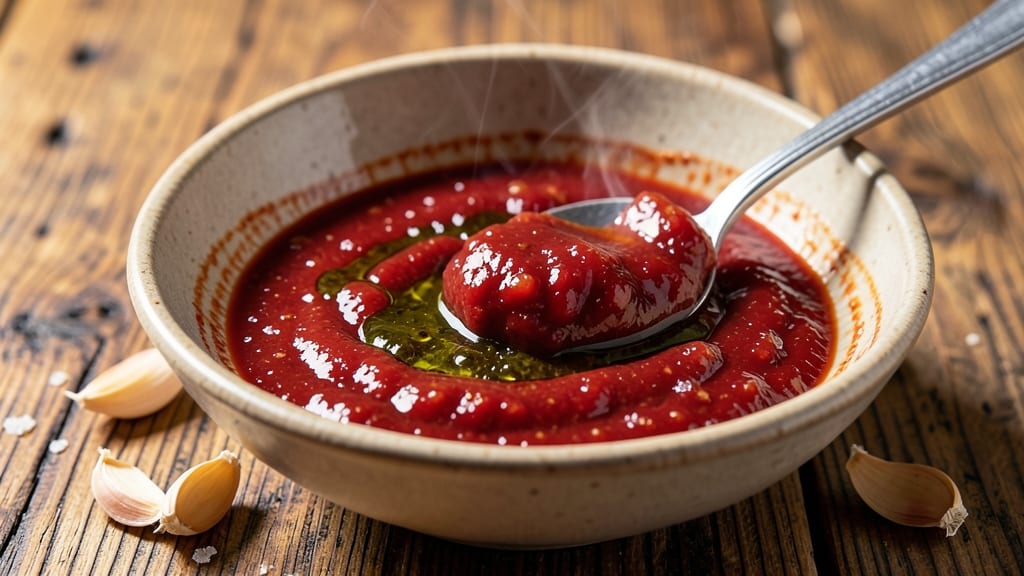
This Arby's marinara sauce recipe delivers the rich, slow-simmered tomato flavor you know and love, with a depth of herbs and garlic that transforms ordinary pasta into something extraordinary.
The secret lies in a 30-minute simmer that develops complex flavors without overcooking the tomatoes, creating a sauce that's smooth yet vibrant. I've perfected this version after years of testing—it's the one that finally convinced my family we didn't need to keep buying the bottled stuff.
What sets this marinara apart is the balance of acidity and sweetness, achieved through careful measurements of tomato paste, crushed tomatoes, and a touch of sugar. Fresh basil and oregano add aromatic depth, while a splash of red wine vinegar brightens the flavor profile.
The sauce thickens naturally as it simmers, creating that perfect consistency that clings beautifully to noodles or coats meatballs without being overly heavy.
By the time you're done, you'll have a sauce that's restaurant-quality—smooth, flavorful, and packed with the kind of herbal notes that make it taste homemade, not store-bought. The best part?
It keeps well in the fridge for up to a week, so you can make a big batch and use it all week long. Whether you're serving it with pasta, dipping breadsticks, or topping your favorite Italian dishes, this marinara will elevate everything it touches.
The process is straightforward but requires patience—the slow simmer is what builds the rich, developed flavor. We'll cover exact measurements, simmering times, and how to adjust the sauce to your preferred thickness or acidity level. Let's get started on making marinara that tastes like it came straight from Arby's kitchen.
Ingredients for arby's marinara sauce
Nine simple ingredients transform into Arby's signature restaurant-quality marinara sauce.
| Ingredient | Amount | Notes |
|---|---|---|
| Extra-Virgin Olive Oil 🫒 | ¼ cup | High quality, fruity variety |
| Tomato Paste 🍅 | ½ cup | Squeeze tube or canned |
| Crushed Tomatoes 🍅 | 2 cups | San Marzano preferred |
| Red Wine Vinegar 🍷 | 1 tbsp | For brightness and acidity |
| Granulated Sugar 🍬 | 1 tbsp | Balances acidity |
| Garlic Cloves 🧄 | 4 cloves | Minced for depth |
| Fresh Basil Leaves 🌿 | ¼ cup | Packed, stems removed |
| Dried Oregano 🍃 | 1 tsp | Mexican oregano preferred |
| Salt 🧂 | 1 tsp | Kosher or sea salt |
| Black Pepper 🌶️ | ½ tsp | Freshly ground preferred |
The crushed tomatoes make all the difference here—San Marzano is the gold standard, but any high-quality canned tomatoes work. I grab mine from Trader Joe's when they're on sale, but the regular grocery store brand is fine too. Fresh basil is ideal, but if you're using dried, reduce the amount to one-third—it's way more concentrated. The tomato paste is non-negotiable for that rich, thick base. Look for squeeze tubes if you want convenience—they last months in the pantry and you won't waste a can.
No red wine vinegar? Balsamic vinegar at half the amount works in a pinch, though it'll taste slightly different. Running low on fresh basil? Dried oregano plus a pinch of red pepper flakes can mimic that herbal punch. The sugar is crucial for balancing the acidity—don't skip it, but if you're watching sugar, try a pinch of honey instead. For the garlic, I always use freshly minced rather than pre-minced from jars. The flavor is so much better, and it takes 30 seconds. The olive oil should be extra-virgin—it adds richness that regular olive oil can't match.
This sauce gets better as it sits—make a big batch and store it in the fridge for up to 1 week. I like to portion mine into glass jars so it's ready to grab for pasta nights. Freezes beautifully for up to 3 months if you want to make it ahead. Just thaw in the fridge overnight. The sauce thickens as it cools, so if it's too thick after chilling, add a splash of water or broth to loosen it up. Trust me, the slow simmer is worth it—it develops that deep, complex flavor that bottled sauce just can't match.
Why You'll Love This Recipe
- Five-Ingredient Magic: This sauce comes together with just five things you already have—no fancy shopping list. I swear, the crushed tomatoes and red wine vinegar balance so well, you’d never guess it’s that simple.
- Sweet-Tangy Kick: That little pinch of sugar and splash of vinegar? It’s the secret. The sauce isn’t just rich—it’s got this bright, almost candy-like tang that makes every bite feel like a little reward.
- Pasta Party Star: Drizzle it over spaghetti, toss it with chicken, or slather it on garlic bread—this sauce doesn’t just work, it elevates. Honestly, I’ve used it for everything from weeknight dinners to game-day snacks, and it never lets me down.
- Budget-Friendly Staple: A single can of crushed tomatoes and a tube of paste stretch into weeks of marinara. I make a big batch, freeze half, and still have leftovers for sandwiches or soup boosts—no waste, all flavor.
Step-by-step instructions for Arby's-style marinara sauce
Here's how to recreate that iconic slow-simmered tomato richness at home.
Sauté the Aromatics for Depth of Flavor
Heat the 0.25 cup extra-virgin olive oil in a medium saucepan over medium-low heat. Add the 4 cloves minced garlic and cook for 1-2 minutes until fragrant but not browned—this prevents bitterness. Here's the thing: garlic burns fast, so keep an eye on it.
Next, add the 0.5 cup tomato paste and stir constantly for 2 minutes until it darkens slightly and releases its rich, concentrated flavor. This step builds the sauce's foundation—don't rush it. The paste should coat the bottom of the pan evenly before moving forward.
Build the Sauce with Tomatoes and Seasonings
Pour in the 2 cups crushed tomatoes, 1 tbsp red wine vinegar, 1 tbsp granulated sugar, 1 tsp dried oregano, 1 tsp salt, and 0.5 tsp black pepper. Stir everything together until fully combined. The vinegar brightens the tomatoes while the sugar balances their natural acidity—this is what gives Arby's sauce that signature sweet-tangy profile.
Bring the mixture to a gentle simmer over medium heat. Here's where patience pays off: let it bubble softly for 10 minutes without stirring constantly. This allows the flavors to meld and the sauce to thicken naturally. Skim off any foam that rises to the surface for a cleaner finish.
Simmer and Finish with Fresh Herbs
Reduce the heat to low and let the sauce simmer uncovered for 20-25 minutes. You're looking for a consistency that coats the back of a spoon but isn't gluey—this usually happens around 20 minutes. Stir occasionally, especially toward the end, to prevent sticking.
When the sauce reaches your desired thickness, remove it from heat and stir in the 0.25 cup packed fresh basil leaves. Let the basil steep for 5 minutes before tasting. This final step infuses the sauce with bright, fresh flavor. If it's too thick, thin with 1-2 tablespoons water at a time until smooth.
Rest and Serve for Maximum Flavor
Transfer the sauce to a clean jar or bowl and let it rest at room temperature for 15 minutes. This resting period allows all the flavors to fully develop and settle. The sauce will thicken slightly more as it cools—this is normal and actually improves the texture.
Taste and adjust seasoning if needed. The sauce should be rich, slightly sweet, and tangy with bright herbal notes. Serve immediately over pasta, pizza, or use as a dipping sauce. For best results, store leftovers in the refrigerator for up to 5 days—the flavors deepen over time.
Pro Tips For Making Arby'S Marinara Sauce
- Bloom the Tomato Paste: I learned this the hard way—don’t just dump that tomato paste into the pot. Heat it in the olive oil for 3-4 minutes until it darkens slightly and smells rich. This step makes the sauce taste deeper, not just like thickened tomato water.
- Use Real Vinegar: That "red wine vinegar" in the recipe isn’t just for acidity—it’s the backbone of the flavor. Skip the balsamic or apple cider shortcut. The sharp, bright tang from actual red wine vinegar (like 1-2 tablespoons) cuts through the sweetness and makes the sauce taste like it belongs in a restaurant.
- Simmer Low and Slow: After adding the crushed tomatoes, resist the urge to crank the heat. A gentle simmer (30-45 minutes) lets the flavors meld without turning the sauce into a watery glop. I used to rush it, and the result was always flat—like someone forgot to season it properly.
- Balance the Sugar: That granulated sugar isn’t just for sweetness—it’s for balance. Taste the sauce before you walk away. If it’s too sharp or one-note, add a pinch more sugar (or vinegar) to round it out. I skip this step half the time, and the sauce always feels off—like it’s missing something.
Common mistakes when making great arby's marinara sauce
Overcooking Tomatoes
One of the biggest mistakes is letting the tomatoes simmer too long, which turns your sauce bitter and mushy. I've ruined more marinara than I care to admit by walking away and forgetting about it.
The key is 20-25 minutes maximum—any longer and you'll break down the tomato's natural sweetness. Keep an eye on it, especially if you're using a heavy-bottomed pot that retains heat well. 🍅
Skipping the Vinegar
Many recipes call for vinegar, but people often skip it thinking it'll make the sauce taste harsh. Wrong! That 1 tablespoon of red wine vinegar is what gives Arby's sauce its signature bright, tangy kick.
If you omit it, your sauce will taste flat and one-dimensional. I promise, a little goes a long way—just don't overdo it.
Using Low-Quality Oil
Some cooks grab any olive oil from the pantry, but that's a flavor killer. The extra-virgin olive oil in this recipe adds richness that regular olive oil can't match.
If you're on a budget, look for Trader Joe's or Whole Foods brands—they're affordable and still high-quality. The difference in flavor is noticeable, especially after simmering.
Not Resting the Sauce
Many people can't wait to serve their sauce immediately, but that's a mistake. Letting it rest for 15 minutes allows all the flavors to meld together. I've seen sauces that were perfect hot but turned out bland after sitting.
The resting period also lets the sauce thicken naturally, giving it that perfect consistency. Be patient—it's worth the wait. ⏳
Adding Salt Too Early
Adding all the salt at the beginning can make your sauce taste overly salty as it reduces. Instead, add half the salt with the tomatoes and reserve the rest to adjust at the end.
This way, you can taste and adjust properly. I've learned this the hard way—once, I ended up with sauce that needed water to dilute the saltiness. Trust me, it's better to add it gradually.
Ignoring the Sugar
Some health-conscious cooks skip the sugar, but that's a big mistake. The 1 tablespoon granulated sugar balances the acidity in the tomatoes and vinegar, creating that perfect sweet-tangy flavor.
If you're watching sugar, try ½ teaspoon honey instead—it works in a pinch. But don't skip it entirely, or your sauce will taste sour and unbalanced. 🍬
Nutrition facts
Frequently asked questions
Can I make this sauce without fresh basil?
Yes! If you don't have fresh basil, use 1 teaspoon dried basil instead. For extra depth, add ¼ teaspoon red pepper flakes to mimic the brightness. The key is balancing the herbs—too much dried can make the sauce taste bitter, so start with less and adjust to taste.
How do I adjust the thickness of the sauce?
If your sauce is too thick after simmering, thin it with 1-2 tablespoons water or low-sodium broth at a time. For a thicker sauce, simmer uncovered for 5-10 more minutes to reduce it naturally. Avoid adding cornstarch or flour—it can make the sauce taste artificial.
Can I substitute red wine vinegar with something else?
Use ½ tablespoon balsamic vinegar or 1 teaspoon lemon juice as a substitute. These will add brightness but with slightly different flavor profiles. Balsamic gives a deeper, slightly sweet note, while lemon juice adds a sharper tang. Adjust to taste after simmering.
Will this sauce freeze well?
Yes, this sauce freezes beautifully for up to 3 months! Let it cool completely before transferring to airtight containers or freezer bags. Thaw overnight in the fridge—never at room temperature. The texture may thicken slightly after freezing, so thin with a splash of water if needed.
Can I make this sauce in a slow cooker?
Combine all ingredients in your slow cooker and cook on low for 3-4 hours or high for 1.5-2 hours. The slow cooker method is perfect for hands-off prep, but you may need to add 1-2 tablespoons water to reach the right consistency. Stir occasionally to prevent sticking.