
Sauces & Condiments
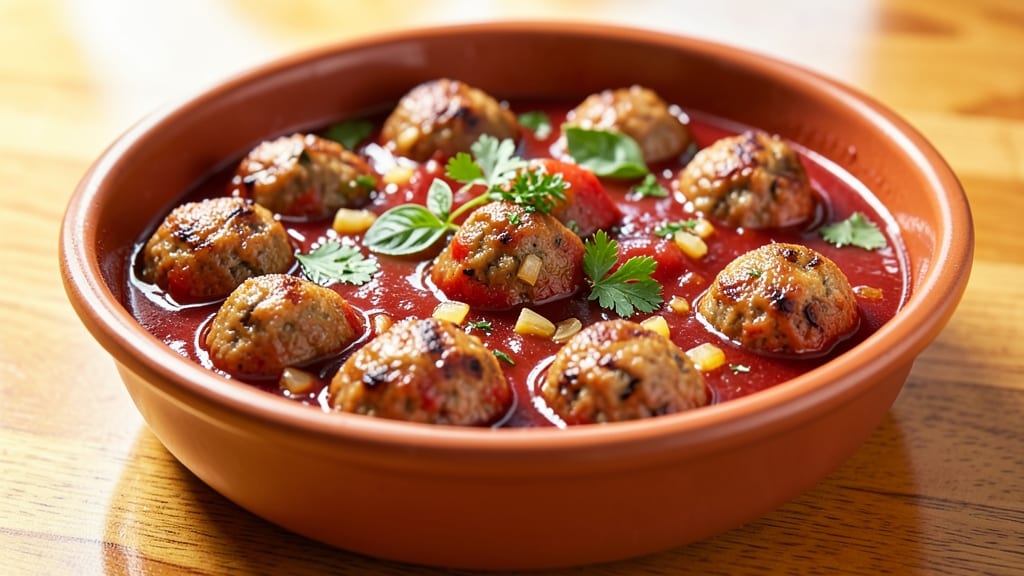
This basic meatball sauce recipe delivers deep, slow-simmered flavor without the mess of splattering oil. 🌟 The secret lies in a balanced blend of canned tomatoes, aromatic herbs, and a touch of sweetness that enhances the richness—no fancy ingredients, just reliable results every time.
Perfect for pairing with homemade or store-bought meatballs, this sauce builds complexity through patience, not shortcuts.
What sets this sauce apart is its versatility—it works as a simple tomato base or as a luxurious finishing touch when enriched with cream or a splash of red wine. The key technique?
Simmering low and slow, which allows the flavors to meld and develop that signature depth you’d expect from a restaurant-quality dish. No need for complicated steps or expensive ingredients, just time and attention to detail.
The result is a smooth, velvety sauce with a perfect balance of acidity and sweetness, where the tomatoes break down into a rich, glossy consistency. The herbs and garlic infuse the sauce with layers of flavor, while a pinch of sugar and a splash of vinegar brighten the taste.
This is the kind of sauce that makes every bite of your meatballs feel like a restaurant-worthy experience.
Once you’ve mastered this foundational recipe, you can easily adapt it with variations like adding mushrooms, spinach, or even a sprinkle of Parmesan for extra richness. Store it in the fridge for up to a week or freeze it for longer shelf life—because great sauce is worth making ahead.
Let’s get started on creating something truly special.
Ingredients for basic meatball sauce
Eleven simple ingredients transform into restaurant-quality meatball sauce through patience and technique.
| Ingredient | Amount | Notes |
|---|---|---|
| Canned San Marzano Tomatoes 🍅 | 2 cups | Crushed by hand for texture |
| Extra-Virgin Olive Oil 🫒 | ½ cup | High-quality, fruity variety |
| Yellow Onion 🧅 | 1 whole | Finely diced, about 1 cup |
| Garlic Cloves 🧄 | 4 cloves | Minced for aromatic depth |
| Fresh Basil Leaves 🌿 | ½ cup | Packed, stems removed |
| Fresh Parsley 🌿 | ¼ cup | Chopped, for brightness |
| Dried Oregano 🍃 | 1 tsp | Mediterranean variety preferred |
| Granulated Sugar 🍚 | 1 tbsp | Balances acidity |
| Red Wine Vinegar 🍷 | 1 tbsp | For acidity contrast |
| Sea Salt 🧂 | 1 ½ tsp | Diamond Crystal preferred |
| Black Peppercorns 🌶️ | ½ tsp | Freshly cracked |
The tomatoes form the sauce's foundation, so San Marzano is worth seeking out—their sweetness and low acidity create a velvety texture. Whole peeled cans from Trader Joe's or Italian markets are ideal; crush them by hand for that handmade texture. For the herbs, fresh basil and parsley make all the difference—farmers' market bundles stay vibrant longer than grocery store bunches. The olive oil should be fruity and peppery, not mild; California Extra Virgin brands like Corto or Lucini elevate the dish without overpowering.
No fresh basil? Dried at one-third the amount works, though it lacks complexity. Substitute red wine vinegar with balsamic for depth, though it'll darken the sauce. The sugar can be swapped for honey (reduce by half), but keep it minimal—this isn't a dessert. For a richer finish, stir in 2 tbsp heavy cream at the end, or deglaze with 1/4 cup dry red wine instead of water. The onions should caramelize slightly before adding tomatoes, so don't rush this step—10 minutes of low heat builds flavor that can't be rushed.
This sauce develops better with time, so simmer uncovered for 45 minutes to thicken properly. Store in airtight containers with a thin layer of olive oil on top to preserve freshness. Keeps 5-7 days refrigerated or 3 months frozen. Portion into ice cube trays before freezing for easy single-use servings—perfect for quick weeknight meals when you're short on time.
Why You'll Love This Recipe
- One-Pot Magic: I swear by this sauce—just chop an onion, crush a few garlic cloves, and dump in the tomatoes. No fancy gadgets, no stress, just pure simplicity that actually tastes like you put in effort.
- Tomato-Garlic Bliss: That San Marzano juice? It’s the secret weapon—sweet, rich, and bright. Add a glug of olive oil and fresh basil, and suddenly, you’ve got a sauce that’s ridiculously good without trying too hard.
- Leftovers for Days: Make a big batch, and you’ll eat it for a week. Toss it over pasta, serve it with grilled meatballs, or even freeze it for lazy nights. It’s my go-to when I don’t want to cook but still crave something hearty.
- Budget-Friendly Staple: Onions, garlic, and canned tomatoes? Check. Fresh basil? A handful from the garden or store. This sauce costs next to nothing but tastes like a restaurant dish. Honestly, it’s the kind of recipe that makes me feel like a genius.
Step-by-step instructions for slow-simmered meatball sauce
Here's how to build a deep, aromatic sauce that clings perfectly to meatballs—no splatter, no fuss.
🍳 Step 1: Sauté Aromatics Until Deeply Fragrant
Heat the 0.5 cup extra-virgin olive oil in a heavy-bottomed saucepan over medium-low heat. Add the finely diced yellow onion and cook for 8-10 minutes until completely translucent and beginning to caramelize at the edges. This slow cook ensures sweetness without browning.
Add the 4 minced garlic cloves and stir for 30 seconds until you can smell their pungent aroma filling the kitchen. Here's the thing—don't let them brown or they'll turn bitter. Remove the pan from heat for 1 minute to cool slightly, then return to medium heat before adding the tomatoes. This prevents scorching when the acid hits.
🥘 Step 2: Build the Sauce Base with Tomatoes and Acid
Pour in the 2 cups crushed San Marzano tomatoes, stirring to combine with the aromatics. Add the 1 tbsp red wine vinegar and 1 tbsp granulated sugar—this balance creates the signature sweet-tart profile. Bring to a gentle simmer (small bubbles at the edges) and cook uncovered for 15 minutes, stirring occasionally.
During this time, the tomatoes will break down and release their natural sweetness. You'll see the sauce thicken slightly and develop a glossy sheen. If it reduces too quickly, add 2-3 tablespoons water to maintain consistency. This is where the sauce's depth begins to develop—don't rush this stage.
🔥 Step 3: Season and Simmer for Richness
Add the 1.5 tsp sea salt, 0.5 tsp freshly cracked black peppercorns, and 1 tsp dried oregano. Stir well to distribute the seasoning evenly. Return to a simmer and cook uncovered for 20-25 minutes, stirring occasionally. The sauce should reduce by about 25%—it should coat the back of a spoon but still be pourable.
Here's where patience pays off: let the sauce bubble gently without vigorous boiling. This slow reduction concentrates the flavors and creates that signature meatball sauce texture. If you see foam forming, skim it off with a spoon—it contains bitterness you don't want in your final sauce.
👨🍳 Step 4: Finish with Fresh Herbs
Remove the sauce from heat. Stir in the 0.5 cup fresh basil leaves and 0.25 cup chopped fresh parsley. Let the herbs steep for 5 minutes—this infuses their bright flavors without overpowering the tomato base. Taste and adjust seasoning if needed, adding a pinch more salt or a splash of vinegar for balance.
The sauce should be vibrant red with visible herb flecks and a glossy finish. For best results, use the sauce immediately with warm meatballs. If storing, let it cool completely before refrigerating in an airtight container for up to 5 days, or freeze for 3 months. The flavors actually improve with time as they meld together.
Pro Tips For Making Basic Meatball Sauce
- Sweat the Onion First: I learned this the hard way—skipping the sweat step means your sauce will taste raw and bitter. Dice the onion small, cook it in olive oil over medium-low heat for 8-10 minutes until it’s translucent and just starting to caramelize. No need to brown; you’re building flavor, not making caramel.
- Crush the Garlic: Minced garlic burns in seconds. Instead, smash 3-4 cloves with the flat side of your knife, peel them, and let them sit in the warm oil for 30 seconds before stirring. This mellows the flavor and keeps it from turning acrid—especially important when you’re balancing it with sweet tomatoes.
- Simmer, Don’t Boil: After adding the tomatoes, reduce the heat to the lowest setting that keeps a gentle bubble. Boiling scalds the basil and makes the sauce taste flat. A 30-minute simmer at this temperature lets the acidity mellow and the flavors meld—no stirring required after the first 5 minutes.
- Add Basil Late: Tossing in basil at the start turns it to mush. Instead, tear a handful of leaves and stir them in only during the last 5 minutes of cooking. If you’re using dried basil, halve the amount and add it with the tomatoes—just don’t skip the fresh if you can.
Serving suggestions for leftovers
Meatball Pairings
Serve your rich meatball sauce with homemade meatballs (about 12-15) for a classic Italian experience. I like to use a mix of ground beef and pork for juiciness, seasoned with 1 tsp Italian seasoning and ½ cup breadcrumbs.
The sauce clings beautifully to their exterior, creating that perfect balance of textures. 🌟
Side Dish Ideas
A simple creamy polenta or buttery egg noodles makes this sauce shine. For polenta, cook 1 cup polenta in 4 cups milk with 2 tbsp butter until thick.
The sauce's acidity cuts through the richness perfectly. For noodles, try fettuccine or pappardelle—their wide surfaces hold the sauce like a hug.
Bread for Dipping
No Italian meal is complete without bread! Warm crusty ciabatta or garlic bread on the side lets everyone dip in the sauce. I toast slices with 2 tbsp olive oil and 1 minced garlic clove, then sprinkle with ½ tsp dried parsley.
The contrast of crispy bread and velvety sauce is pure magic. ✨
Cheese Toppings
Add a sprinkle of freshly grated Parmesan or Pecorino Romano right before serving to elevate the dish. For extra richness, stir in 2 tbsp heavy cream at the end or top with mozzarella pearls that melt into the sauce.
A pinch of red pepper flakes adds a kick for those who love heat.
Wine Pairings
A glass of Chianti or Sangiovese complements the sauce's acidity and tomato depth. For something lighter, try a Pinot Grigio—its crispness balances the richness. Avoid heavy reds like Cabernet, as they can overpower the delicate herbs. 🍷
Make-Ahead Tips
Double the sauce and store it in the fridge for up to 5 days or freeze for 3 months. Portion into ice cube trays for easy single-use servings—just pop one into a pan with a splash of water to reheat.
The flavors actually deepen over time, making this the perfect make-ahead sauce for busy weeks.
Nutrition facts
Frequently asked questions
Can I use regular canned tomatoes instead of San Marzano?
Yes, but expect a slightly different flavor profile. Regular tomatoes work fine for a basic sauce, though they may have more acidity and less natural sweetness. For best results, choose high-quality crushed tomatoes without added salt or preservatives. If using regular tomatoes, you might need to add an extra ½ tsp sugar to balance the acidity.
How do I prevent the sauce from getting too thick?
Add 2-3 tablespoons water or broth while simmering if the sauce reduces too quickly. The ideal consistency should coat the back of a spoon but still be pourable. If you accidentally over-reduce it, simply stir in a splash of warm water or broth to reach your desired thickness.
Can I make this sauce in a slow cooker?
Combine all ingredients in your slow cooker and cook on low for 4-5 hours or high for 2-3 hours. The slow cooker's gentle heat will create the perfect depth of flavor. Just stir occasionally and add water if needed to maintain consistency.
What can I do with leftover sauce?
Leftover sauce is incredibly versatile! Use it as a pasta sauce, marinara for pizza, or even a dip for garlic bread. Freeze portions in ice cube trays for easy single-use servings later. The sauce also reheats beautifully—simmer gently on the stove or microwave until hot.
Why does my sauce taste bland after simmering?
This usually happens from insufficient seasoning or not enough reduction time. Taste as you go and adjust with salt, pepper, or a splash of vinegar. For extra depth, add a pinch of red pepper flakes or a splash of red wine while simmering. Always let the sauce reduce for at least 30 minutes to concentrate flavors.