
Sauces & Condiments
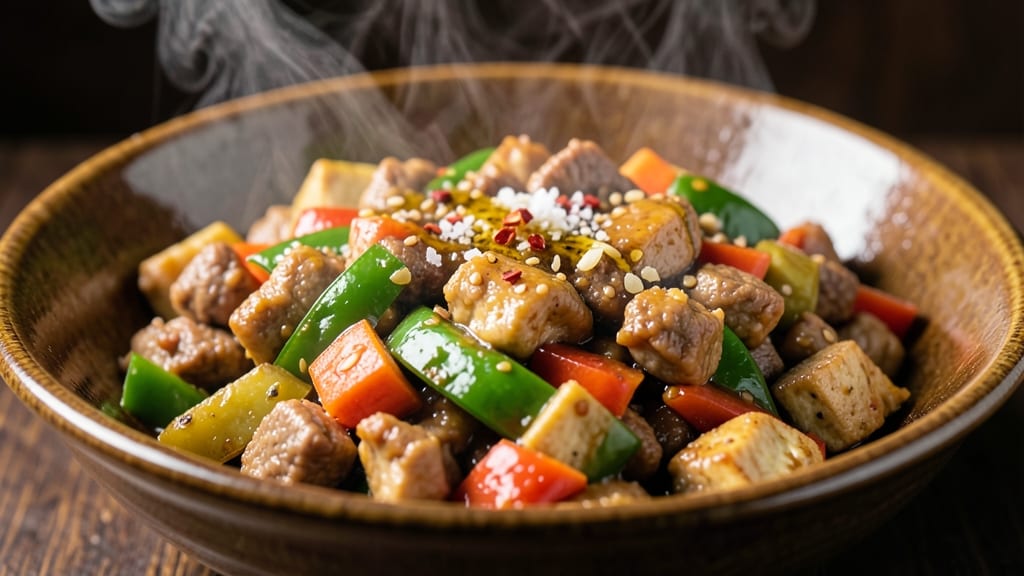
This all-purpose stir-fry sauce transforms any home-cooked meal into restaurant-quality dining with just 10 minutes of prep time. The secret lies in balancing umami-rich soy sauce with fresh garlic, ginger, and a touch of sesame oil—creating a sauce that works with everything from chicken and beef to tofu and vegetables.
I developed this recipe after years of testing stir-fry techniques, and it’s become my go-to for quick weeknight dinners and meal prep.
The foundation of this sauce is simple: soy sauce, rice vinegar, and a hint of sweetness from honey or brown sugar. Fresh garlic and ginger add depth, while sesame oil brings that signature nutty aroma.
The beauty of this recipe is its versatility—adjust the sweetness, spice, or saltiness to match your taste, and it’s ready to elevate any stir-fry, noodle dish, or even grilled proteins. No complicated techniques, just bold flavor.
What makes this sauce stand out is its long shelf life—it keeps in the fridge for up to 2 weeks or freezes beautifully for months. Whether you're cooking for one or a crowd, this sauce delivers restaurant-quality results without the fuss.
The key is letting the flavors meld while you cook, so every bite is packed with that perfect balance of savory, tangy, and slightly sweet notes.
Use it as-is for a classic stir-fry or get creative with variations—add a splash of lime for brightness, a dash of chili paste for heat, or a spoonful of peanut butter for richness. The possibilities are endless, and the prep is effortless. Let’s make this sauce your new kitchen essential!
Ingredients for all purpose stir fry sauce
Ten simple ingredients transform any stir-fry into restaurant-quality dining in minutes.
| Ingredient | Amount | Notes |
|---|---|---|
| Soy Sauce 🍶 | ½ cup | Light or dark variety preferred |
| Rice Vinegar 🍶 | ¼ cup | Seasoned preferred for depth |
| Honey 🍯 | ¼ cup | Or brown sugar for vegan option |
| Sesame Oil 🫒 | 1 tbsp | Toasted sesame oil for aroma |
| Garlic Cloves 🧄 | 4 cloves | Freshly minced for potency |
| Fresh Ginger 🌿 | 1 tbsp | Grated, not powdered |
| Cornstarch 🌾 | 1 tbsp | For thickening consistency |
| Red Pepper Flakes 🌶️ | 1 tsp | Adjust for heat preference |
| Sea Salt 🧂 | ½ tsp | Diamond Crystal preferred |
| Black Pepper 🌶️ | ¼ tsp | Freshly cracked for flavor |
The soy sauce is your flavor foundation—Kikkoman or La Choy are my go-tos, but any good-quality brand works. For that signature umami punch, use both light and dark soy sauce if you're feeling fancy. The ginger and garlic? Fresh is non-negotiable here—powdered just won't cut it. I always grab ginger from the Asian market section at Whole Foods or Trader Joe's—it's fresher and more aromatic than the regular grocery store stuff. Toast your sesame oil lightly in the pan before adding it to the sauce—this brings out its nutty aroma without overpowering the other flavors.
No honey? Brown sugar or maple syrup works perfectly—just dissolve it first. Running low on cornstarch? Arrowroot powder at half the amount gives the same silky texture. Want more heat? Add a dash of chili paste or a splash of sriracha. The sauce should coat the back of a spoon but still be pourable—if it's too thick, thin with a splash of water. Too thin? Stir in another half-teaspoon of cornstarch slurry. Pro tip: Make a double batch—it keeps beautifully and you'll always have it on hand for last-minute stir-fries.
This sauce stays fresh for 2 weeks in the fridge, sealed tightly in an airtight container. For longer storage, freeze in ice cube trays—just pop out what you need and thaw quickly. The flavors actually deepen after a few days in the fridge, so make it ahead if possible. I keep a jar in my pantry all the time—it's my secret weapon for quick weeknight meals. If you're prepping for a crowd, scale up the recipe but keep the same ratios—it's that versatile.
Why You'll Love This Recipe
- Five-Ingredient Magic: I swear by this—just soy sauce, vinegar, honey, sesame oil, and garlic. That’s it. No fancy pantry trips, no measuring cups digging into the back of your drawer. Honestly, I’ve made it blindfolded (okay, maybe not, but you get the point).
- Umami Bomb: That first splash of soy sauce and garlic? It’s like a flavor grenade—salty, sweet, nutty, and just enough heat to wake up any stir-fry. The honey rounds it out so it’s never cloying, just pure, addictive balance.
- Weeknight Swiss Army: This sauce is my secret weapon for takeout nights, lazy Sundays, or when my kid’s soccer team needs snacks. Drizzle it over noodles, toss it with pre-cut veggies, or even glaze chicken thighs. It’s the one sauce that does it all without judgment.
- No-Waste Wonder: A little goes a long way, so I make a big batch and keep it in the fridge. Use half now, save half for next week’s stir-fry or even as a quick marinade. And if it lingers too long? Toss it into scrambled eggs—trust me, it works.
Step-by-step instructions for all-purpose stir-fry sauce
This umami-rich sauce comes together in minutes with simple techniques that guarantee perfect balance every time.
Bloom the Aromatics in Sesame Oil
Heat a small saucepan over medium-low heat and add the 1 tablespoon sesame oil. Let it warm for 30 seconds until fragrant—you'll smell that nutty aroma immediately. This step is crucial because it infuses the oil with flavor before adding the other ingredients.
Add the 4 cloves minced garlic and 1 tablespoon grated fresh ginger. Cook for 1-2 minutes until the garlic turns golden and the ginger loses its raw bite. Be careful not to let it brown too much—just until fragrant. Remove from heat immediately to prevent bitterness.
Combine Wet Ingredients
Return the pan to medium heat and add the 0.5 cup soy sauce, 0.25 cup rice vinegar, and 0.25 cup honey. Stir constantly for 2-3 minutes until the mixture begins to simmer and the honey starts to dissolve. You'll notice the sauce thicken slightly as the heat reduces the liquid.
Add the 1 teaspoon red pepper flakes, 0.5 teaspoon sea salt, and 0.25 teaspoon black pepper. Taste the mixture—this is your flavor checkpoint. The sauce should be tangy from the vinegar, sweet from the honey, and salty from the soy sauce. Adjust any component if needed, but aim for balance now to avoid overcorrecting later.
Thicken the Sauce
In a small bowl, whisk together 1 tablespoon cornstarch with 2 tablespoons cold water until smooth. This creates a slurry that will thicken the sauce beautifully. Return the sauce to a gentle simmer and slowly pour in the cornstarch mixture while stirring constantly.
Continue stirring for 1-2 minutes until the sauce reaches your desired consistency—it should coat the back of a spoon but still be pourable. If it thickens too quickly, add 1-2 tablespoons hot water to loosen it. The sauce should be glossy and smooth, with a velvety texture that clings perfectly to stir-fried proteins and vegetables.
Finish and Rest
Remove the sauce from heat and let it cool for 5 minutes. This resting period allows the flavors to meld completely and the sauce to thicken slightly more as it cools. Taste again and make any final adjustments—perhaps a touch more honey for sweetness or a pinch more salt for depth.
Transfer the sauce to a clean jar or airtight container. It will keep in the refrigerator for up to 2 weeks, making it perfect for quick meals. The longer it sits, the more complex the flavors become as the umami develops. Use this versatile sauce on anything from noodles to grilled meats, and you'll never buy store-bought again.
Pro Tips For Making All Purpose Stir Fry Sauce
- MINCE THAT GARLIC: I used to crush garlic cloves in the pan like I was angry at them, and it burned every time. Now I finely mince it with a knife—small enough to dissolve completely into the sauce before adding honey. No more bitter garlic bits ruining the balance.
- WHISK IN STAGES: Pouring all the honey at once? You’ll end up with a gloppy mess. Start with just the soy sauce and rice vinegar, whisk until smooth, then add honey one tablespoon at a time while whisking like you’re trying to win a pie-eating contest. This keeps the sauce silky, not cloying.
- SALT THE SOY FIRST: Your soy sauce might already be salty—check the label. If it’s unsalted, add a pinch of kosher salt to the sauce before mixing. If it’s pre-salted, skip it. I learned this the hard way after over-salting a batch and having to dilute it with extra vinegar.
- TOAST SESAME OIL LAST: Sesame oil smells amazing, but it burns faster than you’d think. Add it only at the very end, right when you’re ready to toss everything together. A few drops are enough—any more and you’ll taste bitter smoke instead of nutty depth. (Yes, even if you’re impatient like me.)
Regional styles of this all purpose stir fry sauce
Asian-Inspired Classic
This sauce is rooted in traditional Chinese stir-fry techniques, where soy sauce, garlic, and ginger form the flavor base. I often use light soy sauce for color and dark soy sauce for depth—just 2 tbsp each in the base recipe.
The addition of toasted sesame oil gives it that authentic nutty aroma, while rice vinegar adds brightness. For extra umami, I sometimes stir in 1 tbsp fish sauce after cooking. 🌶️
Thai-Inspired Sweet-Chili
Transform this sauce into a Thai-inspired version by swapping ½ cup honey for ½ cup coconut sugar and adding 1 tbsp red curry paste (like Maesri) when blooming the aromatics.
Finish with 1 tbsp lime juice and 1 tsp fish sauce for that signature tangy-sweet balance. It pairs perfectly with grilled chicken or tofu.
Japanese Teriyaki Twist
For a teriyaki-style sauce, reduce the soy sauce to ⅓ cup and add 2 tbsp mirin (sweet rice wine) and 1 tbsp sake to the wet ingredients.
Simmer for an extra 2 minutes to let the alcohol cook off. This version works beautifully as a glaze for salmon or shrimp.
Korean Gochujang Fusion
Add 1 tbsp gochujang (Korean chili paste) and 1 tsp sesame seeds for a spicy, fermented kick. I also swap rice vinegar for 1 tbsp apple cider vinegar to enhance the tang. This version is perfect for bulgogi beef or kimchi fried rice. 🌶️
Vegan Adaptation
Skip the honey and use brown sugar or maple syrup instead. Replace soy sauce with tamari (gluten-free option) and add 1 tbsp nutritional yeast for a cheesy, umami boost. This version works with tofu, tempeh, or mushrooms and keeps all the depth of the original. ✨
Nutrition facts
Frequently asked questions
Can I make this sauce without cornstarch?
Yes! If you don't have cornstarch, use 1 tablespoon arrowroot powder or even 1 teaspoon xanthan gum for thickening. For a thicker sauce without starch, simmer the wet ingredients longer (up to 5-7 minutes) until reduced. The texture will be slightly less glossy but still delicious.
How do I adjust the sweetness or spice level?
Start with small adjustments—add ½ teaspoon more honey for sweetness or ¼ teaspoon extra red pepper flakes for heat. Taste as you go! For extra heat, try ½ teaspoon chili paste or a dash of sriracha. If it's too spicy, balance with a splash of rice vinegar or honey.
Can I use this sauce for other dishes besides stir-fry?
This sauce works perfectly as a marinade for grilled chicken, shrimp, or tofu (marinate for 30-60 minutes). Drizzle it over noodles, use it in rice bowls, or even toss it with roasted vegetables. The versatility comes from its balanced flavor profile—umami, tangy, and slightly sweet.
Why did my sauce turn out too thick or too thin?
Too thick? Thin with 1-2 teaspoons hot water while stirring. Too thin? Mix ½ teaspoon cornstarch with 1 teaspoon water, stir into the sauce, and simmer for 1-2 minutes. Pro tip: Always taste the sauce before thickening—it’s easier to fix thinness than over-thickening.
How long can I store this sauce, and can I freeze it?
Store it in an airtight container in the fridge for up to 2 weeks. For freezing, portion into ice cube trays or small containers—it keeps for 3-4 months. Thaw overnight in the fridge or quickly in a bowl of warm water. The flavors actually deepen over time, so it’s perfect for meal prep!