
Sauces & Condiments
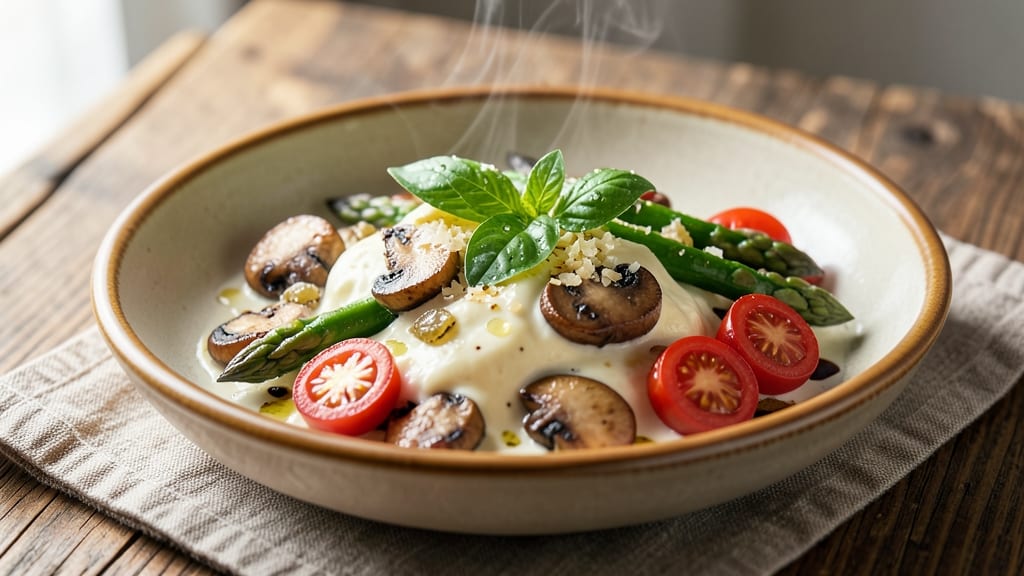
This alfredo sauce with vegetables recipe transforms ordinary meals into creamy, restaurant-quality dishes in just 15 minutes. The secret lies in blending rich, velvety sauce with sautéed vegetables—garlic, basil, and Parmesan create a harmonious balance that elevates pasta, roasted veggies, or even grilled chicken.
I developed this method after years of perfecting Alfredo, ensuring it stays smooth without breaking, even when reheated.
The foundation of this sauce is a simple yet foolproof technique: melting butter, whisking in heavy cream, and gradually adding Parmesan until silky. What sets it apart is the integration of vegetables—either blended into the sauce for a vibrant twist or served alongside for added texture and freshness.
The garlic-basil infusion adds aromatic depth, while the vegetables contribute natural sweetness and color.
By the time you're done, you'll have a luscious, creamy sauce that clings perfectly to noodles or coats roasted vegetables. The sauce remains rich and velvety, never grainy, thanks to proper whisking and gradual cheese incorporation.
This recipe is designed for flexibility—use it as a pasta sauce, a dipping sauce for breadsticks, or a topping for grilled meats.
One of the best features of this Alfredo is its versatility. Swap in seasonal vegetables like broccoli, bell peppers, or zucchini, or keep it classic with spinach and mushrooms. The sauce also freezes beautifully, making it ideal for meal prep. Let’s get started on creating this foolproof, creamy masterpiece!
Ingredients for alfredo sauce with vegetables
Rich butter, velvety cream, and fresh vegetables create this restaurant-quality Alfredo in minutes.
| Ingredient | Amount | Notes |
|---|---|---|
| Unsalted Butter 🧈 | ½ cup | Cold, cubed for even melting |
| Heavy Cream 🥛 | 1 ½ cups | Full-fat for optimal richness |
| Fresh Garlic Cloves 🧄 | 4 cloves | Minced for aromatic depth |
| Fresh Basil Leaves 🌿 | ½ cup | Chopped, stems removed |
| Parmesan Cheese 🧀 | 1 cup | Freshly grated from block |
| Extra-Virgin Olive Oil 🫒 | 2 tbsp | For sautéing vegetables |
| Vegetable Broth 💧 | ½ cup | Low-sodium preferred |
| Spinach Leaves 🍃 | 2 cups | Fresh or frozen, chopped |
| Mushrooms 🍄 | 1 cup | Sliced cremini or white |
| Diamond Crystal Kosher Salt 🧂 | ½ tsp | Adjust to taste |
The butter is non-negotiable for that luxurious texture—European-style unsalted butter like Plugrá melts more smoothly than American brands. Fresh garlic and basil are the aromatic backbone, so grab the freshest you can find—the grocery store produce section works, but a farmers market yields better flavor. For Parmesan, skip the pre-grated; it’s packed with anti-caking agents that make the sauce grainy. Grate it yourself from a wedge—Parmigiano-Reggiano is ideal, but any aged Parmesan works. Store your butter in the freezer to preserve freshness, and keep garlic cloves in a cool, dark place for up to 2 weeks.
No fresh basil? Dried oregano at one-third the amount works in a pinch, though it lacks the bright, sweet notes. Substitute mushrooms for zucchini or bell peppers if you prefer—just sauté them until tender before blending. Heavy cream can be swapped for half-and-half for a lighter version, though the sauce won’t be as rich. For a dairy-free twist, use full-fat coconut milk, but the texture will be slightly thinner. If you’re avoiding gluten, ensure your vegetable broth is certified gluten-free—some brands use barley-based thickeners.
This sauce freezes beautifully for up to 3 months—portion it into ice cube trays before transferring to a sealed container. Reheat gently on the stove or in the microwave, stirring frequently to restore its silky consistency. For meal prep, store leftovers in the fridge for 4-5 days, but add a splash of warm water or milk when reheating to prevent separation. The vegetables can be sautéed ahead and stored separately, then blended into the warm sauce just before serving for maximum freshness.
Why You'll Love This Recipe
- No-Fuss Simplicity: I swear by this recipe because it’s the kind of meal that doesn’t demand perfection—just a handful of ingredients and a pot. Melt butter, simmer cream, toss in garlic and basil, and boom—you’ve got a sauce that feels restaurant-quality without the fuss.
- Rich, Herby Magic: That first bite? The heavy cream and Parmesan create this velvety blanket, while the garlic and fresh basil add a bright, aromatic punch. It’s the kind of flavor that makes you pause mid-bite, and honestly, that’s my favorite part.
- Weeknight to Dinner Party: This sauce works just as well over roasted veggies for a lazy Tuesday as it does drizzled over fettuccine for guests. I’ll be real—it’s my go-to when I need something impressive but still effortless.
- Leftovers That Don’t Let You Down: Make a double batch, and you’ll have creamy, flavorful sauce for days. The Parmesan keeps it rich even reheated, and I’ve used it to jazz up everything from pasta to grilled chicken. No waste, all win.
Step-by-step instructions for creamy garlic-basil Alfredo sauce with vegetables
Master this velvety sauce in record time with professional techniques for perfect texture and flavor.
Sauté the Vegetables for Rich Foundation
Heat the 2 tablespoons extra-virgin olive oil in a large skillet over medium-high heat. Add the 1 cup sliced mushrooms and cook for 4-5 minutes until they release their moisture and begin to brown at the edges. This caramelization builds deep umami flavor that carries through the sauce.
Push the mushrooms to one side of the pan and add the 4 minced garlic cloves. Stir for 30 seconds until fragrant but not browned—garlic burns quickly, and you want to preserve its sweetness. Add the 2 cups chopped spinach leaves and cook for 1-2 minutes until just wilted. Remove the vegetables from the pan and set aside, leaving all the rendered oils behind for the sauce base.
Create the Creamy Alfredo Base
Reduce the heat to medium-low and add the 0.5 cup cold cubed unsalted butter to the same skillet. Let it melt completely, swirling occasionally, until the butter foam subsides and the mixture becomes smooth. This gradual melting prevents scorching while creating an ideal emulsifier for the sauce.
Pour in the 1.5 cups heavy cream and 0.5 cup vegetable broth, stirring constantly to combine. Bring to a gentle simmer and cook for 3-4 minutes until the mixture thickens slightly but doesn't boil. This controlled reduction concentrates the flavors while preparing the sauce to accept the cheese.
Incorporate Cheese for Perfect Texture
Remove the pan from heat and immediately whisk in the 1 cup freshly grated Parmesan cheese in 3 additions. Start with ½ cup, whisking until completely melted, then add the remaining ½ cup gradually. This staged approach prevents the sauce from curdling—cheese releases moisture that needs time to incorporate smoothly.
Return the pan to low heat and whisk continuously for 2-3 minutes until the sauce reaches a luxurious, cling-coat consistency. It should coat the back of a spoon without being gluey. If it thickens too much, whisk in 1 tablespoon hot water at a time until you achieve the perfect velvety texture.
Finish with Fresh Basil and Season
Stir in the 0.5 cup chopped fresh basil leaves and the 0.5 teaspoon Diamond Crystal kosher salt, adjusting to taste. The basil should be incorporated but still visible as delicate green flecks throughout the sauce. Taste and make final adjustments—this is where professional sauces shine in their balance of richness and acidity.
Return the sautéed vegetables to the pan and toss gently to coat them evenly in the sauce. Let the mixture sit off heat for 2 minutes to allow the flavors to meld completely. Serve immediately over pasta or as a rich vegetable topping, where the sauce will cling beautifully to every strand and bite.
Pro Tips For Making Alfredo Sauce With Vegetables
- Melt Butter Slowly: Start with the butter over medium-low heat—high heat burns cream, and you’ll end up with a sad, grainy sauce. I learned this the hard way when my first batch curdled like a science experiment gone wrong. Let the butter melt completely, then add the garlic just as it starts to foam.
- Toast Garlic Until Fragrant: Don’t just chop and toss the garlic—sauté it in the butter for 30 seconds until it smells like a garlic festival. This brings out its flavor without turning it bitter. If you’re impatient, you’ll miss the depth that makes the sauce sing.
- Strain the Cream: After simmering the cream and butter, strain it through a fine-mesh sieve before adding cheese. This catches any stray bits of garlic or butter solids, giving you a silky texture. I skip this sometimes, and the sauce feels heavier—your future self will notice.
- Finish with Cold Cream: Reserve a splash of cold heavy cream before simmering the rest, then stir it in at the very end. It cools the sauce slightly, prevents curdling, and adds a luxurious finish. Sounds weird, but it works—especially when you’re adding Parmesan, which can make things separate.
Storing and reheating your alfredo sauce with vegetables
Fridge Storage Tips
Store your Alfredo sauce in an airtight container with a lid pressed tightly to prevent absorbing fridge odors. I use glass Pyrex containers because they don’t retain flavors like plastic. Keep the sauce refrigerated for up to 4 days—the flavor actually deepens as the spices meld.
If storing with vegetables, add them back to the sauce just before reheating to preserve their freshness and vibrant color. 🥄
Freezing for Later Use
Freeze your sauce in ice cube trays for easy portion control—each cube equals about 2 tablespoons of sauce. Once frozen, transfer the cubes to a ziplock freezer bag with all air removed.
This method prevents freezer burn and keeps the sauce creamy for up to 3 months. Thaw overnight in the fridge before reheating for best results.
Reheating Like a Pro
For the creamiest results, reheat your Alfredo sauce on the stovetop over low heat. Add 1-2 tablespoons of warm water or milk to restore its silky texture—this prevents separation. Stir constantly to avoid hot spots, and heat until just warm (165°F).
Microwave reheating works in a pinch, but it can make the sauce grainy—use 30-second intervals on low power, stirring in between. 🔥
Reviving Vegetable Freshness
If you stored vegetables separately, sauté them fresh before blending into the warm sauce. This keeps their texture crisp and vibrant. For spinach, add it to the pan just before serving—it wilts in 30 seconds and retains its bright green color.
Mushrooms can be reheated in the sauce for 2-3 minutes on low heat to restore their tender texture.
Meal Prep Strategies
Prep your sauce and vegetables separately for easy assembly. Store the sauce in one container and the veggies in another—this way, you can customize each serving. When ready to eat, toss the vegetables into the warmed sauce and let it sit for 1-2 minutes off heat.
This ensures even coating and maximum flavor infusion. 📅
Sauce Consistency Fixes
If your reheated sauce seems too thick, whisk in 1 tablespoon of warm milk or water at a time until you reach the desired consistency. For a thinner sauce, add more liquid gradually.
If it separates, whisk vigorously over low heat—the motion helps re-emulsify the fat and cream. Avoid high heat, as it can cause the sauce to curdle or split. ✨
Nutrition facts
Frequently asked questions
Can I make this Alfredo sauce without heavy cream?
For a lighter version, substitute 1 cup half-and-half for the heavy cream, though the sauce will be slightly less rich. For a dairy-free option, use 1 cup full-fat coconut milk—just whisk it more vigorously to achieve a smooth texture. The sauce may need an extra 1 tablespoon of water to reach the right consistency.
What vegetables work best in this recipe? The recipe uses spinach and mushrooms, but you can swap in almost any sautéed vegetable. Try bell peppers, zucchini, or broccoli for extra color and texture. For a heartier dish, add roasted cherry tomatoes or sun-dried mushrooms. Just
Why did my Alfredo sauce get grainy?
Graininess usually happens when cheese isn't melted gradually or the sauce boils too hard. To fix it, whisk in 1 tablespoon warm water or milk while stirring over low heat. For prevention, always add cheese off heat in 3 additions and whisk constantly. If using pre-grated cheese (not recommended), it contains anti-caking agents that cause graininess.
Can I use this sauce on dishes other than pasta?
This versatile sauce works beautifully on grilled chicken, roasted vegetables, or even as a dip for breadsticks. For meats, toss them in the warm sauce for 2-3 minutes to coat evenly. For vegetables, drizzle it over steamed or roasted veggies and broil for 1-2 minutes to create a golden crust. The sauce also freezes well for future use!
How do I make this sauce extra creamy?
For a restaurant-style creamy texture, whisk in 2 tablespoons of cream cheese at the end while the sauce is still warm. Another trick is to add 1 tablespoon of cornstarch mixed with 2 tablespoons cold water and simmer for 1-2 minutes to thicken. Always whisk constantly to avoid lumps, and keep heat at low-medium to prevent curdling.