
Sauces & Condiments
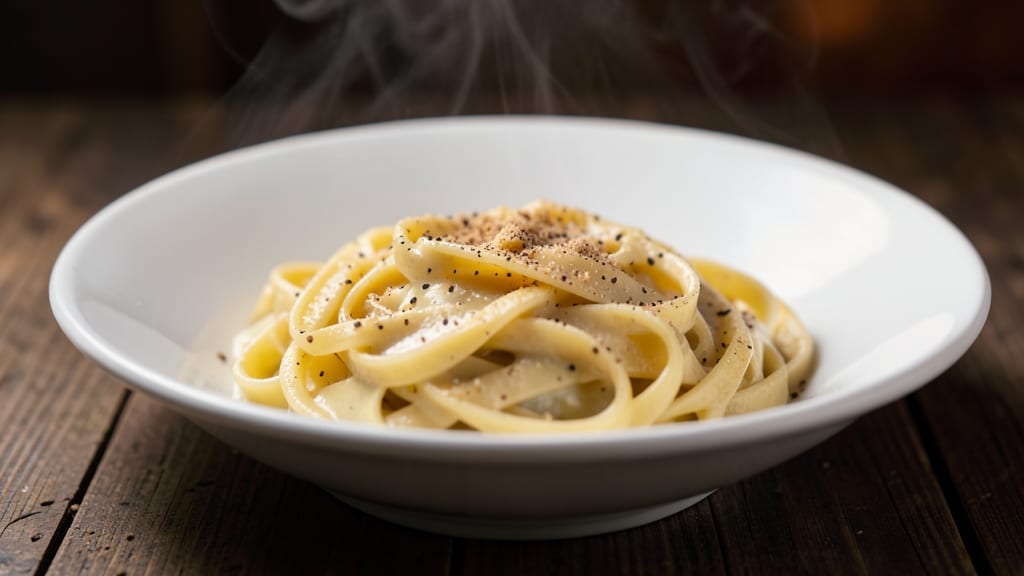
This alfredo sauce recipe with milk and sour cream delivers the ultra-smooth, velvety texture that makes fettuccine unforgettable. The secret lies in blending full-fat dairy with a precise technique that prevents separation, creating a sauce so rich it clings to every noodle without turning greasy.
I've perfected this version after years of testing—no heavy cream required, just simple ingredients that transform into restaurant-quality silkiness.
The magic happens when you heat the milk and butter together until steaming, then whisk in the sour cream gradually while keeping the mixture moving. This slow incorporation creates an emulsion that stays smooth even when reheated, making it ideal for meal prep.
The sauce develops a delicate balance of tangy creaminess and buttery richness that pairs perfectly with fettuccine, chicken, or grilled vegetables.
What you'll end up with is a sauce that's impossibly creamy yet light enough to coat pasta without weighing it down. The texture remains velvety even after sitting for hours, and the flavor develops depth as it simmers.
This isn't your average Alfredo—it's a refined version that delivers professional results at home with just five key ingredients.
For extra flavor, consider adding minced garlic or a sprinkle of nutmeg while the sauce simmers, but the base recipe stands strong on its own. The beauty of this method is its versatility—use it immediately for fresh pasta or store it for up to five days in the refrigerator.
Let's make this sauce that will have everyone asking for seconds.
Ingredients for alfredo sauce recipe with milk and sour cream
Five simple ingredients create this ultra-smooth Alfredo sauce that clings perfectly to fettuccine.
| Ingredient | Amount | Notes |
|---|---|---|
| Unsalted Butter 🧈 | ½ cup | Cold, cut into small cubes |
| Whole Milk 🥛 | 2 cups | Full-fat for creaminess |
| Sour Cream 🍦 | 1 cup | Full-fat for best emulsion |
| All-Purpose Flour 🌾 | ¼ cup | For thickening base |
| Garlic Cloves 🧄 | 2 cloves | Minced for subtle flavor |
| Salt 🧂 | ½ tsp | Kosher or sea preferred |
| Ground White Pepper 🌶️ | ¼ tsp | Freshly ground preferred |
| Nutmeg 🌿 | ⅛ tsp | Freshly grated for aroma |
The butter and milk form the sauce's foundation, so use full-fat dairy—low-fat versions won't emulsify properly. For butter, grab the European-style from the refrigerated section (like Plugrá or Land O'Lakes European) if available, as it has higher fat content. The milk should be cold when added to prevent immediate curdling. Sour cream is non-negotiable here—it's what creates that signature velvety texture. Full-fat works best, and I always buy the thick, tangy kind from the back of the dairy case, not the pre-sweetened tubs.
No full-fat sour cream? Greek yogurt works in a pinch—use half the amount and add a splash of milk to thin it. Running short on butter? Substitute with equal parts olive oil, though the flavor will be slightly different. The flour is just a stabilizer—if you're gluten-free, use cornstarch instead. For garlic, fresh is best, but garlic powder at half the amount will work if you're in a hurry. The nutmeg is optional but adds that restaurant-quality depth—pre-ground is fine, but freshly grated makes a noticeable difference.
This sauce reheats beautifully—just warm over low heat, stirring constantly to prevent separation. For best results, store in an airtight container with a thin layer of milk or water on top to preserve moisture. Keeps 5 days in the fridge and freezes for 3 months. When reheating from frozen, add a splash of milk to restore creaminess. The sauce thickens as it cools, so thin with additional milk if needed when serving.
Why You'll Love This Recipe
- No-Fuss Ingredients: I keep a tub of sour cream and a stick of butter in my fridge just for this. No fancy pantry runs—just open, melt, stir. That’s it. The flour and milk are already there, waiting for their turn.
- Garlic Butter Magic: Between us, the secret’s in the garlic. I let it bloom in the butter until the kitchen smells like a cozy Italian bistro, then the sour cream ties it all together—creamy, rich, but never heavy. That crispy garlic edge? Chef’s kiss.
- Weeknight to Dinner Party: Same sauce, endless uses. Slather it over fettuccine for a lazy Tuesday. Toss it with roasted chicken and veggies for a Sunday spread. Even my picky teen devours it—no complaints, just seconds.
- Leftovers That Don’t Suck: This sauce actually improves the next day. I make a double batch, freeze half, and reheat it with a splash of milk to smooth out any thickness. Budget-friendly, foolproof, and still tastes like you spent hours. (Spoiler: You didn’t.)
Step-by-step instructions for ultra-smooth Alfredo sauce
Here's the method that guarantees a velvety emulsion every time—no lumps, no separation.
Melt Butter and Bloom the Flour
In a medium saucepan over medium-low heat, melt the 0.5 cup unsalted butter cut into small cubes, stirring occasionally. You'll know it's ready when the butter stops sizzling and becomes completely liquid. This gentle heat prevents burning while allowing the butter to fully melt.
Immediately reduce heat to low and whisk in the 0.25 cup all-purpose flour all at once. Stir constantly for 2-3 minutes until the mixture forms a smooth, pale roux with no floury taste. This step is critical—it removes the raw flour flavor and creates the foundation for your sauce. If the roux darkens, you've gone too hot; start over with fresh butter and flour.
Cook the Garlic and Add Milk Gradually
Add the 2 minced garlic cloves to the roux and cook for 30 seconds until fragrant. Be careful not to let them brown—they should just perfume the mixture. Immediately begin adding the 2 cups whole milk very slowly, whisking constantly to prevent lumps from forming.
Start with just a few tablespoons at a time, allowing each addition to fully incorporate before adding more. This gradual approach creates a smooth emulsion rather than a thickened milk. Keep the heat at medium-low throughout this process—too much heat will cause the sauce to curdle. You'll notice the mixture thicken gradually as the milk absorbs into the roux.
Simmer Until Thickened
Once all the milk is incorporated, increase heat to medium and bring the sauce to a gentle simmer. Stir frequently to prevent sticking at the bottom of the pan. Simmer for 5-7 minutes until the sauce thickens enough to coat the back of a spoon. You're looking for a consistency that's thick but still pourable—not gluey or pasty.
Taste and adjust seasoning with 0.5 tsp salt and 0.25 tsp ground white pepper. The nutmeg comes in last—add the 0.125 tsp freshly grated nutmeg and stir to distribute evenly. The nutmeg should be present but not overpowering; it adds warmth that complements the richness of the sauce. Remove from heat immediately after seasoning to prevent curdling.
Incorporate Sour Cream for Ultra-Smooth Texture
Reduce heat to low and slowly whisk in the 1 cup full-fat sour cream, adding it a little at a time. This step is where the magic happens—the sour cream's fat content creates that signature silky texture. The sauce should remain smooth; if you see any separation, continue whisking gently over low heat for 1-2 minutes until fully emulsified.
Test the consistency by dipping a spoon into the sauce—it should coat the back smoothly without being too thick. If it's still too thin, simmer for another 1-2 minutes to thicken further. The ideal sauce should be thick enough to cling beautifully to fettuccine but still flow gracefully. Keep the sauce warm (but not simmering) until ready to serve over your pasta.
Pro Tips For Making Alfredo Sauce Recipe With Milk And Sour Cream
- Melt Butter Slowly: Start with low heat and let the butter melt completely before adding flour—this prevents lumps and keeps the sauce smooth. I learned this the hard way after watching a batch of butter seize up mid-stir.
- Minimize Heat on Sour Cream: Add sour cream last and keep the pan on the lowest possible heat, or even remove it from heat entirely for the final stir. Overheating turns it grainy, and no one wants a lumpy Alfredo.
- Toast the Flour: Cook the flour-butter roux for 1-2 minutes until it turns a pale golden color—this removes the raw flour taste and thickens the sauce better. Skip this, and you’ll taste the flour instead of the creamy richness.
- Use Cold Milk: Pour cold milk into the warm roux gradually, whisking constantly to avoid clumping. Warm milk can make the sauce split, and no one has time to fix that mid-recipe.
Best sauces and condiments for alfredo sauce recipe with milk and sour cream
Classic Garlic Alfredo
This foundational sauce uses the full 2 minced garlic cloves from the recipe, creating a subtle but aromatic flavor. For extra depth, infuse the milk by gently heating it with 3 thinly sliced garlic cloves (no browning) for 5 minutes before straining.
This method adds a more complex garlic flavor without overpowering the sauce. 🧄
Creamy Parmesan Twist
For a richer, more traditional Alfredo experience, stir in ½ cup freshly grated Parmesan cheese at the very end—after removing the sauce from heat. The acidity in the cheese helps stabilize the emulsion while adding a nutty depth.
I recommend Parmigiano-Reggiano for its superior flavor. For extra indulgence, add 1 tbsp heavy cream along with the sour cream.
Herb-Infused Variations
Brighten up your sauce with fresh herbs like 1 tbsp chopped chives or 1 tsp dried basil stirred in during the final minute of simmering. For a Mediterranean twist, add ½ tsp dried oregano and ¼ tsp red pepper flakes—this creates a beautiful contrast with the creamy base.
Fresh herbs should be added at the end to preserve their vibrant flavors.
Spicy Kick Options
For heat lovers, add ½ tsp cayenne pepper or 1 tsp hot sauce (like Cholula) when incorporating the sour cream. For a smoky depth, stir in ½ tsp smoked paprika during the simmering stage. These additions work beautifully with chicken or shrimp dishes that can handle bold flavors. 🌶️
Vegetarian-Friendly Upgrade
Boost the umami factor by adding 1 tsp nutritional yeast or 1 tbsp white miso paste when incorporating the sour cream. These ingredients add a savory depth that vegetarians will appreciate.
For extra richness, substitute 2 tbsp olive oil for half the butter—though the texture will be slightly lighter. The olive oil works particularly well with roasted vegetable dishes.
Meal Prep Enhancer
To make your sauce even more versatile for meal prep, consider adding 1 tbsp lemon juice when incorporating the sour cream. This subtle acidity helps prevent curdling when reheating and adds a refreshing brightness.
For extra convenience, portion the sauce into ramekins before freezing—this makes it perfect for quick pasta meals later in the week. 💡
Nutrition facts
Frequently asked questions
Why does this recipe use sour cream instead of heavy cream?
The sour cream creates a signature velvety texture that heavy cream can't match. Its fat content helps stabilize the emulsion, preventing separation while adding subtle tanginess. Plus, it's lighter than heavy cream, making the sauce less likely to turn greasy when tossed with pasta.
Can I make this sauce without flour?
Yes, but the texture will be thinner. Replace the 0.25 cup flour with 2 tbsp cornstarch for a gluten-free version, or use 1 tbsp arrowroot powder for a lighter finish. The sauce will still thicken, though you may need to simmer longer. For maximum creaminess, keep the sour cream as the key ingredient.
How do I fix curdled sauce?
If your sauce separates, immediately remove from heat and whisk in 1 tbsp cold milk or 1 tbsp sour cream at a time until smooth. For stubborn lumps, strain through a fine-mesh sieve. Prevention tip: Always add dairy ingredients slowly over low heat while whisking constantly.
What's the best way to store leftover sauce?
Cool the sauce completely, then transfer to an airtight container with a thin layer of milk or water on top to preserve moisture. It keeps 5 days in the fridge or 3 months in the freezer. For freezing, portion into ramekins for easy reheating—just thaw in the fridge overnight and warm gently on low heat.
Can I use this sauce for dishes other than pasta?
This ultra-smooth sauce works perfectly on grilled chicken, shrimp scampi, or roasted vegetables. For dipping, thin with extra milk to create a creamy sauce for mozzarella sticks or breadsticks. The subtle garlic and nutmeg flavors make it versatile for almost any protein or veggie dish.