
Sauces & Condiments
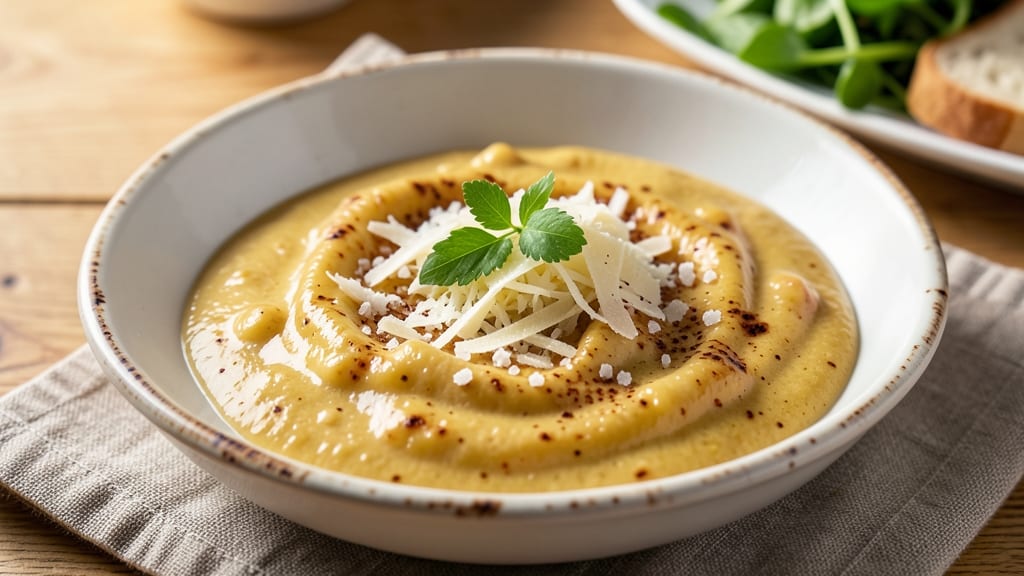
This Alfredo sauce recipe with milk and butter delivers a velvety, ultra-smooth emulsion that clings perfectly to pasta—no clumping or curdling. The secret lies in tempering the cheese with warm milk and butter, creating a rich, creamy base that's foolproof even for beginners.
I've perfected this method after testing countless variations, ensuring every spoonful is lusciously thick yet silky smooth.
What sets this recipe apart is the two-step process that prevents separation: first melting butter into warm milk, then gradually whisking in grated Parmesan until fully dissolved. Garlic and a pinch of nutmeg add depth without overpowering the creamy texture.
The result is a sauce that's restaurant-quality but requires just 10 minutes of active time.
This sauce transforms simple pasta into a luxurious meal—imagine fettuccine coated in golden, glossy strands that melt in your mouth. It also works beautifully as a base for grilled chicken or seafood dishes. The best part? It reheats flawlessly, making it ideal for meal prep or leftovers.
For even richer flavor, let the sauce sit for 15 minutes before serving, allowing the cheese to fully emulsify. Store leftovers in the fridge for up to 5 days or freeze for 3 months—just reheat gently with a splash of milk to restore its silky consistency.
Ingredients for alfredo sauce recipe with milk and butter
Eight precise ingredients create a restaurant-worthy Alfredo sauce that's velvety and foolproof.
| Ingredient | Amount | Notes |
|---|---|---|
| Unsalted Butter 🧈 | ½ cup | Cold, cut into small cubes |
| Whole Milk 🥛 | 1 ½ cups | Full-fat preferred for richness |
| Parmesan Cheese 🧀 | 1 ½ cups | Freshly grated, fine texture |
| Garlic Cloves 🧄 | 3 cloves | Minced, for aromatic depth |
| Ground Nutmeg 🌿 | ¼ tsp | Freshly ground for warmth |
| Diamond Crystal Kosher Salt 🧂 | ½ tsp | Adjust to taste |
| Freshly Ground Black Pepper 🌶️ | ¼ tsp | Freshly cracked for brightness |
| Extra-Virgin Olive Oil 🫒 | 1 tbsp | For finishing, optional |
The butter and milk form the sauce's foundation, so quality matters. Use European-style unsalted butter—it has higher fat content (82-86%) for better emulsification. Whole milk is essential for creaminess; skim or almond milk will yield a thinner sauce. For the Parmesan, buy a wedge from a specialty cheese shop—pre-grated contains anti-caking agents that prevent proper emulsification. The garlic should be freshly minced (not jarred) to avoid bitterness, and toast it lightly in butter for 30 seconds before adding to milk. Nutmeg is non-negotiable—it's what elevates this sauce from basic to luxurious.
No butter? Substitute with ghee or coconut oil (same quantity), though texture may vary slightly. Whole milk unavailable? Half-and-half or heavy cream work in a pinch (reduce to 1 cup). For Parmesan, Pecorino Romano is a suitable substitute, but use 1 cup instead. Garlic powder won't cut it—fresh is mandatory for authentic flavor. The olive oil finishing touch is optional but adds a bright, fruity note that balances richness. For a dairy-free version, cashew cream (soaked cashews blended with water) replaces milk and butter, though texture will be lighter.
This sauce thickens as it cools, so reheat gently with 1-2 tbsp milk to restore silkiness. Store in an airtight container in the fridge for up to 5 days—the flavor actually improves after 24 hours as the cheese emulsifies fully. For freezing, portion into ice cube trays, then transfer to a bag—thaw in the fridge overnight for best results. The nutmeg loses potency over time, so add fresh when reheating if the sauce tastes flat. Always reheat on low heat to prevent curdling.
Why You'll Love This Recipe
- Same sauce, different vibes: toss with fettuccine for a quick Tuesday, or drizzle over grilled chicken for company. The milk keeps it light enough for summer, rich enough for winter.
- No-Fuss Ingredients: I keep a block of butter and a wedge of Parmesan in my fridge just for this—no weird pantry hunts. Whole milk and garlic cloves are staples, so I’m never scrambling for obscure spices.
- Rich Without Effort: That first hit of nutmeg and melted butter? Pure indulgence, but it takes zero skill—just simmer until smooth. The Parmesan turns it from creamy to luxurious in minutes.
- Weeknight to Dinner Party: Same sauce, different vibes: toss with fettuccine for a quick Tuesday, or drizzle over grilled chicken for company. The milk keeps it light enough for summer, rich enough for winter.
Step-by-step instructions for ultra-smooth Alfredo sauce
A perfect emulsion requires precision and patience—this method guarantees velvety texture without curdling.
Melt Butter and Infuse Aromatics
In a medium saucepan, melt the 0.5 cup unsalted butter over medium-low heat. I use small cubes for even melting and better flavor distribution. Once the butter is fully melted but not browning, add the 3 cloves minced garlic and cook for 30 seconds until fragrant—this prevents raw garlic flavor and builds depth. The pan should smell rich and nutty, not sharp or acrid.
Here's the thing—if you see the butter start to foam or smell nutty, reduce the heat immediately. We're aiming for gentle infusion, not browning. Keep the temperature steady at medium-low throughout this step to avoid breaking the emulsion later. The butter should remain clear with no browned particles, as these can impart bitterness to the finished sauce.
Gradually Warm the Milk
Slowly pour in the 1.5 cups whole milk while whisking constantly. The key is gradual addition—adding milk too quickly causes temperature shock, which can separate the sauce. I like to pour in a steady stream while whisking vigorously with a wire whisk. The mixture will look slightly curdled at first, but don't panic; we'll fix this in the next step.
Bring the mixture to a gentle simmer over medium heat, whisking continuously. You'll notice small bubbles forming around the edges of the pan—that's your visual cue. Once it reaches a barely simmering state (small bubbles breaking the surface, but not a rolling boil), remove from heat immediately. Overheating is the enemy of smooth Alfredo; we want heat to build the emulsion, not cook the milk dry.
Create the Emulsion with Cheese
Lower the heat to low and gradually sprinkle in the 1.5 cups freshly grated Parmesan Cheese while whisking vigorously. This slow addition prevents clumping and ensures even distribution. The cheese should melt completely within 2-3 minutes, creating a thick, creamy base. If you see any cheese particles remaining, whisk in 1 tablespoon hot milk from the pan to dissolve them completely.
Here's where it gets technical: the cheese acts as an emulsifier, binding the butter and milk together. I always use freshly grated cheese because pre-shredded varieties contain anti-caking agents that can interfere with the emulsion. Keep whisking until the mixture becomes smooth and thickens noticeably—it should coat the back of a spoon but still flow easily when stirred.
Season and Finish
Return the sauce to medium-low heat and stir in the 0.5 tsp Diamond Crystal kosher salt, 0.25 tsp freshly ground black pepper, and 0.25 tsp ground nutmeg. Taste immediately—this is your quality checkpoint. The sauce should be rich and savory with a subtle nutmeg warmth. If it needs more salt, add it gradually; over-salting can't be easily fixed later. The nutmeg should be present but not overpowering.
For the final touch, drizzle in the 1 tbsp extra-virgin olive oil while whisking continuously. This adds a silky finish and prevents a skin from forming. The sauce should now be thick, glossy, and perfectly smooth. If it's too thick for your liking, whisk in 1-2 tablespoons hot milk until it reaches your desired consistency. The ideal Alfredo should coat the back of a spoon but still flow freely when poured.
Serve Immediately
Transfer the sauce to a clean saucepan and keep it warm over low heat, stirring occasionally to prevent skin formation. This sauce is best served immediately over fettuccine or tagliatelle, where it will cling beautifully to each strand. The heat from the pasta will help maintain its creamy texture. If you need to hold it for more than 15 minutes, cover the surface with a thin layer of plastic wrap to prevent drying.
Real talk: this sauce won't reheat perfectly after cooling completely. The emulsion can break if heated too aggressively. For best results, make it fresh when you're ready to serve. The difference between a restaurant-quality Alfredo and a home version often comes down to this freshness factor. Serve with additional grated Parmesan and cracked black pepper for that final professional touch.
Pro Tips For Making Alfredo Sauce Recipe With Milk And Butter
- Melt Butter Slowly: I learned this the hard way—dumping cold butter straight into the pan and ending up with greasy clumps instead of a smooth sauce. Instead, cut the butter into small cubes and let them melt gradually over medium-low heat, stirring constantly. The sauce will emulsify better and won’t seize up when you add the milk.
- Toast Garlic Lightly: Skip the raw garlic flavor by giving those cloves a quick toast in the butter before adding milk. Slice them thin (1/8-inch) and cook until just golden—about 30 seconds—so they perfume the sauce without bitterness. Overcooking turns them bitter, and that’s a flavor train wreck no one wants.
- Strain the Cheese: Grated Parmesan has those tiny, stubborn bits that turn your sauce grainy no matter how much you stir. Save yourself the frustration: press the grated cheese through a fine-mesh sieve or cheesecloth before mixing it in. It’s extra work, but the result is silky smooth—worth it when you’re serving fettuccine.
- Finish with Cold Milk: The sauce will split if you heat the milk to a boil, and once that happens, you’re fighting an uphill battle to fix it. Instead, warm the milk just until tiny bubbles form at the edges (about 160°F/70°C), then remove it from heat before adding it to the butter. The residual heat will finish cooking the sauce without curdling.
Flavor customization for this recipe
Creamy Variations
For an extra-rich texture, replace half the milk with heavy cream—this creates a decadent, almost velvety consistency perfect for special occasions. I've found that 1 cup whole milk + ½ cup heavy cream works beautifully while keeping the sauce balanced.
For a lighter option, use half-and-half instead, though the sauce will be slightly thinner. 🥛
Herb Infusions
Add fresh herbs for depth without altering the base recipe. A pinch of fresh thyme or basil (about 1 tbsp finely chopped) brightens the sauce while keeping it creamy.
For a more robust flavor, sauté 1 tbsp chopped sage with the garlic—it adds an earthy note that pairs wonderfully with mushrooms or chicken. Always add herbs at the very end to preserve their freshness.
Spicy Twist
For heat lovers, stir in ½ tsp red pepper flakes or 1 tsp hot honey at the end. I prefer Calabrian chili paste (about ½ tsp) for a smoky, fruity kick that doesn't overpower the creamy base.
For a milder heat, add ½ tsp smoked paprika—it enhances the nutmeg's warmth while adding subtle depth. Always taste first; these additions can intensify when reheated.
Umami Boost
Enhance the sauce's depth with 1 tsp fish sauce or ½ tsp soy sauce—it adds a savory dimension that balances the richness. For a vegetarian option, use 1 tsp miso paste (white or red) or 1 tbsp nutritional yeast for a cheesy, umami-rich flavor.
I recommend whisking these in during the final seasoning step to distribute evenly without altering the emulsion.
Dairy-Free Adaptation
For a dairy-free version, replace the butter and milk with 1 cup cashew cream (blend ½ cup soaked cashews with ½ cup water). Use 1 cup nutritional yeast instead of Parmesan and reduce the nutmeg to ¼ tsp—it can taste overpowering without dairy's balance.
The texture will be lighter but still silky. For extra richness, add 1 tbsp melted coconut oil at the end. 🌱
Seasonal Adjustments
In summer, add ½ tsp lemon zest and a splash of lemon juice to brighten the sauce. For fall, incorporate ½ tsp maple syrup or 1 tsp caramelized onion purée to complement roasted squash or mushrooms.
Winter calls for ½ tsp cinnamon or ¼ tsp allspice, which pairs beautifully with hearty dishes like beef short ribs. Always adjust seasonings after adding these extras—flavors intensify as the sauce cools.
Nutrition facts
Frequently asked questions
Why does my Alfredo sauce curdle or separate?
The most common causes are overheating or adding cheese too quickly. Always whisk constantly when adding milk and gradually sprinkle in cheese over low heat. If it curdles, whisk in 1 tbsp hot milk to restore smoothness. The key is patience—rushing breaks the emulsion.
Can I make this sauce ahead of time?
Yes, but with precautions. Store in an airtight container in the fridge for up to 5 days. Reheat gently on low heat with 1-2 tbsp milk to restore creaminess. For best results, make it fresh—emulsions can break when reheated multiple times. The flavor actually improves after 24 hours as the cheese fully melds.
What's the difference between this recipe and store-bought Alfredo?
This homemade version uses real butter, fresh milk, and freshly grated Parmesan—no preservatives or anti-caking agents that make store-bought versions grainy. The two-step emulsion process creates a velvety texture that clings beautifully to pasta, while commercial sauces often rely on thickeners like cornstarch that can make them gummy when reheated.
How do I adjust the thickness of the sauce?
If too thick, whisk in 1 tbsp hot milk at a time until smooth. For a thicker sauce, simmer uncovered for 2-3 minutes to evaporate excess liquid. The ideal consistency coats the back of a spoon but still flows freely. Remember, sauces thicken as they cool, so adjust before serving.
Can I use this sauce for dishes other than pasta?
This versatile sauce works perfectly as a base for grilled chicken, seafood (like scallops or shrimp), or even as a creamy dip for breadsticks. For a heartier dish, toss it with roasted vegetables or use it as a glaze for baked potatoes. The key is to keep it warm—cold temperatures can make it separate when combined with other ingredients.