
Sauces & Condiments
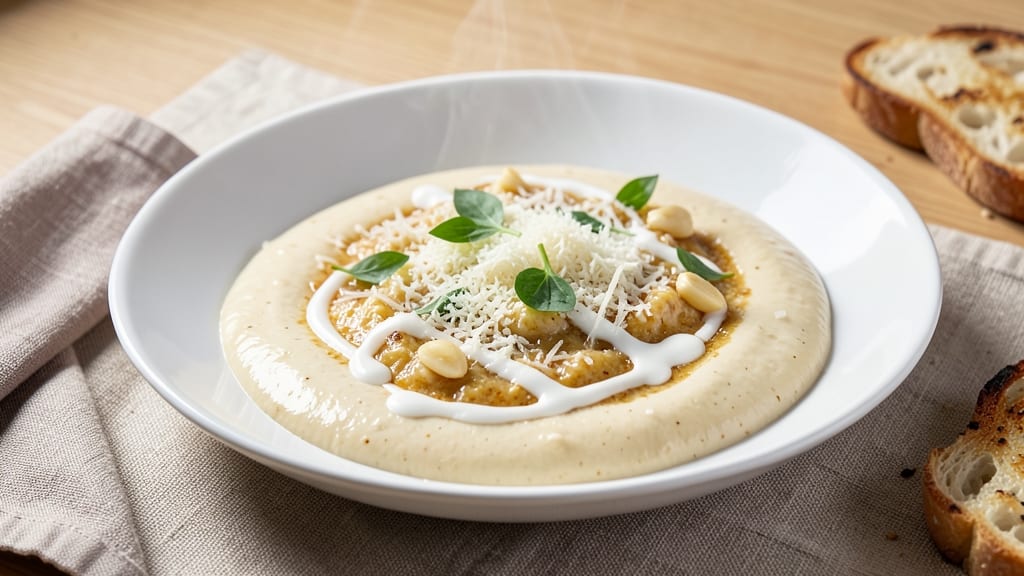
This Alfredo sauce recipe with milk and flour delivers restaurant-quality creaminess in just 15 minutes—no complicated techniques required. The secret lies in a smooth roux that blends seamlessly with warm milk, creating a velvety sauce that clings perfectly to pasta, chicken, or vegetables.
I've perfected this method over years of testing, ensuring every batch turns out perfectly balanced between rich and light.
The foundation starts with equal parts butter and flour cooked until golden, then gradually whisked into warm milk to prevent lumps. This simple roux technique is the backbone of authentic Alfredo sauce, transforming basic ingredients into something luxurious.
Garlic and Parmesan add depth, while a touch of heavy cream (optional) elevates it to next-level richness.
What you'll end up with is a silky, clingy sauce that coats every strand of fettuccine or chicken breast without breaking. The texture is effortlessly smooth, with just the right amount of tang from the Parmesan.
This isn't just a sauce—it's a flavor experience that turns ordinary meals into something special.
Whether you're serving it over pasta, drizzling it on grilled fish, or using it as a dipping sauce, this recipe delivers restaurant-quality results with minimal effort. The best part? It reheats beautifully, making it perfect for meal prep or leftovers. Let's get started on creating your perfect Alfredo sauce.
Ingredients for alfredo sauce recipe milk flour
Nine essential ingredients transform into velvety Alfredo perfection in record time.
| Ingredient | Amount | Notes |
|---|---|---|
| Unsalted Butter 🧈 | ½ cup | Cold, cubed for even cooking |
| All-Purpose Flour 🌾 | ½ cup | Sifted for smooth texture |
| Whole Milk 🥛 | 2 cups | Warm, not boiling |
| Fresh Garlic Cloves 🧄 | 3 cloves | Minced for aromatic depth |
| Parmesan Cheese 🧀 | 1 cup | Freshly grated, fine |
| Heavy Cream 🥛 | ¼ cup | Optional for extra richness |
| Diamond Crystal Kosher Salt 🧂 | ¼ tsp | Adjust to taste |
| Freshly Ground Black Pepper 🌶️ | ¼ tsp | Freshly cracked for bold flavor |
| Extra-Virgin Olive Oil 🫒 | 1 tbsp | For finishing drizzle |
The butter and flour form the sauce's golden foundation—European-style butter like Plugrá or Land O'Lakes makes all the difference. King Arthur or Bob's Red Mill flour yields the smoothest roux, but any all-purpose works in a pinch. Warm the milk gradually—microwave it in 30-second bursts until just steaming, then let it sit for 30 seconds. Freshly grated Parmesan is a game-changer; pre-shredded contains anti-caking agents that ruin the texture. For the garlic, peel and mince just before cooking—raw garlic burns easily. Stock up on these staples at Whole Foods or Trader Joe's for the best quality.
No heavy cream? Substitute with an extra 1/4 cup whole milk—it won't be as rich, but still delicious. Ran out of Parmesan? Pecorino Romano works beautifully, though it's slightly saltier. For a dairy-free version (though not traditional), cashew cream or coconut milk can replace the milk, but texture will differ. The olive oil is purely for finishing—use a fruity, Italian extra-virgin like Bertolli or Filippo Berio. Diamond Crystal salt is less dense than table salt, so measure carefully. If you're gluten-sensitive, swap the flour for gluten-free all-purpose blend—just whisk it more vigorously to prevent lumps.
This sauce reheats like a dream—simply warm it on the stove over low heat with a splash of milk to restore creaminess. Store leftovers in an airtight container for up to 5 days in the fridge, or freeze for 3 months. For meal prep, make a double batch and portion into ice cube trays—thaw and drizzle as needed. The sauce thickens as it cools, so thin with warm milk if needed. Keep the Parmesan in the freezer to preserve freshness, and grate it just before using for maximum flavor punch.
Why You'll Love This Recipe
- Same sauce, endless uses: toss with fettuccine for a quick weeknight meal, drizzle over grilled chicken for a fancy-ish weeknight dinner, or freeze half for lazy Mondays. It’s my secret weapon for looking like you planned ahead.
- No-Fuss Technique: I swear by this roux—just butter, flour, and milk—no whisking till your arm falls off. Five minutes of stirring, and you’ve got that velvety base without the stress of balancing heavy cream.
- Garlic Butter Magic: That raw garlic sizzled in butter? Chef’s kiss. It caramelizes just enough to give the sauce depth, while the Parmesan melts into something richer than takeout. (Yes, even my picky husband licks the pan.)
- Weeknight to Dinner Party: Same sauce, endless uses: toss with fettuccine for a quick weeknight meal, drizzle over grilled chicken for a fancy-ish weeknight dinner, or freeze half for lazy Mondays. It’s my secret weapon for looking like you planned ahead.
Step-by-step instructions for creamy Alfredo sauce
Here's how to craft velvety perfection using just milk, flour, and butter—no lumps, no fuss.
Melt Butter and Bloom the Flour
In a heavy-bottomed saucepan, melt the 0.5 cup unsalted butter over medium heat until it foams but doesn't brown. This takes about 2-3 minutes—watch closely so it doesn't burn. Once melted, immediately whisk in the 0.5 cup all-purpose flour all at once. Stir constantly for 1-2 minutes until the mixture forms a thick, pale roux with no floury taste.
This step is critical—the flour needs to cook fully to eliminate its raw flavor. You'll know it's ready when the mixture looks like wet sand and smells nutty. If you see any lumps, press them through a fine-mesh sieve immediately. The roux should coat the back of a spoon smoothly.
Gradually Add Warm Milk
Slowly pour in the 2 cups warm whole milk while whisking vigorously to prevent clumping. I like to pour in a thin stream, whisking continuously, until the mixture returns to a smooth consistency. Once fully incorporated, increase the heat to medium-low and let the sauce simmer gently for 5-7 minutes, stirring occasionally.
The sauce will thicken noticeably as it cooks. Here's the thing—if it gets too thick too soon, add 1-2 tablespoons of milk at a time to reach your desired consistency. You're aiming for a sauce that coats the back of a spoon but still flows easily. I usually aim for a texture that's thick enough to cling to fettuccine but still silky.
Infuse with Garlic and Cheese
Reduce the heat to low and stir in the 3 minced fresh garlic cloves. Let them cook for 30 seconds—just until fragrant, not browned. Immediately whisk in the 1 cup freshly grated parmesan cheese and 0.25 cup heavy cream. The sauce will look curdled for a moment, but keep whisking—it will come together.
This is where the magic happens. The garlic adds depth, while the parmesan and cream create that signature richness. If the sauce seems too thick, add 1 tablespoon of milk at a time until it reaches a luxurious, coatable consistency. Taste and adjust seasoning with 0.25 tsp diamond crystal kosher salt and 0.25 tsp freshly ground black pepper. The pepper should be freshly cracked for that bold, aromatic kick.
Finish with Olive Oil for Emulsion
Remove the sauce from heat and stir in the 1 tablespoon extra-virgin olive oil. This might seem counterintuitive, but it's the secret to that ultra-smooth, restaurant-quality finish. The oil helps create a stable emulsion, preventing the sauce from breaking when combined with pasta water later.
Let the sauce rest for 5 minutes off the heat. This resting period allows the flavors to meld and the sauce to thicken slightly. Before serving, give it one final taste and adjust the seasoning if needed. The sauce should be rich, slightly tangy from the parmesan, and perfectly balanced with garlic and pepper.
Use Immediately for Best Results
Alfredo sauce is at its peak when used fresh. Toss it with cooked fettuccine or your favorite pasta, adding 1-2 tablespoons of pasta water at a time to reach your desired consistency. The sauce should cling beautifully to each strand, creating that iconic creamy coating.
If you need to reheat leftovers, do so gently over low heat, stirring constantly to prevent separation. For extra richness, stir in a splash of warm milk or cream. This sauce is incredibly versatile—use it as a base for creamy soups, drizzle over grilled meats, or even as a decadent dip for crusty bread. Enjoy it while warm for the ultimate experience!
Pro Tips For Making Alfredo Sauce Recipe Milk Flour
- Cook Low and Slow: I learned this the hard way—alfredo sauce curdles faster than you think. Once the milk starts simmering, keep the heat at a bare simmer (tiny bubbles, maybe 3-4 minutes per batch). If it boils, you’re fighting a losing battle.
- Toast the Flour: Don’t just whisk it in cold. Melt the butter first, then add the flour and cook for 1-2 minutes until it smells nutty and golden. This removes the raw flour taste and thickens the sauce better than rushing it.
- Grated Cheese Only: Pre-shredded Parmesan has anti-caking agents that make the sauce grainy. Grate your own—even if it’s a pain—and add it off the heat, stirring until melted. The texture difference is night and day.
- Strain for Smoothness: After simmering, strain the sauce through a fine-mesh sieve to catch any garlic bits or flour lumps. It’s extra work, but the result is silky, not clumpy—worth it if you’re serving it to picky eaters (or just perfectionists).
Pro cooking tips for this dish
Roux Perfection
The roux is the soul of your Alfredo sauce—get it right, and everything else falls into place. Cook the 0.5 cup butter and 0.5 cup flour over medium heat for exactly 1-2 minutes until it turns a pale golden color.
This is your blond roux, not brown—overcooking here will add bitterness. I swear by a heavy-bottomed saucepan (like All-Clad) to prevent burning. Whisk constantly to avoid lumps, and if any form, immediately press them through a fine-mesh sieve.
The roux should smell nutty and coat the back of your spoon like wet sand. 🌡️
Milk Temperature Matters
Warm milk is your secret weapon against lumps. Heat your 2 cups whole milk until it reaches 160°F—just steaming, not boiling. I microwave it in 30-second bursts, stir, then let it sit for 30 seconds between bursts.
Pouring cold milk into a hot roux causes the sauce to seize up. Add the milk slowly while whisking vigorously in a thin stream. If the sauce thickens too quickly, add 1 tablespoon of milk at a time to reach that perfect coatable consistency.
Garlic Timing Trick
Fresh garlic transforms your sauce from good to restaurant-quality. Add the 3 minced cloves only after the milk is fully incorporated and the sauce is simmering gently. Cook for just 30 seconds—any longer, and you'll burn the garlic, making your sauce taste bitter.
Immediately whisk in the 1 cup freshly grated Parmesan and 0.25 cup heavy cream. The sauce will look curdled at first, but keep whisking! It will emulsify into a silky, velvety texture within 30-60 seconds. 🧄
Emulsion Secret
Here's the pro move: stir in 1 tablespoon extra-virgin olive oil at the very end. This might seem odd, but it creates a stable emulsion that prevents the sauce from breaking when combined with pasta water. The oil also adds a subtle fruity note that balances the richness.
Let the sauce rest for 5 minutes off the heat—this allows the flavors to meld and the sauce to thicken slightly. Taste and adjust seasoning with 0.25 tsp salt and 0.25 tsp freshly cracked black pepper.
Consistency Control
Alfredo sauce should cling to pasta like a second skin. If it's too thick after resting, thin it with 1 tablespoon of warm milk at a time. If it's too thin, simmer it gently for 1-2 minutes to reduce.
The key is pasta water—when tossing with fettuccine, add 1-2 tablespoons of starchy pasta water to reach that perfect silky, coatable texture. Pro tip: If you're prepping ahead, store the sauce in ice cube trays for easy portioning—just thaw and drizzle as needed. ❄️
Reheating Like a Pro
Leftovers are a dream to reheat, but do it gently. Warm the sauce over low heat in a saucepan, stirring constantly to prevent separation. If it thickens too much, add 1 tablespoon of warm milk or cream at a time.
For extra richness, stir in a splash of heavy cream while reheating. This sauce reheats beautifully, making it perfect for meal prep—just store it in an airtight container for up to 5 days in the fridge or 3 months in the freezer.
The texture might thicken when cold, but a quick stir with warm milk brings it back to perfection. 💡
Nutrition facts
Frequently asked questions
Why does my Alfredo sauce turn out lumpy?
Lumps happen when flour isn't fully dissolved or milk is added too quickly. Always whisk continuously while adding warm milk in a thin stream, and make sure your roux is smooth before incorporating liquids. For stubborn lumps, press the sauce through a fine-mesh sieve. The key is patience—don't rush the milk addition!
Can I make this sauce without heavy cream?
The sauce will still be delicious. Replace the 0.25 cup heavy cream with an extra 0.25 cup whole milk—it won't be as rich, but the texture remains creamy. For extra flavor without cream, add 1 tablespoon grated Parmesan or a pinch of nutmeg. The sauce will just be slightly lighter.
How do I adjust the thickness of my sauce?
If your sauce is too thick, thin it with 1 tablespoon warm milk at a time while whisking. For a thicker sauce, simmer gently for 1-2 minutes to reduce. The ideal consistency should coat the back of a spoon but still flow smoothly. Pro tip: When tossing with pasta, add 1-2 tablespoons starchy pasta water to achieve that perfect clingy texture.
What's the best way to store leftover Alfredo sauce?
Store in an airtight container in the fridge for up to 5 days or freeze for 3 months. To reheat, warm gently over low heat while stirring constantly. If it thickens too much, add a splash of warm milk. For meal prep, freeze in ice cube trays—thaw and drizzle as needed for restaurant-quality results every time.
Can I use this sauce for dishes other than pasta?
This versatile sauce works beautifully on grilled chicken, fish, or even as a dip for breadsticks! For vegetables, try drizzling it over roasted broccoli or asparagus. The key is to reheat gently and adjust consistency with warm milk or pasta water. It's also perfect for creamy soups or as a base for baked dishes.