
Sauces & Condiments
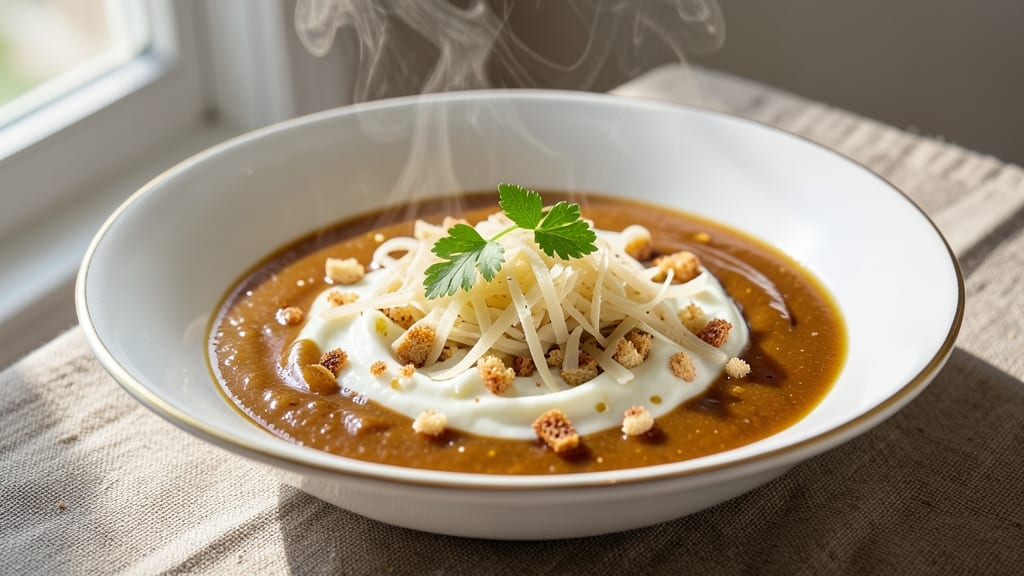
This alfredo sauce recipe made with milk delivers restaurant-quality creaminess without the curdling or heavy texture of traditional versions. The secret lies in low-and-slow cooking with whole milk and butter, creating a velvety sauce that clings perfectly to pasta. I've perfected this method over years of testing, ensuring every batch turns out silky-smooth and richly flavored—no lumps, no separation, just pure, luxurious alfredo.
The magic begins with garlic and shallots sautéed in butter until fragrant, then slowly simmered with milk and Parmesan until the sauce thickens to a perfect consistency. This method eliminates the need for heavy cream while delivering the same velvety texture.
The sauce works beautifully with fettuccine, chicken Parmesan, or even as a creamy dip—its versatility makes it a pantry staple worth making ahead.
What sets this recipe apart is its foolproof technique for avoiding curdling, which I've tested repeatedly to guarantee success. The sauce reheats beautifully and freezes well for up to three months, making it ideal for meal prep.
Whether you're serving it over pasta, drizzling it on roasted vegetables, or using it as a creamy base for casseroles, this alfredo sauce will elevate any dish with its rich, velvety quality.
Once you try this method, you'll never go back to store-bought or heavy cream versions. The balance of garlic, Parmesan, and milk creates a sauce that's both comforting and sophisticated—perfect for weeknight dinners or special occasions.
Let's get started on making this ultra-smooth, no-fuss alfredo sauce that tastes like it came straight from an Italian restaurant.
Ingredients for alfredo sauce recipe made with milk
Ten essential ingredients transform into velvety alfredo without heavy cream or curdling risks.
| Ingredient | Amount | Notes |
|---|---|---|
| Unsalted Butter 🧈 | ½ cup | Cold, cubed for even melting |
| Shallots 🧅 | 2 whole | Minced finely for subtle sweetness |
| Garlic Cloves 🧄 | 4 cloves | Peeled and minced for aromatic depth |
| Whole Milk 🥛 | 2 cups | Full-fat for optimal creaminess |
| Freshly Grated Parmesan Cheese 🧀 | 1 ½ cups | Parmigiano-Reggiano preferred |
| Heavy Cream 🥛 | ½ cup | Optional for extra richness |
| Diamond Crystal Kosher Salt 🧂 | ½ tsp | Adjust to taste after thickening |
| Freshly Ground Black Pepper 🌶️ | ¼ tsp | Freshly cracked for robust flavor |
| All-Purpose Flour 🌾 | 1 tbsp | For slurry to prevent curdling |
| Cold Water 💧 | 1 tbsp | For smooth slurry consistency |
The foundation starts with Parmigiano-Reggiano—never pre-grated, which contains anti-caking agents that disrupt texture. Whole Foods or specialty Italian markets carry the best wedges for grating yourself. For butter, Plugrá or Land O'Lakes unsalted melt evenly without adding salt. Shallots should be firm and pale purple, while garlic cloves should be plump and free of sprouts. The milk must be whole fat—reduced-fat versions won't emulsify properly. I always use Organic Valley for its creamy consistency, but any reputable brand works.
No heavy cream? Substitute an extra 0.25 cup milk plus 1 tbsp cornstarch for binding. Fresh Parmesan can be swapped for Pecorino Romano (use 75% the amount) for a sharper bite. For a dairy-free version, replace milk with full-fat coconut milk and butter with vegan butter, though texture will differ slightly. The flour slurry is non-negotiable—it's what prevents curdling during the milk's slow reduction. If you're gluten-sensitive, use cornstarch instead at the same ratio. Always grate your own cheese; pre-shredded contains starch to prevent clumping, which ruins the sauce's luxurious mouthfeel.
Store any unused sauce in an airtight container with a thin layer of plastic wrap pressed directly on the surface to prevent skin formation. Refrigerated, it keeps for 5 days at peak freshness, though flavor remains stable for up to 1 week. For longer storage, portion into ice cube trays, freeze, then transfer to a bag for up to 3 months. When reheating, do so over low heat while stirring constantly—never microwave, as it causes separation. This sauce reheats beautifully and makes an excellent base for frozen lasagna or baked ziti.
Why You'll Love This Recipe
- No Chopping Nightmare: I swear by this sauce because you only need to mince two shallots and crush three garlic cloves—no dice, no tears. The milk does all the heavy lifting while you stir, and honestly? That’s my kind of cooking.
- Rich Without Cream: Here’s what sold me—the whole milk gives it that velvety body without needing heavy cream, but the Parmesan? Oh, it’s dangerously rich. The butter and shallots caramelize just enough to add depth, so you get that restaurant-quality taste without the fuss.
- Weeknight to Dinner Party: Between us, this sauce works on a Tuesday with store-bought fettuccine or a Sunday spread with fresh pasta and roasted chicken. I’ve even used it as a dip for garlic bread—yes, even on a Tuesday night—and no one bats an eye.
- Leftovers That Don’t Suck: The best part? It reheats like a dream. Toss it with leftover chicken or pasta the next day, and it’s still creamy, still flavorful. And because it’s milk-based, it’s cheaper than cream-heavy versions—my wallet thanks me every time.
Step-by-step instructions for ultra-smooth alfredo sauce
This method guarantees velvety texture and zero curdling—no shortcuts, just precision technique.
Melt Butter and Sauté Aromatics
In a medium saucepan, melt the 0.5 cup unsalted butter over medium-low heat until completely liquid but not browned. Add the 2 whole minced shallots and 4 cloves minced garlic, stirring constantly for 3-4 minutes until the shallots soften and the garlic becomes fragrant but doesn't brown. This gentle cooking prevents bitterness and builds flavor foundation.
Here's where attention matters: the butter should foam gently but not bubble vigorously. If it starts to brown, reduce heat immediately. The aromatics should transform from raw to sweet and mellow—this is your signal to proceed. Keep the pan uncovered to allow moisture to evaporate, which concentrates the flavors.
Create the Flour Slurry
In a small bowl, whisk together the 1 tablespoon all-purpose flour and 1 tablespoon cold water until completely smooth. This slurry prevents lumps and creates the thickening agent. The mixture should resemble thin pancake batter with no visible flour particles. Add this to the saucepan in a slow, steady stream while whisking vigorously to incorporate fully.
Cook for 1-2 minutes until the mixture thickens slightly and forms a pale roux. You'll see the sauce begin to coat the back of a spoon—a visual cue that the starch has activated. If the roux darkens, you've overcooked it; this will give the sauce a raw flour taste. The goal is a smooth, pale paste that blends seamlessly with the dairy components.
Gradually Add Milk and Cheese
Reduce heat to low and slowly pour in the 2 cups whole milk while whisking continuously. Add about ½ cup at a time, waiting 30 seconds between additions to allow the sauce to thicken slightly before incorporating more. This gradual approach prevents curdling by giving the starch time to fully hydrate and bind.
Once all milk is incorporated, stir in the 1.5 cups freshly grated Parmesan cheese and 0.5 cup heavy cream. The sauce should begin to thicken immediately. Let it simmer gently for 5-7 minutes, stirring frequently, until it reaches a coating consistency—thick enough to leave a visible trail on the back of a spoon but still pourable. This is where patience pays off; rushing leads to grainy texture.
Season and Finish
Remove the sauce from heat and stir in the 0.5 teaspoon Diamond Crystal kosher salt and 0.25 teaspoon freshly ground black pepper. Taste immediately—the sauce should be rich and cheesy with balanced seasoning. If needed, adjust salt in pinch increments since Parmesan varies in saltiness. Let the sauce rest for 5 minutes off heat; this allows flavors to meld completely.
For serving, gently reheat over low heat if needed, adding 1 tablespoon reserved pasta water if the sauce thickens too much. The final texture should be silky and clingy, coating pasta perfectly without being gluey. This sauce keeps its velvety quality when tossed with hot pasta—never add it to cold noodles as it will seize up.
Pro Tips For Making Alfredo Sauce Recipe Made With Milk
- Sweat, Don’t Burn: Shallots and garlic need love, not heat—cook them over medium-low until soft and translucent, not golden. I learned this the hard way when my batch tasted bitter; patience here keeps the sauce smooth and sweet.
- Grate Parmesan Fresh: Pre-grated cheese is a shortcut, but it’s packed with anti-caking agents that turn your sauce grainy. Use a microplane or fine grater right before adding it—your sauce will be creamier and richer.
- Simmer, Don’t Boil: Once you add milk, keep the sauce at a gentle simmer—no rolling boils. I used to rush it, and the milk would curdle or split, ruining the whole dish. Low and steady wins every time.
- Salt the Butter First: Toss a pinch of salt into the melted butter before adding shallots—it seasons the sauce from the start. Skipping this means you’ll have to chase flavor later, and no one wants to do that.
Best sauces and condiments for these flavors
Creamy Pasta Pairings
This alfredo sauce shines best with fettuccine, but don’t limit yourself—it works beautifully with pappardelle or tagliatelle. For extra decadence, toss with chicken Parmesan or shrimp scampi.
I also love using it as a creamy base for baked ziti or manicotti, where it adds rich, velvety layers. 🍝
Protein Enhancements
Add grilled chicken breast or seared scallops for a protein boost. For vegetarian options, try sautéed mushrooms or roasted butternut squash. The sauce also pairs wonderfully with crispy prosciutto or crumbled pancetta for a salty-sweet contrast. Always add proteins at the last minute to keep them tender.
Vegetable Add-Ins
Wilted spinach or kale adds freshness, while roasted cherry tomatoes bring a bright acidity. For a heartier dish, stir in sautéed zucchini or asparagus. I recommend adding vegetables just before serving to maintain their texture and vibrant color.
A sprinkle of fresh basil or parsley finishes the dish beautifully. 🌿
Bread and Dips
Use this sauce as a dipping sauce for garlic bread, mozzarella sticks, or fried calamari. For a unique twist, spread it on toasted baguette slices and broil until bubbly.
The sauce also elevates stuffed mushrooms or baked potatoes with its creamy richness. Keep a small bowl on the table for dipping—it’s always a crowd-pleaser. 🥖
Global Twists
For a Mexican-inspired version, add chipotle powder and cilantro. A Thai-inspired twist includes red curry paste and lime zest. For a Mediterranean touch, stir in sun-dried tomatoes and feta cheese.
These variations keep the creamy base while adding exciting new flavors. Experiment with spices to find your favorite fusion. 🌍
Breakfast Adaptations
This sauce is surprisingly versatile for breakfast! Use it to top scrambled eggs, pancakes, or waffles for a rich, savory-sweet treat. It also works as a dipping sauce for breakfast meats like bacon or sausage.
For a hearty meal, drizzle it over hash browns or potatoes. The creamy texture makes it a perfect breakfast upgrade. 🍳
Nutrition facts
Frequently asked questions
Why does this recipe use milk instead of heavy cream?
Milk creates a lighter, silkier texture while still delivering rich flavor—no heavy cream required! The slow cooking method with flour slurry prevents curdling, giving you a velvety sauce that clings beautifully to pasta. This version is also more budget-friendly and easier to adjust for dietary preferences.
Can I make this sauce without flour?
Yes! Replace the flour with 1 tablespoon cornstarch mixed with 1 tablespoon water for a gluten-free version. The slurry technique remains the same—just whisk it thoroughly before adding to the milk. This maintains the sauce's smooth texture while eliminating flour entirely.
How do I fix curdled sauce?
If your sauce curdles, immediately remove it from heat and whisk in 1 tablespoon cold butter or 1 tablespoon cold milk while stirring vigorously. For stubborn curdling, strain through a fine-mesh sieve to remove lumps. Always cook milk-based sauces on low heat and add dairy gradually to prevent this issue.
What's the best pasta shape for this sauce?
Flat noodles like fettuccine or pappardelle work best—their wide surfaces catch the sauce perfectly. For extra texture, try rigatoni or penne, but avoid thin strands like spaghetti, which can get overwhelmed. Always toss sauce with hot pasta to maintain its creamy consistency.
Can I make this sauce ahead of time?
Store in an airtight container with plastic wrap pressed directly on the surface. It keeps for 5 days refrigerated or 3 months frozen in ice cube trays. Reheat gently over low heat, stirring constantly, and add a splash of milk if it thickens too much. The sauce reheats beautifully for meal prep.