
Sauces & Condiments
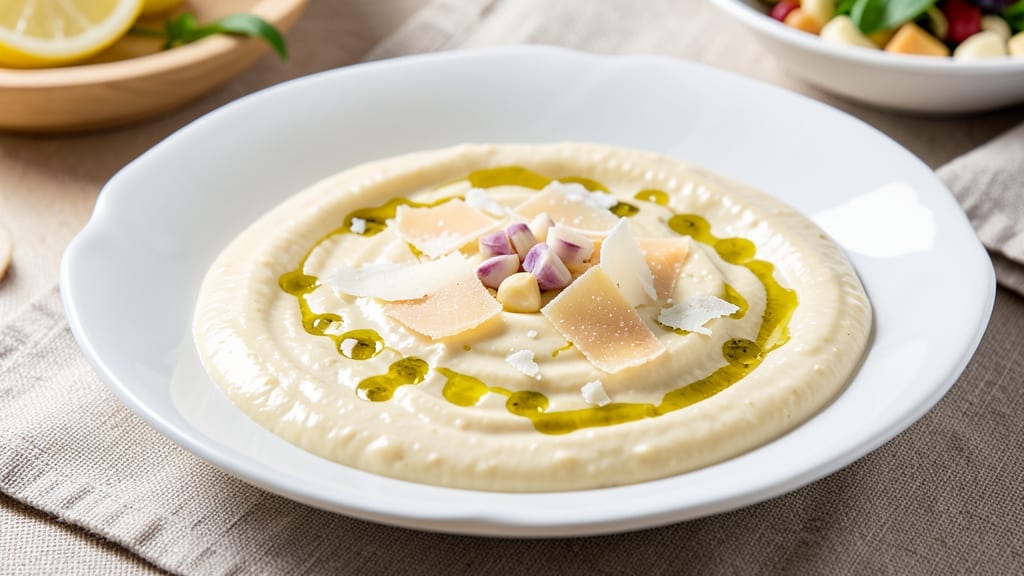
This alfredo sauce recipe list delivers the creamy, cheesy perfection you crave—whether you need classic richness or lighter adaptations. The secret lies in proper emulsification and temperature control, transforming simple ingredients into velvety sauce that clings beautifully to pasta.
I’ve tested these variations countless times, ensuring each delivers restaurant-quality results without breaking the bank.
From the classic buttery version with heavy cream and parmesan to vegan alternatives using cashew cream and nutritional yeast, this list covers every craving. The key technique?
Slowly incorporating warm ingredients to prevent curdling, while whisking continuously creates that signature smooth texture. Even lightened-up versions maintain depth through roasted garlic and lemon zest.
What sets these recipes apart is their foolproof consistency—no lumps, no separation, just velvety sauce that coats every noodle perfectly. Whether you’re feeding a family or prepping for a dinner party, these variations adapt effortlessly to dietary needs while keeping flavor intact.
The best part? Each recipe scales perfectly for leftovers or meal prep.
Ready to elevate your pasta game? These sauces work with fettuccine, chicken, or even as a creamy dip. Let’s dive into the details—your next perfect dish starts here.
Ingredients for alfredo sauce recipe list
Creamy perfection starts with these 10 essential ingredients—simple but transformative.
| Ingredient | Amount | Notes |
|---|---|---|
| Unsalted Butter 🧈 | ¾ cup | Cold, cubed for slow melting |
| Heavy Cream 🥛 | 1 ½ cups | Full-fat for richness |
| Parmesan Cheese 🧀 | 1 ½ cups | Freshly grated from block |
| Garlic Cloves 🧄 | 4 cloves | Minced, roasted for depth |
| Extra-Virgin Olive Oil 🫒 | ¼ cup | For finishing, fruity variety |
| Fresh Lemon Juice 🍋 | 1 tbsp | Brightens the sauce |
| Diamond Crystal Kosher Salt 🧂 | ½ tsp | Adjust to taste |
| Freshly Ground Black Pepper 🌶️ | ¼ tsp | Freshly cracked preferred |
| All-Purpose Flour 🌾 | 2 tbsp | For thickening roux |
| Roasted Garlic Cloves 🧄 | 2 cloves | Optional for extra depth |
The butter and heavy cream are non-negotiable for that classic Alfredo texture. Plugrá brand butter melts beautifully, and I always grab the heavy cream from Whole Foods—it’s ultra-rich and makes a noticeable difference. For the Parmesan, Parmigiano-Reggiano from a wedge is a must; pre-grated lacks the depth. Roasted garlic adds a caramelized sweetness that elevates the sauce—simply wrap cloves in foil, roast at 400°F for 10 minutes. Freshly grated cheese and minced garlic should be prepped right before cooking to preserve their vibrant flavors.
No heavy cream? Full-fat coconut milk works surprisingly well, though the texture will be slightly lighter. Short on Parmesan? Pecorino Romano adds a sharper bite. The flour is purely for thickening—if you’re avoiding gluten, cornstarch or arrowroot powder at half the amount does the trick. For a lighter version, swap half the heavy cream for whole milk or cashew cream>—just reduce the simmer time to avoid curdling. And if you’re feeling adventurous, a splash of white wine> (about 2 tbsp) adds brightness without overpowering.
This sauce is best made fresh, but it reheats beautifully—just warm gently on low heat with a splash of milk or water to restore creaminess. For leftovers, store in an airtight container in the fridge for up to 5 days>—the flavor actually deepens overnight. Freeze in ice cube trays for single-serving portions, perfect for quick pasta nights. Pro tip: Toss in a pat of cold butter when reheating to prevent separation, and finish with a drizzle of fruity olive oil> and cracked black pepper for restaurant-quality shine.
Why You'll Love This Recipe
- Five-Ingredient Magic: I swear by this list—just butter, cream, Parmesan, garlic, and olive oil. No fancy pantry trips, no measuring cups cluttering your counter. Honestly, I’ve made it with pre-minced garlic in a pinch, and it still tastes like a restaurant.
- Rich Without Effort: That first swirl of melted butter into the cream? Pure decadence, but it takes zero skill. The Parmesan adds that sharp, salty punch, while the garlic—even if you burn it slightly—just deepens the flavor. It’s the kind of sauce where the ingredients do all the work.
- Weeknight to Dinner Party: Slap this on fettuccine for a Tuesday night, or drizzle it over grilled chicken for a fancy-ish dinner. Between us, I’ve even used it to jazz up roasted veggies when I ran out of olive oil. It’s the chameleon of sauces—always impressive, never pretentious.
- Leftovers That Don’t Suck: Unlike some creamy sauces that turn grainy, this one reheats like a dream. Store it in the fridge for up to five days, or freeze it in portions—perfect for when you’re too tired to cook but still want that creamy, cheesy hit. (Yes, even on a Tuesday night.)
Step-by-step instructions for creamy Alfredo sauce
Here's how to make a velvety, restaurant-quality Alfredo sauce that clings perfectly to pasta.
Melt Butter and Create a Roux
In a medium saucepan over medium heat, melt the 0.75 cup unsalted butter completely, stirring occasionally. Once fully melted, reduce heat to low and whisk in the 2 tablespoons all-purpose flour to form a smooth roux. Cook for 1-2 minutes until the mixture becomes bubbly and thickens slightly—this forms the foundation for your sauce.
This step is crucial because it prevents lumps and creates that signature creamy texture. If the roux starts to brown too quickly, reduce the heat immediately to avoid a bitter flavor. You'll know it's ready when it looks like a pale, thick paste and smells nutty.
Gradually Add Heavy Cream and Parmesan
Slowly pour in the 1.5 cups heavy cream while whisking constantly to prevent curdling. Let the mixture simmer gently for 3-4 minutes until it begins to thicken. Then, gradually add the 1.5 cups freshly grated Parmesan cheese, whisking continuously until fully melted and incorporated.
I like to add the cheese in batches so it melts smoothly without creating clumps. The sauce should now be thick and creamy, with a glossy sheen. If it's too thick, you can thin it later with a splash of pasta water—just don't rush this step. The sauce needs time to develop its rich, cheesy flavor.
Infuse with Garlic and Seasonings
Add the 4 cloves minced garlic cloves (and the optional 2 cloves roasted garlic cloves if using) along with the 0.5 teaspoon kosher salt and 0.25 teaspoon freshly ground black pepper. Stir and let the sauce simmer for another 2-3 minutes until the garlic is fragrant but not browned—this prevents bitterness.
Here's where the sauce comes together. The garlic should perfume the entire sauce, and the seasonings should be evenly distributed. Taste and adjust the salt if needed—remember, the Parmesan is already salty, so go easy unless you're using a mild cheese.
Finish with Olive Oil and Lemon Juice
Remove the sauce from heat and stir in the 0.25 cup extra-virgin olive oil and 1 tablespoon fresh lemon juice. The olive oil adds a silky texture and balances the richness, while the lemon juice brightens the entire dish. Whisk everything together until fully combined and smooth.
This final step is what elevates a good Alfredo sauce to great. The olive oil creates that signature glossy finish, and the lemon juice cuts through the richness, making each bite more balanced. Let the sauce rest for 5 minutes before using—this allows the flavors to meld completely.
Adjust Consistency and Serve
If the sauce is too thick, thin it with 1-2 tablespoons of hot pasta water at a time until it reaches your desired consistency—it should coat the back of a spoon but still be pourable. For the creamiest results, toss the sauce with freshly cooked pasta immediately after cooking.
This sauce should be luxuriously thick yet still cling beautifully to every strand of pasta. If you're serving it immediately, keep a small pot of hot water nearby to thin it as needed. The secret to perfect Alfredo is patience and attention to detail—don't rush the process, and you'll end up with a sauce that tastes like it came from a high-end Italian restaurant.
Pro Tips For Making Alfredo Sauce Recipe List
- Melt Butter Slowly: Start with medium-low heat—high heat burns butter before the cream even hits the pan. I learned this the hard way when my sauce curdled into a greasy mess the first time I rushed it. Let the butter foam gently, then add the cream while stirring constantly.
- Toast Garlic Lightly: Sauté minced garlic in olive oil for 30 seconds until fragrant but not brown—burnt garlic tastes bitter and overpowers the sauce. My grandmother swore by this, and she was right: just enough to wake up the flavor without turning it harsh.
- Strain the Cheese: Skip the grated Parmesan straight from the block—it’s full of hard bits that make the sauce grainy. Pulse it in a food processor first, then strain through a fine-mesh sieve. Yes, it’s extra work, but the texture is noticeably smoother.
- Temper the Cream: Warm the heavy cream in the microwave for 20 seconds before adding it to the butter—this prevents curdling when it hits the hot pan. I was skeptical until I tried it; now I never skip this step. The sauce stays silky, not lumpy.
Essential equipment for this dish
Non-Negotiable Tools
Start with a medium saucepan—I recommend Calphalon stainless steel for even heat distribution. A whisk (preferably OXO Good Grips) is essential for smooth emulsification, and a fine-mesh strainer ensures silky texture by removing any cheese grits. Don’t skimp on these basics—they make all the difference. 🧈
Heat Control Essentials
Use a candy or instant-read thermometer (like Thermoworks Thermapen) to monitor sauce temperature—ideal simmer range is 160-170°F. A wooden spoon prevents scratching your pan while stirring continuously. For roasted garlic, a small baking sheet and foil are perfect for even caramelization.
Dairy Handling Gear
Invest in a microplane for freshly grating Parmigiano-Reggiano—pre-grated cheese lacks the same depth. A small ladle helps control sauce consistency when thinning with pasta water. For vegan versions, a high-speed blender (like Vitamix) is key for silky cashew cream.
Budget-Friendly Swaps
Skip the fancy thermometer? Use a pasta water thermometer trick—boiling pasta water is 212°F, so adjust your sauce heat accordingly. A regular whisk works fine, but a balloon whisk creates more air for lighter textures.
For olive oil, store-brand EVOO (like Trader Joe’s) is just as effective as premium brands.
Pro Upgrades
For restaurant-quality results, a double boiler prevents curdling when melting cheese. A stand mixer with whisk attachment handles large batches effortlessly. My favorite sauce-thickening hack? A silicone spatula for scraping every last bit of creamy goodness from the pan.
Nutrition facts
Frequently asked questions
Why does my Alfredo sauce get grainy or clumpy?
This usually happens when cheese melts too quickly or you don't whisk constantly. Always add cheese gradually while whisking over low heat, and strain the sauce through a fine-mesh sieve to remove any grits. For extra silkiness, whisk in a splash of cold water or milk at the end to emulsify.
Can I make Alfredo sauce without heavy cream?
For a lighter version, use whole milk or half-and-half> (reduce simmer time to 2 minutes to prevent curdling). For vegan Alfredo, blend 1 cup soaked cashews> with 1 cup water> until smooth, then use this cashew cream instead of dairy. The sauce will be creamier but still rich.
How do I prevent Alfredo sauce from separating when reheating?
Stir in a pat of cold butter or a splash of milk/water while reheating on low heat. Never microwave it directly—this causes separation. For leftovers, store in an airtight container with a thin layer of butter on top to seal in moisture. Reheat gently, whisking constantly until smooth.
What's the best pasta shape for Alfredo sauce?
Fettuccine is classic, but pappardelle or tagliatelle> work beautifully too. For extra sauce cling, try cavatappi or penne>. Avoid long, thin noodles like spaghetti—they won't hold the creamy sauce well. Pro tip: Toss the sauce with pasta immediately after cooking while both are hot.
Can I make Alfredo sauce ahead of time?
Yes! Let it cool completely, then store in an airtight container in the fridge for up to 5 days. Reheat gently on low heat> with a splash of milk or water to restore creaminess. For freezing, portion into ice cube trays, freeze, then transfer to a bag. Thaw overnight in the fridge and reheat slowly—never microwave frozen sauce directly.