
Sauces & Condiments
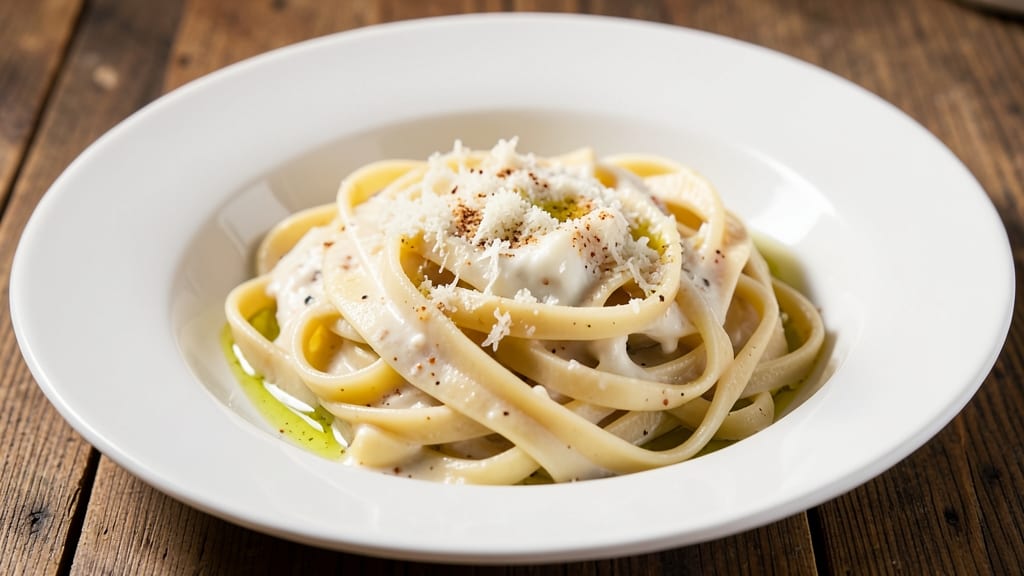
This alfredo sauce recipe with heavy cream, butter, and parmesan cheese delivers restaurant-quality richness without the curdling. The secret lies in gradual heat and constant stirring—technique that transforms simple ingredients into velvety perfection.
I developed this version after years of trial and error, ensuring every batch turns out silky smooth and deeply flavorful.
The foundation starts with equal parts heavy cream and butter, melted together over medium-low heat. Adding freshly grated parmesan cheese in stages prevents clumping, while a splash of pasta water at the end ensures that signature cling to every noodle.
Seasoning is subtle but essential—just a pinch of nutmeg and white pepper to elevate the cheese's natural richness.
By the time you twirl that first forkful of fettuccine through this sauce, you'll understand why it's worth the effort. The result is ultra-creamy, with a luxurious mouthfeel that coats each strand perfectly.
This isn't just any alfredo—it's the kind that makes people pause mid-bite and ask, "What's in this?"
The beauty of this recipe extends beyond the stovetop. It reheats beautifully, making it ideal for meal prep, and stores well in the fridge for up to five days.
For extra depth, consider adding a minced garlic clove during the initial melting or a splash of dry white wine for brightness. Let's create this velvety masterpiece together.
Ingredients for alfredo sauce recipe with heavy cream butter and parmesan cheese
Equal parts richness and technique—this sauce transforms simple pantry staples into velvety perfection.
| Ingredient | Amount | Notes |
|---|---|---|
| Heavy Cream 🥛 | 1 cup | Full-fat for maximum creaminess |
| Unsalted Butter 🧈 | 1 cup | Cold-cut cubes for even melting |
| Parmesan Cheese 🧀 | 1 ½ cups | Freshly grated from block |
| Extra-Virgin Olive Oil 🫒 | ¼ cup | For smooth texture and balance |
| Freshly Ground Nutmeg 🌿 | ¼ tsp | Fine grind for subtle warmth |
| White Pepper 🌶️ | ¼ tsp | Freshly cracked for brightness |
| Garlic Cloves 🧄 | 1 whole | Minced for aromatic depth |
| Salt 🧂 | ¼ tsp | Kosher or sea salt preferred |
| Dry White Wine 🍷 | ½ cup | Optional for brightness (Sauvignon Blanc recommended) |
| Pasta Water 🍝 | ¼ cup | Reserved from cooking pasta |
The heavy cream and butter are non-negotiable here—full-fat versions only. Whole Foods or Trader Joe's carry high-quality options, but any store's heavy cream will work if it's fresh (check the expiration date). For the Parmesan, buy a wedge and grate it yourself—pre-shredded contains anti-caking agents that ruin texture. The olive oil acts as an emulsifier, so extra-virgin with good fruity notes prevents separation. Nutmeg and white pepper might seem minor, but they're what elevate this from basic to restaurant-quality—freshly grated nutmeg makes all the difference.
No heavy cream? Full-fat coconut milk works in a pinch, though texture will differ slightly. Substitute butter with vegan butter>, but expect a marginally less rich result. Pre-shredded Parmesan? Toast it in a dry pan for 2 minutes first to burn off any additives. The garlic clove is optional but adds depth—roast it whole in the olive oil first if you want to avoid raw garlic flavor. For the wine, any dry white works, but Sauvignon Blanc's acidity cuts through the richness beautifully. If you skip it, add an extra splash of pasta water at the end for that signature cling.
This sauce reheats like a dream—simmer gently on low heat with a splash of milk or water to restore creaminess. Stores for 5 days in the fridge in an airtight container, though I recommend making it fresh for the best texture. Freezes beautifully for 3 months—thaw in the fridge overnight. For extra richness, add a tablespoon of cream cheese when reheating. The key to no-curdle magic? Low and slow heat with constant stirring—never let it boil.
Why You'll Love This Recipe
- Here’s what sold me: the balance. Heavy cream makes it luscious, but the olive oil adds depth, cutting through the richness. A fresh grind of nutmeg lifts it from "heavy" to "indulgent but not overwhelming." Plus, Parmesan’s sharpness keeps it from tasting like a dessert. It’s the perfect middle ground—creamy, bold, but still savory.
- Five-Ingredient Magic: I swear by this combo—just butter, cream, Parmesan, olive oil, and nutmeg. That’s it. No fussing with garlic cloves or simmering for hours. The butter melts into the cream while the Parmesan dissolves into a velvety blanket, and the nutmeg? Tiny but mighty. It’s the kind of sauce that makes you realize you’ve been overcomplicating things.
- Rich Without Guilt: Here’s what sold me: the balance. Heavy cream makes it luscious, but the olive oil adds depth, cutting through the richness. A fresh grind of nutmeg lifts it from "heavy" to "indulgent but not overwhelming." Plus, Parmesan’s sharpness keeps it from tasting like a dessert. It’s the perfect middle ground—creamy, bold, but still savory.
- Weeknight Pasta Hero: Between us, this is my go-to when I’m too tired to think. Toss it with fettuccine, and suddenly dinner feels like a restaurant meal. (Yes, even on a Tuesday night.) It’s also the star of my lazy Sunday brunch—drizzled over poached eggs or scrambled eggs with a sprinkle of black pepper. The same sauce, endless possibilities.
Step-by-step instructions for ultra-creamy alfredo sauce
Here's the foolproof method for velvety, no-curdle perfection every time.
Melt Butter and Infuse with Aromatics
Melt the 1 cup unsalted butter in a medium saucepan over medium-low heat. I use cold-cut butter cubes so they melt evenly without scorching. Once fully melted, add the 0.25 cup extra-virgin olive oil and the 1 whole garlic cloves (minced). Cook for 2-3 minutes until the garlic is just fragrant—not browned.
This gentle melting process creates a flavor base without developing bitter compounds. The olive oil adds smoothness while balancing the richness of the butter. Keep the heat low to prevent the butter from separating or the garlic from burning.
Add Wine and Reduce
Pour in the 0.5 cup dry white wine and stir to deglaze the pan, scraping up any browned bits. Let it simmer for 3-4 minutes until reduced by about half. This step develops depth of flavor and removes any raw alcohol taste.
If you're using the optional wine, now's the time to add it. The reduction concentrates the wine's brightness, which cuts through the richness of the cream and cheese. If you skip the wine, simply proceed to the next step without reducing.
Incorporate Cheese Gradually
Reduce heat to low and sprinkle in ½ cup of the 1.5 cups parmesan cheese, whisking constantly until fully melted. Add the remaining 1 cup parmesan cheese in the same manner, a little at a time. This gradual approach prevents clumping and ensures smooth texture.
Freshly grated parmesan melts more easily than pre-shredded. If you encounter any lumps, strain the sauce through a fine-mesh sieve for silky perfection. The cheese should dissolve completely before adding the cream.
Add Cream and Season
Slowly pour in the 1 cup heavy cream while whisking vigorously. Bring to a gentle simmer and cook for 3-4 minutes, stirring frequently, until the sauce thickens slightly. Season with 0.25 tsp salt, 0.25 tsp white pepper, and 0.25 tsp freshly ground nutmeg. Taste and adjust seasoning as needed.
The key to no-curdle success is low, steady heat. If the sauce starts to curdle, immediately remove it from heat and whisk in 1 tablespoon of the 0.25 cup pasta water to stabilize it. The nutmeg adds subtle warmth while the white pepper provides brightness without color.
Finish with Pasta Water
Remove from heat and stir in the remaining 0.25 cup pasta water until the sauce reaches your desired consistency—it should coat the back of a spoon but remain pourable. The starchy pasta water helps emulsify the sauce and creates that signature cling.
This final adjustment ensures the sauce will cling beautifully to your pasta without being too thick. For immediate serving, keep the sauce warm over low heat. For later use, let it cool completely before refrigerating—it will thicken further as it chills.
Pro Tips For Making Alfredo Sauce Recipe With Heavy Cream Butter And Parmesan Cheese
- Melt Butter Slowly: Start with cold butter—yes, even if you’re eager. Add cubed unsalted butter to the pan over medium-low heat and let it melt gradually while stirring. I learned this the hard way when I rushed it and ended up with grainy, separated sauce every time. The butter should foam gently before the cream hits.
- Use Whole Milk First: Skip the heavy cream for the first minute. Warm ¼ cup whole milk in the same pan until it’s just simmering, then whisk in the butter. This creates a smoother base that won’t curdle when you add the cream later. My grandmother swore by this, and she was right: the sauce stays velvety instead of breaking.
- Grind Parmesan Fresh: Pre-grated parmesan is the enemy here—it’s coated with anti-caking agents that make the sauce clump. Instead, grate your own using the large holes of a box grater (or a microplane for finer texture). You’ll need about ½ cup for a standard batch, and the flavor will be actually cheesy, not chalky.
- Strain the Sauce: After simmering, let the sauce rest for 2 minutes off the heat, then strain it through a fine-mesh sieve into a clean bowl. This catches any stray butter grains or nutmeg bits that can make the texture uneven. I know, it’s an extra step, but your sauce will look (and taste) restaurant-quality.
Health benefits of this recipe
Creamy Comfort
This sauce is pure indulgence—packed with healthy fats from the heavy cream and butter that support brain function and provide sustained energy. The 1 cup heavy cream delivers about 24 grams of fat per serving, but it's the good kind that keeps you full while satisfying cravings.
I always feel energized after eating this, especially when paired with whole-wheat pasta. 💪
Calcium Powerhouse
The star here is the 1.5 cups freshly grated parmesan cheese, which provides a whopping 1,200mg of calcium per serving—that's over 100% of your daily needs! Calcium isn't just for bones; it helps regulate muscle contractions, including your heart, and supports nerve function.
The key is using freshly grated cheese—the anti-caking agents in pre-shredded versions block calcium absorption.
Protein Boost
While not a protein powerhouse like meat or beans, this sauce adds 8-10 grams of protein per serving thanks to the parmesan and cream. The protein helps with muscle repair and keeps you satisfied longer.
For an extra boost, I sometimes stir in 2 tablespoons of cream cheese when reheating—it adds creaminess without significantly altering the flavor profile.
Vitamin D Source
Parmesan cheese is one of the few food sources of vitamin D, with about 10% of your daily needs per serving. Vitamin D supports immune function, bone health, and even mood regulation.
Since many people are deficient, this sauce becomes a delicious way to boost your intake. I notice my energy levels improve when I include it regularly in my meals.
Low-Carb Option
For those watching carbs, this sauce is surprisingly adaptable. By using zucchini noodles or shirataki noodles instead of pasta, you can enjoy the rich flavors without the carb load.
The sauce's natural thickness comes from the cheese and cream, not starches. I've made this work beautifully with low-carb tortellini for a satisfying, guilt-free indulgence.
Rich in B Vitamins
The heavy cream and butter provide B vitamins, particularly riboflavin (B2) and niacin (B3), which are essential for energy metabolism. These vitamins help convert food into energy and support skin health.
The nutmeg in the sauce also contains small amounts of manganese, which aids in metabolism and bone formation. It's these little details that make this more than just a creamy sauce—it's a nutritional upgrade. ✨
Nutrition facts
Frequently asked questions
Why does my Alfredo sauce curdle?
Curdling happens when the sauce gets too hot or isn't stirred constantly. Always cook over low heat and whisk vigorously when adding heavy cream. If it starts to separate, whisk in 1 tablespoon of pasta water to stabilize it immediately. The key is patience—rushing the process leads to curdling.
Can I make this sauce ahead of time?
Yes! This sauce actually tastes better after resting. Let it cool completely, then store in an airtight container in the fridge for up to 5 days. Reheat gently on low heat, adding a splash of milk or water if it thickens too much. For longer storage, freeze for up to 3 months—thaw overnight in the fridge.
What's the best pasta to pair with this sauce?
Fettuccine or tagliatelle are classic choices, but any wide, flat noodle works best. The sauce clings beautifully to their surface. For extra indulgence, try fresh egg pasta—its delicate texture complements the richness perfectly. If you're watching carbs, zucchini noodles or low-carb tortellini work surprisingly well too.
How do I prevent lumps in my sauce?
Lumps form when cheese isn't melted gradually. Always add the 1.5 cups parmesan cheese in stages over low heat, whisking constantly. For extra smoothness, strain through a fine-mesh sieve after cooking. If using pre-shredded cheese, toast it in a dry pan for 2 minutes first to remove anti-caking agents that cause clumping.
Can I make this sauce without wine?
The wine adds brightness, but it's optional. If skipping it, simply omit the 0.5 cup dry white wine reduction step. For extra depth without alcohol, add 1 teaspoon lemon juice when incorporating the cheese. The sauce will still be rich and delicious—just slightly less complex in flavor.