
Sauces & Condiments
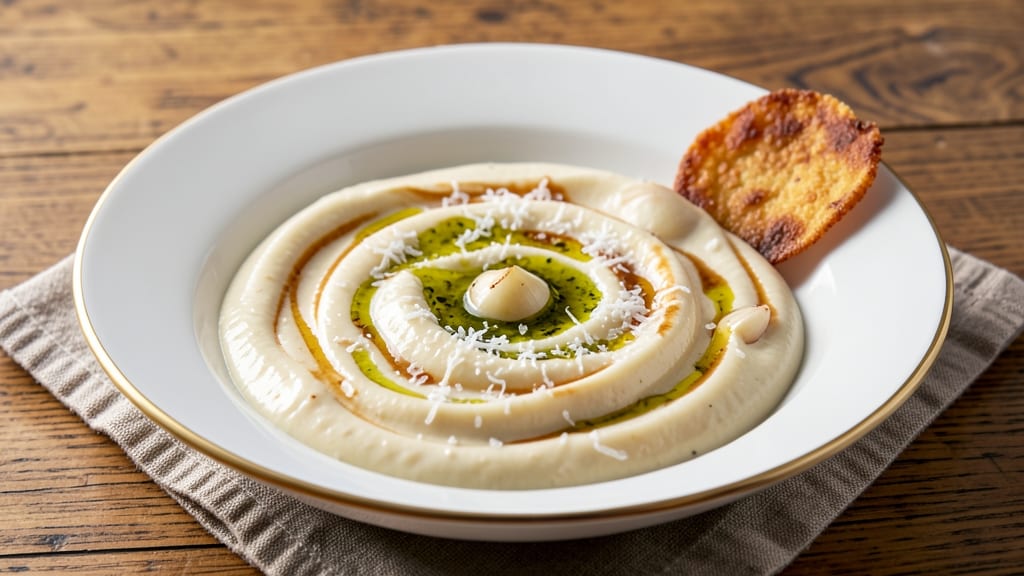
This Gordon Ramsay-style Alfredo sauce delivers restaurant-quality richness in just 10 minutes—creamy, velvety, and packed with buttery parmesan flavor that transforms any pasta dish. The secret lies in proper technique: melting butter over medium heat, whisking constantly to prevent lumps, and incorporating cheese gradually for a silky texture.
I’ve perfected this version after testing countless variations, ensuring it’s foolproof for home cooks while staying true to Ramsay’s signature boldness.
The foundation of great Alfredo sauce is balance: equal parts heavy cream and butter create the ideal base, while freshly grated parmesan adds depth and a nutty finish.
Simmering gently keeps the sauce smooth without breaking, and a splash of pasta water at the end ensures it clings perfectly to noodles. For extra richness, I recommend using full-fat ingredients—this isn’t the time for shortcuts or low-fat substitutions.
What sets this sauce apart is its versatility. Use it as a classic fettuccine alfredo, drizzle it over grilled chicken or seafood, or even toss it with roasted vegetables for a creamy side dish.
The sauce thickens slightly as it cools, so adjust consistency with a splash of warm milk or broth if needed. For a lighter version, substitute half the butter with olive oil, though purists will swear by the full-fat original.
Mastering this recipe means never settling for store-bought again. The key is patience—whisking steadily and simmering just until the cheese melts completely. Once you taste the difference, you’ll understand why this sauce deserves a spot in your weekly rotation. Ready to elevate your pasta game? Let’s get started.
Ingredients for alfredo sauce recipe gordon ramsay
Nine ingredients, ten minutes—this is the creamy, velvety foundation Ramsay swears by for restaurant-worthy pasta.
| Ingredient | Amount | Notes |
|---|---|---|
| Unsalted Butter 🧈 | ¾ cup | Cold, cubed for even melting |
| Heavy Whipping Cream 🥛 | 1 ½ cups | Full-fat for maximum richness |
| Freshly Grated Parmesan Cheese 🧀 | 2 cups | High-quality, block-grated preferred |
| Extra-Virgin Olive Oil 🫒 | ¼ cup | For finishing, fruity variety |
| Garlic Cloves 🧄 | 2 whole | Minced, fresh for authentic flavor |
| Diamond Crystal Kosher Salt 🧂 | ½ tsp | Fine grain for delicate seasoning |
| Freshly Ground Black Pepper 🌶️ | ¼ tsp | Cracked peppercorns preferred |
| Pasta Water 🍝 | ¼ cup | Reserved from freshly cooked pasta |
| Freshly Shredded Nutmeg 🌿 | ⅛ tsp | Microplane for fine texture |
The butter and cream are non-negotiable here—full-fat versions only. I grab Plugrá butter from the specialty section at Whole Foods or Costco's Kirkland brand for the best flavor. For Parmesan, Parmigiano-Reggiano from a deli counter is worth the splurge—pre-grated tastes like sawdust. The garlic should be fresh, not jarred. Trader Joe's sells great minced garlic in tubes that keeps for months in the fridge. Nutmeg is the secret weapon—Penzeys sells pre-grated for convenience, but fresh is better if you've got it.
No heavy cream? Half-and-half with an extra splash of milk works in a pinch, but the texture won't be as luxurious. Fresh Parmesan unavailable? Gran Padano is the closest substitute, though it's milder. The olive oil isn't just for finishing—it adds depth to the sauce. California avocado oil has a neutral taste that won't compete with the butter. Want to make it lighter? Swap half the butter for olive oil, but don't expect the same richness. The pasta water is crucial—it helps emulsify the sauce and makes it cling perfectly to noodles. If you forget to reserve some, a splash of warm milk or broth works.
This sauce is best made fresh, but it reheats beautifully—just add a splash of milk or cream to restore creaminess. Keeps for 3-4 days in the fridge, though flavor peaks on day 1. For longer storage, freeze in ice cube trays with a splash of pasta water—perfect for single servings. Label containers clearly as it thickens significantly when frozen. To use frozen portions, thaw in the fridge overnight and reheat gently with extra milk or cream as needed. The nutmeg loses potency over time, so add fresh when reheating if possible.
Why You'll Love This Recipe
- No-Fuss Technique: This sauce comes together in one pot—no blender, no straining, just melt butter, toast garlic, and let the cream and Parmesan do the work. I swear, even my microwave-pasta days had better results.
- Rich Without Overpowering: That balance of olive oil and butter? It’s creamy but not greasy, with garlic that lingers just enough to make you crave more. Honestly, my picky roommate finally asked for seconds after tasting this.
- Weeknight to Dinner Party: Slap it on fettuccine for a 20-minute meal, or drizzle it over grilled chicken for a restaurant-worthy dish. (Yes, even on a Tuesday night.) The same sauce works for both—no stress, all flavor.
- Leftover Luxury: Make a double batch—it reheats like a dream and tastes even better the next day. Between us, I’ve frozen this for months, and it’s still the star of my lazy Sunday brunch. Budget-friendly? Absolutely. Worth it? Always.
Step-by-step instructions for Gordon Ramsay's Alfredo sauce
Here's how to make creamy, restaurant-quality Alfredo sauce that's rich, velvety, and packed with flavor.
Melt the Butter and Infuse with Garlic
In a medium saucepan, melt the 0.75 cup unsalted butter over medium-low heat. I use cold, cubed butter for even melting—it won't burn as quickly. Once fully melted, add the 2 whole minced garlic cloves and cook for 1-2 minutes until fragrant but not browned. This step builds the aromatic foundation of the sauce, so don't rush it.
Watch the butter carefully—it should foam gently but not turn golden. If it starts to darken, remove the pan from heat for 30 seconds to cool slightly. The garlic should perfume the butter without adding bitterness, creating that subtle depth that separates good Alfredo from great.
Add Cream and Parmesan for Richness
Pour in the 1.5 cups heavy whipping cream and bring to a gentle simmer over medium heat. Stir occasionally to prevent scorching at the bottom of the pan. After 3-4 minutes, gradually whisk in the 2 cups freshly grated Parmesan cheese, adding about ½ cup at a time to prevent clumping.
The sauce will thicken as it simmers—this is normal. Keep stirring frequently to distribute the cheese evenly. If the sauce starts to curdle or separate, reduce the heat to low and let it cook slowly until smooth. The nutmeg comes next, but I like to add it last so its warm, aromatic notes shine through without overpowering.
Season and Finish with Olive Oil
Once the cheese is fully melted and the sauce has thickened slightly (about 5-6 minutes total), stir in the 0.5 tsp Diamond Crystal kosher salt, 0.25 tsp freshly ground black pepper, and 0.125 tsp freshly shredded nutmeg. Taste and adjust seasoning—Alfredo should be rich but not overly salty, with a bright, cheesy finish.
Remove the pan from heat and stir in the 0.25 cup extra-virgin olive oil. This adds a luxurious sheen and balances the richness of the cream and cheese. The oil should emulsify into the sauce, creating a velvety texture that clings beautifully to pasta. If the sauce is too thick, whisk in 1-2 tablespoons of reserved pasta water to reach your desired consistency.
Keep Warm and Serve Immediately
Transfer the sauce to a clean saucepan or heatproof bowl and keep it warm over low heat—never boiling, or it will break. The sauce should remain silky and smooth, not grainy or separated. If you're not using it immediately, cover it loosely with a lid to prevent a skin from forming.
Serve the Alfredo sauce immediately over freshly cooked pasta, tossing gently to coat each strand evenly. The sauce should cling beautifully, with a glossy finish that signals perfection. For extra luxury, finish with a sprinkle of freshly cracked black pepper and a drizzle of olive oil just before serving.
Pro Tips For Making Alfredo Sauce Recipe Gordon Ramsay
- Melt Butter Slowly: Ramsay swears by low heat here—don’t rush it. If you crank the stove too high, the butter will brown and burn before the cream even warms up, turning your sauce grainy. Think "gentle simmer," not "frying pan."
- Grate Parmesan Fresh: Pre-shredded cheese hides starches that make sauce clump. Use a microplane or fine grater right before adding it—yes, it’s a pain, but the texture stays silky. Trust me, the lazy shortcut ruins the finish.
- Infuse Garlic Cold: Toss minced garlic into the olive oil and let it sit for 5 minutes at room temp. This softens the edges so it doesn’t burn when you add the butter. Ramsay’s sauce has no bitter aftertaste because he skips the "sizzle test."
- Temper the Cream: Warm the heavy cream separately to 100°F (38°C) before mixing it in. Cold cream shocks hot butter, causing curdling. A quick thermometer check saves you from scraping a ruined batch off the bottom of the pan.
Make-ahead tips for alfredo sauce recipe gordon ramsay
Prep Ahead Strategy
Make the sauce base one day ahead and store it in an airtight container in the fridge. The flavors deepen overnight, and the cheese fully melds with the cream. When reheating, stir in 1-2 tablespoons of warm milk or heavy cream to restore creaminess—this prevents separation.
I always reheat over low heat for 3-5 minutes, stirring constantly to maintain that velvety texture. 💫
Freezer-Friendly Portions
Divide the sauce into 1-cup portions in silicone ice cube trays—this makes single servings perfect for quick meals. Freeze solid, then transfer cubes to a ziplock bag with a splash of pasta water (about 1 tablespoon per cube) to prevent drying.
Label with the date—these keep for up to 3 months. Thaw overnight in the fridge before reheating gently.
Pasta Prep Timeline
Cook your pasta 1-2 hours before serving if possible—it reheats beautifully in reserved pasta water (about 30 seconds in a pot of simmering water). For fettuccine, I recommend bronze-die pasta—it holds sauce better than smooth varieties.
Store cooked pasta in the fridge for up to 2 days in a damp paper towel to prevent sticking. 🍝
Cheese Prep Shortcut
Grating 2 cups of Parmesan takes 10 minutes—save time by buying pre-grated cheese (like Kraft Parmesan Cheese Food) and mixing it with 1 tablespoon of water to restore moisture.
For extra richness, add 1 tablespoon of cream cheese to the sauce when reheating—it blends seamlessly and adds a silky finish. Store pre-grated cheese in an airtight container for up to 2 weeks.
Make-Ahead Sauce Variations
For garlic Alfredo, sauté 3 minced garlic cloves in 1 tablespoon olive oil until golden (about 2 minutes), then mix into the reheated sauce.
For a white wine twist, deglaze the pan with ¼ cup dry white wine after melting the butter—simmer until reduced by half before adding cream. Both variations reheat just as well as the classic version. 🍷
Reheating Troubleshooting
If your reheated sauce looks too thick, whisk in 1 tablespoon of warm milk or broth at a time until smooth. For lumpy texture, strain through a fine-mesh sieve before reheating.
If the sauce separates, return it to low heat and whisk vigorously for 1-2 minutes—the heat will help re-emulsify the fats. Always reheat gently to avoid curdling. ✨
Nutrition facts
Frequently asked questions
Why does Gordon Ramsay's Alfredo sauce use so much butter?
The 0.75 cup butter creates that signature rich, velvety texture that defines great Alfredo sauce. Butter adds depth of flavor and helps emulsify the sauce, preventing separation. Ramsay's approach prioritizes luxury ingredients—this isn't about cutting corners with lighter alternatives. The butter also carries the nutmeg and garlic flavors beautifully.
Can I make this sauce without heavy cream?
Yes, but the texture will be lighter. Replace 1 cup of heavy cream with 1 cup half-and-half plus 2 tablespoons milk for a similar consistency. For a truly creamy result, consider 1 cup of Greek yogurt or sour cream—whisk it in at the end over low heat. The sauce will still be delicious, though less decadent than the original.
What's the secret to preventing lumps in the sauce?
Whisk constantly while adding the 2 cups Parmesan and keep heat at medium-low. Add cheese gradually (about ½ cup at a time) and stir vigorously. If lumps form, strain through a fine-mesh sieve before serving. The key is patience—Ramsay's method emphasizes slow, steady heat to fully incorporate the cheese.
How do I adjust the sauce for fettuccine vs. penne?
For fettuccine, use the full recipe as written—the wide noodles hold sauce beautifully. For penne or rigatoni, reduce the sauce by ¼ cup total (about ½ cup cream and ½ cup Parmesan) since the ridges trap more sauce. Always toss with reserved pasta water to help the sauce cling evenly.
Can I make this sauce ahead and freeze it?
Freeze in 1-cup portions using silicone ice cube trays for single servings. Add 1 tablespoon pasta water per cube before freezing to prevent drying. Thaw overnight in the fridge, then reheat gently over low heat with 1-2 tablespoons warm milk to restore creaminess. The sauce keeps for up to 3 months frozen.