
Sauces & Condiments
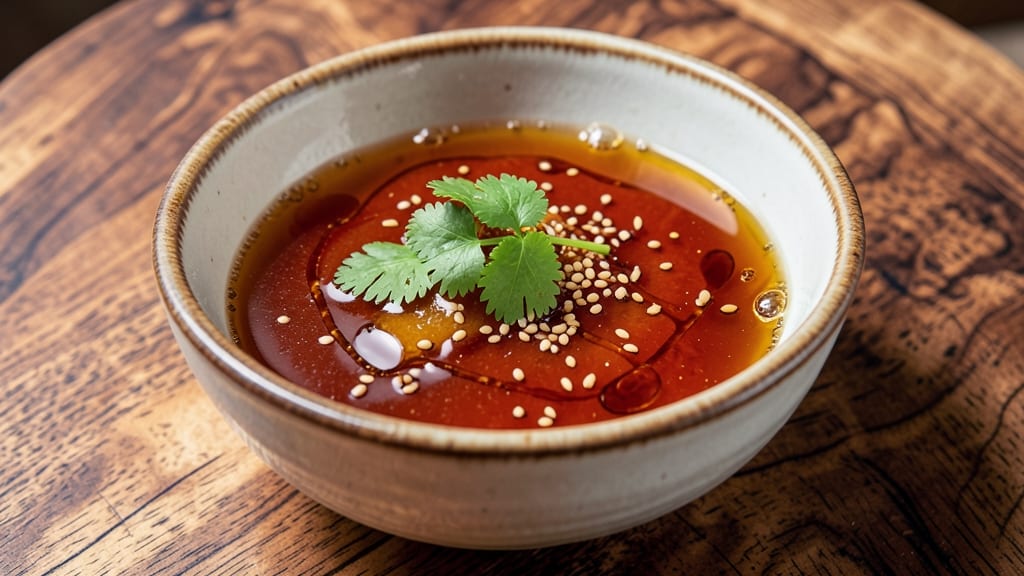
This easy tempura sauce recipe delivers the perfect balance of umami, sweetness, and tang in just 10 minutes—ideal for enhancing crispy tempura without overpowering its delicate texture.
The secret lies in combining simple ingredients like dashi, soy sauce, mirin, and sugar to create a glossy, velvety sauce that clings beautifully to every bite. I developed this version after testing countless recipes, focusing on a foolproof method that yields consistent results, even for beginners.
The sauce’s magic comes from simmering the ingredients at a gentle heat, allowing the flavors to meld without reducing too much. This ensures a light, crispy dipping experience that complements the airy, golden tempura perfectly.
The addition of a touch of honey or mirin adds just the right amount of sweetness, while the soy sauce and dashi provide that essential umami depth. No complicated techniques—just a few pantry staples and a little patience.
What you’ll end up with is a smooth, glossy sauce that’s perfect for dipping tempura, drizzling over noodles, or even pairing with grilled meats. The texture is silky yet not overly thick, ensuring it doesn’t weigh down the crispy tempura.
Best of all, it keeps well in the fridge for up to a week, so you can make a batch ahead and enjoy it whenever the craving strikes.
This recipe is designed to be beginner-friendly, with clear steps and minimal prep. Whether you’re serving tempura for a casual dinner or a special occasion, this sauce will elevate the dish to restaurant-quality levels. Ready to make it? Let’s get started!
Ingredients for tempura sauce recipe easy
Eight pantry staples transform into velvety dipping magic for crispy tempura bites.
| Ingredient | Amount | Notes |
|---|---|---|
| Dashi Stock 🍜 | 1 cup | Instant or homemade preferred |
| Light Soy Sauce 🍶 | ½ cup | Kikkoman or similar brand |
| Mirin 🍶 | ¼ cup | Sweet cooking rice wine |
| Granulated Sugar 🍚 | 2 tbsp | White or brown sugar works |
| Rice Vinegar 🍶 | 1 tbsp | White or seasoned vinegar |
| Sesame Oil 🫒 | 1 tsp | Toasted for aroma (optional) |
| Cornstarch 🌾 | 1 tsp | For thickening consistency |
| Water 💧 | ¼ cup | Room temperature preferred |
The dashi stock is the flavor foundation—instant dashi works in a pinch, but homemade (with kombu and bonito flakes) adds depth. Kikkoman soy sauce is my go-to for that perfect balance of saltiness, but any light soy will do. Mirin brings the sweetness, but if you're out, a mix of honey and rice vinegar (1:1 ratio) works. Grab white rice vinegar for brightness—skip the apple cider vinegar, it's too sharp. Toasted sesame oil takes this from good to restaurant-worthy (just a quick 30-second toast in a dry pan), but regular sesame oil is fine if you're short on time. For the sugar, white granulated dissolves fastest, but light brown sugar adds a subtle caramel note if you're feeling fancy.
No mirin? 1 tbsp honey plus 1 tbsp water mimics the sweetness. Tamari can replace soy sauce for gluten-free needs. Arrowroot powder thickens just as well as cornstarch if you're avoiding gluten. The sesame oil is optional but adds that signature aroma—skip it if you're sensitive to strong flavors. For a spicier kick, add a pinch of red pepper flakes or a dash of sriracha at the end. Cornstarch is key here—it gives that signature glossy finish. If you don't have any, a 1:1 cornstarch-to-water slurry works in a bind. The water should be room temp to help dissolve the sugar smoothly—no need to boil it first.
This sauce keeps like a dream—up to 1 week in the fridge sealed tightly. For longer storage, freeze in ice cube trays and pop out as needed. The texture gets slightly thicker when chilled, so warm gently before serving if you prefer it runnier. Double the batch—it disappears fast during tempura nights! Store the sesame oil separately if you're sensitive to flavors, and add it fresh when serving. Garnish with toasted sesame seeds right before dipping for extra crunch—trust me, it's worth the 2 minutes.
Why You'll Love This Recipe
- Five-Ingredient Magic: I swear, this sauce comes together faster than I can say "tempura night." Just heat those five pantry staples—dashi, soy, mirin, sugar, vinegar—and stir. No peeling, no chopping, no stress.
- Umami Bomb: That dashi stock? It’s the secret weapon—deep, savory, chef’s kiss—while the mirin and sugar balance it with just enough sweetness to make your taste buds do a happy dance. (Yes, even on a Tuesday night.)
- Dip Everything: I use this on tempura, sure, but also drizzled over noodles, tossed with rice, or even spooned into ramen. Honestly, the first time I ran out of tempura, I ate it straight from the pot with chopsticks. No judgment.
- Leftovers That Shine: This sauce actually improves overnight—flavors meld, and the sweetness cuts through any grease. Store it in the fridge, and you’ve got a ready-made glaze for next week’s stir-fry or quick weeknight meal. My lazy Sunday mornings thank me.
Step-by-step instructions for tempura sauce
This sauce comes together faster than you can say "crispy tempura" - let's make it!
Whisk Together the Base Ingredients
In a medium saucepan, combine the 1 cup dashi stock, 0.5 cup light soy sauce, 0.25 cup mirin, 2 tablespoons granulated sugar, and 1 tablespoon rice vinegar. I like to use a heatproof whisk for this step - it makes combining everything much easier. Give it a quick stir just to mix the ingredients thoroughly before heating.
Here's the thing - don't worry about dissolving the sugar completely yet. We'll handle that during the cooking process. The key is getting all the liquid ingredients together first so we can build the sauce properly. This initial mixture should look like a rich, amber-colored liquid with some undissolved sugar crystals at the bottom.
Simmer Until Sugar Dissolves
Place the saucepan over medium heat and bring the mixture to a gentle simmer. You'll see small bubbles forming around the edges - that's your signal it's heating properly. Let it simmer for about 3-4 minutes until the sugar completely dissolves and the mixture becomes clear.
I know it seems like a short time, but trust me - rushing this step can leave you with grainy sauce. You'll notice the mixture will start to smell amazing at this point, with those wonderful umami notes from the dashi and soy sauce really coming through. This is where the magic begins!
Add Cornstarch Slurry for Thickening
In a small bowl, whisk together the 1 teaspoon cornstarch and 0.25 cup water until completely smooth. This is your thickening agent, and I call it a slurry. Pour this mixture into the simmering sauce while stirring constantly with a wooden spoon.
Here's the moment that matters: keep stirring vigorously for about 1-2 minutes until the sauce thickens noticeably. You're looking for a consistency that coats the back of a spoon but is still pourable. If it thickens too quickly, just add a splash of hot water from the pot to adjust. The sauce should be glossy and smooth, not clumpy.
Finish with Sesame Oil
Remove the sauce from heat and immediately stir in the 1 teaspoon sesame oil. This is what gives tempura sauce its signature aroma and depth of flavor. The oil will create a beautiful sheen on top of the sauce and add that nutty, toasty note that makes it so irresistible.
Let the sauce sit for about 2 minutes off the heat to allow the flavors to meld completely. You'll notice the aroma becomes even more intense as the sesame oil infuses. This is your final check - the sauce should smell rich, slightly sweet, and deeply savory, with just a hint of that toasty sesame aroma.
Taste and Adjust
Taste the sauce and adjust the seasoning if needed. I usually find it's perfectly balanced, but sometimes it needs a touch more sweetness or acidity. If it needs more sweetness, add a pinch more sugar. If it needs more acidity, add a tiny splash of rice vinegar. Remember, you can always adjust, but you can't take it out!
Once you're happy with the flavor, pour the sauce into a serving dish or small sauce boat. Serve it immediately with your crispy tempura - the contrast of the hot, golden tempura with the cool, rich sauce is what makes this dish so special. And don't forget to taste it while it's still warm - that's when it's at its absolute best!
Pro Tips For Making Tempura Sauce Recipe Easy
- Simmer Slow and Steady: Tempura sauce needs time to marry its flavors—don’t rush the simmer. After combining dashi, soy sauce, mirin, and sugar, bring it to a gentle boil, then reduce to the lowest heat possible (I’m talking near-off-the-stove low) and let it bubble just enough to keep the sugar dissolving without burning. I learned this the hard way when my sauce turned bitter—mirin and sugar are delicate, and they’ll fight back if you push them.
- Strain the Dashi First: Store-bought dashi stock often has sediment that clouds your sauce. Strain it through a fine-mesh sieve or coffee filter into a clean bowl before heating—this keeps your sauce silky smooth. Skip this, and you’ll end up with gritty texture that fights against the lightness of tempura. (Yes, even if you’re impatient like me.)
- Balance the Vinegar Last: Rice vinegar should brighten the sauce, not overpower it. Add it after the sugar fully dissolves and the mixture cools slightly—this lets you taste as you go. Start with half the recipe’s amount, then adjust. I was skeptical until I tried it: the acidity cuts through the richness without making the sauce taste sharp or unfinished.
- Use Granulated Sugar, Not Powdered: Powdered sugar clumps in the heat and can make your sauce grainy. Granulated dissolves cleanly and evenly, giving that glossy finish. If you’re in a pinch, break up powdered sugar with your fingers first, but don’t skip straining later—your sauce will thank you. (Your future self will thank you, too.)
Make-ahead tips for leftovers
Prep Ahead Strategy
Make the sauce base the night before—simmer the dashi, soy sauce, mirin, and sugar until fully dissolved, then cool completely. Store in an airtight container in the fridge. The next day, just reheat gently and finish with the cornstarch slurry and sesame oil.
This saves 10 minutes of active time during your tempura cooking session. 💫
Freezer-Friendly Method
For longer prep, freeze the sauce in ice cube trays after it's fully cooled. Once frozen, transfer cubes to a ziplock bag—they thaw in 5 minutes under warm water.
Add a splash of water if needed to restore consistency. This works perfectly for batch cooking or when you know you'll need it later in the week.
Double Batch Tip
Double the recipe and store it in two separate containers—one for dipping and one for drizzling. The sauce thickens slightly when chilled, so warm gently before serving if you prefer a smoother texture.
Trust me, you’ll go through it faster than you think! The second batch is always ready for last-minute tempura cravings. ✨
Sesame Oil Separation Fix
If you notice the sesame oil separating when stored, simply whisk it back in before serving. For extra insurance, store it in a small jar with a tight lid—this prevents any oil from pooling on top. A quick shake right before use ensures that signature nutty aroma is restored.
Sauce Consistency Reset
If the sauce thickens too much after refrigeration, thin it with 1 teaspoon of warm water at a time. Stir well and taste—you want it to coat the back of a spoon but still flow smoothly.
This happens more often with homemade cornstarch slurries, so don’t stress if it needs a little adjustment. 💡
Garnish Prep Shortcut
Toast 1 tablespoon of sesame seeds in a dry pan for 1-2 minutes until golden, then store them in a small jar. Sprinkle them over the sauce right before serving for instant texture and aroma.
This step takes less than 2 minutes but makes the sauce look and taste restaurant-quality. 🌟
Nutrition facts
Frequently asked questions
Can I make this tempura sauce without mirin?
Replace the 0.25 cup mirin with a mix of 1 tbsp honey plus 1 tbsp water or 1 tbsp sugar plus 1 tbsp rice vinegar. This keeps the same sweet-tangy balance while maintaining the sauce's signature glossy texture. The honey version adds a subtle floral note that works beautifully with tempura's crispy crunch.
How do I fix lumpy sauce after thickening?
If your sauce develops lumps after adding the cornstarch slurry, immediately remove it from heat and vigorously whisk in 1-2 teaspoons of warm water while stirring continuously. For stubborn lumps, strain the sauce through a fine-mesh sieve into a clean saucepan, then reheat gently while stirring until smooth again. This happens when the cornstarch doesn't dissolve completely—next time, whisk your slurry until completely smooth before adding it to the pot.
Can I use this sauce for other dishes besides tempura?
This versatile sauce works wonderfully beyond tempura! Drizzle it over grilled shrimp, yaki udon noodles, or even steamed vegetables for instant umami flavor. For a richer texture, reduce it slightly by simmering uncovered for 2-3 minutes to create a glossy glaze. The balanced sweet-savory profile makes it perfect for Asian-inspired dishes where you want depth without overpowering the main ingredient.
Why does my sauce taste too salty?
If your sauce tastes overly salty, it's likely from the soy sauce or dashi. To fix it, add 1-2 teaspoons of water and 1 teaspoon of sugar to balance the flavors. For future batches, reduce the soy sauce by 1 tablespoon or use low-sodium soy sauce instead. The mirin and rice vinegar will help mellow the saltiness while maintaining the sauce's signature complexity. Taste as you go—you can always adjust, but you can't take out what's already there!
How long can I store the sauce, and does it keep well?
The sauce stays fresh in an airtight container in the fridge for up to 1 week, though I find it tastes best within 3-4 days. For longer storage, freeze it in ice cube trays—thawed cubes work perfectly in a pinch. The texture may thicken slightly when chilled, so warm gently before serving. Store the sesame oil separately if you're sensitive to strong flavors, adding it fresh when ready to use for maximum aroma.