
Sauces & Condiments
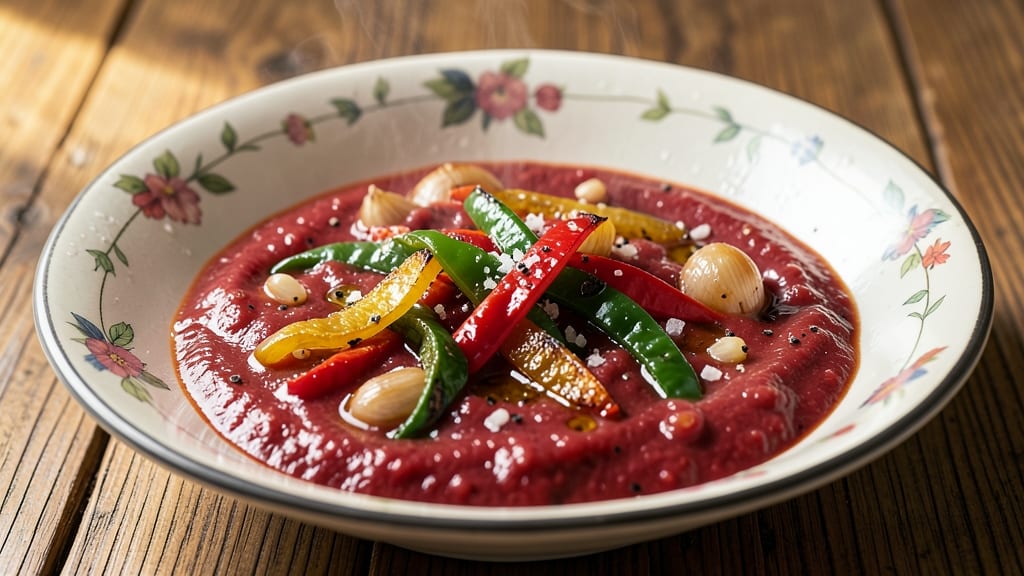
This poivrade sauce recipe transforms simple ingredients into a smoky, tangy base that elevates everything from grilled meats to roasted vegetables. 🔥 I first discovered it while researching French bistro techniques—its deep peppery notes and rich tomato foundation make it a secret weapon for home cooks.
The key lies in slow-cooked peppers and vinegar, which develop complex flavors over time.
The process is straightforward but requires patience: charring fresh peppers over an open flame (or broiler) unlocks their natural sweetness and smokiness. Combined with tomatoes, garlic, and a splash of vinegar, the sauce builds layers of flavor as it simmers.
This isn’t just a condiment—it’s a marinade, a glaze, or a bold finishing touch that turns simple dishes into restaurant-worthy meals.
What makes this sauce special is its versatility. Use it to baste steaks during grilling, drizzle over roasted Brussels sprouts, or serve as a tangy dip for crusty bread.
The smoky depth pairs beautifully with charred meats, while the acidity cuts through richness. Once you taste the difference between store-bought and homemade, you’ll never go back.
Ready in about 45 minutes, this sauce keeps well in the fridge for up to a week, making it perfect for meal prep. The ingredients are simple—peppers, tomatoes, garlic, and vinegar—but the technique ensures professional results. Let’s get started with a recipe that delivers bold flavor with minimal effort.
Ingredients for poivrade sauce
Nine essential ingredients create this restaurant-quality poivrade sauce with deep smoky and tangy complexity.
| Ingredient | Amount | Notes |
|---|---|---|
| Bell Peppers (Assorted Colors) 🌶️ | 3 whole | Fresh, charred over flame |
| San Marzano Crushed Tomatoes 🍅 | 28 oz | High-quality, canned preferred |
| Shallots 🧅 | 3 whole | Minced, not chopped |
| Garlic Cloves 🧄 | 4 cloves | Peeled, smashed for infusion |
| White Wine Vinegar 🍷 | ¼ cup | Balsamic adds depth alternative |
| Olive Oil 🫒 | ½ cup | Extra-virgin for richness |
| Black Peppercorns 🌶️ | 1 tbsp | Crushed, not ground |
| Fresh Thyme 🌿 | 2 sprigs | Stems removed, leaves only |
| Salt 🧂 | 1 ½ tsp | Diamond Crystal preferred |
| Red Wine 🍷 | ¼ cup | Dry, bold variety |
The bell peppers are the foundation—assorted colors add visual appeal and varied sweetness. Whole Foods or local farmers markets often carry heirloom varieties with superior flavor. Char them directly over a gas flame (or broiler) until blackened—this develops their natural sweetness and smoky depth. For efficiency, Costco's bulk pepper selection works well, but avoid pre-charred or frozen peppers. The San Marzano tomatoes are non-negotiable; their sweet, meaty texture and low acidity create the perfect base. If unavailable, Crushed tomatoes in a 28 oz can from Muir Glen are the next best option.
No white wine vinegar? Apple cider vinegar or balsamic vinegar both work, though balsamic adds a slightly sweeter note. Fresh thyme is ideal, but dried thyme at one-third the amount suffices in a pinch. The red wine can be substituted with additional crushed tomatoes and a splash of balsamic vinegar for a vegetarian version. For a quicker prep, pre-minced shallots and garlic from the produce section save time, though fresh mincing yields better flavor. The olive oil should be extra-virgin—anything less will compromise the sauce's richness.
Store in an airtight container in the refrigerator for up to 7 days, where flavors continue developing. For longer storage, freeze in 1-cup portions for up to 3 months. The sauce thickens as it cools, so add a splash of water or vinegar when reheating. Double the batch—this sauce pairs perfectly with grilled meats, roasted vegetables, or as a marinade, and the extra ensures you always have it on hand for last-minute flavor boosts.
Why You'll Love This Recipe
- No-Chop Nightmare: I swear by this recipe because the bell peppers? Just slice them into strips—no dicing, no fuss. The shallots and garlic barely need prep, and the tomatoes? Already crushed. Honestly, I make this while scrolling through my phone.
- Sweet-Savory Magic: That first bite of charred peppers with the bright tang of white wine vinegar and the deep, juicy San Marzano tomatoes? It’s the kind of balance that makes you pause. The roasted shallots add this warm, almost caramelized sweetness that ties everything together.
- Pantry-to-Plate Power: This sauce works with pasta, eggs, or even as a dip—no extra shopping needed. I’ve used it for a quick weeknight dinner with crusty bread, as a marinade for grilled chicken, and even mixed into a frittata. It’s my secret weapon for meals that feel special without the effort.
- Budget-Friendly Staple: A single jar of crushed tomatoes and a bag of mixed bell peppers stretch across multiple meals. I’ve made this for four people for under $10, and it still tastes like I spent hours. Plus, it keeps well in the fridge—so I can batch it and forget it.
Step-by-step instructions for poivrade sauce
Master this classic French technique for a rich, smoky base that elevates any dish.
🔥 Step 1: Char the Bell Peppers Over Flame
Hold each of the 3 whole bell peppers over a gas burner or grill flame, turning frequently, until the skin blackens and blisters in 8-10 minutes. You're looking for deep char marks—this develops the smoky depth characteristic of poivrade. Place the charred peppers in a bowl, cover with plastic wrap, and let steam for 10 minutes to soften.
Real talk: don't skip the charring. The smoky flavor comes entirely from this step. If your flame is too hot, the peppers will burn before they char properly—adjust the heat to create a gentle flame that blackens but doesn't burn through completely.
👨🍳 Step 2: Build the Flavor Base in Olive Oil
Heat the 0.5 cup olive oil in a large Dutch oven over medium heat until shimmering. Add the 3 minced shallots and cook for 3-4 minutes until softened but not browned. Add the 4 smashed garlic cloves and cook for 30 seconds until fragrant—don't let them brown or they'll turn bitter.
Here's the thing—this gentle cooking develops the aromatics without burning them. If your shallots start to color, reduce the heat slightly. The oil should be hot enough to cook but not so hot that it burns the delicate flavors we're building here.
🍳 Step 3: Add Crushed Tomatoes and Simmer
Pour in the 28 oz San Marzano crushed tomatoes and stir to combine with the aromatics. Add the 0.25 cup red wine and 0.25 cup white wine vinegar, scraping up any browned bits from the bottom of the pot. Bring to a gentle simmer over medium-low heat and cook uncovered for 20 minutes.
During this time, the sauce will reduce slightly and develop depth. The acidity from the vinegar will brighten the tomatoes while the wine adds complexity. Taste occasionally—you're aiming for a balanced foundation that's neither too sweet nor too tart.
🥘 Step 4: Incorporate Charred Peppers and Seasonings
Remove the skins from the steamed charred peppers (they should slip off easily now) and roughly chop the flesh. Add the pepper flesh, 2 sprigs fresh thyme leaves, 1 tbsp crushed black peppercorns, and 1.5 tsp salt to the simmering sauce. Stir well to combine, then reduce heat to low and let cook for another 15 minutes.
This is where the sauce comes together. The charred peppers add their smoky essence while the thyme and peppercorns contribute earthy depth. The salt should be added gradually—taste as you go. The sauce should finish with a balance of sweetness from the tomatoes, acidity from the vinegar, and smokiness from the peppers.
⏰ Step 5: Finish and Adjust Consistency
Remove the thyme sprigs and adjust the seasoning if needed. For a smoother sauce, blend with an immersion blender until you reach your desired texture. If it's too thick, thin with a splash of water or broth; if too thin, simmer uncovered for 5-10 minutes longer to reduce.
The finished poivrade should coat the back of a spoon with a velvety consistency. This versatile sauce works as a base for stews, braises, or as a condiment for grilled meats. It keeps well in the refrigerator for 5 days or can be frozen for 3 months—just thaw and reheat gently before using.
Pro Tips For Making Poivrade Sauce
- CHAR THE PEPPERS RIGHT: I used to roast peppers until they were too soft—mushy, even. Poivrade needs them tender but still holding shape. Char them over direct heat (broiler or grill) until blackened in spots, then finish under the oven broiler for 2-3 minutes. The contrast between smoky edges and bright flesh is what makes this sauce sing.
- MINCE SHALLOTS FINE: Skip the dice. Finely mince shallots (almost paste-like) so they dissolve into the sauce instead of sitting as chunks. I learned this the hard way—lumpy shallots scream "amateur." Use a knife or pulse briefly in a food processor, but don’t overdo it or you’ll get bitter flavors.
- ACIDIFY GRADUALLY: White wine vinegar is potent—add it in stages. Start with half the recipe’s amount, taste, then adjust. Too much upfront and you’ll regret it; too little and the sauce lacks brightness. The goal is a balance where the vinegar cuts through the tomatoes without overpowering the peppers’ natural sweetness.
- SIMMER LOW AND LONG: Poivrade isn’t a rush job. After adding tomatoes and vinegar, reduce heat to a bare simmer (tiny bubbles, occasional skimming) for at least 30 minutes. This lets flavors meld deeply—skipping this step leaves it tasting flat. Cover loosely if it reduces too fast, but peek often.
Creative variations of poivrade sauce
Smoky Chipotle Twist
Swap the charred bell peppers for 2 chipotle peppers in adobo sauce (minced) and add 1 tsp smoked paprika when building the flavor base. The result is a deep, smoky-sweet sauce with Mexican flair—perfect for grilled chicken or black beans.
I love this version with corn tortillas for a fusion twist. 🌶️
Herb-Infused Variations
Boost the fresh herbs for a brighter profile: add 1 tbsp chopped rosemary with the thyme or swap in 1 sprig fresh oregano for a Mediterranean touch. For a garlic-forward version, use 6 smashed garlic cloves and reduce the shallots to 2.
The extra garlic adds layers of complexity that pair beautifully with roasted lamb.
Vegetarian-Friendly Adaptation
Skip the red wine and replace it with ½ cup vegetable broth plus 1 tbsp balsamic vinegar for depth. Add 1 tsp liquid smoke (optional) to mimic the charred flavor.
This version works as a marinade for portobello mushrooms or as a base for lentil stews. The sauce keeps its rich texture while staying completely plant-based.
Sweet & Tangy Glaze
Reduce the sauce by 50% (simmer uncovered for 20-30 minutes) and finish with 2 tbsp honey or maple syrup. This caramelized version glazes grilled meats like pork chops or chicken thighs beautifully.
The sweetness balances the smoky acidity, creating a sticky, restaurant-quality finish. Drizzle over roasted Brussels sprouts for a sweet-savory contrast.
Spicy & Creamy Fusion
After blending, stir in ¼ cup crème fraîche or Greek yogurt for a creamy element. Add ½ tsp cayenne pepper and 1 tsp brown sugar for a spicy-sweet kick.
This version pairs perfectly with grilled shrimp or as a dip for pita bread. The creaminess softens the sauce's acidity while keeping it vibrant and complex.
Winter Root Vegetable Base
Swap the tomatoes for 2 cups roasted butternut squash purée and add 1 tsp cinnamon when simmering. The result is a velvety, autumnal sauce that works beautifully with roasted root vegetables or as a glaze for pork tenderloin. The natural sweetness of the squash complements the smoky peppers perfectly. 🍂
Nutrition facts
Frequently asked questions
Can I make poivrade sauce without charring the peppers?
The charring step is essential for that signature smoky depth, but you can achieve a similar effect by roasting the peppers in a 400°F oven for 25 minutes until blackened. For an even quicker alternative, use 1 tsp smoked paprika and ½ tsp liquid smoke when building the flavor base. The texture will be slightly different, but the sauce will still deliver bold flavor.
How can I use poivrade sauce beyond grilling?
This versatile sauce works as a marinade for chicken thighs or pork chops (coat and refrigerate for 4-6 hours), a glaze for roasted vegetables, or even a dipping sauce for crusty bread. Try using it as a base for a quick pasta sauce by tossing with cooked penne and fresh basil. The smoky-sweet profile elevates everything from tacos to roasted potatoes.
What's the best way to store and reheat poivrade sauce?
Store in an airtight container in the fridge for up to 7 days or freeze for 3 months. To reheat, warm gently in a saucepan over low heat until bubbling. If it thickens too much, add a splash of water or vinegar to restore consistency. Never microwave—this can break down the delicate flavors you've built.
Can I substitute red wine with something else?
Yes! For a non-alcoholic version, use ½ cup vegetable broth plus 1 tbsp balsamic vinegar to maintain depth. If you prefer wine, dry reds like Cabernet Sauvignon work best, but white wine vinegar (already in the recipe) can stand in at a 1:1 ratio. The key is balancing acidity—taste as you go.
Why did my poivrade sauce turn out too acidic?
This usually happens from over-simmering or using too much vinegar. Balance the acidity by adding a pinch of sugar (½ tsp) or a splash of tomato paste to sweeten the base. For future batches, reduce simmering time to 15 minutes and taste frequently. The sauce should have bright acidity, not overwhelming tang.