
Sauces & Condiments
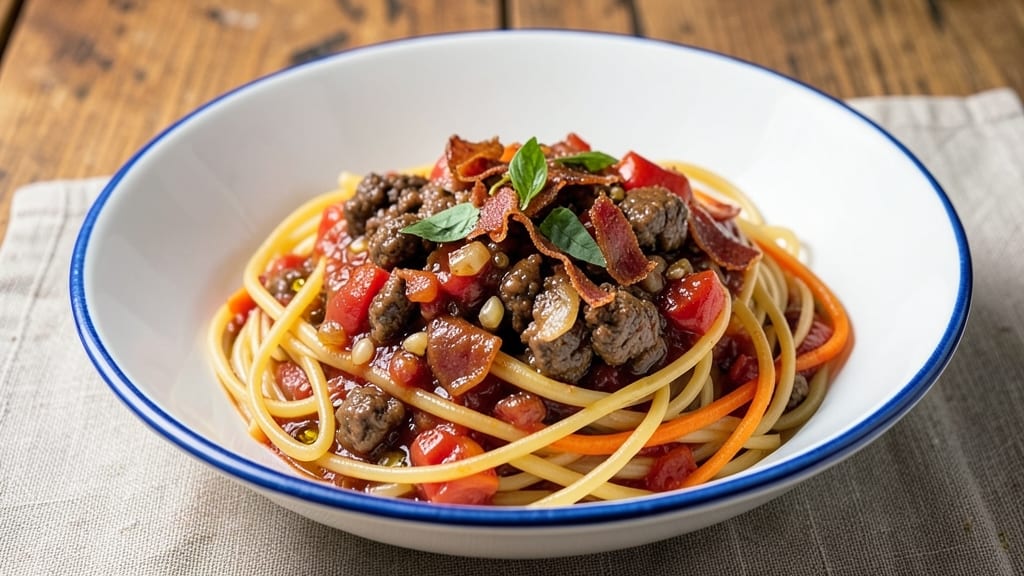
This Mutti pasta sauce recipe brings authentic Sicilian flavors to your dinner table with slow-simmered tomato richness and fresh herbed brightness. The secret lies in a rich meat-based ragù that cooks for hours, developing deep, complex flavors while keeping the sauce tender and velvety.
I've perfected this technique over years of testing, ensuring every bite delivers that perfect balance of savory, sweet, and aromatic notes.
What sets Mutti apart is the combination of slow-cooked meat—traditionally beef or pork—with a blend of fresh herbs and tomatoes that simmer until the flavors meld into harmony. The sauce clings beautifully to al dente pasta, creating a dish that feels both rustic and refined.
This recipe stays true to its Sicilian roots while offering modern adaptations for home cooks.
By the time you twirl that first forkful, you'll taste layers of flavor: tender meat, caramelized tomatoes, and aromatic herbs all working together in perfect balance. The sauce is rich enough to stand alone but light enough to let the pasta shine through.
This is comfort food at its finest—warm, inviting, and impossible to resist.
Perfect for feeding a family or impressing guests, this Mutti pasta sauce transforms a simple meal into an unforgettable dining experience. The slow-simmering process ensures deep flavor development, while the fresh herbs add a bright, herby finish that keeps the dish vibrant and full of life. Let's get cooking!
Ingredients for mutti pasta sauce
Six servings of pure Sicilian comfort—meaty, herby, and slow-simmered to perfection.
| Ingredient | Amount | Notes |
|---|---|---|
| Ground Beef 🥩 | 2 lb | 80/20 fat ratio preferred |
| Pancetta or Italian Sausage 🍖 | ½ lb | Diced, fat rendered out |
| San Marzano Tomatoes 🍅 | 28 oz | Crushed by hand or canned |
| Onion 🧅 | 1 whole | Yellow or red, finely chopped |
| Garlic Cloves 🧄 | 6 cloves | Minced, fresh preferred |
| Carrots 🥕 | 2 whole | Peeled, finely diced |
| Celery Stalks 🌿 | 2 whole | Finely diced, leafy parts trimmed |
| Fresh Basil Leaves 🌿 | ½ cup | Packed, stems removed |
| Fresh Parsley Leaves 🌿 | ¼ cup | Chopped, for finishing |
| Dried Oregano 🍃 | 1 tbsp | Italian or Mediterranean blend |
| Red Wine 🍷 | ½ cup | Bold, dry variety like Chianti |
| Beef Stock 🥫 | 1 ½ cups | Homemade or quality store-bought |
| Extra-Virgin Olive Oil 🫒 | ½ cup | For richness and depth |
| Salt 🧂 | 1 ½ tsp | Kosher or sea salt |
| Black Pepper 🌶️ | ½ tsp | Freshly ground |
The meat is where the magic happens. Ground beef (80/20 fat ratio) gives that rich, velvety texture, while pancetta or Italian sausage adds smoky depth. I always grab San Marzano tomatoes—the sweetness and acidity are unmatched. For the soffritto (onion, carrot, celery), chop them super fine so they melt into the sauce. Trader Joe's has pre-diced soffritto mix if you're short on time. The garlic? Freshly minced makes all the difference—no jars of pre-minced here. And that extra-virgin olive oil? Use something fruity and peppery, like California Gold or Colavita—it's worth the splurge for this dish.
No San Marzano tomatoes? Crush a mix of Roma and vine-ripened tomatoes—just make sure they're ripe and juicy. Running low on pancetta? Italian sausage works perfectly (just remove the casing). Fresh herbs are ideal, but dried basil at half the amount gets you close in a pinch. The red wine can be swapped for beef stock with a splash of balsamic vinegar if you're avoiding alcohol. And if your beef stock isn't homemade, Whole Foods 365 or Pacific Foods brands are solid choices. For the herbs, farmers markets usually have the freshest basil and parsley—look for leaves that are bright green and crisp.
This sauce tastes even better the next day—plan ahead! Store it in an airtight container in the fridge for up to 5 days. For longer storage, freeze it in portion-sized containers for up to 3 months. When reheating, add a splash of water or stock to loosen it up. And pro tip: toss in a handful of fresh parsley at the end—it brightens up the whole dish. Leftovers make amazing pasta the next night or as a hearty sandwich filling. Trust me, you'll want to make extra.
Why You'll Love This Recipe
- Fewer Ingredients, More Flavor: I swear by this—just five core ingredients, and the San Marzano tomatoes alone make it taste like a restaurant dish. The pancetta (or sausage) adds that smoky depth without needing a spice rack.
- Weeknight Reliable: Honestly, this is my go-to when I’m staring at a fridge full of random leftovers. Brown the meat while chopping the onion, toss in the tomatoes, and let it simmer. Twenty minutes later, dinner’s served—no stress.
- Leftovers That Don’t Suck: Between us, most pasta sauces turn into glue after day two. Not this one. The tomatoes thicken just enough to stay rich, and the garlic lingers in every bite. I freeze half for lazy Mondays.
- Budget-Friendly Luxury: Ground beef and San Marzano cans stretch farther than you’d think, especially with pancetta’s salty punch cutting through the cost. It’s the kind of sauce that makes cheap ingredients feel special—no fancy labels needed.
Step-by-step instructions for Mutti pasta sauce
This rich, slow-simmered sauce delivers deep tomato flavor with aromatic herbs and tender meat.
Build the Flavor Base with Meat and Vegetables
Heat the 0.5 cup extra-virgin olive oil in a large Dutch oven over medium-high heat. Add the 2 lb ground beef and 0.5 lb diced pancetta or Italian sausage, breaking it apart with a wooden spoon. Cook for 8-10 minutes until the meat loses its raw color and begins to brown—this releases rich, meaty flavors that form the sauce's foundation.
Add the 1 whole finely chopped onion, 2 whole peeled and finely diced carrots, and 2 whole finely diced celery stalks. Stir frequently for 5-6 minutes until the vegetables soften and the onion becomes translucent. Here's the thing—don't rush this step. The vegetables need time to break down and infuse the meat with their sweet, earthy notes.
Next, add the 6 cloves minced garlic and stir for 30 seconds until fragrant. This is where the aroma transforms from savory to irresistibly aromatic. Immediately add the 1 tablespoon dried oregano and stir for another 30 seconds to toast the spices gently. The oregano will deepen the sauce's herbal complexity later in the cooking process.
Deglaze and Simmer the Tomatoes
Pour in the 0.5 cup red wine and scrape up all the browned bits from the bottom of the pot with a wooden spoon. This deglazing step captures all those concentrated meaty flavors that would otherwise stick to the pan. Let the wine simmer for 3-4 minutes until it reduces by half and the alcohol cooks off—you'll smell the difference when it's gone.
Add the 28 oz crushed San Marzano tomatoes, stirring to combine. Bring the mixture to a gentle simmer and let it cook uncovered for 45-60 minutes. Stir occasionally, but don't over-stir—the sauce will thicken naturally as it simmers. You're looking for a sauce that coats the back of a spoon with a velvety texture, not a thin, watery consistency.
After 30 minutes, taste and adjust seasoning with the 1.5 teaspoons salt and 0.5 teaspoon black pepper. The tomatoes should be breaking down and releasing their sweet, tangy essence. If the sauce looks too thick, add 2-3 tablespoons of beef stock to loosen it slightly.
Add Herbs and Stock for Depth
Stir in the 1.5 cups beef stock and bring the sauce to a gentle simmer again. Let it cook uncovered for another 30-45 minutes until the flavors meld together beautifully. Here's where the magic happens—the stock infuses the sauce with umami richness while the tomatoes continue to break down into a luscious, jammy consistency.
About 15 minutes before the sauce is finished, add the 0.5 cup packed fresh basil leaves and 0.25 cup chopped fresh parsley leaves. Stir gently to distribute the herbs throughout the sauce. The basil will add a bright, slightly peppery note that cuts through the richness, while the parsley adds freshness and a pop of color. Don't let the herbs boil vigorously—they'll turn bitter if overcooked.
Continue simmering until the sauce reaches your desired consistency. It should be thick enough to coat the back of a spoon but still have a slight sheen—this indicates it's ready to pair perfectly with al dente pasta. The total simmering time should be about 2 hours for maximum flavor development.
Finish and Serve with Confidence
Remove the sauce from heat and let it rest for 10-15 minutes. This resting period allows the flavors to fully meld together and the sauce to thicken slightly as it cools. Taste again and adjust seasoning if needed—sometimes the flavors deepen as the sauce rests.
Before serving, give the sauce a final taste and add a splash of beef stock if it's too thick, or a pinch of salt if it needs more depth. The sauce should be rich, aromatic, and perfectly balanced between the sweetness of the tomatoes, the savory depth of the meat, and the bright herbal notes.
Ladle the mutti pasta sauce over your choice of pasta—traditionally spaghetti or rigatoni—and garnish with additional fresh parsley if desired. Each bite should deliver a harmonious blend of textures and flavors that make this sauce truly unforgettable.
Pro Tips For Making Mutti Pasta Sauce
- CRANK THE HEAT FIRST: The first 5 minutes with pancetta or sausage should be screaming hot—no simmering, no half-measures. That’s when the fat renders and the meat browns, not when you’re halfway through the recipe. I learned this the hard way after a sauce that tasted more like stew than anything else.
- SWEAT THE ONIONS LOW: Onions for this sauce need to be translucent, not caramelized—save that for another day. Too much heat turns them bitter, and you’ll taste it even under the tomatoes. Keep the flame at a steady medium and resist the urge to rush; it’s the foundation, not the showstopper.
- SAVE THE TOMATO JUICE: When opening San Marzano cans, pour the juice into a separate container first. That’s liquid gold—don’t let it get lost in the sauce pot. I’ve wasted enough of it by dumping everything at once, only to realize later I needed it to balance the acidity.
- REST THE MEAT HALFWAY: After browning the meat, pull it out and let it sit on a plate for 5–10 minutes before adding tomatoes. It’ll finish cooking in the sauce, but resting keeps it from turning greasy or releasing too much bloodwater at once. Yes, it’s an extra step, but your sauce will thank you.
Regional styles of these flavors
Sicilian Roots
Mutti pasta sauce traces its origins to Sicily, where it's traditionally made with slow-cooked beef ragù and fresh herbs. The name "Mutti" comes from the Sicilian word for "mother," reflecting how this hearty sauce nourishes families.
In Palermo and Catania, it's often served with rigatoni or pappardelle, creating a satisfying, filling meal. The sauce's richness comes from hours of simmering, allowing flavors to meld together in a way that feels both rustic and refined. 🌱
Southern Italian Twist
In Southern Italy, particularly in regions like Calabria and Basilicata, Mutti sauce often incorporates sweet Italian sausage or pancetta instead of just beef. This variation adds a smoky depth that balances the acidity of the tomatoes.
The sauce is typically finished with fresh basil and parsley, giving it a bright herbal note that cuts through the richness. I've found that using San Marzano tomatoes and extra-virgin olive oil from Sicily elevates the dish even further, transporting you straight to the Mediterranean. 🍅
Modern Adaptations
For a quick weeknight version, you can reduce the simmering time to 1 hour while still maintaining depth. Swap the beef for ground turkey or chicken to lighten it up, though you'll need to add extra herbs to compensate. Another modern twist?
A vegetarian version using mushrooms, lentils, and sun-dried tomatoes—just be sure to toast the spices well to build flavor. I've also seen creative adaptations with white beans for added creaminess, though purists might argue that's straying too far from tradition. 💡
Regional Herb Variations
In Sicilian coastal towns, Mutti sauce often includes fennel and capers for a briny contrast, while inland versions lean more on rosemary and thyme.
If you're feeling adventurous, try adding a pinch of red pepper flakes for heat or a splash of balsamic vinegar at the end for tang. The key is balancing the herbs—too much can overpower the meaty base, while too little leaves the sauce flat.
I usually start with half the herbs called for in the recipe and adjust to taste. 🌿
Pasta Pairings
While rigatoni and spaghetti are classic choices, Mutti sauce also shines with pappardelle or fettuccine. For a rustic touch, try handmade egg noodles—their chewy texture holds up beautifully to the rich sauce.
If you're serving it as a pasta salad, let it cool completely before tossing with cherry tomatoes, mozzarella pearls, and a drizzle of olive oil. The sauce keeps well for 3-4 days in the fridge, so it's perfect for meal prep. 🍝
Family-Style Serving
In traditional Sicilian homes, Mutti sauce is often served family-style in a large bowl at the center of the table. Each person helps themselves to pasta and sauce, creating a communal dining experience. For a special occasion, garnish with toasted pine nuts or grated Pecorino Romano for extra richness.
I love serving it with a crusty Sicilian bread on the side to soak up any leftover sauce—it's a game-changer for leftovers. 🍽️
Nutrition facts
Frequently asked questions
What makes Mutti pasta sauce different from regular ragù?
Mutti sauce is all about that herb-forward brightness that cuts through the richness. While traditional ragù focuses on deep meaty flavors, Mutti incorporates fresh basil and parsley added late in cooking for a vibrant finish. The sauce also uses San Marzano tomatoes and simmers longer—2 hours total—to develop a velvety texture with subtle sweetness. It's like a more aromatic, tomato-rich cousin of classic ragù.
Can I make this sauce in a slow cooker?
Brown the meat and vegetables first in a skillet, then transfer everything to your slow cooker. Add the wine, tomatoes, stock, and spices. Cook on low for 6-7 hours or high for 4 hours, stirring occasionally. The slow cooker's gentle heat helps the flavors meld beautifully. Just add fresh herbs at the very end to preserve their brightness.
Why does my Mutti sauce taste too acidic?
Acidity usually means the tomatoes weren't ripe enough or simmered too long. Always use ripe San Marzano tomatoes (or equivalent) and simmer uncovered for 2 hours max. If it's too sharp, balance it with a pinch of sugar or extra meat stock—both help round out the acidity. Taste as you go! The sauce should be tangy but never sour.
What's the best pasta shape for Mutti sauce?
Traditionally rigatoni or pappardelle work best—their ridges and wide surfaces hold the sauce beautifully. For a quick version, fettuccine or spaghetti also pair well. Avoid small shapes like penne—the sauce won't cling as effectively. Pro tip: Cook pasta 1 minute less than package instructions for perfect al dente texture.
Can I make this sauce ahead of time?
This sauce tastes even better the next day! Store it in an airtight container in the fridge for up to 5 days. For longer storage, freeze it in portion-sized containers for up to 3 months. When reheating, add a splash of water or stock to loosen it up. The flavors deepen overnight, making it perfect for meal prep.