
Sauces & Condiments
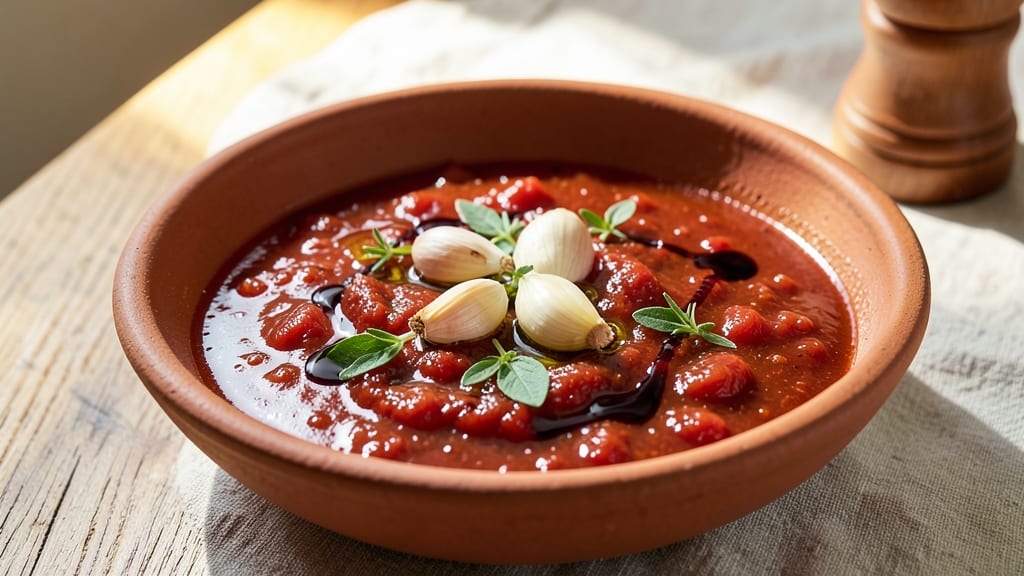
This authentic Sicilian marinara sauce captures the sun-drenched essence of Sicily—where tomatoes simmer low and slow until their natural sweetness emerges, balanced by bright oregano and fragrant garlic. 🌿 The secret lies in using ripe, fresh tomatoes (never canned) and letting them develop depth through gentle heat, creating a sauce that’s rich yet vibrant, with just enough acidity to brighten every bite.
What sets this marinara apart is its simplicity and adherence to tradition—no added sugar, no heavy herbs, just the essentials: olive oil, garlic, oregano, and a touch of salt. The sauce thickens naturally as it simmers, coating every noodle or crust with a velvety, chunky texture that’s impossible to resist.
It’s the kind of sauce that transforms a simple plate of pasta into something extraordinary.
Perfect for drizzling over al dente pasta, brushing onto grilled meats, or serving as a dip for crusty bread, this marinara is built to elevate any dish.
The flavors deepen as it sits, making it ideal for meal prep—just store it in the fridge for up to a week or freeze for months. Here’s how to make it the traditional way.
This recipe is a testament to Sicilian cooking: bold, unpretentious, and deeply satisfying. No shortcuts, no frills—just the real deal. Let’s get started.
Ingredients for authentic sicilian marinara sauce
Fresh tomatoes, olive oil, and fragrant herbs—this is the essence of Sicilian marinara.
| Ingredient | Amount | Notes |
|---|---|---|
| Fresh Tomatoes 🍅 | 3 lb | Ripe, preferably heirloom or Roma |
| Extra-Virgin Olive Oil 🫒 | ½ cup | High-quality, fruity variety |
| Garlic Cloves 🧄 | 6 cloves | Fresh, peeled, minced |
| Fresh Oregano 🌿 | ¼ cup | Sicilian oregano preferred |
| Salt 🧂 | 1 ½ tsp | Diamond Crystal kosher salt |
| Red Wine Vinegar 🍷 | 1 tbsp | For brightness, optional but recommended |
| Black Pepper 🌶️ | ½ tsp | Freshly ground for depth |
| Fresh Basil Leaves 🌿 | ⅛ cup | For garnish, added at the end |
The tomatoes are non-negotiable. Roma or heirloom varieties hold their shape and concentrate flavor beautifully. Local farmers markets often have the freshest, ripest ones—look for tomatoes that yield slightly to gentle pressure. If you can't find fresh, San Marzano canned tomatoes are the next best thing, but they won't have the same depth. The olive oil should be extra-virgin with a fruity aroma—none of that bland cooking oil. California Avocado Ranch or Colavita are solid choices if you're buying a bottle. Oregano matters too: Sicilian oregano has a distinct, citrusy note that's hard to find in regular grocery stores—check the Italian section or order online if you're serious about authenticity.
No fresh oregano? Dried oregano at one-third the amount works in a pinch, but it won't have that bright, fresh flavor. Short on tomatoes? Roast a few extra for this recipe—roasting intensifies their sweetness. The red wine vinegar adds just enough acidity to balance the richness, but if you're avoiding it, lemon juice at the same amount does the trick. Black pepper might seem minor, but freshly cracked peppercorns add a subtle complexity that pre-ground can't match. For the basil, farmers market basil is ideal, but even the sad plastic containers at the grocery store will work if you add them at the very end—just before serving.
This sauce tastes even better the next day as the flavors meld. Store it in an airtight glass jar in the fridge for up to 7 days, or freeze for up to 3 months in ice cube trays for perfect portions. The sauce thickens as it cools, so add a splash of water if it seems too thick when reheating. Portion into small jars for easy use—perfect for pasta nights or as a quick condiment. If you make a big batch, freeze half right away and keep the other half for fresh use within the week.
Why You'll Love This Recipe
- No-Chop Needed: The only prep is crushing garlic and tearing oregano—no dicing, no peeling, no fuss. I’ll admit, I often just grab a handful of tomatoes and toss them in whole (yes, even the stems), and the flavor still sings.
- Garlic-Oil Kiss: That first sizzle of raw garlic in olive oil? Pure magic. The Sicilian trick of letting it bloom low and slow—without burning—builds a depth that canned sauces can’t touch. Honestly, it’s the difference between "meh" and "I’d drive across town for this."
- Pasta’s Best Friend: This sauce doesn’t just work with spaghetti—it’s the backbone of my lazy Sunday bruschetta, a quick weeknight pizza, or even a protein swap (hello, grilled chicken). I’ll be real: I’ve used it to dress up store-bought breadsticks, and people still ask for the recipe.
- Fridge Goldmine: Make a double batch—it keeps for weeks in the fridge, and the flavor actually improves with time. Between us, I’ve reheated a jar from three days ago and served it at a dinner party. No one noticed, and my wallet thanked me. Budget win, flavor win.
Step-by-step instructions for authentic Sicilian marinara sauce
This is how Sicilians make their marinara—simple, bright, and built on fresh tomatoes and oregano.
🍳 Step 1: Sear the Garlic in Olive Oil
Heat the 0.5 cup extra-virgin olive oil in a heavy-bottomed pot over medium-low heat. Add the 6 cloves minced garlic cloves and cook for 2-3 minutes until they're just golden—not browned. This step unlocks the garlic's sweetness without bitterness, which is key for authentic flavor.
Watch the oil carefully—if it starts to smoke, reduce the heat immediately. The garlic should sizzle gently, releasing its aroma. Once golden, remove the pot from heat and let the garlic cool for 1 minute to prevent burning when you add the tomatoes. This is where the sauce's depth begins.
🍳 Step 2: Add Tomatoes and Simmer Uncovered
Return the pot to medium heat and add the 3 lb fresh tomatoes, crushing them with your hands as you go. You want a rough purée—no need for a blender. Season with 1.5 tsp salt and 0.5 tsp black pepper. Stir once to combine, then reduce heat to low. Let the sauce simmer uncovered for 45-60 minutes until it thickens and deepens in color.
This slow cook is critical—it develops the sauce's complexity without overpowering the tomatoes' natural sweetness. Stir occasionally, but don't overwork it. You'll know it's ready when the sauce coats the back of a spoon and the tomatoes break down into a rustic, chunky consistency. The sauce should smell rich and earthy, with no raw tomato taste remaining.
👨🍳 Step 3: Finish with Oregano and Vinegar
Remove the pot from heat and stir in the 0.25 cup fresh oregano and 1 tbsp red wine vinegar. The oregano should be finely chopped—this ensures it distributes evenly. Let the sauce sit for 5 minutes to steep, allowing the oregano's bright, citrusy notes to infuse. Taste and adjust seasoning if needed; authentic Sicilian marinara balances sweetness, acidity, and herbaceousness.
Here's the thing—Sicilian marinara isn't about perfection; it's about rustic character. If the sauce looks too thick, add 1-2 tablespoons of water to loosen it slightly. The texture should be velvety but still have body. The vinegar brightens the tomatoes, cutting through their natural sweetness while adding a touch of tang that's essential for balance.
⏰ Step 4: Rest and Garnish
Let the sauce rest for 10 minutes before serving. This allows flavors to meld and the sauce to reach its ideal consistency. When ready, stir in the 0.125 cup fresh basil leaves, tearing them by hand rather than chopping. The basil adds a final layer of freshness that contrasts beautifully with the deep, simmered tomatoes.
Serve immediately over al dente pasta or with crusty bread. The sauce should cling to the pasta without coating it too heavily—each bite should deliver bright, herbal notes with a hint of sweetness. If you're not serving right away, store the sauce in an airtight container in the refrigerator for up to 5 days, or freeze for 3 months. The flavors only deepen over time, making this sauce even more rewarding the next day.
Pro Tips For Making Authentic Sicilian Marinara Sauce
- Low and Slow Wins: Sicilian marinara isn’t about flashy browning—it’s about patience. Once your tomatoes hit the pot, simmer them at a gentle bubble (just enough to see tiny ripples) for at least 45 minutes. I used to rush it, and the sauce always tasted flat. Let it work its magic—no peeking or stirring constantly, or you’ll break the surface tension and lose that rich, concentrated flavor.
- Crush Those Garlic Cloves: Skip the mincer—whole cloves of garlic, lightly crushed with the flat side of your knife, dissolve better into the oil without burning. After 5 minutes in the oil (until they’re golden but not crispy), remove them with a slotted spoon. Leave them in, and you’ll taste their bitterness. Trust me, your sauce will thank you.
- Salt the Tomatoes First: Add a generous pinch of salt (about ½ teaspoon) to the raw tomatoes before they even hit the pot. This draws out moisture and helps them break down faster, giving you a smoother sauce without thinning it out. I learned this the hard way—once I added salt too late and ended up with a watery mess.
- Finish with Raw Oregano: Toss in fresh oregano at the very end, just before serving. Heat kills its bright, peppery notes, so adding it raw keeps the flavor vibrant. A handful of leaves (about 10-12) is enough—no need to overdo it. This is the thing that makes your marinara taste like it came from a Sicilian nonna’s kitchen.
Common mistakes when making this recipe
Overcooking Tomatoes
One of the biggest mistakes is letting the tomatoes simmer too long. After 45-60 minutes of gentle cooking, they should break down into a rustic, chunky consistency—not a watery mush. Overcooking turns the sauce bitter and reduces its natural sweetness.
I’ve ruined batches by walking away and forgetting the pot, only to return to a sad, mushy mess. Keep an eye on it and taste frequently to gauge when it’s ready. 🌡️
Skipping the Vinegar
The 1 tbsp red wine vinegar is non-negotiable for authentic Sicilian marinara. It brightens the tomatoes and balances their natural sweetness, preventing the sauce from tasting flat. I’ve made this mistake and regretted it—without that acidity, the sauce lacks depth.
If you’re avoiding vinegar, use lemon juice in the same amount, but vinegar’s tang is harder to replicate.
Using Dried Herbs Too Early
Adding dried oregano or basil while the sauce simmers will make it bitter. These herbs need to steep at the end, not cook for hours. I once threw in dried oregano at the start and ended up with a dish that tasted like a spice cabinet raid.
Always add fresh herbs at the very end or let dried ones steep for just 5 minutes after cooking. The same goes for basil—it should be added raw, just before serving.
Ignoring the Resting Time
Letting the sauce rest for 10 minutes before serving is crucial. This allows flavors to meld and the texture to settle. I’ve served it too soon, only to have it separate or taste uneven.
Patience here makes all the difference—it’s the secret to a sauce that clings perfectly to pasta. If you’re in a rush, at least let it sit for 5 minutes before serving.
Not Adjusting Seasoning
Taste as you go! The sauce should balance sweet, acidic, and herbal notes. I’ve made batches where the tomatoes were too sweet or the oregano overpowered everything. Adjust with a pinch more salt, a splash of vinegar, or even a touch of sugar if needed.
Authentic Sicilian marinara isn’t about strict measurements—it’s about intuition. Trust your palate!
Using the Wrong Tomatoes
Roma or heirloom tomatoes are non-negotiable for authentic flavor. I’ve tried this sauce with bland grocery-store tomatoes, and it was a disaster—the sauce lacked depth and sweetness. If fresh tomatoes aren’t available, San Marzano canned tomatoes are the next best option, but nothing beats the fresh, sun-ripened variety.
Invest in good tomatoes, and your sauce will shine. 🍅
Nutrition facts
Frequently asked questions
Can I use canned tomatoes instead of fresh for authentic Sicilian marinara?
Fresh tomatoes are ideal for authentic flavor, but San Marzano canned tomatoes work in a pinch. The key is choosing high-quality, whole peeled tomatoes with minimal additives. Avoid crushed or sauced varieties—they often contain added salt or sugar that alters the balance. If using canned, reduce simmering time to 30-40 minutes since they're already partially cooked.
How do I know when the sauce is done simmering?
The sauce is ready when it coats the back of a spoon with a velvety texture and the tomatoes have broken down into rustic chunks. You should smell deep, earthy tomato aromas with no raw tomato taste remaining. Test by tasting—it should be sweet, slightly acidic, and herbaceous, not bitter or watery. Simmering time varies by tomato ripeness, so check at 45 minutes and adjust from there.
Can I make this sauce ahead of time?
The flavors actually improve overnight. Store in an airtight glass jar in the fridge for up to 7 days, or freeze for 3 months in ice cube trays for perfect portions. The sauce thickens as it cools, so add a splash of water when reheating. For best results, let it come to room temperature before reheating gently on the stove. The longer it rests, the more complex the flavors become.
What's the difference between Sicilian marinara and regular marinara?
Authentic Sicilian marinara focuses on fresh tomatoes, minimal herbs (just oregano and basil), and no added sugar or heavy spices. It's brighter, chunkier, and more rustic than American-style marinara which often includes garlic, onions, and sweeteners. Sicilian versions also typically skip heavy blending, keeping some texture. The acidity from vinegar or lemon is key—it balances the sweetness naturally without masking it. Think of it as tomato purée with herbal brightness.
Can I use this sauce for dishes other than pasta?
This versatile sauce works beautifully beyond pasta! Try it as a dip for crusty bread, a topping for grilled meats or fish, or as a base for Sicilian-style pizza. It also pairs well with polenta or roasted vegetables. The key is using it within 3 days of making for peak freshness, though it freezes well for later use. The bright flavors complement proteins especially well.