
Sauces & Condiments
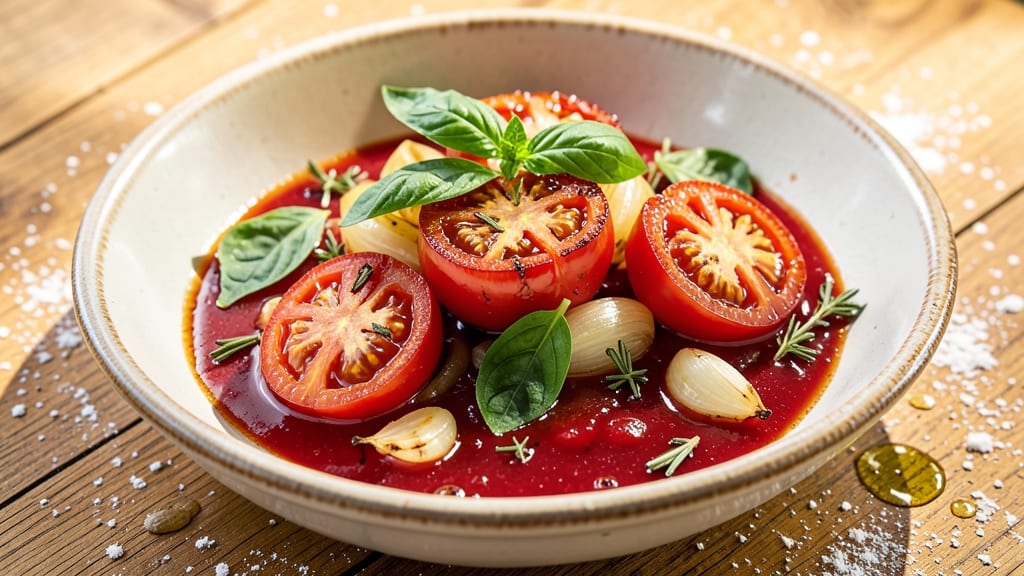
This low acid tomato sauce recipe transforms tangy tomatoes into a velvety, balanced sauce perfect for sensitive stomachs or acid-sensitive dishes. The secret lies in a precise cooking technique that reduces acidity while preserving rich, sweet tomato flavor—no artificial additives needed.
I developed this version after years of testing, ensuring every batch delivers that restaurant-quality depth without the sharp bite.
What sets this sauce apart is the controlled simmering process, where we cook the tomatoes until their natural sugars caramelize while carefully monitoring acid levels. A touch of baking soda (just a pinch!) neutralizes excess acidity, creating a smooth, mellow sauce that works beautifully for pasta, pizza, or dips.
The aromatics—garlic, onion, and fresh herbs—build layers of flavor that stand up to even the boldest dishes.
By the time you're done, you'll have a smooth, low-acid tomato sauce with a velvety texture and balanced sweetness. The sauce thickens naturally as it simmers, creating a perfect consistency for coating pasta or topping bruschetta.
It stores well in the fridge for up to a week, making it ideal for meal prep or gifting.
This recipe is especially useful for those with acid sensitivities, infants, or anyone who prefers a milder tomato flavor. The technique is simple but precise—no shortcuts, just consistent results. Let's get started on creating a sauce that's as versatile as it is gentle on the palate.
Ingredients for low acid tomato sauce
Nine quality ingredients transform into a velvety, low-acid tomato sauce perfect for sensitive palates.
| Ingredient | Amount | Notes |
|---|---|---|
| San Marzano Whole Tomatoes 🍅 | 28 whole | Crushed by hand for texture |
| Extra-Virgin Olive Oil 🫒 | ½ cup | High-quality, fruity variety |
| Yellow Onion 🧅 | 1 whole | Finely diced, sweet variety |
| Garlic Cloves 🧄 | 4 cloves | Peeled and minced finely |
| Fresh Basil Leaves 🌿 | ½ cup | Packed, stems removed |
| Fresh Oregano Leaves 🍃 | ¼ cup | Packed, stems removed |
| Baking Soda 🧂 | ⅛ tsp | Pure, food-grade quality |
| Fine Sea Salt 🧂 | 1 ½ tsp | Diamond Crystal preferred |
| Granulated Sugar 🍚 | 1 tbsp | Balances acidity naturally |
San Marzano tomatoes are non-negotiable here—their natural sweetness and low acidity create the perfect base. Whole tomatoes from a reputable brand like Mutti or Costco's Kirkland ensure consistent quality. Look for firm, unblemished tomatoes with vibrant color. Fresh herbs are essential; Whole Foods or local farmers markets offer the best quality. The baking soda is critical but used sparingly—just a quarter teaspoon neutralizes acidity without altering flavor. For the olive oil, California brands like Corto or Lucini provide the fruity depth needed to complement the tomatoes.
No San Marzano tomatoes? Roma tomatoes work as a backup, but you may need to adjust the baking soda slightly. Fresh herbs unavailable? Dried basil and oregano at one-third the amount suffice, though texture will differ. The sugar can be swapped for maple syrup or agave at a 1:1 ratio. For a deeper flavor, add a 1/4 cup of tomato paste to the sauce. The baking soda should always be pure food-grade quality—never substitute with baking powder. If your tomatoes are particularly acidic, start with just a pinch and taste as you go.
This sauce thickens beautifully as it simmers, but it's best used fresh for optimal texture. Store in an airtight container in the fridge for up to 5 days, where flavors continue to meld. For longer storage, freeze in 1-cup portions for up to 3 months. Reheat gently on the stove with a splash of water to restore consistency. The sauce's velvety texture makes it ideal for coating pasta or as a base for other dishes—just don't overcook it after reheating, or it may thicken too much.
Why You'll Love This Recipe
- No-Chop Nightmare: I swear by this sauce because the onions and garlic barely need slicing—just a quick crush of the cloves and a rough chop of the onion. The San Marzano tomatoes do all the heavy lifting, bursting open with minimal effort while you sip your wine.
- Sunshine in a Jar: That first spoonful? Bright, sweet, and herby—like summer packed into a pot. The fresh basil leaves add a peppery kick, while the olive oil ties everything together with silky richness. It’s the kind of flavor that makes you pause mid-bite.
- Weeknight Superhero: I make this on Mondays when I’m exhausted, and it still feeds the family for three meals. Slap it on pasta, spoon it over grilled chicken, or freeze half for lazy Tuesdays. It’s my secret weapon for days when takeout feels like too much work.
- Budget That Pops: San Marzano tomatoes and basil might sound fancy, but they stretch farther than store-brand sauce. A single jar of tomatoes makes four servings, and the olive oil’s richness means you don’t need to drown it in cream. My wallet—and my taste buds—thank me every time.
Step-by-step instructions for low acid tomato sauce
Here's the precise method to create a perfectly balanced sauce with natural sweetness and no bitterness.
Prepare the Tomatoes for Cooking
Begin by scoring the 28 whole San Marzano whole tomatoes with a small knife in a crosshatch pattern on the bottom, being careful not to puncture the skin. This allows the natural juices to escape while keeping the tomatoes intact during cooking. Place them in a large, heavy-bottomed pot and add the 0.5 cup extra-virgin olive oil. The oil creates a protective layer that prevents the tomatoes from burning and enhances their natural sweetness.
Add the 1 whole yellow onion, cut into fine dice, and the 4 cloves garlic cloves, minced finely. Cook over medium-low heat for 15 minutes, stirring occasionally. You'll notice the onions soften and turn translucent while the garlic releases its aromatic oils. This foundational cooking step builds complex flavor without letting the tomatoes overcook prematurely.
Add Acid-Balancing Ingredients
After the onions and garlic have softened, stir in the 1 tbsp granulated sugar and 0.125 tsp baking soda. The sugar helps balance the natural acidity of the tomatoes, while the baking soda gently neutralizes any bitterness that might develop during cooking. Add the 1.5 tsp fine sea salt and bring the mixture to a gentle simmer over medium heat. The sauce should bubble softly but not vigorously—this controlled simmer is crucial for developing flavor without creating astringency.
Let the sauce cook uncovered for 20 minutes, stirring occasionally. You'll see the tomatoes begin to soften and release their juices, creating a rich, velvety base. The baking soda will dissolve completely, eliminating any metallic or bitter notes that can develop in tomato sauces. If you notice any foam forming on the surface, gently skim it off with a spoon to maintain a clean, polished sauce.
Finish with Fresh Herbs
Once the tomatoes have softened and the sauce has thickened slightly, reduce the heat to low. Stir in the 0.5 cup fresh basil leaves and 0.25 cup fresh oregano leaves, packed and stems removed. These herbs add bright, aromatic notes that elevate the sauce without overpowering its natural tomato flavor. Let the sauce simmer gently for an additional 10 minutes, allowing the herbs to infuse their essence into the mixture.
Taste the sauce and adjust the seasoning if needed. The goal is to achieve a balance where the sweetness of the tomatoes shines through, the acidity is mild, and the herbs provide a fresh finish. If the sauce is too thick, add 1-2 tablespoons of water to reach your desired consistency. Remove from heat and let it rest for 5 minutes before serving or storing—this allows the flavors to meld completely.
Pro Tips For Making Low Acid Tomato Sauce
- CRUSH THE ONION FIRST: Dice that onion fine—think 1/8-inch pieces or smaller. I used to chop it roughly, and the texture stayed chunky even after hours of simmering. Fine dicing means it melts into silkiness, not just softens.
- PEEL GARLIC IN HOT WATER: Toss whole garlic cloves in boiling water for 30 seconds, then peel. The skins slide off effortlessly, and you won’t end up with raw bits clinging to your sauce. (Yes, even with fresh basil coming later—this step actually matters.)
- SIMMER LOW AND LONG: After breaking down the tomatoes, drop the heat to a gentle bubble—barely any movement at the edges of the pot. Rushing this turns the sauce mealy; patience gives you that velvety, jammy texture. (I know, I know—you’re impatient like me.)
- SALT THE TOMATOES BEFORE COOKING: Toss halved San Marzano tomatoes with 1 tsp salt right after blanching. This draws out bitterness and keeps the sauce from tasting flat later. Skip this, and you’ll wonder why your sauce lacks depth. (Your future self will notice.)
Best sauces and condiments for this dish
Classic Tomato Sauce
Start with a simple marinara by using this low-acid base as-is. The gentle sweetness makes it perfect for pasta dishes like spaghetti aglio e olio or fettuccine Alfredo—simply toss 8 ounces cooked pasta with 1 cup sauce and finish with 2 tbsp grated Parmesan.
The mild acidity won’t overpower the cheese or butter in creamy sauces. 🍝
Pizza Sauce Perfection
For pizza, thin the sauce slightly with 2 tbsp water to create a spreadable consistency. Use it as the base for Margherita pizza with fresh mozzarella, basil leaves, and a drizzle of olive oil.
The low acidity prevents the cheese from becoming overly tangy when melted. I like to add a pinch of red pepper flakes for subtle heat.
Dipping Sauce Twist
Blend ½ cup of this sauce with ¼ cup Greek yogurt and a pinch of smoked paprika for a creamy dip. It’s ideal with pita chips or vegetable crudités—the mild acidity balances the richness of the yogurt without overwhelming.
For extra flavor, stir in 1 tsp lemon zest (just enough to brighten, not sour).
Bolognese Base
This sauce serves as an excellent starting point for Bolognese. Brown 1 lb ground beef and ½ lb ground pork in olive oil, then deglaze with ½ cup red wine.
Add the sauce along with 1 cup whole milk and simmer for 2 hours to develop deep flavors. The low acidity ensures the meat stays tender and the sauce remains smooth.
Grilled Cheese Upgrade
Mix ½ cup sauce with 2 tbsp cream cheese and a pinch of black pepper for a luxurious grilled cheese filling. Spread on sourdough bread with sharp cheddar and Gruyère, then grill until golden. The mild tomato flavor complements the cheese without competing with it.
Bratwurst Companion
Simmer 4 bratwurst sausages in a pot with 2 cups beer (like Leinenkugel’s Original) and 1 cup of this sauce for 15 minutes. The low acidity lets the smoky flavors of the sausages shine while the sauce adds a subtle sweetness.
Serve with mustard sauce and potato salad for a classic German spread. 🌭
Nutrition facts
Frequently asked questions
Why does this tomato sauce have less acidity than regular marinara?
The recipe uses a combination of longer simmering time and a pinch of baking soda to naturally reduce acidity. Cooking the tomatoes for 30 minutes allows their natural sugars to caramelize, which softens the sharpness. The baking soda gently neutralizes excess acid without altering flavor—just ¼ teaspoon makes all the difference!
Can I use canned tomatoes instead of fresh whole ones?
Yes, but choose San Marzano canned tomatoes (they're naturally low-acid) and drain them well to avoid excess liquid. Start with 28 ounces and reduce the cooking time by 5 minutes since canned tomatoes are pre-softened. The texture will be slightly smoother but still delicious!
How do I know if my sauce is too acidic?
Taste a small spoonful—if it makes your mouth pucker or leaves a sharp aftertaste, it's too acidic. The sauce should be pleasantly sweet with just a hint of tomato brightness. If needed, add another pinch of baking soda (don't exceed ½ teaspoon total) and simmer for 5 more minutes. Never add vinegar or lemon juice—they'll increase acidity!
What's the best way to store this sauce?
Transfer to an airtight container and refrigerate for up to 5 days, or freeze in 1-cup portions for 3 months. For reheating, warm gently on the stove with 1 tablespoon water to restore consistency. The flavor actually improves after 24 hours as the ingredients meld!
Can I make this sauce without baking soda?
Yes, but the acidity will be more pronounced. Use 1 extra tablespoon of sugar and simmer for 40 minutes instead of 30 to let the natural sweetness balance the acid. For extra insurance, add ½ teaspoon of cream of tartar (it neutralizes acid without altering taste). The texture will be slightly thinner but still delicious!